
Plot Summary
Small Town, Big Secrets
In a small Irish town, Cass and Elaine are inseparable, their lives intertwined by family status and shared dreams of escape. Cass's family, the Barneses, own the local car dealership, while Elaine's father, Big Mike, is a businessman with a shadowy reputation. Beneath the surface of their privileged lives, secrets fester: financial troubles, marital discord, and the ever-present pressure to maintain appearances. The town itself is a character—gossipy, insular, and unforgiving, where everyone knows your business and nothing stays hidden for long. Cass and Elaine's friendship is a lifeline, but also a mirror reflecting their insecurities and ambitions, setting the stage for the unraveling of both families.
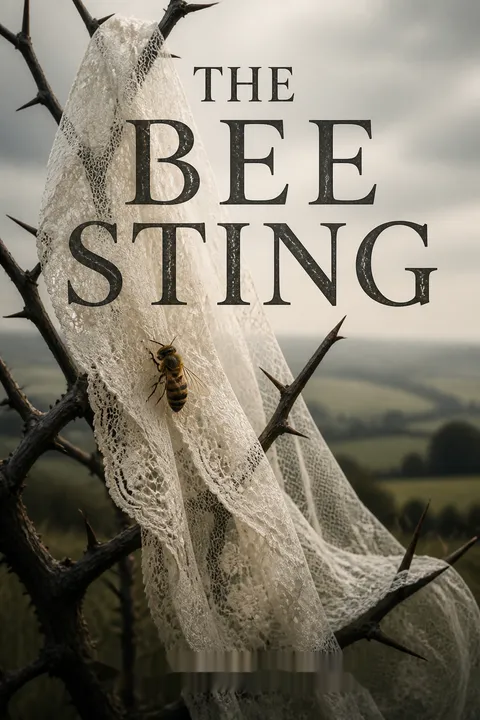
The Bee in the Veil
The mystery of Cass's parents' wedding photos leads to the infamous story: on her wedding day, Imelda was stung by a bee trapped in her veil, forcing her to hide her face throughout the ceremony. The incident becomes a symbol—of humiliation, of secrets, of the randomness of fate. For Cass, the story is both hilarious and tragic, revealing her mother's vanity and vulnerability. The bee's sting echoes through the family's history, a small trauma that grows in significance, representing the hidden wounds and unspoken truths that shape their lives. The past is never really past; it buzzes beneath the surface, waiting to break through.
Cracks in the Family
The global recession hits the Barneses hard, exposing Dickie's unsuitability as a businessman and Imelda's compulsive spending. The family's decline is both public and private, with Imelda blaming Dickie and Cass for their "work-shy" attitudes and environmental concerns. The once-glamorous Imelda becomes bitter and isolated, while Dickie retreats into passivity. Cass, caught between her parents' battles, feels the weight of their expectations and failures. The family's unraveling is mirrored in the town's decline, as businesses close and old hierarchies collapse. The cracks in the family widen, threatening to swallow them all.
The Lady Poets' Spell
Cass and Elaine's English class is transformed by the arrival of Miss Grehan, a glamorous, enigmatic poet. She introduces them to the lives and works of "lady poets"—women who wrote through suffering and passion. The girls become obsessed, seeing in Miss Grehan a model for escape and self-invention. Their admiration turns competitive, and when they discover her own poetry is raw and disturbing, their illusions are shattered. The episode exposes the dangers of idolization and the complexities of female friendship, as Cass and Elaine's bond is tested by jealousy, secrets, and the desire to be seen.
Floods and Failures
A catastrophic flood devastates the town, symbolizing the uncontrollable forces battering the families. The garage's temporary boom from flood-damaged cars cannot save it from closure. Imelda's attempts to sell her possessions are both comic and tragic, while Dickie's passivity deepens. Cass and Elaine drift apart, their friendship strained by new interests and old resentments. The floodwaters recede, but the damage remains—physical, emotional, and financial. The town's sense of security is washed away, leaving everyone exposed and uncertain.
The Bunker's Promise
Dickie, desperate for purpose, throws himself into building a survivalist bunker in the woods with his son PJ and the eccentric Victor. The project is part fantasy, part therapy—a way to prepare for disaster and reclaim agency. For PJ, the bunker represents both safety and isolation, a fantasy of control in a chaotic world. For Dickie, it's a last stand against failure. The woods become a site of both hope and menace, as secrets are buried and new dangers emerge. The bunker promises safety, but also isolation, reflecting the family's retreat from the world.
Love, Loss, and Substitution
The family's history is haunted by the death of Frank, Dickie's beloved brother and Imelda's first fiancé. After Frank's tragic accident, Dickie and Imelda, both shattered by grief, find solace in each other, their marriage a union of survivors. The substitution is fraught with guilt and longing—Dickie can never escape the sense that he's living Frank's life, while Imelda mourns what might have been. Their relationship is a fragile truce, built on shared loss and the hope of redemption, but always shadowed by the past.
The Age of Loneliness
As Cass and Elaine begin college in Dublin, their friendship falters under the pressures of new experiences, romantic entanglements, and the search for identity. Cass feels increasingly alienated, unable to connect with her peers or her family. Dickie, too, is isolated—estranged from his wife, his father, and his own desires. Imelda seeks comfort in an affair with Big Mike, while PJ, bullied and friendless, dreams of running away. The age of loneliness is not just personal but generational, as everyone struggles to find meaning and connection in a world that seems to be falling apart.
Sins of the Fathers
The sins and failures of the parents are visited upon the children. Dickie's unresolved guilt over Frank's death, his closeted sexuality, and his financial mismanagement threaten to destroy the family. Imelda's bitterness and self-absorption alienate her children. Big Mike's infidelities and shady dealings catch up with him, as his past with the housekeeper Augustina resurfaces. The children—Cass, PJ, Elaine—are left to navigate the wreckage, trying to break free from the patterns that have trapped their parents. The past is a weight they cannot escape, but must confront if they are to survive.
The Squirrel Cull
In the woods, Dickie and Victor wage war on invasive grey squirrels, a campaign that becomes a metaphor for the family's struggle to protect itself. The cull is both necessary and cruel, raising questions about belonging, survival, and the cost of purity. PJ is traumatized by the violence, while Dickie rationalizes it as a hard lesson in adulthood. The woods, once a place of play and possibility, are now a battleground, where innocence is lost and the line between right and wrong blurs.
Blackmail in the Woods
Dickie's past catches up with him in the form of Ryszard, a former employee and lover who blackmails him with explicit videos. As the deadline for payment approaches, Dickie is pushed to the brink—considering violence, confession, or flight. Victor offers to help, suggesting a deadly solution. The woods become a stage for a final reckoning, as Dickie must choose between self-preservation and honesty. The threat of exposure forces him to confront the truth about himself and his family, with consequences that ripple through every relationship.
The Party and the Storm
On the night of a wild party in Dublin, Cass's and PJ's stories converge with Dickie's crisis in the woods. Cass, drunk and desperate, finally pushes Elaine away, while PJ, lost and frightened, seeks his sister's help. Imelda, torn between her dying aunt and her lover, is caught in the storm. As rain lashes the town and the woods, secrets are revealed, boundaries are crossed, and the characters are forced to face the consequences of their choices. The storm is both literal and metaphorical, washing away illusions and leaving only what is real.
Ghosts in the Clearing
In the heart of the woods, past and present collide. Dickie, armed and terrified, prepares to confront Ryszard, but is haunted by memories of Frank, his own failures, and the ghosts of those he has lost. Imelda, running through the storm, is pursued by her own regrets and the specter of her father. Cass and PJ, lost in the darkness, find each other and a fragile hope. The clearing becomes a place of revelation, where the characters must decide what to hold on to and what to let go.
The Truth Buried
As the storm passes, the characters are left to pick up the pieces. Dickie, unable to go through with violence, is forced to confront his secrets and seek forgiveness. Imelda, at Rose's deathbed, reconnects with her brother and her own past. Cass and PJ, safe but changed, return home, their bond strengthened by adversity. The truth, long buried, is finally brought to light—not as a weapon, but as a means of healing. The family, battered but unbroken, begins to imagine a future beyond shame and fear.
Forgiveness and Farewell
The aftermath is bittersweet. Some relationships are mended, others end. Imelda and Dickie face the possibility of separation, but also the hope of renewal. Cass and Elaine drift apart, their friendship transformed by time and experience. PJ finds solace in small acts of kindness and connection. The town, too, begins to heal, its wounds visible but no longer fatal. The characters learn that forgiveness is not forgetting, but accepting the past and choosing to live anyway.
The Beginning Again
In the quiet after the storm, the family gathers—changed, chastened, but still together. The woods, once a place of danger and secrecy, are now a site of possibility. The future is uncertain, but the characters have learned to face it with honesty and courage. The story ends not with a grand resolution, but with the promise of beginning again—of making new mistakes, telling new stories, and loving in spite of everything. The bee's sting, the buried secrets, the ghosts in the clearing: all are part of the family's inheritance, but so is the capacity to endure, to forgive, and to hope.
Analysis
Paul Murray's The Bee Sting is a sweeping, darkly comic exploration of family, failure, and the search for meaning in a world on the brink. Set against the backdrop of economic collapse, environmental crisis, and the slow death of small-town Ireland, the novel interrogates the stories we tell ourselves to survive—about love, success, and the possibility of escape. Through its multi-voiced narrative, the book exposes the gap between appearance and reality, the lies we inherit and the ones we invent. At its heart, The Bee Sting is about the impossibility of perfect substitution: no one can take another's place, no secret stays buried, and no amount of preparation can shield us from loss. Yet the novel is also a testament to resilience—the capacity to endure, to forgive, and to hope. Its characters are flawed, often unlikeable, but deeply human, and their struggles resonate in an age of anxiety and uncertainty. Murray's prose is both lyrical and biting, his humor a shield against despair. The novel's lesson is both simple and profound: the only way forward is through honesty, vulnerability, and the willingness to begin again, even when the world seems to be ending.
Review Summary
The Bee Sting by Paul Murray is a 643-page Irish family saga following the Barnes family during Ireland's economic collapse. Reviews are polarizing: admirers praise Murray's character development, distinctive voice for each narrator (especially Imelda's unpunctuated stream-of-consciousness), dark humor, and emotional depth. Critics cite excessive length, frustrating ambiguous ending, over-reliance on flashbacks, and contrived coincidences. The novel explores family dysfunction, secrets, climate anxiety, and economic ruin through perspectives of father Dickie, wife Imelda, daughter Cass, and son PJ. Shortlisted for the 2023 Booker Prize, it won multiple awards despite divisive reception.
People Also Read






Characters
Cass Barnes
Cass is the emotional heart of the novel—a bright, anxious teenager caught between the expectations of her family and her own longing for connection and escape. Her friendship with Elaine is both a source of strength and a site of deep insecurity, as she struggles with jealousy, desire, and the fear of being left behind. Cass's journey is one of self-discovery: through poetry, love, and loss, she learns to accept her own complexity and to forgive the flaws of those around her. Her relationship with her parents is fraught but ultimately redemptive, as she comes to see them as human, not just as obstacles or ideals.
Dickie Barnes
Dickie is a man defined by substitution—stepping into his brother Frank's life after Frank's death, marrying Imelda, running the family business, and trying to be the "good son." Beneath his mild exterior lies a well of shame, grief, and repressed desire. His affair with Ryszard and subsequent blackmail force him to confront the truth about himself and the cost of living a lie. Dickie's arc is one of reckoning: he must choose between self-destruction and honesty, between repeating the sins of the past and forging a new path for his family. His love for his children is genuine, but often clumsy, and his greatest fear is failing them as he feels he failed Frank.
Imelda Barnes
Imelda is both a victim and an agent of chaos—a woman whose early trauma and loss have left her hungry for love, status, and control. Her marriage to Dickie is a compromise, haunted by the ghost of Frank and the life she might have had. Imelda's relationship with her children is complicated by envy and projection, especially with Cass, whose youth and potential she both resents and cherishes. Her affair with Big Mike is an attempt to reclaim agency, but also a repetition of old patterns. Imelda's journey is one of painful self-awareness, as she confronts the limits of beauty, the reality of aging, and the possibility of forgiveness.
PJ Barnes
PJ is the family's youngest, a sensitive, intelligent boy who escapes into facts, video games, and the fantasy of running away. Bullied at school and neglected at home, he finds solace in the woods and in his online friendship with Ethan. PJ's innocence is both a shield and a vulnerability, as he is drawn into the adult world's dangers and secrets. His relationship with Cass is a lifeline, and his attempts to "fix" his family are both heartbreaking and heroic. PJ embodies the novel's themes of resilience, imagination, and the longing for connection in a fractured world.
Elaine Comerford
Elaine is Cass's best friend and mirror image—beautiful, ambitious, and determined to escape the small town that stifles her. Her relationship with Cass is intense, sometimes cruel, always charged with rivalry and affection. Elaine's family is wealthier but no less dysfunctional, and her father's scandals cast a long shadow. In Dublin, Elaine reinvents herself, but her need for validation and fear of intimacy persist. Her arc is one of self-invention and self-deception, as she learns that running away does not guarantee happiness or authenticity.
Big Mike Comerford
Big Mike is the town's wheeler-dealer, a man who has clawed his way up from poverty but cannot escape his own appetites and insecurities. His affair with Augustina, the housekeeper, and his involvement in the garage's takeover reveal his ruthlessness and vulnerability. Big Mike is both a villain and a victim, shaped by a brutal childhood and the relentless demands of masculinity. His relationship with Imelda is transactional but also genuine, a meeting of two damaged souls seeking solace.
Ryszard Brankowski
Ryszard is a Polish mechanic whose beauty and desperation make him both alluring and dangerous. His affair with Dickie is transactional but also exposes the latter's deepest fears and desires. Ryszard's blackmail is not just a crime but a symptom of the novel's larger themes: the costs of secrecy, the dangers of repression, and the impossibility of controlling the past. He is both a victim of circumstance and an agent of chaos, forcing the family to confront what they would rather ignore.
Victor McHugh
Victor is the local oddball, a man obsessed with disaster preparedness and conspiracy theories. He becomes Dickie's unlikely partner in building the bunker, offering both practical skills and a philosophy of radical self-reliance. Victor's worldview is both comic and chilling, a reflection of the novel's anxieties about the future and the limits of community. He is a mentor to PJ, but also a warning about the dangers of isolation and paranoia.
Maurice Barnes
Maurice is Dickie's father, the founder of the family business and the arbiter of success and failure. His approval is both a prize and a curse, shaping Dickie's sense of self and his relationship with his own children. Maurice's return to the town is both a hope and a threat, as he brings with him the weight of tradition and the impossibility of living up to the past. He is both a source of wisdom and a symbol of the old order's decline.
Willie Laughton
Willie is Dickie's college friend and first love, a dazzling debater whose intelligence and wit mask deep insecurity. Their relationship is a touchstone for Dickie, representing both the possibility of authenticity and the pain of rejection. Willie's later success and loneliness mirror Dickie's own struggles, and their missed connection is one of the novel's most poignant threads. Willie embodies the costs of hiding, the longing for recognition, and the hope that it is never too late to begin again.
Plot Devices
Multi-perspective Narrative Structure
The novel is told through the alternating perspectives of Cass, Dickie, Imelda, and PJ, with interludes from other characters. This structure allows the reader to see events from multiple angles, exposing the gaps between what is said and what is felt, what is remembered and what is true. The shifting voices create a sense of intimacy and dislocation, mirroring the characters' struggles to understand themselves and each other. The narrative is non-linear, looping back to key moments—Frank's death, the wedding, the flood—revealing new layers of meaning with each return.
Symbolism and Motifs
The bee sting at Imelda's wedding is a recurring symbol of trauma, shame, and the randomness of fate. The bunker represents both safety and isolation, a fantasy of control in a chaotic world. The woods are a site of both danger and possibility, where innocence is lost and found. Squirrels, floods, and storms serve as metaphors for the uncontrollable forces—natural and human—that shape the characters' lives. The motif of substitution (Frank for Dickie, Imelda for Augustina, Cass for Elaine) underscores the novel's exploration of identity, loss, and the impossibility of perfect replacement.
Foreshadowing and Irony
The novel is rich in foreshadowing: the early story of the man who kills his family, the bee in the veil, the warnings about climate change and economic collapse. These hints create a sense of impending doom, even as the characters try to ignore or outrun their fate. Irony abounds: the survivalist bunker becomes a site of confrontation, the family's attempts to hide their shame only expose them further, and the quest for safety leads to greater danger. The novel's humor is often dark, undercutting moments of triumph with reminders of fragility and failure.
Confession and Catharsis
The climax of the novel is a series of confessions—Dickie's to his family, Imelda's to herself, Cass's to Elaine, PJ's to Cass. These moments are both devastating and liberating, forcing the characters to confront the reality of their lives and the limits of forgiveness. The act of telling the truth is fraught with risk, but also the only path to healing. The novel suggests that catharsis is not a one-time event, but an ongoing process—a willingness to begin again, to make new mistakes, to love in spite of everything.

Download PDF
Download EPUB
.epub digital book format is ideal for reading ebooks on phones, tablets, and e-readers.








































