
نکات کلیدی
1. زلزله 2010 هائیتی: فاجعهای تشدید شده توسط فقر و زیرساختهای ضعیف
"هائیتی مکان دشواری است. هیچکس، حتی ثروتمندان، بهطور کامل محافظت نشدهاند."
تخریب بیسابقه. زلزلهای با قدرت 7.0 ریشتر که در 12 ژانویه 2010 هائیتی را لرزاند، تخمین زده میشود که بین 100,000 تا 316,000 نفر را کشت و بیش از یک میلیون نفر را بیخانمان کرد. این تلفات فاجعهبار عمدتاً به دلیل فقر شدید و زیرساختهای ضعیف هائیتی بود:
- ساختمانهای پرجمعیت و ضعیفساخت در پورتو پرنس
- نبود قوانین ساختمانی و اجرای آنها
- قابلیتهای محدود پاسخگویی به وضعیت اضطراری
- نهادهای دولتی ضعیف
زمینه تاریخی. آسیبپذیری هائیتی در برابر بلایا ریشه در قرنها بهرهکشی، بیثباتی سیاسی و مشکلات اقتصادی داشت:
- میراث استعمار فرانسه و بردهداری
- دههها دیکتاتوری تحت حکومت دووالیهها
- مداخلات بینالمللی و سیاستهای اقتصادی که کشاورزی و صنعت محلی را تضعیف کردند
2. پاسخ کمکهای بینالمللی: نیتهای خوب، اجرای ناقص
"خیریه"، پرهوال از پشت تریبون مرمرین تأکید کرد، "هرگز به هیچ کشوری کمک نکرده است که از توسعهنیافتگی فرار کند."
ورود گسترده کمکها. جامعه بینالمللی میلیاردها دلار کمک تعهد کرد و هزاران نفر را اعزام کرد. با این حال، پاسخ با مشکلاتی مواجه شد:
- نبود هماهنگی بین سازمانهای کمکرسانی
- مشارکت حداقلی دولت هائیتی و جوامع محلی
- تمرکز بر امداد کوتاهمدت بهجای توسعه بلندمدت
- پول کمکها اغلب به نفع پیمانکاران خارجی بود نه هائیتیها
پیامدهای ناخواسته. تلاشهای با نیت خوب گاهی اوقات آسیب رساندند:
- تضعیف کسبوکارها و بازارهای محلی
- ایجاد وابستگی به کمکهای خارجی
- دور زدن نهادهای هائیتی و تضعیف بیشتر دولت
3. آشفتگی سیاسی هائیتی: تاریخی پیچیده که چالشهای پس از فاجعه را شکل میدهد
"خواستن ریاست جمهوری این کشور بیماری است که درمانی ندارد."
بیثباتی تاریخی. چشمانداز سیاسی هائیتی با کودتاها، مداخلات خارجی و فساد مشخص شده است:
- تغییرات مکرر رهبری و کشمکشهای قدرت
- اشغالها و مداخلات ایالات متحده
- نفوذ نخبگان ثروتمند و منافع خارجی
سیاستهای پس از زلزله. فاجعه تنشهای موجود را تشدید کرد:
- انتخابات بحثبرانگیز و اختلافات بر سر نتایج
- بازگشت دیکتاتور سابق ژان-کلود "بیبی داک" دووالیه
- فشار از سوی اهداکنندگان بینالمللی که نتایج سیاسی را شکل میدهند
4. شیوع وبا: پیامدی ناخواسته از مداخله بشردوستانه
"تب دوم وبا: تمایل به سرزنش."
همهگیری ویرانگر. در اکتبر 2010، وبا برای اولین بار در بیش از یک قرن در هائیتی ظاهر شد:
- بیش از 7,500 مرگ و 580,000 عفونت
- شواهد به نیروهای حافظ صلح سازمان ملل از نپال به عنوان منبع اشاره داشت
انکار نهادی. پاسخ به شیوع با مشکلاتی مواجه شد:
- امتناع اولیه از تحقیق درباره منبع
- نبود پاسخگویی از سوی سازمان ملل
- منابع ناکافی برای درمان و پیشگیری
5. مقاومت هائیتی: بقا و سازگاری در مواجهه با سختیها
"نو لا"، او پاسخ داد. ما هنوز اینجا هستیم. این چیزی است که همه میگفتند.
قدرت جامعه. با وجود چالشهای فراوان، هائیتیها مقاومت قابل توجهی نشان دادند:
- کمک و حمایت متقابل بین بازماندگان
- حل مسئله خلاقانه در مواجهه با کمبود
- حفظ شیوهها و سنتهای فرهنگی
سازگاری با واقعیتهای جدید. هائیتیها راههایی برای مقابله با شرایط پس از فاجعه یافتند:
- ایجاد اقتصادهای غیررسمی در اردوگاههای بیخانمانها
- حفظ امید و شوخطبعی در شرایط سخت
- ادامه فشار برای تغییرات سیاسی و اجتماعی
6. تصویر رسانهای در مقابل واقعیت: تصورات غلط درباره هائیتی و مردم آن
"برای مدتی در هائیتی، احساس میشود که چیزی دیگر نیز در جریان است. انگار جزیره با نوعی ماشینخدای معکوس ساخته شده است: به محض اینکه داستانی شروع به یافتن راهحل میکند، چیزی میآید تا آن را کاملاً بیحل کند."
کلیشهها و هیجانزدگی. رسانههای بینالمللی اغلب کلیشههای منفی را تقویت میکنند:
- تأکید بیش از حد بر خشونت و هرجومرج
- نمایش هائیتیها به عنوان قربانیان بیدفاع
- نبود زمینه برای چالشهای هائیتی
واقعیتهای پیچیده. تجربیات نویسنده تصویری دقیقتر را نشان داد:
- سنتهای فرهنگی غنی و پیوندهای اجتماعی
- مشارکت سیاسی و سازماندهی مردمی
- دیدگاهها و آرزوهای متنوع در میان هائیتیها
7. راه طولانی بهبودی: درسهایی برای پاسخ به بلایای آینده و توسعه
"این کافی نیست که بگوییم مشاغل کمدرآمد با سابقه مخرب 'بهتر از هیچچیز' هستند. ما باید داراییهایی را که مردم در کشورهایی مانند هائیتی دارند درک کنیم و بهترین راه برای محافظت از آنها را بیابیم، حتی اگر این کار به معنای تصمیمگیریهایی باشد که ممکن است در کوتاهمدت برای ما ناخوشایند باشد."
بازنگری در کمک و توسعه. تجربه هائیتی درسهای مهمی ارائه میدهد:
- اهمیت رهبری و مشارکت محلی
- نیاز به استراتژیهای توسعه پایدار و بلندمدت
- پرداختن به علل ریشهای آسیبپذیری، نه فقط علائم
تغییرات ساختاری مورد نیاز. بهبود پاسخ به بلایا و توسعه نیازمند:
- اصلاح سیستمهای کمک بینالمللی
- حمایت از ساخت نهادهای محلی قوی
- پرداختن به نابرابریهای اقتصادی جهانی که آسیبپذیری را تداوم میبخشند
خلاصه نقدها
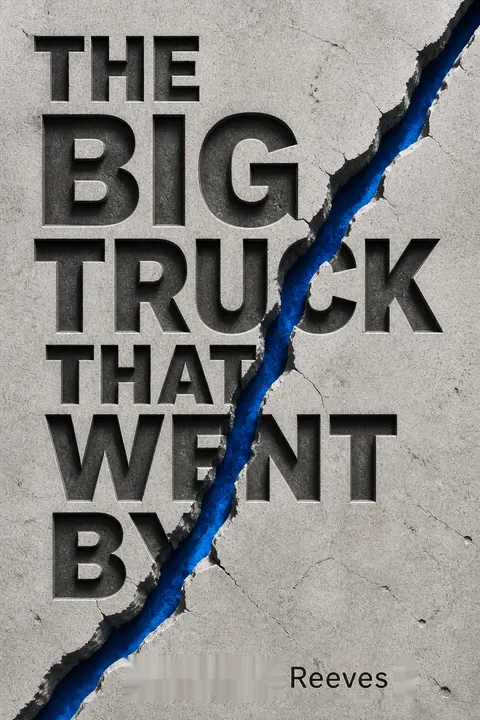
کتاب کاميون بزرگي که گذشت به خاطر روایت دست اولش از زلزله هائیتی در سال 2010 و پیامدهای آن مورد تحسین قرار گرفته است. خوانندگان از تحلیل عمیق کاتز دربارهی واکنشهای کمکهای بینالمللی قدردانی میکنند و به ناکارآمدی و عواقب ناخواستهی آن اشاره میکنند. این کتاب به خاطر گزارشنویسی دقیق، روایت جذاب و بررسی انتقادی تلاشهای امدادرسانی در زمان بحران ستایش میشود. برخی از منتقدان به داستانهای شخصی نویسنده به عنوان عاملی حواسپرتکن اشاره میکنند، در حالی که دیگران آنها را غنیکننده میدانند. بهطور کلی، این کتاب به عنوان یک منبع ضروری برای درک چالشهای هائیتی و پیچیدگیهای مداخلات انسانی بینالمللی شناخته میشود.
دیگران نیز خواندهاند





سؤالات متداول
What's The Big Truck That Went By about?
- Haiti's Earthquake Aftermath: The book explores the aftermath of the 2010 earthquake in Haiti, focusing on the chaos and suffering that ensued.
- International Aid Response: It critically examines the international aid efforts, highlighting the complexities and mismanagement involved.
- Author's Perspective: Jonathan M. Katz, the only American reporter in Haiti during the earthquake, provides a unique, firsthand account of the events.
Why should I read The Big Truck That Went By?
- Insight into Humanitarian Aid: The book offers a critical perspective on the effectiveness and motivations behind international aid.
- Emotional and Personal Narrative: Katz's personal experiences add a human element, making the story engaging and relatable.
- Historical and Political Context: It provides a comprehensive background on Haiti's history and socio-political issues, enhancing understanding of the crisis.
What are the key takeaways of The Big Truck That Went By?
- Aid Failures: Despite massive aid, many Haitians felt abandoned, illustrating the unintended consequences of well-intentioned efforts.
- Local Knowledge Importance: Katz emphasizes the need for understanding local contexts and involving Haitians in rebuilding efforts.
- Critique of Foreign Intervention: The book questions the effectiveness of foreign aid, advocating for approaches that empower local communities.
What are the best quotes from The Big Truck That Went By and what do they mean?
- “We need Haiti to succeed.”: Reflects the international community's recognition of Haiti's importance but highlights the gap between intentions and actions.
- “The horror of the catastrophic Haitian earthquake of 2010... the joy of finding love in the midst of the ruins.”: Captures the duality of human experience in crisis, emphasizing resilience and hope.
- “Charity has never helped any country escape underdevelopment.”: Critiques traditional aid models, calling for sustainable development approaches.
How does [Author] describe the impact of the earthquake on Haiti?
- Immediate Destruction: The earthquake was the deadliest natural disaster in the Western Hemisphere, leaving millions homeless.
- Long-term Consequences: It exacerbated existing issues, leading to political instability and a cholera epidemic.
- Human Stories: Katz shares personal anecdotes, highlighting the resilience of the Haitian people.
What role did international aid organizations play in the aftermath of the earthquake?
- Massive Aid Influx: Billions were pledged, but the effectiveness of aid distribution was questioned.
- Coordination Challenges: Lack of coordination among organizations led to inefficiencies and duplication of efforts.
- Dependence on Foreign Aid: The reliance on aid created a cycle of dependency, undermining local governance.
How does [Author] address the issue of corruption in Haiti?
- Historical Context: Corruption is linked to Haiti's tumultuous past and foreign interventions.
- Impact on Aid: Perceptions of corruption influenced aid policies, leading to a lack of trust in the government.
- Call for Reform: Katz advocates for strengthening local institutions and governance to address corruption.
What does [Author] suggest as a better approach to aid in Haiti?
- Empower Local Communities: Aid should focus on empowering Haitians to lead their own recovery.
- Sustainable Development: Emphasizes long-term investments in education, healthcare, and infrastructure.
- Reevaluation of Aid Models: Calls for a collaborative approach grounded in mutual respect and understanding.
How does [Author]'s personal experience shape the narrative of The Big Truck That Went By?
- Firsthand Account: Katz's position as the only American reporter in Haiti provides a detailed perspective.
- Emotional Resonance: His emotional struggles and experiences add depth and authenticity to the narrative.
- Reflections on Identity: Katz navigates his dual role as a journalist and survivor, enriching the narrative.
How does The Big Truck That Went By address the cholera outbreak in Haiti?
- Cholera's Introduction: Linked to UN peacekeepers from Nepal, contaminating the Artibonite River.
- Impact on Public Health: The outbreak worsened Haiti's health crisis, leading to thousands of deaths.
- Response and Accountability: Critiques the UN's reluctance to investigate the source, reflecting broader negligence.
What are the implications of the cholera outbreak for future humanitarian efforts as discussed in The Big Truck That Went By?
- Need for Accountability: Emphasizes the importance of organizations taking responsibility for their actions.
- Focus on Local Solutions: Advocates for empowering local organizations and governments in disaster response.
- Long-term Planning: Stresses the need for investment in infrastructure to prevent future outbreaks.
What lessons can be learned from The Big Truck That Went By regarding disaster response?
- Importance of Local Knowledge: Understanding local contexts and engaging communities is crucial for effective aid.
- Accountability and Transparency: Organizations must be transparent to build trust with affected populations.
- Long-term Commitment: Disaster response should include long-term planning and investment, not just immediate relief.
دانلود PDF
دانلود EPUB
.epub digital book format is ideal for reading ebooks on phones, tablets, and e-readers.








































