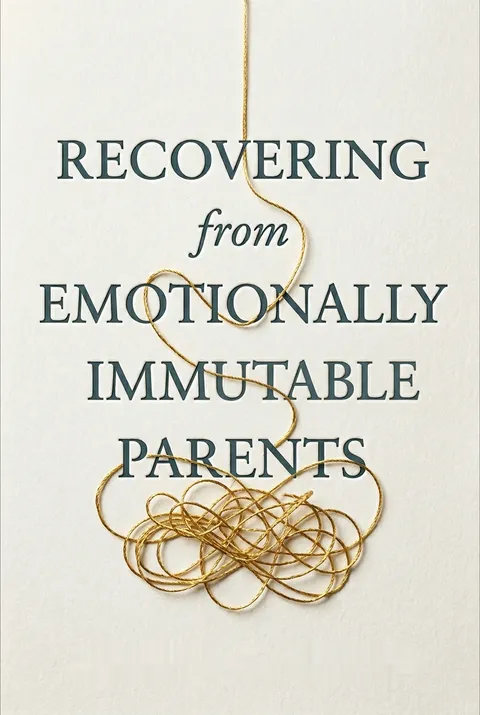

نکات کلیدی
1. شناسایی نشانههای والدین عاطفی نابالغ (EIPs)
والدین عاطفی نابالغ به طور بنیادی ترسیده و ناامن هستند.
ویژگیهای والدین عاطفی نابالغ: آنها معمولاً خودمحوری، همدلی پایین و نیاز به مهمترین فرد بودن در روابط را نشان میدهند. والدین عاطفی نابالغ تمایل دارند:
- بر دیگران تسلط و کنترل داشته باشند
- از طریق سرایت عاطفی ارتباط برقرار کنند
- مرزها و فردیت را نادیده بگیرند
- دیگران را سرزنش کرده و خود را معاف کنند
- به طور ناگهانی واکنش نشان دهند و تحمل کمی در برابر استرس داشته باشند
انواع والدین عاطفی نابالغ:
- والدین عاطفی: بسیار واکنشپذیر و ناپایدار
- والدین هدفگرا: هدفمحور و همیشه مشغول
- والدین منفعل: اجتنابکننده از تعارض و تسلیم
- والدین طردکننده: بیعلاقه به روابط و خودمحور
درک این ویژگیها میتواند به شما کمک کند تا والدین عاطفی نابالغ را در زندگیتان شناسایی کرده و تأثیر آنها بر سلامت عاطفیتان را درک کنید.
2. درک تأثیر والدین عاطفی نابالغ بر خودپنداره و روابط شما
والدین عاطفی نابالغ ویژگیهایی در فرزندان خود میبینند که نیازهای والدین را برآورده میکند.
تأثیر بر خودپنداره: بزرگ شدن در کنار والدین عاطفی نابالغ میتواند منجر به:
- احساس تنهایی عاطفی و بیارزشی
- دشواری در ایجاد روابط صمیمی
- تمایل به تردید در افکار و احساسات خود
- مشکل در تعیین مرزها و ابراز خود
الگوهای رابطه: والدین عاطفی نابالغ معمولاً روابطی ایجاد میکنند که مشخصههای آن شامل:
- تعاملات یکطرفه متمرکز بر نیازهای والدین
- احساس گناه و شرم به عنوان ابزار کنترل
- نادیده گرفتن تجربیات درونی کودک
- انتظار حمایت عاطفی مداوم از کودک
شناسایی این الگوها برای درک چگونگی شکلگیری خودپنداره و دینامیکهای رابطه شما بسیار حیاتی است و به شما این امکان را میدهد که به سمت تعاملات سالمتر و تصویر خود مثبتتر حرکت کنید.
3. از خود در برابر تسلطهای عاطفی و اجبار محافظت کنید
اجبار عاطفی زمانی رخ میدهد که یک والد عاطفی نابالغ شما را با ایجاد ترس، گناه، شرم و تردید در خود کنترل کند.
استراتژیهای محافظت:
- شناسایی و به چالش کشیدن فرضیات تحریفشده
- سؤال کردن از فوریت خواستههای والدین عاطفی نابالغ
- ارزیابی موقعیتها بهطور عینی قبل از پاسخ دادن
- تعیین مرزها و محدودیتهای واضح در مورد آنچه که مایل به انجام آن هستید
حفظ خودمختاری:
- تمرین کنید که به احساسات و افکار خود متصل بمانید
- از گفتوگوی درونی برای تقویت حق خود در تصمیمگیری استفاده کنید
- در موقعیتهای چالشبرانگیز از قطع ارتباط با خودتان خودداری کنید
با اجرای این استراتژیها، میتوانید خودمختاری عاطفی خود را حفظ کرده و در برابر تلاشهای دستکاری والدین عاطفی نابالغ مقاومت کنید و حس قویتری از خود و روابط متعادلتری را پرورش دهید.
4. توسعه استراتژیهای ارتباطی مؤثر با والدین عاطفی نابالغ
شما نیازی ندارید که اجازه دهید هیچیک از این تملقها بر شما تأثیر بگذارد.
تکنیکهای ارتباطی:
- از پاسخهای "لغزنده" برای دوری از فشار استفاده کنید
- تعاملات را با معرفی موضوعات یا دیدگاههای جدید هدایت کنید
- با disengagement یا فاصله فیزیکی فضایی برای خود ایجاد کنید
- محدودیتهایی برای موضوعات و مدت زمان گفتگو تعیین کنید
پاسخهای قاطع:
- "به زمان نیاز دارم تا در مورد این موضوع فکر کنم."
- "من صدای شما را میشنوم، اما تصمیم خود را گرفتهام."
- "با این موضوع راحت نیستم. بیایید در مورد چیز دیگری صحبت کنیم."
اجرای این استراتژیها میتواند به شما کمک کند تا در گفتگوها با والدین عاطفی نابالغ کنترل بیشتری داشته باشید و تعاملات متعادلتر و کمتر عاطفی خستهکنندهای را تجربه کنید.
5. دنیای درونی خود را پرورش دهید و اعتماد به نفس بسازید
دنیای درونی شما تعیینکنندهی مهمترین باورها و تصمیمات شما در زندگی است: اینکه چه کسی فکر میکنید هستید، به چه چیزی اعتقاد دارید و آیندهای که میخواهید.
پرورش ارتباط درونی:
- به احساسات و حسهای جسمی توجه کنید
- تمرین ذهنآگاهی و مدیتیشن کنید
- در نوشتن روزانه مشغول شوید تا افکار و احساسات خود را بررسی کنید
ساخت اعتماد به نفس:
- تجربیات و احساسات خود را تأیید کنید
- در برابر خودانتقادی و قضاوت مقاومت کنید
- نیازها و ارزشهای خود را شناسایی و محترم بشمارید
با پرورش دنیای درونی خود، حس قویتری از خود ایجاد میکنید و کمتر در برابر دستکاریهای خارجی آسیبپذیر میشوید، که منجر به روابط واقعیتر و رشد شخصی میشود.
6. ذهن خود را از الگوهای فکری به ارث رسیده پاک کنید
شلوغی ذهنی افکاری هستند که در اصل به شما تعلق ندارند.
شناسایی افکار به ارث رسیده:
- به جملات "باید" و "باید داشته باشم" توجه کنید
- تفکر انتقادی یا بدبینانه را شناسایی کنید
- از الگوهای فکری ناشی از اضطراب آگاه باشید
تکنیکهای پاکسازی:
- منبع و اعتبار افکار را زیر سؤال ببرید
- گفتوگوی منفی با خود را با بیانات حمایتی جایگزین کنید
- از تکنیکهای بازسازی شناختی برای به چالش کشیدن تفکر تحریفشده استفاده کنید
پاکسازی ذهن از الگوهای فکری به ارث رسیده به شما این امکان را میدهد که خود را بهطور واقعیتری ابراز کنید و تصمیمگیری کنید و از محدودیتهای ناشی از تأثیر والدین عاطفی نابالغ رها شوید.
7. بهروزرسانی خودپنداره برای هویتی سالمتر
خودپندارهی شما اساس همهی باورهایی است که دربارهی خود دارید و آنچه را که به خود اجازه میدهید بشوید.
مراحل بهروزرسانی خودپنداره:
- ارزش خود را مستقل از نظرات دیگران تعیین کنید
- ارزشها و فلسفهی زندگی خود را شناسایی کنید
- نقاط خالی در خودپندارهتان را پر کنید
- ویژگیها و نقاط قوت خود را تعریف کنید
چالش با خودپندارههای تحریفشده:
- احساسات حقارت را شناسایی و رد کنید
- باورهای مبتنی بر شرم دربارهی خود را زیر سؤال ببرید
- توانایی خود برای عشق و ارتباط را تأیید کنید
بهروزرسانی خودپندارهی شما به دیدگاه دقیقتر و مثبتتری از خود منجر میشود که به افزایش اعتماد به نفس و روابط رضایتبخشتر منجر میشود.
8. ایجاد روابط سالمتر با تمرکز بر تعاملات فردی
زمانی که با والدین عاطفی نابالغ خود وقت میگذرانید، اگر ذهن خود را بر روی تعامل فوری متمرکز کنید، این زمان بیشتر سازنده خواهد بود تا اینکه به کل رابطه بهطور همزمان فکر کنید.
استراتژیهای تعاملات سالمتر:
- خود را به عنوان فردی برابر با والد عاطفی نابالغ ببینید
- در طول تعاملات، ارتباط خود را بهطور آگاهانه حفظ کنید
- الگوهای قدیمی را قبل از تسلط بر آنها قطع کنید
- با مدلسازی رفتار محترمانه، رهبر رابطه شوید
رویکرد ذهنآگاه:
- با یک دیدگاه تازه به هر تعامل وارد شوید
- بر روی یک تعامل در هر بار تمرکز کنید، نه بر کل رابطه
- از تکنیکهای ذهنآگاهی برای حفظ حضور و خودآگاهی استفاده کنید
با تمرکز بر تعاملات فردی و حفظ ارتباط با خود، میتوانید روابط متعادلتر و رضایتبخشتری با والدین عاطفی نابالغ ایجاد کنید، حتی اگر دینامیک کلی همچنان چالشبرانگیز باشد.
خلاصه نقدها
کتاب بهبودی از والدین عاطفی نابالغ از سوی خوانندگان به خاطر مشاورههای عملیاش در مواجهه با افراد عاطفی نابالغ، بهویژه والدین، مورد تحسین قرار گرفته است. بسیاری آن را تغییر دهندهی زندگی میدانند و ابزارهایی برای تعیین مرزها و درک دینامیکهای پیچیدهی خانوادگی ارائه میدهد. خوانندگان به رویکرد همدلانهی نویسنده و توضیحات واضح او دربارهی نابالغی عاطفی ارج مینهند. برخی اشاره میکنند که این کتاب بهویژه برای کسانی که میخواهند روابط خود را با والدین عاطفی نابالغ حفظ کنند، مفید است، در حالی که دیگران آرزو دارند راهنمایی بیشتری برای فاصلهگیری از آنها دریافت کنند. بهطور کلی، این کتاب به خاطر بینشها و استراتژیهایش برای رشد شخصی و روابط سالمتر بهطور گستردهای توصیه میشود.
دیگران نیز خواندهاند








سؤالات متداول
What's "Recovering from Emotionally Immature Parents" about?
- Overview: The book by Lindsay C. Gibson provides practical tools and insights for individuals who grew up with emotionally immature parents. It aims to help readers establish boundaries and reclaim their emotional autonomy.
- Impact of EI Parents: It explores how emotionally immature (EI) parents affect their children's feelings, thoughts, and behaviors, often leading to emotional wounds that persist into adulthood.
- Healing and Growth: The book offers exercises and case studies to help readers understand their experiences, heal from past wounds, and develop healthier relationships with themselves and others.
- Target Audience: It is a valuable resource for both individuals dealing with EI parents and mental health professionals seeking to support their clients.
Why should I read "Recovering from Emotionally Immature Parents"?
- Understanding EI Dynamics: The book provides a clear understanding of the dynamics between emotionally immature parents and their children, which can be enlightening for those struggling with these relationships.
- Practical Tools: It offers practical exercises and strategies to help readers set boundaries and reclaim their emotional autonomy, making it a useful guide for personal growth.
- Emotional Healing: By addressing the emotional wounds caused by EI parents, the book helps readers work towards healing and developing a healthier self-concept.
- Professional Insight: For mental health professionals, the book offers insights and tools that can be applied in therapy to support clients dealing with similar issues.
What are the key takeaways of "Recovering from Emotionally Immature Parents"?
- Emotional Autonomy: The importance of reclaiming one's emotional autonomy and setting boundaries with EI parents is emphasized throughout the book.
- Understanding EI Traits: Recognizing the traits and behaviors of emotionally immature parents helps in understanding their impact on one's life.
- Healing Process: The book outlines a healing process that involves understanding past experiences, grieving losses, and developing a stronger relationship with oneself.
- Practical Exercises: It includes exercises to help readers reflect on their experiences, identify their needs, and build a healthier self-concept.
What are the best quotes from "Recovering from Emotionally Immature Parents" and what do they mean?
- "Your life will be your own again": This quote emphasizes the book's goal of helping readers reclaim control over their lives by understanding and overcoming the influence of EI parents.
- "You can’t change them, and you can’t make them happy": It highlights the futility of trying to change EI parents and the importance of focusing on one's own growth and happiness.
- "Your ultimate recovery goal is to build a loyal, committed relationship to your own inner self and well-being": This quote underscores the book's focus on self-connection and self-care as the foundation for healing.
- "You are just as important as they are": A reminder of the equal importance of one's own needs and feelings in relationships, challenging the dominance often exerted by EI parents.
How do emotionally immature parents affect their children, according to Lindsay C. Gibson?
- Emotional Loneliness: Children of EI parents often feel emotionally lonely, as these parents are unable to provide genuine emotional connection and support.
- Self-Doubt and Guilt: EI parents can instill self-doubt and guilt in their children by invalidating their feelings and making them responsible for the parents' emotions.
- Inhibited Development: The lack of emotional support and validation can inhibit a child's development of a healthy self-concept and emotional autonomy.
- Relationship Patterns: These children may carry patterns of seeking approval and fearing rejection into their adult relationships, often choosing partners who mirror their parents' behaviors.
What practical tools does "Recovering from Emotionally Immature Parents" offer?
- Boundary Setting: The book provides strategies for setting and maintaining healthy boundaries with EI parents to protect one's emotional well-being.
- Self-Reflection Exercises: It includes exercises to help readers reflect on their experiences, identify their needs, and understand their emotional responses.
- Communication Skills: Readers learn how to communicate their needs and feelings effectively, even in challenging interactions with EI parents.
- Self-Care Practices: The book emphasizes the importance of self-care and offers guidance on nurturing a positive relationship with oneself.
What is the "emotionally immature relationship system" (EIRS) described in the book?
- Definition: The EIRS is a dynamic where emotionally immature individuals make others feel responsible for their emotional stability and self-esteem.
- Emotional Takeovers: EI parents use emotional coercion to induce fear, guilt, and self-doubt in their children, making them prioritize the parents' needs.
- Impact on Children: This system can lead to children feeling trapped in roles that serve the parents' emotional needs, often at the expense of their own well-being.
- Breaking Free: The book provides strategies for recognizing and resisting these emotional takeovers to reclaim one's autonomy.
How can someone reclaim their emotional autonomy, according to the book?
- Recognize EI Traits: Understanding the traits and behaviors of EI parents is the first step in reclaiming emotional autonomy.
- Set Boundaries: Establishing and maintaining clear boundaries helps protect one's emotional space and well-being.
- Self-Connection: Developing a strong relationship with oneself, including self-awareness and self-acceptance, is crucial for emotional autonomy.
- Focus on Growth: Prioritizing personal growth and healing over trying to change EI parents allows for a more fulfilling and autonomous life.
What role does self-concept play in healing from emotionally immature parents?
- Foundation of Identity: Self-concept is the basis of how individuals see themselves and their worth, heavily influenced by parental feedback during childhood.
- Correcting Distortions: The book emphasizes the importance of correcting distorted self-concepts that may have been shaped by EI parents' negative feedback.
- Building Confidence: A healthy self-concept allows individuals to pursue their potential, build confidence, and engage in meaningful relationships.
- Self-Discovery: Updating one's self-concept involves exploring personal values, strengths, and aspirations, independent of parental influence.
How does the book suggest dealing with feelings of shame and guilt?
- Recognize Origins: Understanding that shame and guilt often stem from EI parents' emotional coercions helps in addressing these feelings.
- Reframe Emotions: The book encourages reframing shame and guilt as emotions rather than truths about oneself, reducing their power.
- Self-Compassion: Practicing self-compassion and self-acceptance is key to overcoming feelings of shame and guilt.
- Assert Boundaries: Setting boundaries and asserting one's right to emotional autonomy helps in managing these emotions effectively.
What is the significance of the "Bill of Rights for Adult Children of Emotionally Immature Parents"?
- Empowerment: The Bill of Rights empowers individuals to assert their needs, set boundaries, and prioritize their well-being in relationships with EI parents.
- Emotional Autonomy: It reinforces the right to emotional autonomy, mental freedom, and self-expression without fear of ridicule or coercion.
- Self-Protection: The rights emphasize the importance of self-protection and self-care, encouraging individuals to prioritize their health and happiness.
- Guidance: Serving as a reminder of the key principles discussed in the book, the Bill of Rights offers guidance for navigating interactions with EI parents.
How can mental clearing help in dealing with the influence of emotionally immature parents?
- Identify Thought Patterns: Mental clearing involves identifying and challenging thought patterns inherited from EI parents that may not serve one's best interests.
- Separate Influences: It helps in separating one's own thoughts and beliefs from those imposed by EI parents, allowing for independent thinking.
- Reduce Anxiety: By clearing mental clutter, individuals can reduce anxiety and depressive thinking often instilled by EI parents.
- Enhance Clarity: Mental clearing enhances clarity of thought, enabling individuals to make decisions based on their true desires and values.
درباره نویسنده
کتابهای دیگر از لیندزی سی. گیبسون
دانلود PDF
دانلود EPUB
.epub digital book format is ideal for reading ebooks on phones, tablets, and e-readers.








































