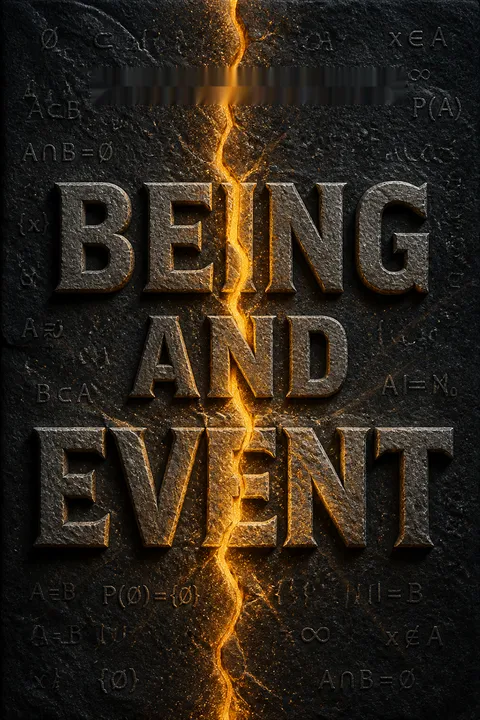

نکات کلیدی
۱. هستی، کثرت محض است: هستیشناسی به مثابه ریاضیات
در ریاضیات، هستی، اندیشه و انسجام یکی و همانندند.
ریاضیات به مثابه هستیشناسی. بادیو معتقد است که ریاضیات، بهویژه نظریه مجموعهها، همان هستیشناسی است؛ علمی که به مطالعه هستی بهمثابه هستی میپردازد. این بدان معناست که ساختارهای بنیادین واقعیت را بهتر است از طریق مفاهیم ریاضی، بهویژه مفهوم کثرت محض، فهمید. این دیدگاه، رویکردهای سنتی فلسفی به هستیشناسی را که معمولاً بر شهود، زبان یا تجربه تکیه دارند، به چالش میکشد.
نظریه مجموعهها بهعنوان بنیاد. نظریه مجموعهها که توسط کانتور مطرح شد و بر بینهایت و ساختار کثرتها تمرکز دارد، چارچوب هستیشناسی بادیو را شکل میدهد. اصول نظریه مجموعهها، مانند اصل جداسازی و اصل انتخاب، ابزارهایی برای فهم ماهیت هستی به شمار میآیند.
رد بنیادگرایی. با شناسایی ریاضیات بهعنوان هستیشناسی، بادیو نیاز به وجود بنیاد فلسفی جداگانه برای ریاضیات را رد میکند. ماهیت قطعی ریاضیات مستقیماً توسط خود هستی تضمین میشود. این رویکرد، مباحث فلسفی سنتی درباره ماهیت اشیای ریاضی و رابطه آنها با واقعیت را دور میزند.
۲. یکی وجود ندارد: هستیشناسی کاهشی
یکی، بهعنوان یک عمل، هرگز ارائهای نیست.
رد یکی. هستیشناسی بادیو با رد «یکی» بهعنوان اصل بنیادین شناخته میشود. او استدلال میکند که یکی موجودی پیشین نیست، بلکه عملی است که از شمارش یا ساختاربندی یک کثرت حاصل میشود. این دیدگاه، نظامهای فلسفی سنتی را که یکی را منبع نهایی یا اساس هستی میدانند، به چالش میکشد.
شمارش بهعنوان یکی. به جای وجود یکی، بادیو بر «شمارش بهعنوان یکی» تأکید میکند که نیروی ساختاربخش کثرتهاست. شمارش بهعنوان یکی عملی است که ساختاری بر یک وضعیت تحمیل میکند و به ما امکان میدهد عناصر آن را شناسایی و شمارهگذاری کنیم.
کثرت ناسازگار. بادیو معتقد است که هستی در حالت خالص خود، کثرتی ناسازگار است؛ مجموعهای از عناصر بدون هیچ وحدت یا ساختار ذاتی. تنها از طریق عمل شمارش بهعنوان یکی است که این کثرت به وضعیتی سازگار و قابل فهم تبدیل میشود.
۳. رویداد: گسست و تکمیل
حقیقت تنها از طریق گسست با نظمی که آن را پشتیبانی میکند شکل میگیرد، هرگز بهعنوان نتیجه آن نظم نیست.
رویداد بهعنوان گسست. بادیو مفهوم رویداد را بهعنوان گسستی رادیکال در نظم هستی معرفی میکند. رویداد رخدادی است که نمیتوان آن را با ساختار موجود یک وضعیت پیشبینی یا توضیح داد. این نقطهای از تصادفی مطلق است که نظم مستقر را مختل میکند.
تکمیل. رویداد صرفاً نیرویی مخرب نیست، بلکه منبعی از امکانات نوین است. رویداد وضعیت موجود را تکمیل میکند و راههای تازهای برای اندیشه و عمل میگشاید. این تکمیل فرایندی طبیعی یا اجتنابناپذیر نیست و نیازمند مداخله فعال است.
نمونههایی از رویدادها. بادیو رویدادها را در حوزههای مختلفی مانند سیاست (مثلاً انقلاب فرانسه)، هنر (مثلاً اختراع سریالیسم در موسیقی)، علم (مثلاً نظریه مجموعههای کانتور) و عشق (مثلاً دیداری که آغازگر رابطه عاشقانه است) شناسایی میکند.
۴. مداخله: نامگذاری ناممکن
سوژه چیزی جز وفاداری فعال به رویداد حقیقت نیست.
نقش مداخله. خود رویداد، رخدادی آشفته و ناپخته است. برای نامگذاری آن، دادن معنا و اهمیت به آن، نیاز به مداخلهای است. این مداخله نه مشاهدهای بیطرف بلکه عملی عمدی و تحولآفرین در نامگذاری است.
نامگذاری غیرقانونی. مداخله اغلب عملی «غیرقانونی» است؛ تخطی از هنجارها و قراردادهای مستقر وضعیت. این مداخله شامل انتخاب نامی برای رویداد است که توسط نظم موجود مجاز شناخته نشده است.
منطق دوگانگی. مداخله شکافی ایجاد میکند، «منطق دوگانگی»، میان کسانی که رویداد را میشناسند و کسانی که به نظم قدیم پایبندند. این شکاف پایهای برای ظهور سوژه است.
۵. وفاداری: پاسخ سوژه به رویداد
سوژه چیزی جز وفاداری فعال به رویداد حقیقت نیست.
وفاداری فعال. سوژه ناظر منفعل رویداد نیست، بلکه شرکتکننده فعال در گسترش آن است. وفاداری تعهدی است به کاوش پیامدهای رویداد و کار بر روی دگرگونی وضعیت.
روشهای عام. وفاداری پیروی کورکورانه از باورهای ثابت نیست، بلکه فرایندی پویا و خلاقانه از تحقیق است. این شامل توسعه «روشهای عام» است که در همه جنبههای وضعیت، فارغ از محتوای خاص آنها، کاربرد دارد.
رزمنده حقیقت. سوژه «رزمنده حقیقت» است؛ کسی که حاضر است نظم مستقر را به چالش کشیده و برای به رسمیت شناختن قدرت تحولآفرین رویداد مبارزه کند. این مبارزه لزوماً خشونتآمیز نیست، بلکه تعهدی پایدار و استوار به حقیقت است.
۶. دولت: مدیریت آنچه مدیریتناپذیر است
ساختار وضعیتها به خودی خود هیچ حقیقتی ارائه نمیدهد.
دولت بهعنوان فراساختار. بادیو مفهوم دولت را بهعنوان فراساختاری معرفی میکند که تلاش میکند کثرتهای هستی را مدیریت و کنترل کند. دولت صرفاً نهادی سیاسی نیست، بلکه اصلی کلی برای سازماندهی است که در همه حوزههای وجود عمل میکند.
محدودیتهای دولت. دولت بهطور ذاتی قادر به درک رویداد یا حقیقت نیست. دولت محدود به قلمرو دانش و نظم مستقر است. رویداد بهعنوان گسستی در آن نظم، ناگزیر از دسترس دولت فرار میکند.
عادیبودن، یگانگی و زوائد. بادیو سه نوع هستی را نسبت به دولت شناسایی میکند: عادی (آنچه ارائه و نمایندگی میشود)، یگانه (آنچه ارائه میشود اما نمایندگی نمیشود) و زائد (آنچه نمایندگی میشود اما ارائه نمیشود). این دستهبندیها چارچوبی برای فهم پویایی قدرت و مقاومت در هر وضعیت فراهم میآورد.
۷. حقیقت: روشهای عام و نامتمایزی
هستی حقیقت، که خود را استثنایی بر هر گزاره پیشساخته وضعیت نشان میدهد، «عام» نامیده میشود.
حقیقت بهعنوان عام. بادیو استدلال میکند که حقیقت ویژگی گزارهها یا باورها نیست، بلکه فرایندی عام است که مستقل از هر دستهبندی یا گزاره پیشین گسترش مییابد. حقیقت «عام» است به این معنا که نسبت به ویژگیهای خاص وضعیت که در آن ظهور میکند بیتفاوت است.
نامتمایزی. حقیقت همچنین با نامتمایزی مشخص میشود. حقیقت کثرتی است که نمیتوان آن را با هیچ گزاره خاصی محدود کرد. حقیقت همه را در بر میگیرد، زیرا کثرتی است که هیچ گزاره خاصی نمیتواند آن را محصور کند.
اندیشه عام. اندیشه عام مستلزم عبور کامل از دستهبندیهای هستی و رویداد است. این اندیشه مفاهیمی را چنان متبلور میکند که تقریباً تصویر آن غیرممکن میشود.
۸. اجبار: پل زدن میان هستی و حقیقت
تولید سوژۀ: تصمیم درباره نامعین، رد صلاحیت، اصل عدم وجودها.
اجبار کوهن. بادیو از تکنیک ریاضی «اجبار» پاول کوهن بهره میگیرد تا نظریهای درباره سوژه توسعه دهد. اجبار روشی برای ساخت جهانهای ریاضی جدید با افزودن عناصر «عام» به جهانهای موجود است.
از نامتمایز به نامعین. بادیو با استفاده از اجبار نشان میدهد چگونه نامتمایز میتواند به نامعین منجر شود. با افزودن عنصری عام به یک وضعیت، امکانات جدیدی برای حقیقت ایجاد میشود که پیشتر در دسترس نبود.
تکنیک اجبار. تکنیک اجبار با شروع از وضعیتی «نیمهکامل» و افزودن عنصری عام به آن انجام میشود. این عنصر عام در وضعیت اصلی نامتمایز است، اما ویژگیهای خاصی دارد که امکان اثبات قضایای جدید را فراهم میکند.
۹. محدودیتهای دانش: ساختگرایی و خلأ
دانستن چگونگی عبور اندیشه از دلایل همچون آواز ساده، و بدینسان غوطهور ساختن اندیشهای بیسابقه در چشمههای گوناگون.
اندیشه ساختگرایانه. بادیو به نقد اندیشه ساختگرایی میپردازد که میکوشد دانش را از اصول بنیادی بسازد. او معتقد است ساختگرایی به دلیل تکیه بر دستهبندیهای پیشین و ناتوانی در درک رویداد محدود است.
تا شدن هستی. بادیو مفهوم «تا شدن هستی» را معرفی میکند تا توصیف کند چگونه هستی هم آشکار و هم پنهان توسط دانش میشود. دانش در تلاش برای درک هستی ناگزیر آن را تحریف و سادهسازی میکند.
حاکمیت زبان. بادیو ایده اینکه زبان بنیاد نهایی دانش است را نقد میکند. او معتقد است زبان همیشه محدود است و نمیتواند غنای پیچیدگی هستی را بهطور کامل در بر گیرد.
۱۰. فراتر از لاکان: نظریهای نوین درباره سوژه
تصادف، که هر حقیقتی از آن بافته میشود، ماده سوژه است.
نظریه سوژه. بادیو نظریهای نوین درباره سوژه ارائه میدهد که فراتر از مفاهیم دکارتی و لاکانی است. سوژه نه جوهری است و نه آگاهی، بلکه بُعدی فعال و محلی از فرایند عام است.
سوژهسازی. سوژهسازی فرایندی است که فرد را به سوژه تبدیل میکند، از طریق درگیر شدن فعال در فرایند حقیقت. این فرایند شامل مداخله، وفاداری و تولید دانش نوین است.
سوژه و حقیقت. سوژه مبدأ یا بنیاد حقیقت نیست، بلکه بُعدی فعال و محلی از فرایند عام است. سوژه بودن (و نه صرفاً فردی حیوانی) یعنی بُعدی فعال و محلی از چنین فرایندی بودن.
خلاصه نقدها
کتاب «بودن و رویداد» اثری فلسفی چالشبرانگیز اما تأثیرگذار از آلن بادیو است. این کتاب با تلفیق نظریه مجموعهها در ریاضیات و هستیشناسی، به بررسی مفاهیمی چون هستی، حقیقت و سوژه میپردازد. خوانندگان آن را متنی پیچیده و فشرده مییابند که درک آن نیازمند تلاش فراوان است. برخی نوآوریها و بینشهای ارائهشده در این اثر را ستایش میکنند، در حالی که عدهای به کاربرد ریاضیات در فلسفه انتقاد دارند. این کتاب بهعنوان نقطه عطفی در فلسفه قارهای شناخته میشود، هرچند نظرات درباره ارزش نهایی و انسجام آن متفاوت است. بسیاری آن را اثری ضروری برای علاقهمندان به فلسفه معاصر میدانند.
دیگران نیز خواندهاند



سؤالات متداول
1. What is Being and Event by Alain Badiou about?
- Ontology as mathematics: Badiou argues that ontology—the study of being qua being—is fundamentally mathematical, specifically grounded in set theory, where being is understood as pure multiplicity rather than unity.
- Event and truth: The book introduces the concept of the event as a radical rupture in a situation, which gives rise to new, universal truths that cannot be derived from the existing structure.
- Subject and fidelity: Badiou defines the subject as one who remains faithful to the consequences of an event, actively participating in the unfolding of truth in domains like politics, art, science, and love.
- Philosophical innovation: The work bridges analytic and continental philosophy, combining rigorous mathematical formalism with literary and poetic resources to rethink fundamental philosophical questions.
2. Why should I read Being and Event by Alain Badiou?
- Radical rethinking of ontology: The book offers a groundbreaking perspective by grounding ontology in set theory, challenging traditional metaphysics and providing a new way to understand being and existence.
- Novel theory of truth and subject: Badiou develops a unique theory of truth as a process linked to events and fidelity, and redefines the subject as an active participant in the creation of truth.
- Interdisciplinary approach: The text bridges philosophy and mathematics, showing how mathematical concepts like forcing and generic sets illuminate philosophical problems.
- Engagement with contemporary issues: Badiou critiques cultural relativism, market democracy, and the dissolution of political thinking, advocating for a renewed commitment to universal truths and emancipation.
3. What are the key concepts in Being and Event by Alain Badiou?
- Pure multiple and void: Being is conceived as pure multiplicity, with the void as the foundational absence or unpresentable remainder that underlies all situations.
- Count-as-one and structure: The "one" is not a being but an operation that structures multiplicities, while ontology studies multiples of multiples.
- Event and truth: An event is a rupture that cannot be predicted by the situation’s structure, initiating a generic and universal truth procedure.
- Subject and fidelity: The subject is the agent who remains faithful to the event, unfolding its consequences through a generic procedure.
- Forcing and generic sets: Borrowed from set theory, these concepts formalize the indiscernible and undecidable aspects of truth and subjectivity.
4. How does Alain Badiou define "being" in Being and Event?
- Being as pure multiplicity: Being is not a unified one but an inconsistent multiplicity, irreducible to any totality or unity.
- Void as being’s name: The void is the "proper name of being," representing the unpresentable and subtractive suture that underlies all presentation.
- Mathematical ontology: All entities are sets (multiples of multiples), and the one is an operation (count-as-one), not a substantive entity.
- Subtractive ontology: Being is defined as that which cannot be supposed on the basis of any presence or experience, opposing ontologies of presence.
5. What is the role of the "event" in Being and Event by Alain Badiou?
- Event as rupture: The event is a radical break with the order of a situation, producing a truth that cannot be derived from the situation’s structure.
- Truth procedure: An event initiates a generic truth procedure that is universal and indifferent to differences within situations.
- Subject formation: The subject is constituted by fidelity to the event, actively working to unfold the truth’s consequences.
- Beyond ontology: Events belong to "that-which-is-not-being-qua-being," marking the emergence of novelty and change beyond ontological structures.
6. How does Alain Badiou use set theory in Being and Event?
- Mathematics as ontology: Set theory is the formal language through which being qua being is expressed as pure multiplicity.
- Axiomatic system: Badiou relies on the Zermelo–Fraenkel axioms, including the axiom of the void (empty set), powerset, union, separation, and replacement, to structure ontology.
- Belonging and inclusion: The distinction between belonging (∈) and inclusion (⊂) is crucial, with the power-set axiom guaranteeing the existence of the set of subsets, leading to the theorem of the point of excess.
- Generic and forcing: Advanced set-theoretical concepts like generic sets and forcing formalize the indiscernible and undecidable, underpinning Badiou’s theory of truth and subject.
7. What is the significance of the "void" in Being and Event by Alain Badiou?
- Void as unpresentable being: The void is the name of being’s inconsistency, the non-one, and the unpresentable remainder that is subtracted from any count or presentation.
- Proper name of being: The void is uniquely named by the empty set (∅) in set theory, which is the foundational existence from which all multiples are composed.
- Universal inclusion: The void is a subset of every set, indicating its omnipresence as the latent absence within all presentations.
- Ontological anxiety: The void represents the fundamental risk or errancy in any situation, necessitating structures and metastructures (states) to ward off its catastrophic fixation.
8. What is the "theorem of the point of excess" in Being and Event by Alain Badiou?
- Excess of subsets: For any set a, the set of all its subsets p(a) is strictly larger than a itself; there exists at least one subset of a that is not an element of a.
- No set equals its powerset: This theorem formalizes that no multiple can form a one out of all its parts, indicating an irreducible gap between belonging and inclusion.
- Ontological implication: The gap between a set and its powerset is the site of the impasse of being, where the void’s errancy can manifest.
- Necessity of metastructure: This excess necessitates a metastructure or state that counts the count, ensuring the integrity of the one against the void.
9. How does Alain Badiou conceptualize the "state" or "metastructure" of a situation in Being and Event?
- State as count of the count: The state is a metastructure that counts as one the parts (subsets) of a situation, securing the consistency of the initial structure.
- Protection against the void: The state wards off the errancy of the void by ensuring that all parts are counted and the one-effect is reinforced.
- Typology of terms: Within a situation, terms can be normal (presented and represented), singular (presented but not represented), or excrescent (represented but not presented), reflecting their relation to structure and state.
- Ontological exception: In mathematical ontology, the state is inseparable from the situation itself, meaning ontology is "stateless," and the void’s errancy cannot be fully excluded.
10. What is the concept of the indiscernible and generic truth in Being and Event by Alain Badiou?
- Indiscernible as unnameable: An indiscernible part of a situation cannot be specified by any formula in the language of that situation, escaping explicit nomination and classification.
- Generic truth: Truth is a generic multiple, infinite and indiscernible, that cannot be captured by encyclopedic knowledge or existing categories.
- Existence via generic extension: The indiscernible exists in the generic extension of a situation, created through the process of naming and forcing, and remains indiscernible even in the extension.
- Truth as a hole in knowledge: The generic truth constitutes a "hole" in knowledge, representing what is universal and subtracted from the situation’s established order.
11. How does Alain Badiou define the subject and its relation to truth in Being and Event?
- Subject as local configuration: The subject is any local configuration of a generic procedure from which a truth is supported, not a substance or void point.
- Subjectivization and fidelity: Subjectivization is the emergence of an operator of faithful connection following the event’s nomination, enabling the unfolding of truth.
- Subject and chance: The subject’s trajectory is aleatory, depending on chance encounters with terms of the situation, and supports belief in the truth to come.
- Subject as forcing agent: The subject is the local evaluator who forces veracity, deciding undecidable statements by virtue of the indiscernible truth.
12. What is "forcing" and why is it central to Being and Event by Alain Badiou?
- Forcing as veracity relation: Forcing is a relation between conditions and formulas in the fundamental situation that controls the veracity of statements in the generic extension.
- Connects indiscernible and undecidable: Forcing links the indiscernible (truth) to the undecidable (statements not decided by axioms), allowing the subject to decide what cannot be decided within the situation.
- Subject as forcing agent: The subject uses forcing to evaluate and decide undecidable statements, thus actively participating in the creation of truth.
- Fundamental law of the subject: Forcing is the central mechanism by which the subject operates in the generic extension, making it the fundamental law of subjectivity in Badiou’s ontology.

دانلود PDF
دانلود EPUB
.epub digital book format is ideal for reading ebooks on phones, tablets, and e-readers.








































