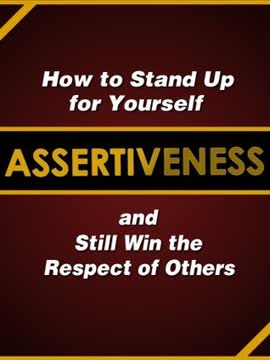
نکات کلیدی
1. قاطعیت: تعادل بین ارتباط منفعل و تهاجمی
قاطعیت سبکی از ارتباط است که به کاربران خود قدرت میدهد تا به وضوح و با احترام از خود دفاع کنند.
تعریف قاطعیت. قاطعیت هنر بیان نیازها، خواستهها و نظرات با اطمینان است در حالی که به حقوق و احساسات دیگران احترام میگذارد. این تعادل بین ارتباط منفعل، که نیازهای خود را نادیده میگیرد، و ارتباط تهاجمی، که نیازهای دیگران را نادیده میگیرد، برقرار میکند.
مزایای قاطعیت:
- افزایش عزت نفس و اعتماد به نفس
- بهبود مهارتهای تصمیمگیری
- کاهش احساسات تلخی و کینه
- کسب احترام از دیگران
- کمک به مدیریت تعارضات با آرامش
تصورات غلط درباره قاطعیت:
- قاطعیت به معنای محبوبیت نزد همه نیست
- تضمین نمیکند که همه چیزهایی که میخواهید را به دست آورید
- مترادف با تهاجم یا بیادبی نیست
2. ساختن پایهای قوی از ارزش و حقوق شخصی
هماهنگی زمانی به دست نمیآید که همه یک نت را بخوانند.
ارزیابی خود بسیار مهم است. برای قاطع شدن، ابتدا باید سبک ارتباطی و خودپنداری فعلی خود را درک کرد. این شامل ارزیابی عواملی مانند تماس چشمی، صدای بلند، حالت بدن و توانایی بیان نظرات یا گفتن "نه" میشود.
تعیین حقوق شخصی. "منشور حقوق" قاطعیت چارچوبی برای درک حقوق ذاتی فرد ارائه میدهد، از جمله:
- حق قضاوت درباره رفتار و احساسات خود
- حق ارائه ندادن دلایل یا بهانهها برای تصمیمات
- حق تغییر نظر
- حق اشتباه کردن و مسئولیتپذیری برای آنها
- حق گفتن "نمیدانم" یا "نمیفهمم"
گفتگوی مثبت با خود. تغییر گفتگوی داخلی منفی به تأییدات مثبت میتواند تأثیر قابل توجهی بر خودپنداری و قاطعیت داشته باشد. مثالها شامل:
- "من شایسته و مستحق احترام هستم"
- "من به راحتی افکار، نظرات و خواستههایم را بیان میکنم"
- "من از حقوق خود دفاع میکنم"
3. زبان بدن: ارتباطگر خاموش اعتماد به نفس
قاطعیت چیزی نیست که انجام میدهید، بلکه چیزی است که هستید!
نشانههای غیرکلامی مهم هستند. زبان بدن نقش مهمی در نحوه درک و واکنش دیگران به ما دارد. عناصر کلیدی زبان بدن قاطع شامل:
- تماس چشمی: حفظ تماس چشمی مناسب برای نشان دادن تعامل و اعتماد به نفس
- حالت بدن: ایستادن یا نشستن صاف با شانههای عقب برای نمایش باز بودن و اطمینان به خود
- حالتهای چهره: استفاده از لبخندهای واقعی و عضلات چهره آرام برای نشان دادن دسترسیپذیری
- حرکات: استفاده از حرکات دست باز و آرام برای تأکید بر نکات بدون ظاهر شدن تهاجمی
تمرین باعث کمال میشود. توسعه زبان بدن قاطع نیازمند تلاش آگاهانه و تمرین است. تکنیکها شامل:
- تمرینات آینهای برای بهبود تماس چشمی و حالتهای چهره
- نقشآفرینی سناریوها برای تمرین حالت بدن و حرکات
- آگاهی از موقعیت بدن در تعاملات روزانه
4. تکنیکهای کلامی برای ارتباط قاطع مؤثر
ارتباط قاطع خودکنترلی را نشان میدهد و کلمات را به شیوهای آرام و محترمانه بیان میکند.
زبان واضح و مختصر. ارتباط قاطع به بیانیههای مستقیم و سادهای متکی است که نیازها، خواستهها یا نظرات را به وضوح بیان میکند. تکنیکهای کلامی کلیدی شامل:
- اظهار ساده: بیانیههای مستقیم از خواستهها یا باورها
- اظهار همدلی: شناخت احساسات دیگران قبل از بیان موضع خود
- اظهار تشدید: به طور فزایندهای محکم شدن در حالی که آرام باقی میمانید
- بیانیههای "من": تمرکز بر احساسات و تجربیات شخصی به جای سرزنش دیگران
اجتناب از مشکلات ارتباطی:
- حذف کلمات پرکننده مانند "ام" یا "اه" که اعتماد به نفس را تضعیف میکنند
- دوری از زبان عذرخواهی هنگام بیان نیازها
- خودداری از استفاده از لحن تهاجمی یا منفعل-تهاجمی
5. قاطعیت در روابط شخصی: تعیین مرزها با عشق
شما به شریک خود میآموزید که چگونه با شما رفتار کند.
ایجاد احترام متقابل. در روابط شخصی، قاطعیت شامل تعیین مرزهای واضح در حالی که عشق و احترام را حفظ میکند. این شامل:
- بیان خواستهها و نیازها به صورت باز
- گوش دادن فعال به دیدگاه شریک خود
- یافتن سازش بدون قربانی کردن احترام به خود
والدگری با قاطعیت. هنگام برخورد با کودکان، ارتباط قاطع کمک میکند:
- تعیین انتظارات و پیامدهای واضح
- مدلسازی رفتار محترمانه
- تشویق کودکان به بیان نیازها و احساسات خود به طور مناسب
مدیریت پویاییهای دشوار خانوادگی. قاطعیت میتواند به مدیریت روابط چالشبرانگیز با والدین یا خواهر و برادرها کمک کند:
- ایجاد الگوهای ارتباطی بزرگسال به بزرگسال
- تعیین مرزها بر رفتارهای مزاحم یا بیاحترام
- بیان عشق و احترام در حالی که استقلال شخصی را حفظ میکنید
6. قاطعیت در محیط کار: مدیریت روابط حرفهای
تنها کسانی که جرات شکست بزرگ را دارند میتوانند به موفقیت بزرگ دست یابند.
برخورد با همکاران دشوار. قاطعیت در محیط کار شامل:
- پرداختن به مسائل به طور مستقیم و خصوصی
- تمرکز بر رفتارهای خاص به جای حملات شخصی
- پیشنهاد راهحلها و تعیین انتظارات واضح
درخواست افزایش حقوق به صورت قاطعانه:
- برنامهریزی یک جلسه خاص برای بحث درباره جبران خسارت
- آمادهسازی شواهدی از ارزش خود برای شرکت
- بیان واضح درخواست و نتیجه مطلوب
- باز بودن برای مذاکره و سازش
- پیگیری مناسب در صورت عدم تصمیمگیری فوری
مدیریت افراد دارای قدرت. هنگام برخورد با روسا یا سرپرستان:
- حفظ احترام در حالی که دیدگاه خود را بیان میکنید
- تمرکز بر اهداف و منافع مشترک برای شرکت
- استفاده از اظهار تشدید در صورت عدم موفقیت تلاشهای اولیه
7. مصرفکننده قاطع: خرید و حل مسئله با قدرت
قدرت در دست شماست.
خرید آگاهانه. مصرفکنندگان قاطع:
- محصولات و خدمات را به طور کامل قبل از خرید تحقیق میکنند
- نیازها و خواستههای خود را به وضوح به فروشندگان بیان میکنند
- آماده مذاکره درباره قیمتها و شرایط هستند
- احساس راحتی در ترک معاملات نامطلوب دارند
حل مسائل محصول. هنگام برخورد با محصولات یا خدمات معیوب:
- شناسایی و مستندسازی واضح مشکل
- جمعآوری تمام اطلاعات خرید و ضمانتهای مربوطه
- تماس با شرکت با درخواست خاص برای حل مشکل
- تشدید مسئله در صورت لزوم، در حالی که احترام را حفظ میکنید
- در نظر گرفتن گروههای حمایت خارجی در صورت عدم پاسخگویی شرکت
حفظ دیدگاه. به یاد داشته باشید که قاطعیت تضمین نمیکند که همه چیزهایی که میخواهید را به دست آورید، اما اطمینان میدهد که صدای شما در تعاملات مصرفکننده شنیده و محترم است.
8. پرورش کودکان قاطع: تجهیز نسل بعدی
یکی از مهمترین کارهایی که یک والدین یا بزرگسال دلسوز میتواند انجام دهد، مدلسازی رفتار خوب است.
آموزش مهارتهای قاطعیت. به کودکان کمک کنید تا قاطعیت را توسعه دهند با:
- نقشآفرینی سناریوهایی که شامل فشار همسالان یا قلدری است
- تأکید بر حق گفتن "نه" به موقعیتهای ناخوشایند
- تشویق به بیان واضح احساسات و نیازها
مدلسازی رفتار قاطع. کودکان از طریق مثال یاد میگیرند، بنابراین والدین باید:
- ارتباط محترمانه را در تعاملات روزانه نشان دهند
- مدیریت تعارضات به صورت قاطعانه در مقابل کودکان
- توضیح فرآیندهای فکری پشت تصمیمات قاطعانه
تعادل بین حمایت و استقلال. از تبدیل شدن به یک "والدین هلیکوپتری" اجتناب کنید با:
- اجازه دادن به کودکان برای حل مشکلات متناسب با سن به طور مستقل
- ارائه راهنمایی در صورت درخواست، به جای مداخله فوری
- تحسین تلاشها برای ارتباط قاطعانه، حتی اگر ناقص باشد
9. گذار به قاطعیت: پذیرش منحنی یادگیری
همیشه برای تسلیم شدن زود است.
انتظار چالشها. قاطع شدن فرآیندی است که شامل:
- غلبه بر عادات و ترسهای ریشهدار
- تجربه شکستها و لحظات شک
- احتمالاً جبران بیش از حد با رفتار تهاجمی در ابتدا
پایداری کلید است. توسعه قاطعیت نیازمند:
- تمرین مداوم در موقعیتهای مختلف
- صبر با خود در طول فرآیند یادگیری
- شناخت اینکه پیشرفت ممکن است همیشه خطی نباشد
جشن گرفتن پیروزیهای کوچک. بهبودها را در:
- توانایی بیان نیازها و خواستهها
- راحتی در تعیین مرزها
- کاهش اضطراب در موقعیتهای مواجههای
به یاد داشته باشید که قاطع شدن سفری از خودشناسی و رشد است. با گذشت زمان و تمرین، ارتباط قاطعانه طبیعیتر و در شخصیت فرد ادغام میشود، که منجر به روابط شخصی و حرفهای رضایتبخشتر میشود.
خلاصه نقدها
کتاب "قاطعیت" بهطور کلی مورد استقبال خوبی قرار گرفته و خوانندگان از مشاورههای عملی، مثالهای روشن و قالب مختصر آن تقدیر کردهاند. بسیاری از افراد این کتاب را برای بهبود مهارتهای ارتباطی، تعیین مرزها و افزایش اعتماد به نفس مفید دانستهاند. "اعلامیه حقوق قاطعانه" و نکات قاطعیت در محیط کار بهویژه مورد توجه قرار گرفته است. برخی از خوانندگان احساس کردند که محتوای کتاب پایهای یا تکراری است، اما بیشتر آنها ارزش استراتژیهای عملی و تمرینات ارائهشده را درک کردند. رویکرد ساده و تمرکز بر سناریوهای واقعی این کتاب با بسیاری از خوانندگانی که بهدنبال قاطعتر شدن در جنبههای مختلف زندگی خود هستند، همخوانی دارد.
دیگران نیز خواندهاند
 فراگیر
 فراگیر







سؤالات متداول
What’s "Assertiveness: How to Stand Up for Yourself and Still Win the Respect of Others" by Judy Murphy about?
- Comprehensive Guide to Assertiveness: The book is a practical guide to understanding and developing assertive communication skills in various areas of life, including personal relationships, parenting, the workplace, and consumer situations.
- Distinguishing Assertiveness: It clarifies the differences between assertiveness, aggressiveness, and passiveness, emphasizing respect for oneself and others.
- Step-by-Step Approach: The book provides self-evaluation tools, practical exercises, and real-world scenarios to help readers build confidence and assertive habits.
- Focus on Real-World Application: Rather than just theory, Judy Murphy offers actionable advice and realistic examples for readers to implement assertiveness in everyday situations.
Why should I read "Assertiveness" by Judy Murphy?
- Empowerment and Self-Respect: The book helps readers gain the confidence to express their needs and opinions without guilt or fear, leading to greater self-respect.
- Improved Relationships: By learning assertive communication, readers can foster healthier, more honest relationships at home, work, and in social settings.
- Practical Tools and Exercises: The book offers quizzes, self-talk affirmations, and role-playing exercises to practice and internalize assertive behaviors.
- Realistic and Relatable: Judy Murphy addresses common challenges and myths about assertiveness, making the advice accessible and applicable to real-life situations.
What are the key takeaways from "Assertiveness" by Judy Murphy?
- Assertiveness Is About Respect: Assertiveness means expressing your needs and opinions clearly while respecting others, unlike aggression (disrespect for others) or passivity (disrespect for self).
- Self-Perception Matters: How you see yourself directly impacts your ability to be assertive; building a strong foundation of self-worth is essential.
- Body Language and Voice: Non-verbal cues and tone of voice are crucial in how others perceive and respond to you; confident body language supports assertive communication.
- Practice and Persistence: Becoming assertive is a process that requires practice, patience, and the willingness to make mistakes and learn from them.
How does Judy Murphy define assertiveness, and how is it different from aggressiveness and passiveness?
- Assertiveness Defined: Assertiveness is the confident and respectful expression of your needs, wants, and opinions, while considering the rights and feelings of others.
- Aggressiveness vs. Assertiveness: Aggressiveness disregards others’ rights and often involves shouting, threats, or manipulation, whereas assertiveness seeks compromise and mutual respect.
- Passiveness vs. Assertiveness: Passiveness involves neglecting your own needs and expecting others to guess them, often leading to resentment and unmet needs.
- Balance and Boundaries: Assertiveness strikes a balance—standing up for yourself without infringing on others, and setting clear, healthy boundaries.
What is the "Bill of Rights" of Assertiveness in Judy Murphy’s book, and why is it important?
- Personal Rights Foundation: The "Bill of Rights" is a set of ten personal rights adapted from Manuel J. Smith’s work, serving as a mental framework for assertive behavior.
- Empowerment Tool: These rights remind readers they are worthy of respect, can say no, make mistakes, change their minds, and are not responsible for others’ happiness.
- Boundary Setting: Embracing these rights helps remove guilt, fear, and self-doubt, making it easier to set and maintain boundaries.
- Internal Shift: Regularly affirming these rights fosters a mindset shift from passivity to self-empowerment.
How does "Assertiveness" by Judy Murphy help readers evaluate and improve their self-perception?
- Self-Evaluation Quiz: The book includes a quiz to assess current assertiveness levels, focusing on eye contact, voice, confidence, and ability to say no or express opinions.
- Scenario Analysis: Readers are guided through hypothetical situations to reflect on their typical communication style—assertive, passive, or aggressive.
- Identifying Weaknesses: Honest self-assessment helps pinpoint areas where self-perception may be limiting assertive behavior.
- Building a Strong Foundation: The book offers strategies like positive self-talk and affirmations to replace negative self-perceptions with empowering beliefs.
What practical techniques does Judy Murphy recommend for developing assertive body language and communication?
- Body Language Exercises: The book details exercises for improving eye contact, posture, smiling, and hand gestures to project confidence.
- Voice and Tone: Readers are encouraged to speak clearly, avoid filler words, and use a calm, neutral tone to convey self-assurance.
- Assertive Language Patterns: Four verbal techniques are outlined: basic assertion, empathy statements, escalation (when needed), and “I”/“me” statements to express needs without blame.
- Role-Playing and Practice: Practicing in front of a mirror or with friends/family helps internalize new behaviors before real-life application.
How does "Assertiveness" by Judy Murphy address assertiveness in personal relationships and family dynamics?
- Partner Communication: The book provides steps for expressing needs and setting boundaries with significant others, using “I” statements and empathy.
- Parenting Children: Assertive parenting involves clear, respectful instructions and consequences, fostering mutual respect and responsibility.
- Dealing with Parents: For adult children, the book offers advice on setting boundaries with overbearing or judgmental parents, transitioning to a peer-like relationship.
- Role Reversal and Caregiving: Guidance is given for assertively managing the challenges of caring for aging parents, including asking for help and advocating for their needs.
What strategies does Judy Murphy suggest for being assertive in the workplace?
- Handling Difficult Co-workers: The book provides scripts and approaches for addressing slacking, gossip, or hostility assertively and respectfully.
- Dealing with Bosses: Readers learn how to stand up to disrespectful or aggressive supervisors using calm, direct communication and, if necessary, escalating language.
- Asking for a Raise: A step-by-step process is outlined—preparing evidence, scheduling a meeting, presenting your case assertively, and handling objections or denials.
- Universal Respect: Assertive communication is recommended for all workplace interactions, regardless of hierarchy, emphasizing mutual respect.
How can readers use assertiveness as consumers, according to Judy Murphy?
- Assertive Buying: The book teaches readers to research products, define needs and wants, and negotiate respectfully without succumbing to sales pressure.
- Saying No: Readers are reminded they have the right to walk away from a purchase and not feel guilty for declining a salesperson’s efforts.
- Handling Complaints: Assertive communication is recommended when dealing with faulty products or poor service—being clear, persistent, and respectful while escalating if necessary.
- Documentation and Follow-Up: Keeping records and following up with higher management or advocacy groups is encouraged for unresolved issues.
What advice does "Assertiveness" by Judy Murphy give for raising assertive children?
- Role-Playing Scenarios: Parents are encouraged to practice assertive responses with children, especially for handling peer pressure, bullying, or unsafe situations.
- Modeling Behavior: Children learn assertiveness best by observing their parents’ respectful, clear communication in daily life.
- Teaching the Power of “No”: The book emphasizes teaching children that it’s okay to say no without apology or explanation.
- Avoiding Over-Parenting: Parents are cautioned against “helicopter parenting” and instead are urged to let children solve problems and make mistakes to build confidence.
What are the common challenges and myths about assertiveness discussed in Judy Murphy’s book, and how can readers overcome them?
- Myths Identified: The book addresses myths such as anxiety being a weakness, modesty preventing self-assertion, the “good friend” mind-reading fallacy, obligation to others, gender role expectations, and fear of taking a stand.
- Normalizing Struggles: Readers are reassured that setbacks, overreactions, and initial discomfort are normal parts of the assertiveness journey.
- Practice and Observation: Consistent practice, observing assertive role models, and tackling one challenge at a time are recommended for overcoming barriers.
- Persistence Pays Off: The book emphasizes that assertiveness is a skill developed over time, with progress often being non-linear but ultimately rewarding.
What are the best quotes from "Assertiveness" by Judy Murphy, and what do they mean?
- “Assertiveness is a style of communication that empowers its users to speak out and stand up for themselves in clear, respectful ways.”
- This encapsulates the book’s core message: assertiveness is about empowerment and respect, not dominance or submission.
- “Assertive people are neither submissive nor aggressively dominant. They strike a clear balance of respect for others’ opinions while stating their needs and wants in a way that cannot be misinterpreted.”
- This highlights the importance of balance and clarity in assertive communication.
- “You teach your partner how to treat you, and here’s how to use assertive communication to teach that partner to treat you with love and respect.”
- This quote underscores the proactive role individuals play in shaping their relationships through assertiveness.
- “Assertiveness is not what you do, it’s who you are!” —Shakti Gawain (quoted in the book)
- Assertiveness is presented as an integral part of one’s identity, not just a set of actions.
- “If liberty means anything at all, it means the right to tell people what they do not want to hear.” —George Orwell (quoted in the book)
- This quote reinforces the value of honest, assertive expression, even when it’s uncomfortable for others.








































