
Resumen de la trama
El legado Sinclair
Los Sinclair son una familia adinerada, de dinero viejo, que pasa sus veranos en una isla privada. Son conocidos por su belleza, su atletismo y su encanto. Sin embargo, bajo la superficie, la familia está plagada de secretos, problemas financieros y relaciones tensas. Cadence Sinclair Eastman, la nieta mayor, lucha contra las expectativas que recaen sobre ella y la realidad de la disfunción de su familia.
Verano de secretos
Después de que un misterioso accidente la deja con amnesia y migrañas debilitantes, Cadence regresa a la isla por primera vez en dos años. Se reúne con sus primos Johnny y Mirren, y con Gat, el chico al que ama. Mientras intenta reconstruir los acontecimientos de su decimoquinto verano, la persigue la sensación de que algo terrible sucedió.
El pacto de los Mentirosos
Cadence, Johnny, Mirren y Gat, conocidos como los Mentirosos, comparten un vínculo profundo. Están decididos a descubrir la verdad sobre lo que ocurrió durante el verano del accidente de Cadence. A medida que pasan tiempo juntos, Cadence comienza a recordar fragmentos del pasado, incluidas las intensas discusiones entre los adultos por la herencia familiar.
Un recuerdo hecho añicos
Cadence recuerda la tensión entre su madre y sus tías, quienes compiten por el favor de su padre y la fortuna familiar. Recuerda el plan de los Mentirosos para actuar contra la codicia y la disfunción de la familia. A medida que sus recuerdos se aclaran, Cadence se da cuenta de la gravedad de la tragedia que ocurrió.
La verdad del fuego
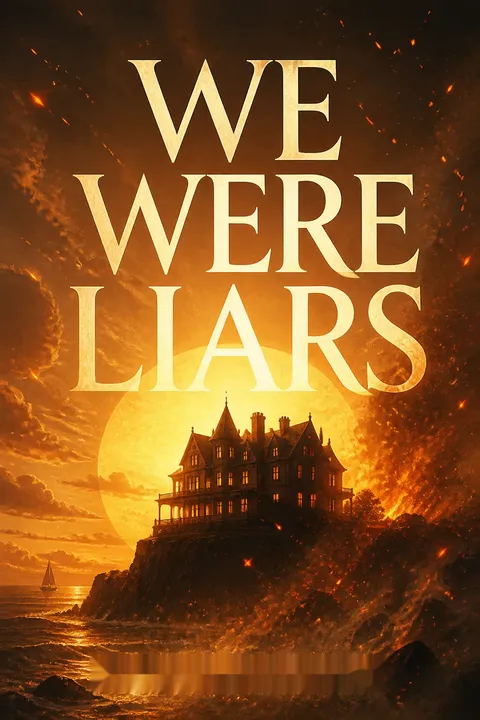
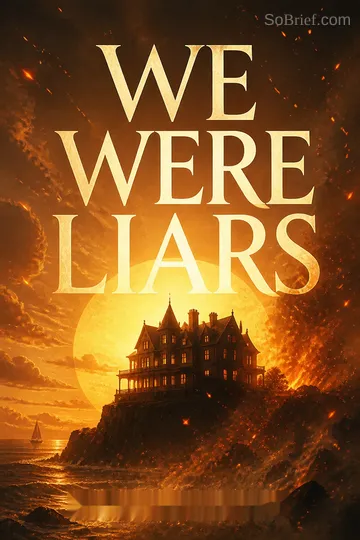
Cadence recuerda que los Mentirosos prendieron fuego a la casa principal de la familia, Clairmont, en un intento de destruir la fuente del conflicto familiar. El fuego se salió de control, provocando la muerte de Johnny, Mirren y Gat. Cadence se queda sola lidiando con la culpa y la pérdida de sus amigos más cercanos.
Fantasmas de Beechwood
A medida que Cadence asimila la verdad, recibe la visita de los fantasmas de Johnny, Mirren y Gat. Ellos la ayudan a comprender el impacto de sus acciones y la alientan a perdonarse a sí misma. A través de estos encuentros, Cadence aprende a aceptar su papel en la tragedia y comienza a sanar.
Sanación y perdón
Con el apoyo de su familia, Cadence comienza a reconstruir su vida. Reconoce el dolor y los errores del pasado, pero elige concentrarse en el futuro. Los Sinclair, aunque todavía con defectos, comienzan a reparar sus relaciones. Cadence acepta su identidad y las lecciones que ha aprendido, decidida a vivir una vida de bondad y autenticidad.
Analysis
Una exploración moderna del privilegio y la culpa"Éramos mentirosos" profundiza en las complejidades de la dinámica familiar, el privilegio y las consecuencias de una ambición desmedida. A través del viaje de Cadence, la novela examina temas como la identidad, el perdón y el poder de la verdad. La historia desafía a los lectores a reflexionar sobre el impacto de sus acciones y la importancia de la empatía y la comprensión. En última instancia, "Éramos mentirosos" es un conmovedor recordatorio de que la sanación y la redención son posibles, incluso ante una pérdida inimaginable.
Resumen de reseñas
Éramos mentirosos recibió críticas mixtas: algunos elogiaron su belleza evocadora y su astuto giro argumental, mientras que otros criticaron su estilo de escritura y sus personajes. Muchos lectores encontraron intrigantes la prosa fragmentada y el narrador poco confiable, aunque algunos lo consideraron pretencioso. La exploración que hace la historia sobre el privilegio, las dinámicas familiares y el trauma resonó en algunos, mientras que otros se sintieron desconectados de los personajes. La estrategia de marketing del libro de mantener la trama en secreto generó tanto entusiasmo como escepticismo. En general, los lectores se mostraron divididos sobre si el giro final era impactante o predecible.
También leyeron






Characters
Cadence Sinclair Eastman
Cadence es la protagonista, quien lucha contra la amnesia y las migrañas tras un misterioso accidente. Es introspectiva, inteligente y carga con el peso de las expectativas de su familia. Su viaje es uno de autodescubrimiento y sanación a medida que descubre la verdad sobre su pasado y aprende a perdonarse a sí misma.
Gatwick Matthew Patil
Gat es el interés amoroso de Cadence y un amigo cercano de los Mentirosos. Es reflexivo, apasionado y cuestiona los valores de la familia Sinclair. La presencia de Gat en la isla pone de relieve cuestiones de raza y clase, y su relación con Cadence es fundamental para el núcleo emocional de la historia.
Johnny Sinclair Dennis
Johnny es el primo de Cadence y uno de los Mentirosos. Es ingenioso, aventurero y a menudo actúa como el líder del grupo. La lealtad de Johnny hacia sus amigos y su deseo de liberarse de las expectativas familiares impulsan gran parte de la trama.
Mirren Sinclair Sheffield
Mirren es prima de Cadence y miembro de los Mentirosos. Es amable, imaginativa y lucha contra la presión de conformarse con los ideales de su familia. La vulnerabilidad de Mirren y su deseo de independencia la convierten en un personaje entrañable.
Penny Sinclair Eastman
Penny es la madre de Cadence, decidida a asegurar el futuro de su familia. Es manipuladora y a menudo presiona a Cadence para que cumpla con el legado Sinclair. La compleja relación de Penny con su hija es un elemento clave de la historia.
Harris Sinclair
Harris es el jefe de la familia Sinclair, cuya riqueza e influencia están disminuyendo. Es controlador y a menudo enfrenta a sus hijas entre sí. Las acciones y decisiones de Harris son fundamentales para la disfunción familiar.
Carrie Sinclair
Carrie es una de las tías de Cadence, quien lucha con su relación con Ed, el tío de Gat. Se debate entre las expectativas de su familia y sus propios deseos. El conflicto interno de Carrie refleja los temas más amplios de la historia.
Bess Sinclair
Bess es otra de las tías de Cadence, decidida a asegurar su parte de la fortuna familiar. Es competitiva y a menudo está en desacuerdo con sus hermanas. La ambición e inseguridad de Bess impulsan gran parte del drama familiar.
Ed Patil
Ed es la pareja de Carrie y el tío de Gat. Es comprensivo y cariñoso, pero su presencia en la isla resalta los prejuicios de la familia Sinclair. La relación de Ed con Carrie es una fuente de tensión dentro de la familia.
Tipper Sinclair
Tipper es la abuela fallecida de la familia Sinclair, cuya memoria pesa enormemente sobre la historia. Su muerte exacerba los conflictos familiares y prepara el escenario para los acontecimientos de la novela.
Plot Devices
Unreliable Narrator
La historia se cuenta desde la perspectiva de Cadence, y su amnesia crea una narrativa poco confiable. Este recurso genera suspenso y misterio a medida que los lectores arman el rompecabezas de la verdad junto a Cadence.
Flashbacks
El uso de flashbacks permite a los lectores descubrir gradualmente los acontecimientos de aquel fatídico verano. Estos vistazos al pasado proporcionan contexto y profundizan el impacto emocional de la historia.
Symbolism
El fuego simboliza la destrucción y la transformación, mientras que el agua representa la limpieza y la renovación. Estos elementos se entrelazan a lo largo de la narrativa, reflejando las luchas internas de los personajes y el viaje de la familia hacia la sanación.
Ghosts
Las apariciones de Johnny, Mirren y Gat como fantasmas sirven como metáfora de la culpa y el dolor de Cadence. Su presencia la ayuda a asimilar la tragedia y a encontrar un camino a seguir.
Preguntas frecuentes
Synopsis & Basic Details
What is We Were Liars about?
- Dysfunctional family secrets: The novel centers on the wealthy Sinclair family, who spend their summers on a private island, and the complex relationships between its members, particularly the cousins known as the Liars.
- Amnesia and mystery: The story follows Cadence, the eldest grandchild, as she tries to piece together the events of a traumatic summer that she can't remember, leading to a suspenseful and emotional journey.
- Love, loss, and betrayal: The narrative explores themes of love, loss, and betrayal, as Cadence uncovers the truth about her family and the tragic events that occurred during her fifteenth summer.
Why should I read We Were Liars?
- Twisting narrative: The book offers a compelling and suspenseful narrative with a shocking twist ending that will leave readers questioning everything they thought they knew.
- Emotional depth: It delves into complex themes of family, love, loss, and guilt, providing an emotionally resonant experience that will stay with readers long after they finish the book.
- Unique writing style: E. Lockhart's distinctive writing style, characterized by short, fragmented sentences and a lyrical tone, creates a captivating and immersive reading experience.
What is the background of We Were Liars?
- Wealth and privilege: The story is set against the backdrop of a wealthy, old-money family, highlighting the complexities and dysfunctions that can exist within such a privileged environment.
- Private island setting: The private island off the coast of Massachusetts serves as a microcosm of the family's insular world, where secrets and tensions simmer beneath the surface.
- Summer tradition: The annual summer gatherings on the island are a long-standing tradition for the Sinclairs, creating a sense of both nostalgia and unease as the story unfolds.
What are the most memorable quotes in We Were Liars?
- "Be normal now, she said. Right now, she said. Because you are. Because you can be.": This quote highlights the Sinclair family's emphasis on maintaining appearances and suppressing emotions, a key theme in the book.
- "The universe is seeming really huge right now. I need something to hold on to.": This quote reveals Gat's vulnerability and his search for meaning and connection, showcasing his emotional depth.
- "Always do what you are afraid to do.": This quote, written on Cadence's hands, encapsulates the Liars' rebellious spirit and their willingness to challenge societal norms, even when it leads to tragedy.
What writing style, narrative choices, and literary techniques does E. Lockhart use?
- Fragmented and lyrical prose: Lockhart employs a distinctive writing style characterized by short, often fragmented sentences, creating a sense of urgency and emotional intensity. The prose is also lyrical, with vivid imagery and sensory details.
- Unreliable narrator: The story is told from Cadence's perspective, but her amnesia and emotional state make her an unreliable narrator, adding to the mystery and suspense. This forces the reader to question what is real and what is not.
- Fairy tale allusions: Lockhart incorporates elements of fairy tales and folklore, using them to explore themes of family, power, and betrayal. This adds a layer of symbolism and depth to the narrative.
Hidden Details & Subtle Connections
What are some minor details that add significant meaning?
- The color of the roses: The beach roses that grow along the perimeter path are a recurring motif, and their color, deep pink, symbolizes the intense emotions and hidden passions of the characters.
- The names on hands: The act of writing names and book titles on the backs of hands foreshadows the Liars' desire to leave their mark on the world and their eventual tragic fate.
- The ivory statues: The ivory statues collected by Tipper Sinclair, particularly the goose, become symbols of the family's wealth and the destructive nature of their materialism.
What are some subtle foreshadowing and callbacks?
- The Cracker Jack story: Granddad's repeated telling of the Cracker Jack story foreshadows his controlling nature and his tendency to rewrite family history to suit his own narrative.
- Gat's "Heathcliff" comment: Gat's comparison of himself to Heathcliff from Wuthering Heights foreshadows his tragic fate and his sense of being an outsider within the Sinclair family.
- The "Shut up" phrase: The Liars' use of "Shut up" as a term of endearment and affection is a subtle callback to their close bond and their unique way of communicating.
What are some unexpected character connections?
- Mummy and Granddad's shared traits: Both Mummy and Granddad are revealed to be materialistic and controlling, highlighting the cyclical nature of their family's dysfunction.
- Gat and Ed's outsider status: Gat and his uncle, Ed, share a similar outsider status within the Sinclair family, highlighting the family's prejudices and their inability to accept those who are different.
- Mirren and Bess's shared desire for control: Both Mirren and her mother, Bess, are shown to have a desire for control, albeit in different ways, revealing a complex mother-daughter dynamic.
Who are the most significant supporting characters?
- The Aunts (Penny, Carrie, Bess): The aunts' constant bickering and competition for their father's favor highlight the toxic family dynamics and the destructive nature of their greed.
- Ed Patil: As Carrie's partner and Gat's uncle, Ed's presence on the island challenges the Sinclair family's prejudices and provides a contrasting perspective on their values.
- The Littles (Will, Taft, Liberty, Bonnie): The younger cousins, though seemingly minor characters, serve as a reminder of the family's future and the potential for change, as well as the cycle of dysfunction.
Psychological, Emotional, & Relational Analysis
What are some unspoken motivations of the characters?
- Granddad's need for control: Granddad's actions are driven by a need to maintain control over his family and his legacy, stemming from his grief over Tipper's death and his fear of losing his power.
- Mummy's desire for security: Mummy's actions are motivated by a desire to secure her family's financial future and maintain her place within the Sinclair family, leading her to manipulate Cadence.
- Gat's struggle with identity: Gat's actions are driven by his struggle to reconcile his identity as an outsider with his love for Cadence and his desire to be accepted by the Sinclair family.
What psychological complexities do the characters exhibit?
- Cadence's self-destructive tendencies: Cadence exhibits self-destructive tendencies, such as giving away her possessions and engaging in risky behavior, as a way of coping with her guilt and grief.
- Mirren's need for validation: Mirren's lies about her love life and her desire to be seen as special reveal her deep-seated insecurities and her need for validation.
- Johnny's performative rebellion: Johnny's rebellious acts, such as his refusal to engage with the family's expectations, are often performative, masking his own insecurities and his desire for acceptance.
What are the major emotional turning points?
- Cadence's realization of the fire: The moment Cadence remembers the Liars' role in setting the fire is a major emotional turning point, as she is forced to confront the devastating consequences of their actions.
- Gat's confession of his feelings: Gat's confession of his love for Cadence and his guilt over his past actions is a major emotional turning point, revealing his vulnerability and his internal conflict.
- Mirren's admission of her lies: Mirren's admission that she lied about her boyfriend and her feelings for Gat is a major emotional turning point, highlighting her own struggles with identity and acceptance.
How do relationship dynamics evolve?
- The Liars' bond: The Liars' bond is tested by the events of the summer, but their shared history and deep connection ultimately allow them to find a way to forgive each other and themselves.
- Cadence and Mummy's relationship: Cadence and Mummy's relationship evolves from one of control and manipulation to one of tentative understanding and acceptance, as they both grapple with the tragedy.
- The Aunts' relationships: The aunts' relationships shift from competition and resentment to a fragile sense of empathy and shared grief, as they are forced to confront the consequences of their actions.
Interpretation & Debate
Which parts of the story remain ambiguous or open-ended?
- The exact nature of the accident: While the fire is revealed as the cause of the Liars' deaths, the exact details of what happened to Cadence on the tiny beach remain somewhat ambiguous, leaving room for interpretation.
- The extent of Granddad's awareness: The extent to which Granddad is aware of the Liars' actions and his own role in the tragedy is left open to interpretation, raising questions about his culpability.
- The possibility of healing: While the ending suggests a path toward healing, the extent to which the characters will be able to fully recover from the tragedy is left open-ended, leaving readers to ponder the long-term consequences of their actions.
What are some debatable, controversial scenes or moments in We Were Liars?
- The Liars' decision to set the fire: The Liars' decision to set fire to Clairmont is a controversial moment, raising questions about the morality of their actions and the extent to which they are responsible for the tragedy.
- The adults' behavior: The adults' behavior, particularly their greed and manipulation, is a source of debate, raising questions about the extent to which they are responsible for the events that unfold.
- Cadence's reliability as a narrator: Cadence's reliability as a narrator is a source of debate, as her amnesia and emotional state make it difficult to determine the truth of her memories and perceptions.
We Were Liars Ending Explained: How It Ends & What It Means
- Cadence's acceptance: The ending sees Cadence accepting her role in the tragedy and acknowledging the loss of her friends, but also finding a path forward by embracing her identity and the lessons she has learned.
- The Liars' presence as ghosts: The Liars' presence as ghosts serves as a metaphor for Cadence's guilt and grief, but also as a reminder of the enduring power of their bond and their influence on her life.
- A bittersweet resolution: The ending is bittersweet, acknowledging the pain and loss of the past while also offering a glimmer of hope for the future, suggesting that healing and redemption are possible, even in the face of unimaginable tragedy.
Mentirosos Serie
Sobre el autor

Descargar PDF
Descargar EPUB
.epub digital book format is ideal for reading ebooks on phones, tablets, and e-readers.








































