

Key Takeaways
1. Human and veterinary medicine must unite to heal shared biological vulnerabilities
Between animal and human medicine there is no dividing line—nor should there be.
The species barrier. For over a century, human and veterinary medicine have operated on divided, parallel paths due to urbanization and professional snobbery. However, humans share the vast majority of their genetic code with other animals, making us vulnerable to the same physical and mental illnesses. By ignoring veterinary insights, human doctors miss critical diagnostic and therapeutic breakthroughs.
The Zoobiquity movement. This species-spanning approach, termed "zoobiquity," merges veterinary, human, and evolutionary medicine to solve clinical puzzles. When physicians and veterinarians collaborate, they uncover natural animal models of human diseases that occur spontaneously in the wild or in our homes.
- Cardiologists learning from veterinarians about capture myopathy
- Oncologists studying naturally occurring cancers in pet dogs
- Psychiatrists comparing human OCD to animal stereotypies
A unified biology. Ultimately, clinical medicine must look beyond a single-species focus to embrace our shared evolutionary heritage. Under the microscope, damaged cells from a monkey, a dog, or a human are virtually indistinguishable. Healing human patients requires us to recognize that we are, first and foremost, animals.
2. Fainting is an ancient evolutionary defense mechanism for survival
It’s not just fight or flight. It’s fight, flight, or faint.
The vagal response. Emotionally triggered fainting, or vasovagal syncope, is often dismissed as a sign of weakness or cowardice. In reality, it is a highly preserved autonomic reflex controlled by the parasympathetic nervous system. When faced with extreme fear or trauma, the heart rate and blood pressure plunge, temporarily shutting down the system.
Evolutionary advantages. This "alarm bradycardia" provides several distinct survival benefits for prey animals facing predators. By slowing the heart and freezing the body, an animal can effectively disappear from a predator's sensory radar.
- Feigning death to trick predators who prefer live prey
- Reducing blood loss from wounds by lowering blood pressure
- Achieving "acoustic invisibility" from heartbeat-detecting predators
Preserved neurocircuitry. This defense mechanism is so deeply embedded in our biology that even unborn human fetuses display alarm bradycardia in response to threatening sounds. From freshwater fish to pregnant women, the fainting reflex remains a powerful, last-resort survival strategy. It is the body's way of flipping a circuit breaker when fighting is futile and fleeing is impossible.
3. Cancer is a natural, ancient inevitability of cellular replication across species
“Jurassic cancer” demonstrates that while we humans may have coined the term “cancer,” we certainly didn’t create the condition.
An ancient affliction. Many people view cancer as a modern, man-made disease caused by industrial pollutants and lifestyle choices. However, paleopathologists have discovered malignant tumors in fossilized dinosaur bones dating back hundreds of millions of years. Cancer is a statistical inevitability of multicellular life, arising whenever cells divide and DNA replicates.
Comparative oncology. Studying cancer across different species reveals fascinating biological patterns that can inform human treatments. For instance, large animals like blue whales rarely get cancer despite having trillions of cells, a phenomenon known as Peto's paradox.
- Jaguars carrying the BRCA1 mutation linked to breast cancer
- Large dog breeds suffering from osteosarcoma similar to human teenagers
- Dairy cows showing near-total immunity to mammary tumors due to lactation
Beyond the mouse. While laboratory mice are traditionally used for cancer research, pet dogs provide a far superior model for studying naturally occurring tumors. Companion animals share our homes, environments, and intact immune systems, making their cancers biologically identical to ours. Cross-species collaboration has already pioneered limb-sparing surgeries and melanoma vaccines that benefit both dogs and humans.
4. Animal sexuality reveals that sexual pleasure and dysfunction have deep evolutionary roots
“The most elementary functions of the hypothalamus, such as the female’s ovulation or the male’s erection and ejaculation work quite similarly … proved true from ‘fish to philosopher,’ from ‘mouse to Madonna.’ ”
Biomechanical engineering. The male penile erection is a sophisticated hydraulic system that has evolved over 400 million years. While some mammals rely on a physical bone (baculum) for stiffness, humans and horses use purely blood-driven, inflatable systems. This complex process requires precise coordination between the nervous system, nitric oxide release, and smooth muscle relaxation.
Evolutionary purpose of dysfunction. Sexual dysfunctions like erectile dysfunction (ED) and premature ejaculation (PE) are often pathologized in modern medicine. However, these conditions are rooted in highly adaptive survival strategies shared across the animal kingdom.
- ED as a protective response to social stress or predator vigilance
- PE as a "speedy mating" strategy to minimize vulnerability to predators
- Female nonreceptivity (HSDD) as a normal, non-ovulatory state
The pleasure reward. Orgasm and sexual pleasure are not uniquely human experiences; they are highly conserved evolutionary baits designed to encourage reproduction. The muscular contractions and neurochemical floods of climax are shared by species ranging from salmon to stallions. Understanding these shared biological roots can help destigmatize and better treat human sexual disorders.
5. Substance addiction hijacks the ancient neurochemical reward systems designed for survival
“Drugs of abuse create a signal in the brain that indicates, falsely, the arrival of a huge fitness benefit.”
The universal drive. Humans are not the only animals that seek out mind-altering substances. In the wild, wallabies gorge on opium poppies, bighorn sheep scrape psychoactive lichen off rocks, and fruit flies seek out fermented, alcoholic nectar. This universal drive to get high suggests that our brains possess highly conserved chemical doorways designed for these substances.
The internal lockbox. Our brains are equipped with an internal drug-dispensing system that doles out natural narcotics like dopamine and endorphins. These chemicals are released to reward behaviors that promote evolutionary fitness, such as foraging, mating, and social bonding.
- Dopamine driving the anticipation of food and resources
- Opioids regulating social attachment and maternal bonding
- Endorphins relieving physical and emotional pain
The shortcut to reward. Addictive substances hijack this system by flooding the brain with reward chemicals without requiring the actual work of survival. The brain is tricked into believing it has achieved a massive survival benefit, leading to the compulsive, self-destructive behaviors of addiction. Recognizing this shared biology helps shift the view of addiction from a moral failing to a chronic brain disease.
6. Extreme fear and physical restraint can trigger fatal cardiac events across species
More Israelis may have died from the physiology of panic and dread than from actual Scud impacts.
The brain-heart connection. Extreme emotional stress can trigger catastrophic physical changes in the heart, a phenomenon known in humans as takotsubo (broken-heart) syndrome. In animals, veterinarians have long recognized this as capture myopathy, where the terror of being chased or restrained poisons the muscles with adrenaline. Both conditions represent a fatal short-circuiting of the autonomic nervous system.
FRADE defined. To unify these cross-species phenomena, we propose the term FRADE: fear/restraint-associated death events. This acronym describes how the perception of inescapable danger or physical confinement triggers a lethal catecholamine surge.
- Wild animals dying silently in the hands of researchers
- Human heart attack rates spiking during earthquakes and wars
- Swaddled infants sleeping facedown suffering from SIDS
The danger of restraint. Physical and chemical restraints, while often necessary for safety, carry inherent cardiac risks that are frequently overlooked in human medicine. By adopting veterinary protocols that prioritize calmness, quiet, and minimal handling, human doctors can better protect vulnerable patients. Understanding FRADE reminds us that our survival systems are calibrated to overreact, sometimes with fatal consequences.
7. Obesity is an environmental disease driven by evolutionary mismatch and the microbiome
“We’re all hardwired to consume resources in excess of daily requirements. I can’t think of a species that doesn’t.”
The eternal harvest. Modern humans live in an artificial environment of constant food abundance, a state we call the "eternal harvest." Because our ancestors evolved to survive frequent famines, our biology is hardwired to gorge on sugar, fat, and salt whenever they are available. This evolutionary mismatch is the primary driver of the global obesity epidemic.
The microscopic universe. Our weight is also heavily influenced by the trillions of microbes living in our intestines, known as the microbiome. Certain gut bacteria are highly efficient at extracting extra calories from the food we eat, meaning two individuals can eat the same meal but absorb vastly different amounts of energy.
- Firmicutes bacteria dominating the guts of obese individuals
- Antibiotics used in farming to fatten livestock by altering gut flora
- Circadian rhythm disruptions altering metabolism and promoting weight gain
Infectious obesity. Intriguingly, research in animals suggests that some obesity may even have an infectious origin, a concept called "infectobesity." For example, wild dragonflies infected with a gut parasite develop a metabolic syndrome identical to human type 2 diabetes. To combat obesity, we must look beyond simple calorie counting and address these complex environmental, microbial, and circadian factors.
8. Compulsive self-injury is an evolutionary misfiring of the self-soothing grooming instinct
If we accept that this behavior is on the same spectrum as less destructive forms of grooming, as my veterinarian colleagues would suggest, then self-mutilation is truly grooming gone wild.
The grooming spectrum. Grooming is a vital, highly conserved behavior that keeps animals clean, reduces parasites, and promotes social bonding. In both humans and animals, the repetitive tactile stimulation of grooming releases calming endorphins and slows the heart rate. However, when stressed, isolated, or bored, this self-soothing instinct can escalate into compulsive self-injury.
Cross-species self-harm. Veterinarians frequently treat animals that compulsively mutilate themselves, displaying behaviors that mirror human cutting and hair pulling. These stereotypies are often triggered by the same psychological stressors that affect human self-injurers.
- Birds plucking out their own feathers (feather-picking disorder)
- Dogs obsessively chewing their limbs (acral lick dermatitis)
- Horses violently biting their own flanks (flank biting)
The relief loop. Self-injury provides a powerful neurochemical release of endorphins that temporarily relieves emotional pain and anxiety. To treat this behavior, veterinarians and therapists use environmental enrichment and social companionship to reduce stress and boredom. By reframing self-harm as grooming gone wild, we can develop more compassionate and effective distraction-based therapies.
9. Sexually transmitted infections shape host behavior and drive genetic diversity
Sexually acquired infection can spur some animals into assertive sex-seeking behaviors.
The microbial puppeteers. Pathogens are constantly evolving to maximize their transmission, and sexually transmitted diseases (STDs) are particularly adept at manipulating their hosts. Some STDs alter the behavior or physical appearance of animals to make them more sexually active or attractive to potential mates. This microbial manipulation ensures the pathogen's survival at the expense of the host.
Cross-species transmission. STDs are rampant across the animal kingdom, affecting everything from koalas and dolphins to ladybugs and flowering plants. Because these pathogens can easily mutate and jump species barriers, animal STDs pose a constant threat to human public health.
- Koalas suffering from a devastating epidemic of chlamydia
- HIV originating from SIV in chimpanzees via the bushmeat trade
- Fungi forcing plants to produce larger, more attractive flowers to lure pollinators
The evolutionary shield. While STDs are a major source of illness and death, they also highlight the evolutionary necessity of sex. Sexual reproduction shuffles genetic material, creating unique individuals with varying resistance to infections. Without the genetic diversity driven by sex, a single pathogen could easily wipe out an entire cloned population.
10. Adolescence is a universal, high-risk transition defined by four core survival skills
The quest for maturity through experience is the universal purpose of adolescence in nature.
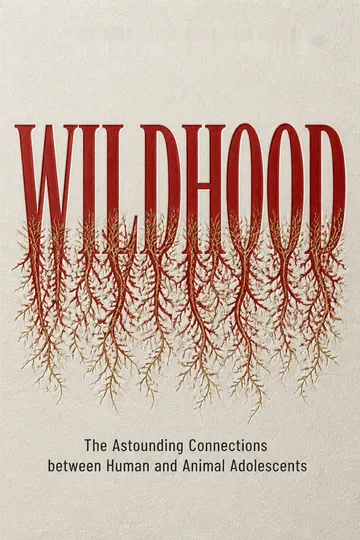
The wildhood transition. Adolescence, or "wildhood," is a distinct, high-risk phase of life shared by all animals transitioning from dependent children to self-reliant adults. During this period, the brain undergoes massive remodeling, lowering the fear threshold and driving sensation-seeking behaviors. This temporary increase in impulsivity is not a pathology, but an evolutionary necessity to motivate young animals to leave the safety of the nest.
The four core skills. To survive and successfully transition to adulthood, every adolescent animal must master four fundamental life skills. These skills are tested in the high-stakes environment of the wild, where mistakes can be fatal.
- Staying safe: Learning to recognize and evade predators
- Navigating social hierarchies: Finding a place within a peer group
- Communicating sexually: Mastering the rules of attraction and courtship
- Leaving the nest: Developing self-reliance and the ability to forage
The peer group. Adolescent animals often form "bachelor groups" or peer cohorts to practice these skills in a relatively safe environment. While peer groups provide protection, they also introduce the dangers of peer pressure, bullying, and social exclusion. By recognizing that human teenage behaviors are rooted in these ancient survival challenges, parents and educators can better guide youth through their own wildhood.
Review Summary
Reviews for Zoobiquity are largely positive, averaging 4.12/5 across 3,479 ratings. Many readers praise the book's engaging writing style, fascinating cross-species medical comparisons, and its compelling argument for collaboration between physicians and veterinarians. Veterinary professionals particularly appreciate the "one health" philosophy, noting it reflects their long-held approach. Critics cite oversimplification, repetitiveness, and unnecessary dumbing-down of content as weaknesses. Several readers wished for greater scientific depth, while others found it an accessible, eye-opening read suitable for anyone interested in medicine, animals, or public health.
People Also Read






About the Author
Other books by Barbara Natterson-Horowitz
Download PDF
Download EPUB
.epub digital book format is ideal for reading ebooks on phones, tablets, and e-readers.








































