
Plot Summary
Storm, Strangers, and Secrets
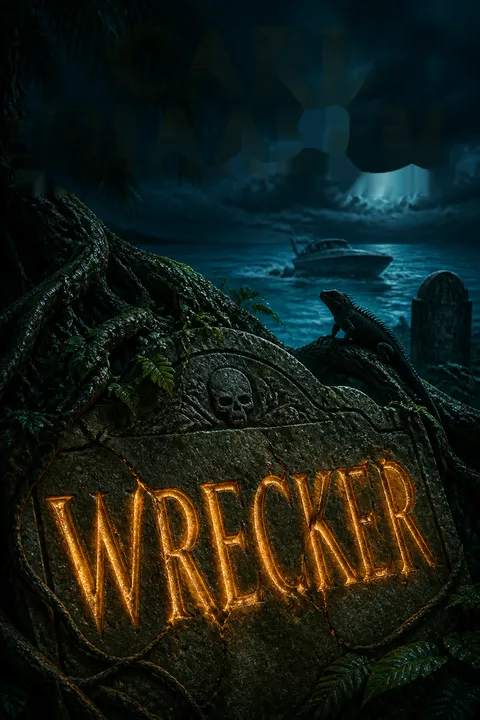
Fifteen-year-old Valdez "Wrecker" Jones VIII, a seventh-generation Conch, is fishing alone off Key West when he witnesses a flashy speedboat run aground. The three men aboard, led by the intimidating Silver Mustache, try to bribe Wrecker into towing them off the flats. He refuses, but they force cash on him and warn him to forget the encounter. Wrecker senses something criminal beneath their desperation and secrecy. He hides the money, lies about his name, and returns home unsettled. This moment marks the start of his entanglement with dangerous men and sets the tone for a summer where the boundaries between right and wrong, past and present, will blur. The stormy sea and the strangers' threats foreshadow the trouble that will soon engulf Wrecker's world.
Graveyard Jobs and Ghosts
Wrecker supplements his income by cleaning iguana and chicken droppings from gravestones in the old Key West cemetery, especially the marker of Sarah Chillingwood, paid for by her grieving brother, Mr. Riley. The graveyard is a place of both business and mystery for Wrecker, who feels at home among the dead. One night, he encounters a weeping girl singing in Spanish at the grave of Manuel Cabeza, a lynching victim from 1921. The girl's grief and haunting song unsettle him, blurring the line between the living and the dead. Wrecker's secret job, the strange girl, and the island's history of loss and injustice begin to intertwine, hinting at deeper connections and unresolved pain that will shape his journey.
Family Tides and Island History
Wrecker's family history is a tapestry of shipwreck salvagers, rumrunners, and dreamers. His absent father, Valdez Jones VII, left to chase country music stardom, while his mother, Carole, is preoccupied with cosmetic surgery and her new husband, Roger. Wrecker lives with his stepsister Suzanne, a wheelchair-using activist fighting cruise ship pollution. The island's past—its hurricanes, shipwrecks, and racial violence—haunts Wrecker, especially the story of Manuel Cabeza, whose murder by the Klan is a wound in Key West's memory. Wrecker's sense of identity is shaped by these legacies, and his loneliness is deepened by the pandemic's isolation and his family's emotional distance. The tides of history and family loss pull at him, fueling his need for connection and meaning.
The Girl Who Sings
Wrecker becomes obsessed with the black-haired girl who mourns at Manuel Cabeza's grave. He searches the cemetery for clues, finding only chewed flower stems and candle wax. The girl's presence is a puzzle—her grief seems personal, yet she's too young to have known Cabeza. Wrecker's curiosity grows into a need to understand her pain and her connection to the island's history. Meanwhile, he navigates the complexities of his blended family, his stepsister's activism, and his own sense of not belonging. The girl's song, echoing through the graveyard, becomes a symbol of the island's buried sorrows and the secrets that bind its people across generations.
Smugglers, Money, and Mysteries
Wrecker's encounter with Silver Mustache deepens as he's drawn into the smuggler's orbit. The cash he received becomes a source of guilt and anxiety, especially as he realizes it was meant to buy his silence. He tries to do good by donating the money to his stepsister's environmental cause, but the sense of being watched and manipulated lingers. Wrecker's graveyard job expands when Silver Mustache pays him to watch over a new tomb, that of Bendito Vachs, supposedly a COVID victim. The arrangement feels like a trap, and Wrecker is torn between fear, curiosity, and the need to protect himself and those he cares about. The island's criminal underbelly and its history of smuggling begin to close in around him.
The Legend of Manuel Cabeza
Wrecker researches the true story of Manuel Cabeza, a decorated World War I veteran lynched by the Klan for loving a mixed-race woman, Angela. The brutality of Cabeza's murder and the complicity of local authorities shock Wrecker, who sees echoes of this violence in the present. The cemetery becomes a place where the past refuses to stay buried, and Wrecker feels the weight of history pressing on his own life. The girl's mourning at Cabeza's grave takes on new significance, and Wrecker is haunted by questions of justice, memory, and the possibility of healing old wounds. The island's beauty is shadowed by its secrets, and Wrecker is determined to uncover the truth.
Friends, Foes, and Fears
Wrecker reconnects with Willi, a sharp, funny girl from school who's hiding her own pain. Their friendship deepens as they share secrets and navigate the dangers of the island together. Willi's presence is a balm for Wrecker's loneliness, but also a source of new risks, as she becomes entangled in his graveyard adventures and the smuggler's schemes. The threat from Silver Mustache grows more menacing, as Wrecker realizes the smuggler knows personal details about his life and family. The boundaries between friend and foe blur, and Wrecker must decide whom to trust as the stakes rise and the island's shadows lengthen.
The Sinking of the Go-Fast
Wrecker and Willi stumble upon the wreck of Silver Mustache's speedboat, sunk after a collision with a channel marker. Diving into the wreck, Wrecker retrieves blue-wrapped packages, which he and Willi fear are drugs. Instead, they discover the packages contain thousands of blank CDC vaccination cards—evidence of a smuggling operation exploiting the pandemic. The find puts them in grave danger, as Silver Mustache and his crew search for the missing cargo. Wrecker and Willi must hide the evidence, outwit the smugglers, and decide whether to go to the authorities, all while navigating their own growing feelings and the moral complexities of their situation.
Salvage, Schemes, and Suspicion
Wrecker and Willi hide the fake vax cards, using them as leverage against Silver Mustache. The smuggler grows suspicious, testing Wrecker's loyalty and threatening his family. Wrecker is forced to lie, inventing stories about shrimpers and lost cargo to buy time. The tension mounts as grave robbers attempt to break into Bendito Vachs's tomb, revealing it to be a cash stash for the smuggling ring. Wrecker's double life becomes increasingly precarious, as he balances his obligations to his family, his friendship with Willi, and his own survival. The island's history of wrecking and salvage becomes a metaphor for Wrecker's attempts to salvage his own future from the wreckage of the past.
The Pizza Box Revelation
Willi's detective work reveals that Bendito Vachs never existed, and the tomb is a front for laundering smuggled cash. The pizza boxes from the sunken speedboat are filled with counterfeit vax cards, destined for the black market. Wrecker and Willi's discovery puts them in the crosshairs of both the smugglers and the law. They must decide whether to turn over the evidence, risking retaliation, or keep running. The revelation forces Wrecker to confront the reality of the criminal world he's become part of, and the cost of doing the right thing in a place where justice is often elusive.
Blackmail and Betrayal
Silver Mustache tightens his grip on Wrecker, blackmailing him into driving the new go-fast for a final smuggling run. Wrecker is trapped, unable to go to the police without implicating himself and endangering his family. The smuggler's threats become more explicit, and Wrecker realizes that betrayal is inevitable—either of the smuggler, his own values, or both. Willi's loyalty and resourcefulness become crucial as they plot to outmaneuver Silver Mustache. The tension between survival and integrity reaches a breaking point, and Wrecker must risk everything to escape the smuggler's net.
Ghosts of the Past
Wrecker learns that Willi's great-great-grandfather was one of the Klansmen who lynched Manuel Cabeza. Willi is haunted by inherited guilt, visiting Cabeza's grave in secret and singing to atone for her ancestor's crime. Wrecker, too, is burdened by the weight of history—his family's legacy of wrecking, smuggling, and survival. Together, they confront the island's ghosts, seeking forgiveness and understanding. Their friendship becomes a space for healing, as they acknowledge the pain of the past and the possibility of change. The graveyard, once a place of fear and secrecy, becomes a site of reconciliation and hope.
The Smuggler's Trap
Silver Mustache forces Wrecker to pilot the last smuggling run, with Willi secretly aiding from the shadows. The plan is risky: Wrecker deliberately grounds the speedboat on a tidal flat, stranding the smuggler and his cargo. Willi, posing as a helpful stranger, helps Wrecker escape, while the Coast Guard, tipped off by an anonymous call, closes in. The smuggler's rage erupts in gunfire, but Wrecker and Willi escape unharmed. The trap is sprung, and the smuggler's empire unravels as law enforcement seizes the counterfeit cards and cash. Wrecker's gamble pays off, but not without cost—he is forever changed by the danger, betrayal, and courage required to break free.
Allies, Losses, and Goodbyes
The smuggling ring collapses, with Silver Mustache and his crew arrested and their fortune seized. Wrecker and Willi, though safe, must process the trauma and loss of innocence. Wrecker's family faces changes—his mother and stepfather move away, leaving him with Suzanne, who remains a steadfast ally. The graveyard's ghosts are laid to rest: Sarah Chillingwood's remains are returned to Ireland, and Willi decides to stop mourning at Cabeza's grave, choosing to live in the present. The island's wounds are not fully healed, but there is hope in the possibility of forgiveness and new beginnings.
The Last Run
Wrecker and Willi's final confrontation with the past and the smuggler's legacy brings closure. They visit the graves of Cabeza and other forgotten islanders, honoring their stories and choosing to move forward. Wrecker's father returns, humbled and changed, seeking reconciliation. The island's cycles of loss and renewal continue, but Wrecker is no longer adrift—he has found purpose, friendship, and a sense of belonging. The lessons of the summer—about courage, justice, and the power of memory—shape his path as he steps into a future of his own making.
The Flotilla and the Fall
Suzanne leads a flotilla protest against the return of cruise ships, with Wrecker and Willi among the demonstrators. The island unites in defense of its reefs and way of life, even as outside forces threaten to overwhelm them. The protest is both a victory and a reminder of the ongoing struggle for justice and preservation. Wrecker's role in exposing the smuggling ring remains a secret, but his sense of agency and responsibility is transformed. The fall of Silver Mustache is mirrored by the community's resilience, and Wrecker finds strength in solidarity and hope.
Justice, Forgiveness, and Freedom
With the smuggler defeated and the past confronted, Wrecker and Willi embrace the possibility of forgiveness—for themselves, their families, and the island. They let go of guilt and fear, choosing to honor the dead by living fully in the present. The graveyard, once a place of secrets and sorrow, becomes a symbol of resilience and renewal. Wrecker's journey from isolation to connection, from fear to courage, is complete. The story ends with the promise of new adventures, love, and the enduring spirit of Key West.
New Beginnings Under the Iguana Tree
Wrecker and Willi, now partners in life and adventure, look to the future with hope. The island's history remains a part of them, but no longer defines them. They find joy in small moments—fishing, diving, and simply being together under the watchful gaze of the old iguana. The lessons of the summer—about justice, memory, and the power of choice—guide them as they step into a world where the past is honored but not a prison. The story closes with laughter, love, and the promise of new beginnings beneath the sun and storms of Key West.
Analysis
Carl Hiaasen's Wrecker is a vibrant, suspenseful coming-of-age novel that uses the sun-soaked, storm-battered setting of Key West to explore themes of justice, memory, and the possibility of redemption. Through the intertwined stories of Wrecker and Willi—descendants of both the island's heroes and its villains—the novel confronts the legacy of violence, racism, and environmental destruction that haunts the present. The graveyard, with its ghosts and secrets, becomes a powerful symbol of the need to reckon with the past in order to build a better future. Hiaasen's sharp wit and keen sense of place ground the story in the realities of modern life—pandemic anxieties, family fractures, and the lure of easy money—while never losing sight of the hope that comes from courage, friendship, and the willingness to do what's right. Wrecker is ultimately a story about the power of choice: to forgive, to resist, and to begin again, even when the tides of history seem insurmountable. It is a testament to the resilience of both individuals and communities, and a call to honor the past without being bound by it.
Review Summary
Wrecker by Carl Hiaasen follows 15-year-old Valdez Jones VIII in COVID-era Key West as he becomes entangled with smugglers while working odd jobs, including cleaning tombstones. Reviews are polarized: supporters praise the environmental themes, Key West setting, historical elements about racism and the KKK, and adventure story. Critics object strongly to COVID-19 content, particularly vaccine discussions they view as preachy or political for middle-grade fiction. Many note Hiaasen's characteristic humor and Florida fauna knowledge, though some find multiple plotlines overcomplicated. The book divides readers based on their tolerance for pandemic-era storytelling in youth literature.
People Also Read
Characters
Valdez "Wrecker" Jones VIII
Wrecker is a fifteen-year-old Key West native, descended from a long line of shipwreck salvagers and rumrunners. Abandoned by his father and emotionally distant from his mother, he finds solace in the sea and the island's history. Wrecker is introspective, loyal, and driven by a strong moral compass, though he is often unsure of his place in the world. His graveyard job and encounters with the smuggler Silver Mustache force him to confront danger, ethical dilemmas, and the weight of the past. Over the course of the story, Wrecker grows from a lonely, uncertain boy into a courageous young man who learns to trust, forgive, and fight for what matters.
Willi Brown
Willi is Wrecker's friend and eventual partner, a sharp-witted, athletic girl with a hidden burden: her great-great-grandfather was one of the Klansmen who lynched Manuel Cabeza. Willi is haunted by inherited guilt and seeks atonement by mourning at Cabeza's grave, singing in secret. She is fiercely independent, resourceful, and unafraid to challenge Wrecker or the world. Willi's journey is one of self-acceptance and forgiveness, as she learns to let go of the past and embrace the possibility of change. Her relationship with Wrecker is a source of healing and hope for both.
Silver Mustache (Marco David Quantraine)
Silver Mustache is the leader of the smuggling ring, a master manipulator who uses charm, threats, and violence to control those around him. He is both a product and exploiter of Key West's history of lawlessness, running a counterfeit vaccine card operation during the pandemic. Silver Mustache is cunning, ruthless, and ultimately undone by his own arrogance and underestimation of Wrecker and Willi. His relationship with Wrecker is a twisted dance of mentorship, blackmail, and betrayal, serving as a dark mirror to Wrecker's own struggles with legacy and choice.
Suzanne
Suzanne is Wrecker's stepsister, a wheelchair-using activist who fights to protect Key West's reefs from cruise ship pollution. She is practical, nurturing, and unafraid to speak her mind. Suzanne provides Wrecker with stability, support, and a sense of home, even as she battles her own frustrations and disappointments. Her activism and courage inspire Wrecker, and her unwavering loyalty is a touchstone throughout his journey. Suzanne's presence grounds the story in the realities of community, family, and the ongoing struggle for justice.
Carole Dungler
Wrecker's mother, Carole, is preoccupied with her appearance and social status, cycling through cosmetic surgeries and marriages. She is loving in her own way but unable to connect deeply with Wrecker, often prioritizing her own needs and anxieties. Carole's choices reflect the pressures and contradictions of modern life, and her journey is one of gradual acceptance and letting go. Her relationship with Wrecker is strained but not irreparable, and her eventual move away from Key West marks a turning point in both their lives.
Roger Dungler
Roger is Wrecker's stepfather, a golf-obsessed retiree who struggles to connect with his stepson. He is practical, conservative, and sometimes out of touch, but genuinely cares for Wrecker and Suzanne. Roger's battle with COVID and its aftermath humanizes him, and his willingness to let Wrecker find his own path is an act of quiet love. Roger represents the challenges and rewards of blended families, and his presence is a reminder of the importance of patience and understanding.
Valdez Jones VII (Austin Breakwater)
Wrecker's father, Valdez Seven, is a failed musician who abandoned his family to chase stardom. He is charming, self-absorbed, and perpetually reinventing himself, often at the expense of those who love him. His return to Key West is marked by disappointment and a desire for redemption. Through awkward reunions and failed performances, Valdez Seven comes to terms with his limitations and the consequences of his choices. His relationship with Wrecker is fraught but ultimately hopeful, as both seek forgiveness and a new beginning.
Mr. Riley
Mr. Riley is the elderly brother of Sarah Chillingwood, who pays Wrecker to care for her grave. He is haunted by loss and regret, having witnessed his sister's suicide and the betrayal that led to it. Mr. Riley's stories and grief connect Wrecker to the island's past and the universal pain of love and loss. His eventual death and the return of Sarah's remains to Ireland provide closure and a sense of peace, reminding Wrecker of the importance of memory and compassion.
Manuel Cabeza
Though long dead, Manuel Cabeza's story is central to the novel's emotional arc. A war hero and tavern owner, Cabeza was lynched by the Klan for loving a mixed-race woman. His grave becomes a site of mourning, protest, and reconciliation, drawing Wrecker and Willi into a confrontation with the island's history of violence and injustice. Cabeza's legacy is one of courage, tragedy, and the enduring need for justice and remembrance.
Willi's Great-Great-Grandfather (Swanson Paul)
Swanson Paul, though never seen, casts a long shadow over Willi's life. As one of the Klansmen who lynched Cabeza, his actions haunt his descendants and symbolize the island's unresolved history of racism and violence. Willi's struggle to come to terms with his legacy is a powerful exploration of inherited guilt, responsibility, and the possibility of forgiveness. Swanson Paul's story is a reminder that the past is never truly past, and that healing requires both remembrance and change.
Plot Devices
Intertwined Histories and Generational Trauma
The novel's structure weaves together the personal histories of Wrecker, Willi, and the island itself, using family legacies, historical research, and graveyard rituals to explore how trauma and injustice echo across generations. The story of Manuel Cabeza's lynching is a central motif, connecting the characters' struggles with identity, guilt, and forgiveness. The graveyard serves as both a literal and symbolic space where the living confront the dead, and where healing becomes possible. This device allows the narrative to explore themes of memory, justice, and the possibility of change, grounding the characters' personal journeys in the broader context of Key West's history.
Dual Narratives of Crime and Redemption
The novel balances the high-stakes world of smuggling—counterfeit vaccine cards, hidden cash, and dangerous alliances—with the quieter, more intimate story of Wrecker and Willi's search for meaning and redemption. The two narratives intersect in the graveyard, where secrets are buried and uncovered, and in the final confrontation with Silver Mustache. Foreshadowing, misdirection, and the gradual revelation of hidden motives create tension and propel the plot forward. The use of plot twists—such as the true contents of the pizza boxes and the identity of Willi's ancestor—keeps the reader engaged and underscores the novel's themes of deception, courage, and the complexity of right and wrong.
Symbolism and Motifs
Recurring symbols—the stormy sea, the graveyard, the iguana tree, and the sunken wrecks—reflect the characters' internal battles and the island's cycles of destruction and rebirth. The act of "wrecking," both as salvage and as metaphor for confronting the past, is central to Wrecker's journey. The graveyard is a place of both danger and healing, where the boundaries between life and death, guilt and forgiveness, are blurred. The motifs of storms and tides mirror the characters' emotional turbulence and the possibility of renewal. These devices enrich the narrative, providing layers of meaning and emotional resonance.
Foreshadowing and Irony
The novel employs foreshadowing—ominous warnings, hidden motives, and the ever-present threat of violence—to build suspense and prepare the reader for key revelations. Irony is used to highlight the contradictions of island life: the smuggler who sells fake vax cards but is fully vaccinated; the activist fighting for justice in a place built on injustice; the descendants of both victims and perpetrators seeking peace in the same graveyard. These devices underscore the novel's exploration of moral ambiguity, the unpredictability of fate, and the enduring hope for change.
About the Author



Download PDF
Download EPUB
.epub digital book format is ideal for reading ebooks on phones, tablets, and e-readers.








































