
Plot Summary
Alone with Boo
Eleven-year-old Hank Hooperman is left to care for his three-year-old sister, Boo, after their mother vanishes without warning. Their apartment is a world of scarcity and anxiety, with Hank improvising meals and comfort for Boo while dodging the apartment manager's threats of eviction. Boo's innocence and dependence are both a comfort and a burden, as Hank tries to shield her from the truth and the dangers of their situation. The absence of their mother is a gnawing ache, and Hank's memories of their late Grandma Mae—his only other anchor—make the loss feel even sharper. The chapter sets the emotional stakes: a child forced to be a parent, clinging to hope and routine as the world grows more uncertain.
The Last Popsicle
As days pass without their mother, Hank and Boo's food and money run out. They invent games like "Winner, Winner" to scavenge for coins, but the fun quickly fades into hunger and fear. The power is cut off, and the threat of eviction becomes real. Hank's list of possible refuges—friends, the library, church—only highlights their isolation. Boo's trust in Hank is unwavering, but he feels the weight of every decision, terrified of making a mistake that could endanger them both. The chapter captures the grinding anxiety of poverty and abandonment, and the way children try to find control in chaos.
Emergency Contact Gamble
With eviction imminent, Hank discovers the name "Lou Ann Adler" on a school emergency contact form—someone he barely remembers. Desperate, he decides to seek her out, leaving a note for his mother and packing essentials for Boo. The journey to Lou Ann's is fraught with uncertainty, but Hank's resolve is clear: doing nothing is a bigger mistake than risking the unknown. The chapter is a turning point, as Hank chooses action over paralysis, propelled by love for his sister and the faint hope that someone, somewhere, will help.
The Long Bus Ride
Hank and Boo navigate a labyrinth of bus routes, guided by the generosity of strangers like Ms. Pearl and Sparkle, who offer directions and food. The journey is long and exhausting, with Boo's trust and Hank's anxiety growing in tandem. The kindness of the "bus ladies" is a rare bright spot, but the uncertainty of what awaits at Lou Ann's looms large. The chapter highlights the vulnerability of children in crisis, and the small mercies that can make all the difference.
Lou Ann's House of Rules
Lou Ann, a no-nonsense woman who runs a toddler daycare, takes Hank and Boo in for the night. Her house is orderly and full of rules, a stark contrast to the chaos Hank has known. Boo adapts quickly, but Hank feels out of place and scrutinized. Lou Ann's questions about their mother and her hints at calling the authorities make Hank defensive and fearful of being separated from Boo. The chapter explores the tension between gratitude and resentment, and the longing for a home that feels safe and loving.
Strangers Become Helpers
As Hank and Boo settle into Lou Ann's routine, Hank is sent to a neighbor, Ray, during the day to avoid disrupting the daycare. Ray, a gentle and perceptive man, offers Hank a safe space and a listening ear. Boo thrives under Lou Ann's structure, learning new skills and gaining confidence. Hank, meanwhile, struggles with feelings of displacement and the fear of being a burden. The kindness of Ray and Lou Ann is real, but conditional, and Hank is acutely aware of the precariousness of their situation.
Searching for Mom
Hank, with Ray's help, embarks on a quest to find his mother, visiting familiar haunts and reaching out to her friends and former agent. Each lead is a dead end, and the realization that his mother may be in serious trouble grows. Hank's resourcefulness and determination are on full display, but so is his heartbreak. The search is both a literal and emotional journey, as Hank confronts the reality of his mother's struggles and the limits of his own power to fix things.
New School, New Fears
Enrolled as a guest at a new school, Hank faces the challenges of being the new kid: unfamiliar faces, routines, and the fear of exposure. He finds unexpected allies in classmates like Carmen, Ana, and Legend, and discovers a passion for basketball that offers a sense of purpose and community. Boo, meanwhile, flourishes at Lou Ann's, mastering potty training and making friends. The chapter captures the resilience of children and the small victories that sustain them in hard times.
Boo's World Expands
Boo's rapid adaptation to Lou Ann's world is both a relief and a source of pain for Hank, who fears being replaced in her affections. The threat of Boo being taken by her biological father, Mark Chesley, adds a new layer of anxiety. Hank's desperate attempts to keep them together—including sabotaging a supervised visit—underscore the depth of his love and his fear of losing the only family he has left. The chapter is a poignant exploration of sibling loyalty and the trauma of potential separation.
Ray's Steady Hand
Ray becomes a crucial figure in Hank's life, offering stability, encouragement, and a model of healthy adulthood. Through shared activities like basketball and art, Ray helps Hank process his emotions and envision a future beyond survival. Ray's own history of loss and resilience deepens their bond, and his willingness to step up as a foster parent becomes a lifeline for both Hank and Boo. The chapter is a testament to the transformative power of chosen family and the importance of adult allies.
Mistakes and Second Chances
Hank's fear of making mistakes is a constant refrain, culminating in a series of choices—some impulsive, some calculated—that have real consequences. When his mother reappears and tries to take him and Boo away, Hank is forced to choose between loyalty and safety. His decision to protect Boo, even at the cost of being separated from her, is both heartbreaking and heroic. The aftermath—placement in a group home, letters of apology, and the slow rebuilding of trust—underscores the complexity of forgiveness and the possibility of redemption.
The Garage Flood
Faced with the threat of Boo being taken by her father, Hank orchestrates a fake flood in Lou Ann's garage to keep her occupied and ensure Boo's distress during the visit. The plan works, but the guilt and fear of discovery weigh heavily on Hank. Ray's gentle confrontation and understanding response provide a rare moment of adult empathy, reinforcing the theme that sometimes survival requires bending the rules, but honesty and support are essential for healing.
Boo's Almost Goodbye
The failed visit with Boo's father brings relief, but also a stark reminder of how close Hank came to losing his sister. The system's indifference and the randomness of outcomes are laid bare, leaving Hank feeling powerless and adrift. Boo's attachment to Hank is both a comfort and a source of anxiety, as he grapples with the reality that their future together is far from guaranteed.
The Tenth Mistake
When Hank's mother returns and persuades him to leave with her, he makes what he later calls his "tenth mistake"—trusting her despite all evidence to the contrary. The ensuing chaos—drunken driving, abandonment at a 7-Eleven, and intervention by the police—results in Hank's removal from Lou Ann's care and placement in a group home. The sense of failure and loss is overwhelming, as Hank is separated from Boo and cut off from the fragile support network he had begun to build.
Group Home Limbo
Life in the group home is bleak and monotonous, punctuated by fleeting connections with other kids and staff. Hank's letters to Boo, Ray, Ana, and his mother are both a lifeline and a record of his grief and regret. The absence of family, the uncertainty of the future, and the ache of missing Boo define his days. Yet, even in this limbo, Hank clings to hope and the small comforts of routine—basketball, drawing, and the memory of better times.
Letters and Regrets
Hank's attempts to reconnect—with Lou Ann, his mother, and his friends—are met with mixed responses. Lou Ann's refusal to take him back is a crushing blow, and his mother's absence is a wound that won't heal. The act of writing becomes a way to process pain and seek forgiveness, but also a reminder of the limits of words to fix what's broken. The chapter is a meditation on regret, responsibility, and the longing for a second chance.
Ray's Offer
Just as Hank is losing hope, Ray appears with an offer: to foster both Hank and Boo, giving them a home and a future together. The decision is not made lightly—Ray's own history of loss and Hank's fear of being let down again make the moment fraught with emotion. But the promise of stability, love, and belonging is too powerful to resist. The chapter is a hard-won affirmation that family can be chosen, and that healing is possible, even after the deepest wounds.
Family, Redefined
Settling into life with Ray, Hank and Boo begin to thrive. School, basketball, and friendships offer new sources of joy and confidence. The scars of the past remain—Hank's ambivalence about adoption, his enduring love for his mother, and the lessons of loss—but the future is brighter. The story ends with Hank embracing the messy, imperfect reality of his new family, grateful for second chances and determined to make the most of them. The emotional arc comes full circle: from fear and isolation to hope and belonging.
Analysis
A modern tale of resilience, found family, and the cost of survival
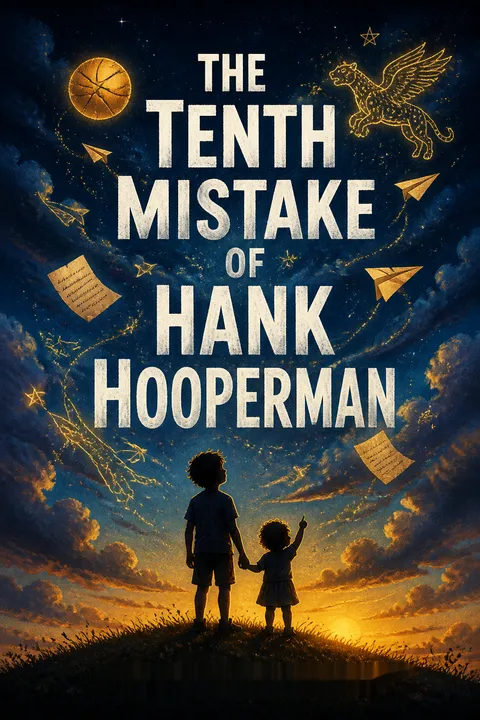
The Tenth Mistake of Hank Hooperman is a deeply empathetic exploration of what it means to be a child forced to carry adult burdens. Through Hank's eyes, readers experience the precariousness of life on the margins: the hunger, the fear, the longing for safety and love. The novel refuses easy answers—adults are flawed, systems are imperfect, and even the best intentions can lead to pain. Yet, it is also a story of hope: the kindness of strangers, the power of chosen family, and the possibility of healing after trauma. The book challenges readers to consider the invisible struggles of children in crisis, the complexity of forgiveness, and the importance of community. Its lessons are both timely and timeless: that mistakes are inevitable, but not irredeemable; that love is messy, but essential; and that, with support and second chances, even the most broken families can find a way forward.
Review Summary
The Tenth Mistake of Hank Hooperman follows eleven-year-old Hank caring for his three-year-old sister Boo after their mother disappears for a week. They find refuge with Lou Ann, their deceased grandmother's friend, but face uncertainty about their future together. Reviewers praised the emotional depth, realistic portrayal of foster care and parental neglect, and the compelling sibling bond. Many predict Newbery recognition. Some criticized the idealized ending and perfect protagonist portrayal. Most found Hank's character development exceptional and appreciated the sensitive handling of difficult topics like abandonment, poverty, and addiction.
People Also Read
Characters
Hank Hooperman
Hank is an eleven-year-old forced into adulthood by his mother's absence and the loss of his grandmother. His fierce love for Boo drives every decision, even as he struggles with anxiety, guilt, and the fear of making mistakes. Hank is resourceful, sensitive, and deeply loyal, but also haunted by the belief that he is doomed to repeat his mother's failures. His journey is one of learning to trust others, accept help, and forgive himself. Through hardship, Hank discovers the strength to advocate for himself and Boo, and the courage to embrace a new definition of family.
Boo (Bridget Hooperman)
Boo is Hank's three-year-old sister, a bundle of energy, curiosity, and affection. Her trust in Hank is absolute, and her rapid adaptation to new environments is both a comfort and a source of pain for her brother. Boo's milestones—potty training, learning to write her name, making friends—are small victories in a world of instability. Her vulnerability and resilience highlight the stakes of the story, and her bond with Hank is the emotional heart of the narrative.
Lou Ann Adler
Lou Ann is a friend of Hank's late grandmother and the emergency contact who becomes his and Boo's temporary guardian. She is orderly, rule-bound, and often emotionally distant, struggling to balance compassion with self-protection. Lou Ann's own history with her troubled son colors her interactions with Hank, making her wary of older children. Her eventual admission of regret and willingness to help Boo, if not Hank, reveal a complex mix of guilt, fear, and genuine care. Lou Ann embodies the imperfect, sometimes transactional nature of adult help in the child welfare system.
Ray Delgado
Ray is Lou Ann's neighbor and a steady, compassionate presence in Hank's life. Having lost his own daughter, Ray is attuned to the pain of loss and the need for belonging. He offers Hank and Boo not just shelter, but acceptance, encouragement, and a model of healthy masculinity. Ray's decision to foster—and potentially adopt—the siblings is an act of profound generosity and healing, for both himself and the children. His relationship with Hank is built on trust, honesty, and mutual respect, providing a foundation for recovery and growth.
Geri Hooperman (Mom)
Hank and Boo's mother is a complex figure: loving but deeply flawed, her struggles with addiction and instability shape the children's lives. Geri's absence is both a source of pain and a catalyst for Hank's growth. Her charm and resourcefulness are matched by her inability to provide consistent care, and her repeated disappearances force Hank to confront the limits of loyalty and forgiveness. Geri is a tragic figure, embodying the cycle of trauma and the difficulty of breaking free from destructive patterns.
Este Cohen
Este is the CPS worker assigned to Hank and Boo's case. She is empathetic and honest, balancing the demands of the system with genuine concern for the children's well-being. Este's role is to guide, inform, and sometimes deliver hard truths, such as the possibility of separation or adoption. Her presence is a reminder of the bureaucracy and limitations of child welfare, but also of the individuals within it who strive to do right by vulnerable kids.
Ana Lopez
Ana is a classmate at Hank's new school, quick-witted, kind, and unafraid to challenge him. She offers friendship, inclusion, and a sense of normalcy amid chaos. Ana's birthday party and their evolving relationship provide Hank with moments of joy and the awkwardness of early adolescence. Her acceptance and understanding help Hank feel seen and valued beyond his circumstances.
Tadeo
Tadeo is Ray's nephew and a fellow student at Hank's new school. Initially wary, he becomes an ally and friend, sharing interests in music and sports. Tadeo's own struggles with reading and self-confidence mirror Hank's challenges, and their friendship is a source of mutual support. Tadeo's family, especially his mother Celia, further expand Hank's circle of care.
Legend and Quincy
Legend and Quincy are standout basketball players at Hank's new school, representing the possibility of belonging and achievement. Their encouragement and camaraderie help Hank find his place on the team and in the wider school community. They are also reminders of what Hank stands to lose with every upheaval, and what he gains when given a chance.
Grandma Mae
Though deceased, Grandma Mae's influence pervades Hank's thoughts and decisions. Her wisdom, routines, and unconditional love are a source of comfort and guidance, shaping Hank's values and resilience. She represents the lost stability of Hank's early life and the standard by which he measures other adults.
Plot Devices
Child's Perspective on Adult Problems
The story is told through Hank's eyes, blending childlike logic with adult responsibilities. This perspective heightens the emotional impact, as readers experience the confusion, fear, and hope of a child navigating a world of unreliable adults. The device allows for both humor and heartbreak, and underscores the resilience and resourcefulness of children in crisis.
Mistakes as Structure and Theme
Hank's obsession with mistakes—ranking them by severity, cataloging them in lists—serves as both a structural and thematic device. Each "mistake" propels the plot, from small missteps to the titular "tenth mistake" that leads to his separation from Boo. The motif invites readers to consider the nature of error, responsibility, and forgiveness, and to empathize with the impossible choices faced by children in unstable situations.
Found Family and Chosen Community
The narrative juxtaposes the failures of Hank's biological family with the support offered by Lou Ann, Ray, and their extended networks. The gradual shift from isolation to belonging is mirrored in Hank's relationships at school, in the neighborhood, and on the basketball court. The device reinforces the message that family can be made, not just inherited.
Letters and Internal Monologue
Hank's letters—to Boo, Ray, Ana, Lou Ann, and his mother—provide insight into his inner world and serve as a means of processing trauma, seeking connection, and expressing regret. The act of writing is both cathartic and narrative, moving the story forward and revealing the evolution of Hank's understanding of himself and others.
Symbolism of Basketball and Art
Basketball offers Hank a sense of control, achievement, and community, while drawing allows him to process emotions and imagine new possibilities. Both are recurring motifs that symbolize hope, resilience, and the possibility of transformation. The animation of his drawings with Ray is a literal and metaphorical bringing-to-life of Hank's dreams.
Foreshadowing and Circular Structure
The story is rich with foreshadowing—Hank's fear of mistakes, Boo's attachment, the emergency contact form—that come full circle as the plot unfolds. The narrative's return to themes and images from the opening chapters (e.g., "nutty up, nutty down," the winged leopard) creates a sense of cohesion and emotional resonance.
Download PDF
Download EPUB
.epub digital book format is ideal for reading ebooks on phones, tablets, and e-readers.








































