
Plot Summary
Blood and Prophecy
A thousand years ago, a family of Vikings is cursed by the god Andvari, transforming them into vampires. Their struggle for survival is marked by guilt, violence, and the hope that a cryptic prophecy might one day free them. In the present, the prophecy's threads entangle two sisters, Montana and Callie, whose destinies are bound to the fate of both vampires and slayers. The story opens with bloodshed and regret, as the ancient curse's consequences ripple through time, setting the stage for a new generation's battle between love, vengeance, and the gods' cruel games.
Cursed Origins Unveiled
The narrative flashes back to the origins of the vampire curse, showing how Andvari's manipulations and the slayers' desperate resistance shaped the world. Erik, the reluctant leader, is tormented by his monstrous nature and the gods' riddles. The vampires' attempts to build a new life are haunted by guilt and the knowledge that their every action is part of a divine game. The prophecy hints at hope, but also at further suffering, as the gods pit mortals against each other for their own amusement.
Bonds of Pain and Power
In the present, Montana and Callie are marked by magical bonds to their vampire enemies, Erik and Fabian. These marks create a compulsion that blurs the line between true feeling and supernatural manipulation, driving wedges between the sisters and their allies. The marks are both a source of power and a shackle, forcing the twins to confront their own desires, fears, and the possibility that their love for their enemies is not entirely their own.
Sisters Reunited, Hearts Divided
Montana and Callie are finally reunited after long separation, but their joy is tainted by grief for their father's death and the secrets they keep from each other. Each sister struggles with her feelings for her vampire counterpart, torn between loyalty to family and the inexplicable pull of the marks. Their bond is tested as they try to reconcile their shared past with the new, dangerous paths their hearts are taking.
The Mark's Cruel Command
The marks on Montana and Callie's hands exert a powerful compulsion, driving them toward their vampire "partners" and making them question the authenticity of their feelings. The sisters experience moments of helplessness and rage as they are forced to act against their will, highlighting the cruelty of the gods and the fragility of free will. The marks become a symbol of everything they have lost—and everything they might still lose.
Vows, Vengeance, and Betrayal
The slayers, led by Magnar and Julius, are bound by ancient vows to destroy the vampires who killed their father. Their quest for vengeance is complicated by their growing feelings for the twins and the realization that the gods are manipulating all sides. Betrayals—both intentional and accidental—fracture alliances and deepen the sense of tragedy, as each character is forced to choose between love and duty.
Gods' Games, Mortal Suffering
The gods, Andvari and Idun, intervene directly, manipulating events to suit their own purposes. They set the stage for a deadly duel, using the twins as prizes and the prophecy as bait. The mortals are powerless to resist the gods' will, and their suffering is both entertainment and currency in the divine game. The gods' cruelty is laid bare, as is the futility of fighting fate.
Love and Loyalty Tested
As the gods' game escalates, the bonds of love and loyalty are tested to their breaking point. Montana and Callie must decide whether to trust their hearts or their heads, while Magnar and Julius are forced to confront the cost of their vengeance. Erik and Fabian, too, are torn between their love for the twins and their loyalty to their family. Every character is faced with an impossible choice, and the consequences are devastating.
The Prophecy's Puzzle
The twins and their allies race to unravel the prophecy, hoping to find a way to break the curse without more bloodshed. Clues point to a holy mountain, a circle of gold, and a debt that must be paid. The sisters' mother's ring is revealed to be a powerful artifact, capable of shielding them from the gods' sight. The prophecy's meaning becomes clearer, but so does the price that must be paid to fulfill it.
The Battle for Freedom
The gods force a final confrontation: a duel between the slayers and the vampires, with the twins' fates as the prize. The battle is brutal and chaotic, with divine power fueling both sides. The sisters are trapped, forced to watch as the men they love try to destroy each other. The gods' amusement is palpable, and the mortals' suffering reaches its peak.
The Duel of Fates
The duel leaves Magnar mortally wounded and Montana's life hanging by a thread. Callie is forced to choose between saving her sister and honoring her own vows. The gods' control is finally broken when Callie uses her mother's ring to shield herself and Magnar, freeing them from divine influence. The cost is high, but the chains of fate begin to loosen.
Sacrifice on the Statue
In a final act of selflessness, Montana climbs the statue and leaps, offering her life to save Erik and end the gods' game. Her sacrifice is both a fulfillment of the prophecy and a rejection of the gods' cruelty. Erik, unable to let her go, turns her into a vampire to save her life, breaking his own vows and accepting the curse anew. The cycle of suffering is both ended and renewed, as love and loss become inseparable.
Death, Rebirth, and Choice
Montana's rebirth as a vampire is both a tragedy and a new beginning. The sisters are now on opposite sides of the ancient war, but their love endures. The survivors—human, slayer, and vampire alike—must come to terms with what they have lost and what they have become. The prophecy is fulfilled, but the future remains uncertain.
The Aftermath of Immortality
In the aftermath, the characters struggle to find meaning in their suffering. The gods are thwarted, but not defeated. The survivors must forge a new path, seeking hope in the ruins of their old lives. The bonds of love and family are tested, but not broken. The story ends with a sense of hard-won peace, but also with the knowledge that the struggle is not yet over.
The Sun Sets, Moon Rises
As the sun sets on the old world and the moon rises on the new, the sisters and their allies look to the future. The prophecy has been fulfilled, but its consequences are only beginning to unfold. The story closes with a sense of bittersweet hope: that even in a world ruled by gods and monsters, love and loyalty can still light the way.
Analysis
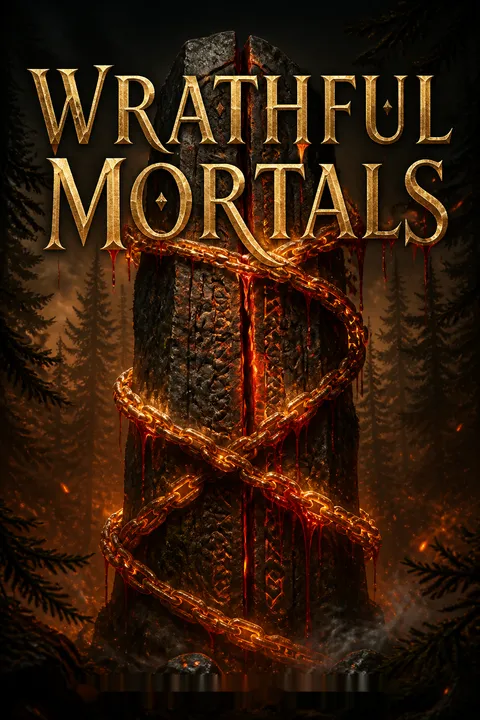
Wrathful Mortalsis a dark, emotionally charged exploration of fate, free will, and the cost of love in a world ruled by capricious gods. At its core, the novel interrogates the nature of agency: how much of our lives are truly our own, and how much is dictated by forces beyond our control—be they divine, societal, or psychological? The marks that bind Montana and Callie to their enemies are both literal and metaphorical, representing the ways trauma, love, and obligation can shape our choices. The gods' manipulation is a powerful metaphor for generational trauma and the struggle to break cycles of violence. The story's emotional arc is one of loss, sacrifice, and the search for meaning in suffering. Ultimately, the novel suggests that while we may not be able to escape fate entirely, we can choose how we respond to it—by loving fiercely, fighting for freedom, and refusing to become the monsters our enemies (or our gods) would make us. The fulfillment of the prophecy is both a victory and a tragedy, offering hope that even in a world of wrathful mortals, love and loyalty can endure.
Review Summary
Wrathful Mortals receives high praise from readers, with an average rating of 4.24 out of 5. Fans love the complex relationships, especially between Montana and Erik, and the ongoing conflict between vampires and slayers. The book is praised for its fast-paced action, plot twists, and character development. Many readers find the series addictive and eagerly anticipate the next installment. Some criticize the length and pacing, but overall, readers are engrossed in the Age of Vampires world and its characters.
People Also Read
Characters
Montana Ford
Montana is one of the twin sisters at the heart of the story, marked by a magical bond to the vampire prince Erik. She is fiercely loyal to her family, especially her sister Callie, but is tormented by her growing feelings for Erik—feelings she cannot be sure are her own. Montana's journey is one of self-discovery, as she struggles to reclaim her agency from the gods and the marks that bind her. Her ultimate sacrifice and transformation into a vampire are both a tragedy and a testament to her strength, as she chooses love and hope over despair, even at great personal cost.
Callie Ford
Callie is Montana's twin, bound by a similar mark to the vampire Fabian but in love with the slayer Magnar. She is stubborn, passionate, and determined to protect those she loves, even when it means defying the gods or her own vows. Callie's journey is marked by loss, rage, and the struggle to break free from the compulsion of the marks and the gods' will. Her willingness to sacrifice herself for her sister and her refusal to become a pawn in the gods' game make her a powerful force for change, even as she is forced to accept the consequences of her choices.
Erik Belvedere
Erik is the eldest of the cursed vampire siblings, a leader tormented by the weight of his past and the gods' manipulations. He is both a monster and a man, capable of great violence and deep love. His relationship with Montana is the story's emotional core, as he struggles to reconcile his desire for her with his fear of damning her to his own fate. Erik's journey is one of redemption, as he seeks to break the curse and atone for his sins, even as he is forced to make impossible choices.
Magnar Elioson
Magnar is the leader of the slayers, driven by a vow to avenge his father's death at the hands of the vampires. He is fierce, proud, and often inflexible, but his love for Callie reveals a softer, more vulnerable side. Magnar's struggle is between duty and desire, as he is forced to choose between his quest for vengeance and his love for a woman bound to his enemy. His journey is one of learning to let go of hate and embrace the possibility of forgiveness and hope.
Julius Elioson
Julius is Magnar's brother and right hand, a slayer whose bravado and humor mask deep wounds. He is fiercely protective of his family and friends, but also capable of surprising insight and compassion. Julius's relationship with Montana is marked by unrequited affection and a willingness to put her happiness above his own. His journey is one of growth, as he learns to accept change and let go of the past.
Fabian Belvedere
Fabian is Erik's brother, a vampire prince marked by his bond to Callie. His love for her is both genuine and tainted by the compulsion of the mark, leading him to acts of both tenderness and violence. Fabian's inability to distinguish between true love and supernatural obsession is his undoing, as he ultimately loses everything in his quest to possess Callie. His death is both a tragedy and a release, freeing Callie from his hold.
Andvari
Andvari is the god who cursed the original vampires, setting the events of the story in motion. He is capricious, cruel, and delights in the suffering of mortals, using riddles and prophecy to manipulate them for his own amusement. Andvari's true motives are inscrutable, but his power is undeniable. He represents the arbitrary cruelty of fate and the struggle to find meaning in a world ruled by indifferent gods.
Idun
Idun is the goddess who created the slayers to counter Andvari's vampires. She is both nurturing and ruthless, helping her followers but also testing them with impossible trials. Idun's rivalry with Andvari drives much of the story's conflict, and her interventions are as likely to cause suffering as to alleviate it. She embodies the duality of hope and despair, creation and destruction.
Clarice Belvedere
Clarice is the only female among the original vampire siblings, using her beauty and cunning to survive in a world that fears and hates her kind. She is fiercely loyal to her family, but also ambitious and willing to manipulate others to achieve her goals. Clarice's role is often that of mediator and instigator, pushing her brothers toward action and shaping the course of events from behind the scenes.
Valentina
Valentina is a former slayer turned vampire, now a leader of the rebel "biters." Her betrayal of both sides makes her a dangerous and unpredictable force, driven by her own agenda and a thirst for power. Valentina's actions catalyze much of the story's violence, and her presence is a constant reminder of the thin line between hero and villain, victim and monster.
Plot Devices
Prophecy and Divine Manipulation
The central plot device is the prophecy, a riddle that promises freedom from the curse but is also a tool for the gods to manipulate mortals. The prophecy's ambiguity drives the characters to desperate acts, as they try to decipher its meaning and fulfill its requirements. The gods' direct interference—through marks, commands, and magical artifacts—creates a sense of inevitability and helplessness, forcing the characters to confront the limits of free will. Foreshadowing is used throughout, with dreams, visions, and cryptic warnings hinting at future events and the true cost of breaking the curse. The narrative structure alternates between past and present, revealing the origins of the conflict and the cyclical nature of suffering and redemption.
Age of Vampires Series Series
About the Author
Other books by Caroline Peckham


Download PDF
Download EPUB
.epub digital book format is ideal for reading ebooks on phones, tablets, and e-readers.








































