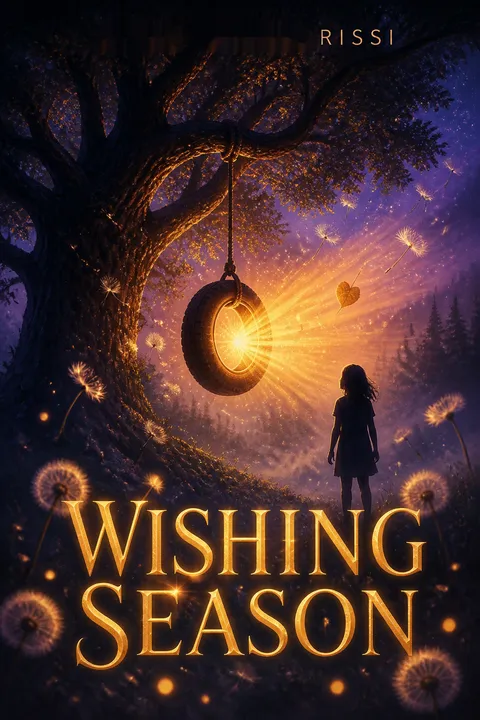

Plot Summary
The Girl Returns Alone
Lily steps off the school bus, her movements heavy with the weight of recent grief. The world around her is unchanged—birds chirp, the house stands waiting—but Lily's life is fundamentally altered. She no longer waves to friends or rushes home with excitement. Instead, she braces herself for the silence inside, a silence that echoes the absence of her twin brother, Anders. The world seems to watch her, uncertain if she will be all right. This moment marks the beginning of a summer where Lily must navigate the unfamiliar terrain of loss, loneliness, and the search for meaning in a world that has shifted beneath her feet.
Messages, Memories, and Lasagna
Inside, Lily finds only silence and the remnants of her mother's presence—a half-eaten breakfast, unopened mail, and a lasagna from a neighbor. She fills the emptiness with small rituals: sorting mail, eating directly from the pan, and talking to herself as if to conjure normalcy. The absence of Anders is everywhere, especially in the traditions they once shared, like eating popsicles on the first day of summer. Lily's mother, lost in her own grief, seeks solace in a psychic's words, desperate for connection with her lost son. Lily, skeptical and angry, finds comfort only in the secret knowledge that Anders is still with her, in a way no one else can understand.
The Overlap Revealed
Behind the barn, at the tire swing, Lily finds Anders—not as a memory, but as a presence only she can see and hear. This "overlap" is a liminal space where the living and the dead can meet, a private world for the twins. Their bond persists beyond death, filled with laughter, inside jokes, and shared mischief. Here, Lily is whole again, if only temporarily. The overlap becomes her refuge, a place where grief is suspended and Anders is as real as ever. Yet, the rules are mysterious: Anders can only appear here, and only for Lily. Their connection is both a miracle and a reminder of all that's been lost.
Before and After Anders
The months of Anders' illness stretched endlessly for Lily, each moment heavy with dread and helplessness. After his death, time becomes meaningless—she is a ghost in her own life, defined by absence. The world sees her as a living reminder of her brother, and she feels invisible, incomplete, and angry. Yet, after the funeral, Anders returns to her at the tire swing, solid and unchanged. Their reunion is both comforting and surreal, but the boundaries are clear: Anders exists only in the overlap, and only with Lily. This fragile arrangement offers solace, but also underscores the impossibility of returning to "before."
Us Things and Not Us
Lily and Anders shared a world of "Us Things"—private jokes, traditions, and an unspoken understanding. Their twin bond was a universe unto itself, making the loss even more profound. Without Anders, Lily is half a pair of pants, incomplete and adrift. School becomes a place of haunting, where she is both invisible and hyper-visible. Attempts at connection with others, like her former friend Deandra, feel impossible. Only in the overlap does Lily feel like herself, but even there, she senses the limits of what can be shared. Some experiences—like losing a twin—are not "Us Things," but hers alone.
Summer's Double Shadows
As summer unfolds, Lily's world expands to include Quinn, a mysterious older girl who bikes past her house and invites her to help with chores and chickens. Their friendship is tentative but meaningful, offering Lily a glimpse of life beyond grief. Yet, the shadow of Anders lingers—he is present in the overlap, but his appearances become less predictable. Lily juggles her secret life with Anders and her growing connection to Quinn, finding comfort in both. The chickens, the pond, and the rhythms of island life provide small joys, but the ache of loss remains ever-present, coloring every experience.
Measuring the Overlap
Lily becomes obsessed with understanding the overlap—measuring its boundaries, tracking Anders' appearances, and searching for patterns. She hopes that by collecting data and focusing her will, she can prevent the overlap from shrinking and keep Anders with her. Anders, however, grows increasingly detached, unable to remember details from his old life and less invested in the world. Their approaches to grief diverge: Lily clings to control and action, while Anders drifts toward acceptance. The overlap, once a sanctuary, becomes a battleground between hope and inevitability, as Lily fights to resist the slow fading of her brother.
Quinn and the Chickens
Quinn becomes a steady presence in Lily's life, inviting her to help with chickens and chores for neighbors. Their friendship deepens through shared work, laughter, and confessions. Yet, Lily's sense of trust is shaken when she learns that Quinn's time with her is also a way to earn "points" toward borrowing the family car. The revelation stings, but Quinn's apology and genuine affection help mend the rift. Through Quinn, Lily learns that friendships can be complicated, shaped by circumstance and need, but also by real connection. The chickens, with their quirky personalities, offer comfort and a sense of purpose.
Wasted Wishes and Guilt
Lily is haunted by guilt over Anders' death, convinced she should have noticed his illness sooner or done something to save him. The arrival of a credit card offer addressed to both her and Anders triggers a wave of anger and sorrow, highlighting the world's indifference to her loss. Lily's attempts to make wishes—on dandelions, on memories—feel futile. She struggles to reconcile the randomness of tragedy with her need for control and meaning. Through conversations with Anders, she explores the complexity of grief, the interplay of best and worst traits, and the impossibility of undoing the past.
The Shrinking World
As summer wanes, Lily realizes the overlap is shrinking—Anders appears less often, the space they share grows smaller, and his memory of the world fades. Lily's efforts to "recharge the magnet" of their connection prove fruitless. Anders proposes a painful theory: their time together after death mirrors the months they shared in the womb, and as that time runs out, so does their overlap. The inevitability of loss becomes clear, and Lily is forced to confront the reality that she cannot hold on forever. The world outside the overlap beckons, but Lily is not ready to let go.
Grief's Unfair Grounds
Lily's grief takes many forms—dreams of fairs with Anders, rage at her mother for packing away his things, and the ache of being left behind. She lashes out, desperate to preserve what remains of her brother, but is met with the limits of what can be kept. Conversations with her mother and with Anders reveal the necessity of change, even when it feels like betrayal. The process of sorting, giving away, and transforming Anders' belongings becomes a metaphor for the work of grief: letting go, holding on, and finding new ways to remember.
Letting Go, Holding On
As the overlap dwindles, Lily begins to make peace with the changes in her life. She reconciles with Quinn after a painful misunderstanding, learns to forgive herself and others, and starts to see the possibility of new friendships. Her relationship with her mother deepens as they share their grief and begin a project to turn Anders' clothes into a memory quilt. Lily discovers that moving forward does not mean forgetting, and that love can persist in new forms. The act of creation—sewing, storytelling, connecting—becomes a way to honor Anders and to heal.
New Beginnings, Old Wounds
The start of sixth grade marks a new chapter for Lily. She faces her fears, reaches out to classmates, and finds small moments of courage and connection. The overlap is nearly gone, but Anders' presence lingers in memories, in the quilt, and in the rhythms of daily life. Lily learns that grief is not a straight line, but a series of squiggles—loops of sadness, hope, and growth. She embraces the possibility of new adventures, friendships, and joys, carrying Anders with her into the future. The story ends with a gesture of love—a heart-shaped leaf, a whispered "I miss you," and the promise that wishes, like love, continue on the wind.
Analysis
"Wishing Season" is a luminous exploration of childhood grief, resilience, and the enduring power of love. Through the lens of magical realism, Anica Mrose Rissi crafts a narrative that is both deeply personal and universally resonant. The "overlap" between Lily and her dead twin, Anders, serves as a poignant metaphor for the ways in which the bereaved cling to memory, ritual, and the hope of connection. The novel refuses easy answers: grief is not something to be "gotten over," but a process of transformation, marked by setbacks, small joys, and the gradual expansion of the heart. The story honors the complexity of loss—its anger, guilt, and longing—while also celebrating the possibility of new beginnings. Through friendships, community, and acts of creation, Lily learns that letting go does not mean forgetting, and that love, like wishes, can persist in unexpected forms. The book's gentle humor, vivid imagery, and emotional honesty make it a powerful resource for readers of all ages navigating their own seasons of wishing and loss.
Review Summary
People Also Read





Characters
Lily Neff
Lily is an eleven-year-old girl navigating the aftermath of her twin brother Anders' death. Her identity is deeply entwined with Anders, and his loss leaves her feeling incomplete, angry, and adrift. Lily is resourceful and fiercely loyal, channeling her grief into rituals, routines, and a desperate attempt to maintain her connection to Anders through the "overlap." She is skeptical of easy comforts, especially her mother's reliance on a psychic, and struggles with guilt over not saving her brother. Over the course of the summer, Lily's journey is one of gradual acceptance—learning to let go without forgetting, to forgive herself, and to open up to new friendships and possibilities. Her resilience and creativity shine as she transforms pain into meaning, ultimately finding hope in the persistence of love and memory.
Anders Neff
Anders is Lily's twin brother, whose death from illness shatters their shared world. In the "overlap," he appears to Lily as solid and real, offering comfort, humor, and the continuation of their unique bond. Anders is thoughtful, kind, and often the calmer, more accepting half of the pair. As the summer progresses, he becomes increasingly detached from the world, his memory fading and his presence shrinking. Anders' acceptance of his own fading contrasts with Lily's desperate clinging, highlighting the different ways people process grief. His final gift to Lily is the encouragement to live fully, to seek new connections, and to carry his memory forward with love rather than sorrow.
Mom (Lily and Anders' Mother)
Lily's mother is consumed by grief, oscillating between numbness, distraction, and desperate attempts to connect with Anders through a psychic. Her withdrawal leaves Lily feeling isolated and responsible for her own well-being. As the story unfolds, Mom begins to re-engage with life—sorting Anders' belongings, sharing moments of comfort with Lily, and collaborating on the memory quilt. Her journey mirrors Lily's: from paralysis and avoidance to tentative steps toward healing. The mother-daughter relationship is tested but ultimately strengthened as they learn to share their grief and support each other.
Quinn
Quinn is a high schooler who enters Lily's life as a mysterious, independent figure—biking past her house, cleaning ponds, and caring for chickens. She offers Lily a bridge to the outside world, inviting her into new experiences and friendships. Quinn is practical, witty, and sometimes blunt, but also deeply empathetic. Her own struggles and the revelation that her time with Lily is partly motivated by earning "points" for driving privileges create tension, but her genuine affection and apology help Lily learn about forgiveness and the complexities of friendship. Quinn's presence encourages Lily to look beyond her grief and embrace new connections.
Deandra
Deandra was once Lily's closest friend, but a thoughtless, hurtful comment about Anders' illness creates a rift that Lily cannot bridge. Deandra's absence and the unresolved conflict become a symbol of the ways grief can isolate and complicate relationships. Through reflection and advice from others, Lily learns that not all friendships are meant to last, and that letting go can be an act of self-care. Deandra's role in the story underscores the challenges of navigating social dynamics while grieving.
Ms. Turner
Ms. Turner is an older neighbor who provides Lily with a sense of purpose and comfort through caring for her chickens. Her kindness, humor, and practical wisdom offer stability in Lily's turbulent world. The chickens themselves become symbols of life's ongoing rhythms and the healing power of small joys. Ms. Turner's presence reinforces the importance of community and connection in times of loss.
Lorelei (The Psychic)
Lorelei is the psychic whom Lily's mother consults in an attempt to communicate with Anders. To Lily, Lorelei represents denial and the dangers of clinging to comforting illusions. The psychic's influence creates tension between Lily and her mother, highlighting the different ways people seek solace in grief. Lorelei's role is ultimately challenged as Lily and her mother find more authentic ways to remember and honor Anders.
Kenny
Kenny is a classmate and friend of Anders who becomes a possible bridge for Lily to re-enter the world of friendship. Though their interactions are limited, Kenny's presence serves as a reminder that new relationships are possible, and that Lily is not as alone as she feels. His inclusion in Lily's plans for the future signals her gradual openness to connection and healing.
The Chickens (Frankie, Henrietta, Big Bertha, Snowball, Pearl, Achoo)
The chickens at Ms. Turner's house provide Lily with companionship, responsibility, and moments of joy. Each chicken has a distinct personality, and their care becomes a grounding ritual for Lily. They represent the small, ongoing pleasures that persist even in the midst of grief, and the ways in which caring for others can help heal oneself.
Miriam (Letter Writer)
Miriam is a stranger who writes to Lily after receiving her returned credit card offer. Having lost her own sister, Miriam offers empathy, wisdom, and the reassurance that grief can be survived and integrated into a larger, growing life. Her letter provides Lily with a sense of connection beyond her immediate world, affirming that loss is universal and that memory can be a blessing.
Plot Devices
The Overlap
The overlap is the central magical-realist device of the novel—a secret place where Lily can interact with her dead twin, Anders. It functions as both a literal and metaphorical space: a sanctuary for their bond, a manifestation of Lily's refusal to let go, and a stage for the gradual process of acceptance. The overlap's shrinking boundaries mirror the progression of grief and the necessity of moving forward. Its rules—Anders can only appear there, only for Lily, and only for a limited time—create urgency and structure for the narrative, driving Lily's attempts to measure, control, and ultimately accept the impermanence of loss.
Magical Realism and Symbolism
The story weaves magical elements (the overlap, ghostly visits, heart-shaped leaves) into the fabric of everyday life, using them to explore psychological realities. Symbols abound: the tire swing as a site of memory, dandelions and wishes as metaphors for hope and impermanence, chickens as anchors to the present, and the memory quilt as a tangible act of remembrance. These devices allow the narrative to address complex emotions in accessible, resonant ways.
Foreshadowing and Cyclical Structure
The narrative is rich with foreshadowing—the shrinking overlap, Anders' fading memory, the changing seasons—all pointing toward the inevitability of loss and the possibility of renewal. The story's structure is cyclical: it begins and ends with Lily returning home, but the context and her emotional state have transformed. The motif of wishes, both wasted and fulfilled, recurs throughout, culminating in the heart-shaped leaf and the sense that love endures beyond endings.
Dual Narrative of Grief
The novel juxtaposes Lily's active, controlling response to grief with Anders' passive, accepting one. Their differing strategies—Lily's measurement and resistance, Anders' detachment and calm—create tension and drive the emotional arc. The interplay between holding on and letting go is explored through their interactions, the changing overlap, and Lily's evolving relationships with others.
Community and Connection
The story emphasizes the importance of community—neighbors, friends, animals, and even strangers—in the process of healing. Chores, shared meals, and collaborative projects (like the quilt) provide structure and meaning, helping Lily and her mother move forward. Letters from strangers like Miriam and the kindness of others like Ms. Turner and Quinn reinforce the message that grief, while isolating, is also a shared human experience.
Download PDF
Download EPUB
.epub digital book format is ideal for reading ebooks on phones, tablets, and e-readers.








































