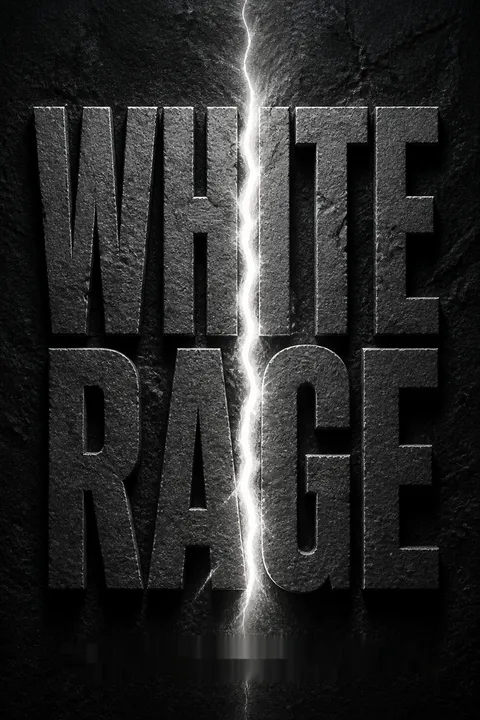

Key Takeaways
1. White Rage: A Systemic Backlash to Black Advancement
White rage is not about visible violence, but rather it works its way through the courts, the legislatures, and a range of government bureaucracies.
Subtle destruction. The concept of "white rage" describes a calculated, often imperceptible, policy-driven response to black advancement, distinct from overt acts of racial violence. This rage operates within the established structures of power, such as the legal system and government agencies, to systematically undermine the progress of African Americans. It is a force that wreaks havoc subtly, too imperceptibly for a nation often drawn to spectacular, visible events.
Trigger: Black ambition. The inevitable trigger for white rage is not merely the presence of black people, but "blackness with ambition, with drive, with purpose, with aspirations, and with demands for full and equal citizenship." This ambition, when it refuses subjugation, is met with a formidable array of policy assaults and legal contortions designed to punish black resilience. Narratives of black poverty and cultural failings are often deployed to maintain a perceived moral high ground, despite being disproven.
Historical pattern. This pattern of systemic backlash has a long history, tracing back 150 years. From the Black Codes after the Civil War to the resistance against the Great Migration, the undermining of Brown v. Board of Education, and the rollback of Civil Rights, white rage consistently manifests as a response to black people striving for equality. It is a hidden fingerprint, tracing historic movements that reveal an unspoken truth about America's racial divide.
2. Reconstruction's Promise Undermined by White Rage
The slave law of the South may have been dead, but it ruled us from the grave.
Atonement's false dawn. Following the Civil War, the United States faced a critical juncture, with the Thirteenth, Fourteenth, and Fifteenth Amendments, alongside the Freedmen's Bureau, offering a path to atonement for slavery through full black citizenship, voting rights, economic independence, and education. Initially, there was hope for a truly inclusive democracy, but this momentum quickly faltered due to a lack of political will and pervasive racial disdain.
Presidential betrayal. President Abraham Lincoln, despite his emancipator legacy, harbored colonization plans for African Americans, viewing their presence as the cause of war. His successor, Andrew Johnson, actively sabotaged Reconstruction by:
- Pardoning former Confederates and reinstating plantation owners.
- Rescinding land redistribution orders (like Sherman's Special Field Order No. 15).
- Championing the Homestead Act for poor whites while denying land to freedpeople.
- Vetoing the Freedmen's Bureau Bill and the Civil Rights Act of 1866.
Johnson's actions effectively laid the groundwork for mass murder and the re-establishment of white supremacist regimes.
Judicial dismantling. The U.S. Supreme Court then systematically dismantled the Reconstruction amendments, giving the aura of "strict constitutionalists" while twisting interpretations to undermine black rights. Key rulings included:
- Slaughterhouse Cases (1873): Limited federal citizenship rights, leaving most civil rights to states.
- United States v. Reese (1875): Denied federal protection for voting rights, leaving it to states.
- United States v. Cruikshank (1876): Removed federal ability to combat anti-black domestic terrorism.
- Civil Rights Cases (1883): Ruled against federal ban on discrimination in public accommodations.
- Plessy v. Ferguson (1896): Established "separate but equal," legalizing segregation.
These decisions ensured that the South, despite losing the war, regained control over black lives, effectively re-enslaving them under new legal guises.
3. The Great Migration Met with Northern Resistance
I’ve got to get away; I can’t stay here.
Escape from "Hell." The early 20th century saw over 1.5 million African Americans flee the Jim Crow South in the Great Migration, seeking better jobs, education, and freedom from pervasive violence and economic exploitation. Conditions in the South were unbearable, marked by:
- Over a thousand lynchings per decade, often public spectacles.
- "Whitecapping" (ethnic cleansing) and land seizures.
- Peonage and debt slavery, with sharecroppers earning pennies a day.
- Anemic and inadequate public education, with truncated school years for black children.
The Chicago Defender newspaper played a crucial role, exhorting blacks to leave and providing information on Northern opportunities, openly challenging the narrative of black contentment.
Southern obstruction. White Southern elites, alarmed by the loss of cheap black labor, responded with "cool, calculated efficiency" to stop the exodus. They implemented:
- Anti-enticement statutes with exorbitant licensing fees and prison sentences for labor agents.
- Confiscation and banning of the Chicago Defender, forcing it underground.
- Arrests for carrying "incendiary literature" (e.g., anti-sharecropping poems).
- Physical obstruction of trains and arrests of black passengers for "vagrancy."
These tactics, despite their illegality and interference with interstate commerce, were driven by a fear that black independence threatened the entire socioeconomic structure built on black subordination.
Northern disillusionment. The North, however, was no "promised land." African Americans encountered new forms of oppression, including:
- "Race riots" (rampages by whites) in cities like East St. Louis, Chicago, and Washington, D.C.
- Severe housing discrimination through redlining and restrictive covenants, creating overcrowded, dilapidated ghettos like Detroit's Black Bottom.
- Legal upholding of racially restrictive housing policies by state supreme courts.
- Violent mobs driving black families out of white neighborhoods, often with police complicity.
The Ossian Sweet case in Detroit, where a black doctor defending his home from a white mob was charged with murder, starkly illustrated that self-defense rights were denied to blacks, even in the North.
4. Brown v. Board Systematically Undermined
If segregation is unconstitutional in educational institutions, it is no less so unconstitutional in other aspects of our national life.
Legal Achilles' heel. The NAACP, under Charles Hamilton Houston and Thurgood Marshall, strategically attacked Jim Crow's "separate but equal" doctrine by demonstrating states' inability to provide truly equal educational facilities for blacks. This legal campaign, culminating in Brown v. Topeka Board of Education (1954), declared school segregation unconstitutional, signaling a potential end to Jim Crow in all aspects of American life.
Massive Resistance. White Southern leaders, however, viewed Brown as a declaration of war and launched "Massive Resistance," a "cold, clinical cruelty of the response." Their tactics included:
- Voter Disfranchisement: Reinforcing literacy tests, "understanding clauses," and poll taxes to silence black voters.
- Interposition: States claiming authority to nullify federal law, as seen in Georgia's attempt to repeal the 13th, 14th, and 15th Amendments.
- Southern Manifesto: 101 members of Congress denouncing Brown as an abuse of judicial authority, legitimizing defiance.
- NAACP Suppression: Banning the organization, imposing fines, and demanding membership lists to cripple its legal efforts.
These actions aimed to stall and defy desegregation, ensuring that black children remained in inferior schools for decades.
Educational apocalypse. The resistance led to an "educational apocalypse" for black children. States like Virginia and South Carolina closed public schools rather than integrate, diverting public funds to private white academies. Prince Edward County, Virginia, famously kept its public schools closed for five years, leaving 2,700 black children without formal education. This deliberate waste of intellectual talent, even in the face of the Sputnik crisis and national security concerns, left millions of black citizens unprepared for the emerging knowledge-based economy, ultimately weakening the nation's economic competitiveness.
5. Civil Rights Gains Rolled Back by Policy and Redefinition
America has been the best country on earth for black folks.
Minimizing history. Following the Civil Rights Movement, a concerted effort emerged to redefine its meaning and minimize the historical context of racial oppression. The narrative shifted to portray the movement as a simple struggle for bus seats and water fountains, implying that with the removal of "COLORED ONLY" signs, inequality had vanished. This reinterpretation ignored centuries of systemic devastation, including trillions in lost wages, stolen land, and educational impoverishment.
Redefining racism. Racism itself was narrowed to its most overt, visible forms (e.g., the KKK), allowing many whites to claim racial innocence while still resenting black progress. This conceptual shift enabled politicians and judges to push policies that appeared "colorblind" but effectively undermined civil rights norms. President Reagan, for instance, used anecdotes about "strapping young bucks" on welfare to tap into white resentment, framing Great Society programs as handouts for lazy blacks and ignoring their broader benefits.
Nixon's "Southern Strategy." Richard Nixon's "Southern Strategy" masterfully used race-neutral language ("crime," "welfare," "neighborhood schools") to appeal to disgruntled working-class whites, linking Democrats with blacks and crime without explicit racial slurs. His administration then targeted the Civil Rights Act and the Voting Rights Act, seeking to "weaken the enforcement of civil rights laws." This strategy, continued by subsequent administrations, aimed to contain and neutralize civil rights victories by creating a façade of equality while crafting policies to destabilize black communities.
6. The War on Drugs: A Tool for Mass Incarceration
The United States did not face a crime problem that was racialized; it faced a race problem that was criminalized.
Manufactured crisis. In the 1980s, the Reagan administration, despite initial claims of focusing on drug treatment, manufactured a "drug crisis" to serve geopolitical and domestic political ends. This crisis, particularly the rise of crack cocaine, was used to demonize and criminalize black communities, even though drug use among African Americans was not disproportionately higher than other groups. The administration's focus shifted from treatment to harsh enforcement and punishment.
Contra-cocaine connection. The administration's obsession with overthrowing Nicaragua's Sandinista government led to a clandestine operation to fund Contra rebels through cocaine trafficking into the United States. CIA and National Security Council officials shielded major drug traffickers, allowing cocaine imports to skyrocket. This influx of drugs, particularly crack, devastated black neighborhoods already struggling with high unemployment and declining wages, leading to rampant gang violence and a decline in black life expectancy rates.
Legalized discrimination. The Supreme Court, with Nixon's appointees, played a critical role in tightening the noose, legalizing racial discrimination within the criminal justice system. Rulings:
- Affirmed police stops based on less than probable cause and approved racial profiling.
- Upheld harsh mandatory sentencing for drug offenses.
- Required proof of overt, individual discrimination to challenge racial bias in sentencing.
- Approved "ridiculous" peremptory strikes to remove blacks from juries.
- Sanctioned pretext traffic stops as a ruse for drug searches.
These decisions, combined with the 1986 Anti-Drug Abuse Act's 100-to-1 sentencing disparity for crack versus powder cocaine, led to mass incarceration, disproportionately affecting black communities and replacing explicit race-based discrimination with felony convictions as a mechanism to deny citizenship rights.
7. Obama's Presidency Triggered Renewed White Rage
You’re taking over our country.
Demographic anxiety. Barack Obama's historic 2008 presidential victory, marked by record voter turnout across diverse racial and ethnic groups, triggered a profound sense of "demographic extinction" among some white conservatives. The realization that their traditional support base was shrinking led to a renewed focus on voter suppression and a campaign to delegitimize Obama's presidency.
Unprecedented vitriol. Obama faced an unprecedented level of hatred and disrespect, far beyond typical political opposition. This included:
- A 400% increase in death threats compared to George W. Bush.
- Racially motivated slurs and simian depictions in emails and social media.
- Overt disrespect from elected officials, such as a congressman shouting "You lie!" during a joint session.
- Accusations of hating America and being un-American, often from prominent figures.
This vitriol was fueled by a narrative that portrayed Obama as a foreign, socialist, black nationalist, designed to tap into underlying racial anxieties.
Paradox of progress. Despite Obama's centrist policies and measurable successes in stabilizing the economy, reducing unemployment, and expanding healthcare, the backlash intensified. His presidency, rather than signaling a post-racial society, highlighted a "paradox of progress," where black achievement was perceived as a direct threat. This culminated in events like the Charleston church shooting, where Dylann Roof, influenced by white supremacist groups, murdered black churchgoers, believing they were "taking over our country."
8. Voter Suppression: Modern Disfranchisement Tactics
I don’t want everybody to vote.
Strategic disfranchisement. Following Obama's 2008 victory, conservative activists explicitly stated their goal to reduce voter turnout, particularly among demographics that favored Democrats. This led to a new wave of voter suppression efforts, cloaked in the language of "protecting the integrity of the ballot box" from voter fraud, despite evidence that such fraud is exceedingly rare. The Association of Community Organizations for Reform Now (ACORN) was falsely pilloried as a perpetrator of widespread fraud to justify these measures.
Targeted restrictions. New voter ID laws, championed by organizations like the American Legislative Exchange Council (ALEC), were designed to disproportionately affect African Americans, Latinos, students, and the elderly. These laws often require specific government-issued photo IDs, making millions ineligible due to:
- Lack of birth certificates or passports.
- Difficulty obtaining W-2s due to unemployment.
- Lack of bank statements or utility bills in their name in multi-generational households.
States also strategically closed Departments of Motor Vehicles in minority-heavy areas, limiting access to required IDs.
Curtailing access. Beyond ID laws, other tactics aimed to limit voting access:
- Eliminating early voting: Florida, for example, cut early voting days and eliminated the Sunday before Election Day, a crucial time for black church-organized "Souls to the Polls" drives.
- Voter-roll purges: Aggressive purges, often based on flawed data, removed thousands of eligible voters, particularly minorities, from registration lists just before elections.
- Challenger armies: Groups like "True the Vote" deployed poll watchers to minority precincts to challenge voters, cause delays, and intimidate.
These efforts, often implemented just before elections, created chaos and frustration, leading to lower turnout among targeted populations.
9. The Enduring Cost of White Rage on American Democracy
More than a century and a half of anger and fear have undermined American democracy, trampled on the Constitution, and treated some citizens as chattel and others as collateral damage.
A cycle of missed opportunities. The persistent pattern of white rage has prevented the United States from realizing its full potential, creating a cycle of "missed opportunities." Instead of building a truly inclusive and equitable society after moments of black advancement, the nation has repeatedly succumbed to fear and anger, leading to recurring themes of discrimination, disfranchisement, illiteracy, and an inequitable criminal justice system.
Systemic damage. The consequences of this rage are profound and far-reaching, impacting the very foundations of American democracy:
- Undermined democracy: Voter suppression laws continue to disenfranchise millions, making elections less representative.
- Warped the Constitution: Judicial decisions have twisted constitutional principles to justify inequality, from Plessy to Shelby County v. Holder.
- Weakened economic competitiveness: Deliberate underfunding of black education, even during national crises like Sputnik, has left millions without the skills needed for a modern economy, hindering national progress.
- Squandered resources: Billions spent on mass incarceration and militarized policing for a manufactured "war on drugs" could have been invested in education, housing, and healthcare.
Imagining a different future. The book concludes by urging a conscious choice to move beyond white rage and build a better future. This involves:
- Ensuring unfettered voting rights for all citizens.
- Investing in quality education for every child, regardless of zip code, by rethinking school funding mechanisms.
- Reforming a justice system where racial bias is not sanctioned, and resources are redirected from incarceration to community development.
This vision calls for all Americans to recognize the destructive power of white rage, reject its deceptive rhetoric, and actively choose a path toward a stronger, more equitable nation.
Review Summary
White Rage is a powerful, well-researched book that examines the systemic racism in American history and institutions. Readers find it eye-opening, enraging, and essential reading, praising Anderson's meticulous documentation of white backlash against black progress. The book covers topics from Reconstruction to Obama's presidency, revealing how racism has been deeply ingrained in society. While some readers found certain sections more compelling than others, most agree it's an important work that exposes uncomfortable truths about America's racial divide and provides valuable historical context for current events.
People Also Read


About the Author

Download PDF
Download EPUB
.epub digital book format is ideal for reading ebooks on phones, tablets, and e-readers.








































