
Plot Summary
House of Hungry Walls
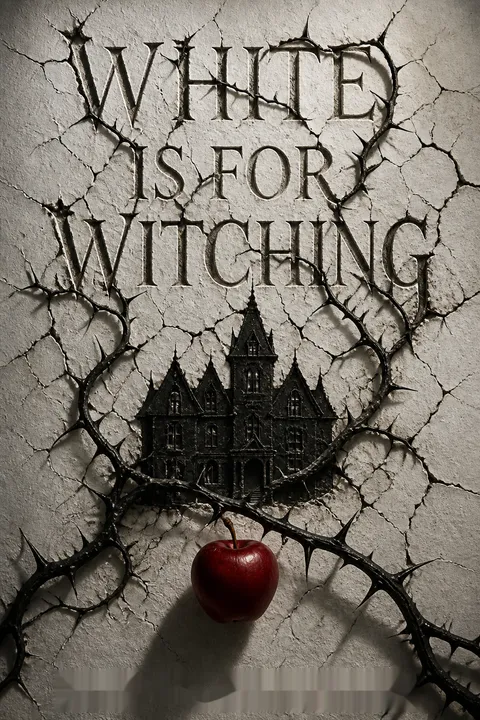
The Silver family's ancestral home in Dover is more than bricks and mortar—it is a living, hungry entity, steeped in the traumas and secrets of generations. The house's presence is palpable, its voice woven through the narrative, shaping the lives of its inhabitants. It is a place of refuge and threat, a keeper of memories and grudges, especially toward outsiders. The house's influence is strongest over the women of the family, binding them in cycles of illness, loss, and longing. Its walls remember every sorrow, every act of witching, and every attempt to escape. The house is both protector and predator, its hunger for belonging and purity manifesting in supernatural ways, setting the stage for the family's unraveling.
The Silver Family Fractures
The Silvers—Luc, Lily, and their twins Miranda and Eliot—move into the Dover house, hoping for a fresh start. Luc, a chef, and Lily, a photographer, try to build a life filled with creativity and care. But the house's oppressive atmosphere and the family's own vulnerabilities—especially Miranda's pica, an urge to eat non-food substances—create cracks. The twins are close, but their bond is tested by Lily's frequent absences and Luc's emotional distance. The house, with its labyrinthine rooms and hidden histories, becomes a crucible for their anxieties, amplifying their grief and alienation. The family's attempts at normalcy are constantly undermined by the house's silent demands and the ghosts of the past.
Lily's Death and Lingering
Lily's death in Haiti—shot while photographing an election—shatters the family. Her absence is a wound that never heals, and her memory lingers in the house, especially for Miranda. The trauma of losing Lily is compounded by the sense that her spirit, or something of her, remains. The house seems to absorb Lily's energy, her creativity, and her pain, and it becomes a site of mourning and unresolved longing. Miranda and Eliot struggle to remember and honor their mother, but the house's influence distorts their grief, turning it into something uncanny. Lily's death marks the beginning of Miranda's deeper descent into illness and the family's further unraveling.
Pica and Inheritance
Miranda's pica—her compulsion to eat chalk, plastic, and other non-foods—is both a medical condition and a metaphor for the family's inherited traumas. The disorder runs through the maternal line, linking Miranda to her great-grandmother Anna and her mother Lily. Pica becomes a way for Miranda to cope with loss, anxiety, and the house's oppressive presence. It is also a form of witching, a ritual of consumption that binds her to the house and its history. The family tries to manage Miranda's illness with care and recipes, but the hunger is deeper than food—it is a craving for belonging, for safety, for the impossible return of the dead.
The Goodlady's Whisper
The Goodlady, a supernatural presence in the house, is both guardian and jailer. She is the voice of tradition, purity, and exclusion, enforcing the house's rules and punishing those who transgress. The Goodlady's influence is strongest over the women, especially Miranda, whom she both protects and threatens. She is the embodiment of the house's will, its desire to keep the family pure and free from outsiders. The Goodlady's whispers are seductive and terrifying, promising safety at the cost of freedom. Her presence blurs the line between love and control, nurturing and devouring, and she becomes a symbol of the dangers of inherited trauma and unexamined tradition.
Return from the Clinic
After a breakdown and months in a psychiatric clinic, Miranda returns home, changed and fragile. Her hair is short, her body thin, her memory patchy. The family tries to welcome her back, but the house's atmosphere is heavier than ever. Miranda's sense of self is unstable—she is haunted by visions, by the memory of Lily, and by the Goodlady's demands. The house seems to close in around her, amplifying her fears and her compulsions. Her relationships with Luc and Eliot are strained, as each struggles with their own grief and guilt. Miranda's return is not a healing, but a deepening of the family's entanglement with the house's mysteries.
Refugees and Outsiders
The Silver house, now a bed-and-breakfast, becomes a microcosm of Dover's anxieties about outsiders. Refugees and immigrants, including the housekeepers Azwer, Ezma, and their daughters, bring new stories and fears into the home. The house resists their presence, manifesting in supernatural events and subtle hostilities. Miranda is caught between empathy for the outsiders and the house's demand for purity. The violence in the town—stabbings, suicides, and prejudice—echoes the house's own exclusionary instincts. The family's struggle to welcome or reject outsiders becomes a reflection of larger social tensions, and the house's hunger for sameness grows more dangerous.
The Housekeeper's Warnings
Sade, the new housekeeper, is attuned to the supernatural. She brings her own rituals—salt, pepper, juju—to protect herself and the family. Sade recognizes the house as a monster, a place that feeds on grief and difference. She tries to warn Miranda and Luc, but her warnings are only partly understood. Sade's presence is both a comfort and a threat to the house, which resents her power and her difference. The house's hostility toward Sade and other outsiders intensifies, leading to strange events and a growing sense of danger. Sade's struggle to survive in the house mirrors Miranda's own battle with the Goodlady and the family's history.
Cambridge: New Beginnings
Both twins win places at Cambridge, hoping for a fresh start. Miranda meets Ore, a Black student from Kent, and for the first time finds a connection outside her family and the house. Cambridge is a place of new possibilities, but Miranda's illness and the house's pull follow her. She struggles to eat, to sleep, to feel real. Eliot, meanwhile, drifts through his own grief and guilt, unable to fully let go of Miranda or the past. The siblings' attempts to build new lives are haunted by the traumas they carry, and by the sense that the house is never far behind.
Ore and Miranda's Bond
Ore and Miranda's relationship is tender, awkward, and transformative. Ore is drawn to Miranda's strangeness, her beauty, and her pain. Their intimacy is both healing and dangerous—Miranda's hunger threatens to consume Ore, and Ore's presence challenges the house's rules. Their love is a rebellion against the Goodlady's control and the family's legacy of exclusion. But the relationship is also fraught with fear—of difference, of being consumed, of not belonging. The house's influence reaches even to Cambridge, and Miranda's struggle to be free of it becomes a struggle to love and be loved without devouring or being devoured.
Consuming and Consumed
Miranda's pica intensifies, and her sense of self fractures. She is haunted by visions of the perfect girl, the mannequin, and the Goodlady. Her hunger becomes a metaphor for all the ways she is consumed—by grief, by tradition, by love. The boundaries between self and other, living and dead, human and monster, blur. Miranda fears she is becoming the soucouyant, the consuming witch of Caribbean legend. Her relationship with Ore is both a lifeline and a threat, as Miranda struggles not to consume the one she loves. The house's influence grows stronger, and Miranda's identity becomes increasingly unstable.
The Mannequin Moves
The mannequin Miranda uses for sewing becomes animated, a vessel for the house's will. It moves through the house, enacting the Goodlady's desires and punishing those who threaten the family's purity. The mannequin's movements are both comic and terrifying, a symbol of Miranda's fractured self and the house's power. The boundaries between animate and inanimate, self and other, are further eroded. The mannequin's actions precipitate a crisis, as Sade and other outsiders are targeted, and Miranda's sense of reality unravels. The house's hunger for control and sameness becomes manifest, and the family is pushed to the brink.
Salt, Pepper, and Stories
Sade's use of salt and pepper, and Ore's stories of the soucouyant, become tools for resisting the house's power. These rituals and narratives offer alternative ways of understanding and surviving the supernatural. The act of storytelling—whether through fairy tales, family legends, or personal confessions—becomes a way to reclaim agency and identity. Miranda and Ore's shared stories create a space of intimacy and resistance, even as the house seeks to silence and consume them. The struggle between the house's traditions and the characters' attempts to forge new meanings comes to a head, with salt and stories as weapons.
The House Takes Hold
As Miranda's illness worsens, the house's grip tightens. She becomes increasingly isolated, her relationships with Ore and Eliot strained to breaking. The Goodlady's voice grows louder, demanding obedience and sacrifice. Miranda's sense of self dissolves—she is no longer sure if she is alive or dead, human or monster. The house orchestrates her final descent, using dreams, visions, and supernatural events to draw her back. The family's attempts to save her are futile against the house's ancient hunger. Miranda's disappearance is both a tragedy and an inevitability, the culmination of generations of witching and exclusion.
Love, Loss, and Letting Go
After Miranda vanishes, the family is left to mourn and search. Luc closes the bed-and-breakfast, Eliot empties Miranda's shoes of blood, and Ore tries to make sense of what happened. The house is emptier, but its presence is undiminished. The survivors are haunted by memories, by guilt, and by the sense that Miranda is both gone and still present. The possibility of healing is uncertain—love has not been enough to save Miranda, and the house's wounds remain open. The family's grief is both personal and collective, a testament to the enduring power of loss and the difficulty of letting go.
The Disappearance
The novel's climax is ambiguous and haunting. Miranda's final acts—her confrontation with the Goodlady, her attempt to escape, her possible death—are shrouded in uncertainty. The narrative fractures, with multiple perspectives offering conflicting accounts. Ore's experience in the house is surreal and terrifying, as she confronts the supernatural and tries to rescue Miranda. The house's hunger is never fully sated, and Miranda's fate is left unresolved. The story ends with the sense that the cycle may continue, that the house will wait for the next witching, the next outsider, the next attempt at escape.
Who Do You Believe?
The novel's multiple narrators—Miranda, Eliot, Ore, the house itself—offer competing versions of events. Each is unreliable, shaped by trauma, desire, and the house's influence. The reader is left to piece together the truth from fragments, to decide whom to trust. The ambiguity is deliberate, reflecting the novel's themes of identity, inheritance, and the slipperiness of reality. The question of belief is central—do we trust the haunted, the grieving, the outsider, or the house? The novel refuses easy answers, insisting on the complexity of truth and the persistence of mystery.
The House Waits, Still
In the aftermath, the house remains, waiting for new inhabitants, new stories, new witchings. The family is scattered, but the house's hunger is undiminished. The ghosts of the past linger, and the possibility of healing is uncertain. The novel ends with a sense of suspension—the house is both a tomb and a cradle, a place of endings and beginnings. The cycle of inheritance, exclusion, and longing continues, as the house waits for the next chapter in its haunted history.
Analysis
Helen Oyeyemi's White Is for Witching is a haunting meditation on inheritance, identity, and the dangers of exclusion. Through its fractured narrative and supernatural realism, the novel explores how trauma, grief, and tradition are passed down through generations, shaping and sometimes destroying those who inherit them. The Silver house is both a literal and metaphorical site of haunting—a place where the past refuses to die, and where the boundaries between self and other, living and dead, are constantly blurred. The novel interrogates the costs of belonging—how the desire for purity and sameness can become monstrous, consuming those who are different or vulnerable. At the same time, it offers glimpses of resistance—through love, storytelling, and ritual, the characters seek to forge new identities and escape the cycles of the past. Yet the novel refuses easy resolutions, leaving Miranda's fate ambiguous and the house's hunger undiminished. In a world marked by migration, loss, and the search for home, White Is for Witching asks what it means to belong, and what we are willing to sacrifice for safety, tradition, and love.
Review Summary
White Is for Witching receives mixed reviews, averaging 3.54 stars. Many praise Helen Oyeyemi's lyrical, atmospheric prose and unique narrative structure, drawing comparisons to Shirley Jackson. Admirers highlight the haunted house concept, gothic fairy-tale elements, and the exploration of themes like racism and mental illness. Critics, however, find the shifting, unreliable narrators confusing, the plot underdeveloped, and key storylines frustratingly unresolved. The protagonist Miranda's pica disorder divides readers, with some applauding its portrayal and others feeling it's used purely for shock value. Most agree it rewards patient, open-minded readers.
People Also Read




Characters
Miranda Silver
Miranda is the novel's central figure—a young woman marked by grief, illness, and supernatural inheritance. Her pica is both a symptom and a symbol, linking her to generations of Silver women who have struggled with hunger, exclusion, and witching. Miranda is sensitive, intelligent, and deeply lonely, her sense of self fractured by trauma and the house's influence. Her relationships—with her twin Eliot, her mother Lily, her lover Ore—are intense and fraught, shaped by longing and fear of consumption. Miranda's journey is one of seeking belonging and freedom, but she is ultimately unable to escape the house's grip. Her fate is ambiguous, suspended between life and death, self and other, witch and victim.
Eliot Silver
Eliot is Miranda's twin, her closest companion and sometimes her rival. He is beautiful, clever, and emotionally guarded, struggling to balance his love for Miranda with his own need for independence. Eliot is haunted by guilt—over Lily's death, Miranda's illness, and his own failures to protect or save his family. His attempts to move on—through work, relationships, and travel—are always shadowed by the house and its legacy. Eliot's narrative is marked by longing and regret, as he tries to make sense of loss and his own complicity in the family's tragedies. His bond with Miranda is both a source of strength and a site of pain, and he is left to mourn her disappearance with a sense of unfinished business.
Luc Dufresne
Luc, the twins' father, is a chef and former food critic, a man who tries to manage grief through work and routine. He is loving but emotionally distant, struggling to connect with his children after Lily's death. Luc's attempts to keep the family together—by running the bed-and-breakfast, by cooking elaborate meals, by managing Miranda's illness—are ultimately futile against the house's supernatural power. He is a figure of quiet suffering, unable to protect his family from the forces that consume them. Luc's grief is inward, his attempts at control undermined by the house's will and the legacy of trauma he cannot understand or heal.
Lily Silver
Lily, Miranda and Eliot's mother, is a photographer whose death in Haiti sets the novel's events in motion. She is remembered as vibrant, loving, and restless, a woman who struggled with her own inheritance of trauma and witching. Lily's presence lingers in the house and in her children's memories, shaping their grief and their sense of self. She is both a victim and a perpetrator of the family's cycles—her absence is a wound, but her legacy is also one of creativity and resistance. Lily's spirit is never fully at rest, and her influence is felt in the house's hunger and in Miranda's struggles.
Ore Lind
Ore is a Black student from Kent, adopted and searching for belonging. Her relationship with Miranda is transformative, offering both girls a chance at intimacy and escape from their respective traumas. Ore is practical, empathetic, and skeptical, bringing a fresh perspective to the haunted world of the Silvers. She is both a participant in and a witness to the house's supernatural events, her outsider status making her both vulnerable and powerful. Ore's love for Miranda is genuine, but she is ultimately unable to save her from the house's grip. Her narrative is one of survival, resistance, and the search for truth amid ambiguity.
Sade
Sade is the Nigerian housekeeper who brings her own rituals and beliefs to the Silver house. She is attuned to the supernatural, using salt, pepper, and juju to protect herself and the family. Sade recognizes the house as a monster and tries to warn the others, but her warnings are only partly heeded. She is both a comfort and a threat to the house, her difference making her a target. Sade's presence highlights the novel's themes of exclusion, belonging, and the power of ritual. Her fate is ambiguous, but her resistance to the house's malice is a form of quiet heroism.
The Goodlady
The Goodlady is the supernatural matriarch of the house, the embodiment of its will and its hunger for purity. She enforces the rules, punishes transgressors, and seeks to keep the family free from outsiders. The Goodlady's influence is strongest over the women, especially Miranda, whom she both nurtures and threatens. She is a symbol of inherited trauma, the dangers of unexamined tradition, and the thin line between protection and possession. The Goodlady's presence is both seductive and terrifying, a reminder of the costs of belonging and the perils of exclusion.
Anna Good
Anna is Miranda's great-grandmother, the first in the family to suffer from pica and the one who bequeaths the house and its legacy to her descendants. Anna's story is one of loss, exclusion, and witching—her grief and fear become the foundation of the house's supernatural power. She is both a victim and a perpetrator, her actions shaping the family's fate for generations. Anna's presence is felt in the house's hunger, the Goodlady's voice, and Miranda's struggles. She is a symbol of the ways trauma is inherited and transformed across time.
Jennifer Silver
Jennifer is Lily's mother, a figure who abandons her family and is subsequently lost to the house's supernatural machinations. Her absence is a source of pain and confusion for Lily and Miranda, and her fate is shrouded in mystery. Jennifer's story is one of failed motherhood, selfishness, and the consequences of trying to escape the family's legacy. She is both a cautionary tale and a victim, her disappearance a reminder of the house's power to consume those who do not belong.
The Mannequin
The mannequin Miranda uses for sewing becomes a vessel for the house's will, moving through the house and enacting the Goodlady's desires. It is a symbol of Miranda's fractured self, the blurring of boundaries between animate and inanimate, self and other. The mannequin's actions are both comic and terrifying, a manifestation of the house's hunger for control and sameness. It is a reminder of the dangers of losing oneself to tradition, trauma, and the supernatural.
Plot Devices
Multiperspectival Narrative
The novel employs multiple narrators—Miranda, Eliot, Ore, Sade, and the house itself—each offering their own version of events. This structure creates a sense of ambiguity and unreliability, forcing the reader to piece together the truth from fragments. The shifting perspectives reflect the novel's themes of fractured identity, inherited trauma, and the slipperiness of reality. The use of the house as a narrator blurs the line between animate and inanimate, self and environment, and reinforces the sense of haunting and possession.
Supernatural Realism
The novel's supernatural elements—the Goodlady, the animated mannequin, the house's voice—are woven seamlessly into the fabric of everyday life. The boundaries between reality and the supernatural are porous, reflecting the characters' psychological states and the legacy of trauma. The supernatural is both metaphor and literal presence, a way of exploring the effects of grief, exclusion, and tradition. The use of folklore, especially the soucouyant legend, adds depth and resonance to the novel's exploration of witching and consumption.
Foreshadowing and Recursion
The novel is structured around recurring motifs—apples, chalk, salt, mirrors, and the act of eating—that foreshadow key events and reinforce the sense of inevitability. The repetition of family stories, rituals, and traumas creates a sense of recursion, as each generation reenacts the struggles of the past. The use of fairy tales and folklore as intertexts deepens the novel's exploration of fate, agency, and the possibility of escape. The cyclical structure suggests that the house's hunger and the family's suffering are ongoing, with no easy resolution.
Unreliable Narration
Each narrator is unreliable, shaped by trauma, desire, and the house's influence. The reader is forced to question the truth of each account, to decide whom to trust and what to believe. This device reflects the novel's themes of ambiguity, identity, and the difficulty of escaping inherited narratives. The use of conflicting perspectives creates a sense of mystery and suspense, as the reader is never sure what is real and what is imagined.
Symbolism and Metaphor
The novel is rich in symbolism—apples as temptation and poison, chalk as hunger and inheritance, salt and pepper as protection and violence, mirrors as sites of self-recognition and distortion. These symbols are woven into the characters' lives and the house's history, creating a dense web of meaning. The use of metaphor—especially the idea of consumption, both literal and figurative—deepens the novel's exploration of grief, identity, and the dangers of tradition.
Download PDF
Download EPUB
.epub digital book format is ideal for reading ebooks on phones, tablets, and e-readers.








































