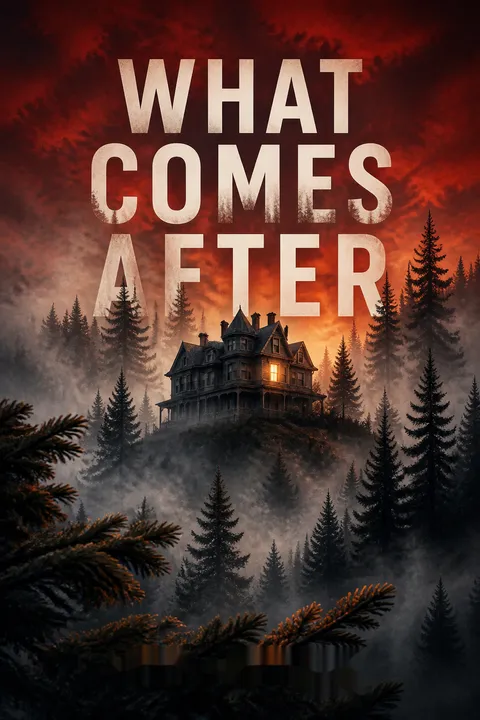

Plot Summary
Vanishing Boys, Shattered Lives
Daniel Balch, a high school senior, disappears after football practice, sending his father Isaac and mother Katherine into a desperate search. The community rallies, but hope turns to horror when Daniel's body is found, brutally murdered, and his childhood friend Jonah is discovered dead by suicide, leaving a note confessing to the killing. The town is left with more questions than answers, and the families are shattered, each member drowning in their own private grief. The violence and senselessness of the act haunt everyone, and the mystery of why it happened lingers, infecting every relationship and memory.
The Girl in the Woods
Evangeline, sixteen and pregnant, is abandoned by her mother and left to fend for herself in a decrepit trailer on the outskirts of Port Furlong. She scrapes by, stealing, scavenging, and counting pills as currency. Haunted by her past and the two dead boys she briefly knew, she is determined to survive for the sake of her unborn child. Her loneliness is profound, but she clings to small tokens—a bracelet from Jonah, a memory of fleeting kindness. As eviction looms, she sets her sights on Isaac Balch's house, believing it might offer the safety and belonging she's never known.
Grief's Unbearable Weight
Isaac and Katherine, now divorced, are consumed by grief. The town's collective mourning is public and performative, but Isaac finds no solace in rituals or religion. He is haunted by memories of Daniel's childhood, the empty house, and the ghostly presence of his son. The pain is compounded by the loss of Jonah, a boy he once considered family. The community's need for answers leads to rumors and blame, but the truth remains elusive, deepening the isolation of those left behind.
Seeking Shelter, Seeking Belonging
Driven by desperation, Evangeline ventures into the woods to retrieve Jonah's bracelet, a symbol of a brief, meaningful connection. She surveys the town from a distance, longing for a place to belong. The lights of Port Furlong represent warmth and family, but she feels destined to remain an outsider. Still, she promises her unborn child a better life, even as she doubts her own worth. Her journey is marked by resilience and a stubborn hope that somewhere, she might be wanted.
Ghosts, Memories, and Empty Rooms
Isaac wanders his once lively house, now silent and haunted by memories of Daniel and the life that might have been. The unfinished upstairs, where Daniel last lived, is a physical reminder of abandonment and unresolved pain. The house itself seems to mourn, its doors opening and closing as if animated by the spirits of the past. Isaac's only companion is Rufus, the family dog, who senses the sorrow and the secrets that linger in every room.
The Meeting of Strays
On a cold night, Isaac discovers Evangeline huddled under a tree on his property, led to her by Rufus. He brings her inside, offering food and a bed, moved by her vulnerability and fierceness. Their initial interactions are wary, each hiding wounds and secrets. Evangeline is determined not to trust, but the warmth of the house and Isaac's awkward kindness begin to thaw her defenses. Both are strays, abandoned by those they loved, and their tentative alliance is forged in mutual need.
Jonah's Last Night
In his final hours, Jonah reflects on the tangled emotions that led to Daniel's death—love, jealousy, shame, and the inability to separate good from evil when love is involved. He writes a note to absolve Evangeline, hoping she won't blame herself. Jonah's inner turmoil is raw and honest, revealing a boy overwhelmed by forces he cannot control. His suicide is both an escape and an act of penance, leaving behind only questions and pain.
The Web of Secrets
As Evangeline settles into Isaac's home, both struggle with the secrets they keep. Evangeline invents a backstory to protect herself, while Isaac suspects she knows more about the boys' deaths than she admits. The town's gossip machine churns, implicating a mysterious girl in the tragedy. Principal Peter, Isaac's friend, becomes entangled in the investigation, raising suspicions and complicating loyalties. The truth is obscured by layers of fear, shame, and the desperate need to belong.
The Uninvited Guest
Evangeline's arrival in Isaac's life forces him to confront his grief and the unresolved tensions with his ex-wife, neighbors, and friends. Her pregnancy becomes a focal point, raising questions about the baby's father and the possibility of new beginnings. The house, once a tomb, begins to stir with life, but the past is never far away. Both Isaac and Evangeline are haunted by what they have lost and what they fear they might lose again.
A Home for the Lost
Over time, Evangeline and Isaac establish a fragile trust. She returns to school, makes friends, and begins to imagine a future for herself and her child. Isaac, guided by Quaker principles and the wisdom of his friend George, tries to offer stability without intrusion. The presence of Rufus, whose own decline mirrors the family's grief, becomes a source of comfort and connection. Together, they learn that healing requires honesty, forgiveness, and the courage to stay.
The Truths We Hide
As the baby's due date approaches, the truth about its paternity becomes unavoidable. Evangeline confesses that neither Daniel nor Jonah is the father, shattering Isaac's hopes but freeing them both from the burden of lies. Lorrie, Jonah's mother, reenters their lives, offering support and understanding. The community of strays—Isaac, Evangeline, Lorrie, and Nells—begins to form a new kind of family, one built on acceptance rather than blood.
The Baby's Uncertain Father
The revelation of the baby's true origins forces everyone to reevaluate their relationships and responsibilities. Isaac grapples with the loss of his son and the possibility of loving a child who is not his own. Lorrie faces her own guilt and grief, while Evangeline must decide what kind of mother she will be. The house, once a place of sorrow, is transformed as preparations for the baby's arrival bring hope and purpose.
The Past That Haunts
The ghosts of Daniel and Jonah linger, their stories unfinished. Isaac's struggle with faith and forgiveness is mirrored by Evangeline's battle with shame and self-worth. The death of Rufus, the loyal dog who carried the family's grief, marks the end of an era and the beginning of another. The community rallies around Evangeline and her child, proving that love and belonging can be found in unexpected places.
Forgiveness and Family
The birth of Emma, Evangeline's daughter, is both a miracle and a test. Complications threaten mother and child, but the support of Isaac, Lorrie, and the community sees them through. Forgiveness becomes the central theme—of others, of oneself, of the past. The characters learn that family is not defined by blood but by the willingness to stay, to care, and to forgive. The house, once a symbol of loss, becomes a sanctuary for new life.
The Dog Who Knows
As Rufus nears the end of his life, his presence is a reminder of loyalty, love, and the mysteries that bind people together. His death is mourned deeply, but it also brings closure and a sense of peace. The rituals of burial and remembrance connect the living and the dead, the past and the future. Rufus's journey mirrors the characters' own paths toward acceptance and healing.
The Breaking and the Healing
The aftermath of tragedy leaves everyone changed. Isaac confronts his own failings and the limits of faith. Evangeline, once a runaway, becomes a mother determined to break the cycle of abandonment. Lorrie and Isaac, both wounded, find the courage to reach out and begin again. The community, fractured by loss, is slowly knit back together by acts of kindness and the shared work of living.
The Birth of Emma
Emma's arrival is fraught with danger but ultimately brings joy and renewal. The baby, a symbol of hope and possibility, unites the characters in a common purpose. The house is filled with light, laughter, and the sounds of new life. The boundaries between past and present, grief and joy, are blurred as the family—chosen, not given—embraces the future together.
Choosing to Stay Alive
In the end, the characters choose life over despair, connection over isolation. Isaac, Evangeline, Lorrie, and Emma form a family not bound by blood but by the willingness to love and forgive. The house, once haunted by ghosts, becomes a vessel for hope. The story closes with the promise that, despite all that has been lost, what comes after can be beautiful, if only we have the courage to say yes.
Analysis
What Comes After is a profound meditation on grief, forgiveness, and the possibility of new beginnings in the aftermath of tragedy. JoAnne Tompkins crafts a narrative that refuses easy answers, instead delving into the messy, nonlinear process of healing. The novel interrogates the nature of evil—not as an inherent trait, but as a force that can act on anyone, especially when love and pain are intertwined. Through its complex characters, the story explores the limits of understanding, the dangers of secrets, and the redemptive power of honesty and connection. The house at the center of the novel becomes a metaphor for the self: haunted, unfinished, but capable of transformation. Ultimately, What Comes After argues that family is not defined by blood, but by the willingness to stay, to forgive, and to love in the face of loss. The lessons are clear: healing requires vulnerability, community, and the courage to say yes to life, even when the future is uncertain. In a world marked by abandonment and violence, the novel offers a vision of hope—what comes after is what we choose to build together.
Review Summary
What Comes After is a deeply emotional debut novel that resonates strongly with most readers, earning an overall rating of 3.76/5. Reviewers frequently praise its richly developed characters, atmospheric Pacific Northwest setting, and themes of grief, forgiveness, and healing. Isaac's Quaker faith and the beloved dog Rufus receive particular attention. Many readers found it profoundly moving, though some criticize its slow pacing and excessive length. Trigger warnings for suicide, rape, and animal cruelty are consistently noted.
People Also Read









Characters
Isaac Balch
Isaac is a high school science teacher and Quaker, devastated by the murder of his only son, Daniel. His marriage to Katherine has ended, and he lives alone in a once-grand, now-haunted Victorian house. Isaac's grief is profound, manifesting in isolation, self-doubt, and a struggle with faith. He is drawn to acts of service and kindness, taking in Evangeline despite his own pain. Psychoanalytically, Isaac is a man wrestling with guilt, the fear of failing those he loves, and the challenge of forgiving both others and himself. His journey is one of gradual opening—learning to accept love, to forgive, and to build a new family from the ruins of the old.
Evangeline McKensey
Evangeline is a sixteen-year-old runaway, pregnant and alone after her mother's abandonment. Hardened by neglect and trauma, she is resourceful, guarded, and deeply mistrustful of adults. Her brief, intense connections with Daniel and Jonah leave her haunted by guilt and longing. Psychoanalytically, Evangeline embodies the struggle for self-worth and the fear of repeating cycles of abandonment. Her development is marked by the slow acceptance of care, the courage to tell the truth, and the determination to give her child a better life. Her relationship with Isaac, Lorrie, and eventually her daughter Emma, transforms her from a stray into someone capable of love and forgiveness.
Jonah Geiger
Jonah is Daniel's childhood friend, a boy marked by poverty, trauma, and a volatile home life. Sensitive and deeply loyal, he is overwhelmed by jealousy, shame, and the complexities of love and friendship. His final act—killing Daniel and then himself—is both a tragedy and a desperate attempt to end suffering. Psychoanalytically, Jonah represents the destructive power of unaddressed pain and the longing for redemption. His suicide note is a plea for understanding, absolution, and the hope that those he leaves behind will not carry his burden.
Lorrie Geiger
Lorrie is Jonah's mother, a woman hardened by years of abuse, loss, and survival. She is fiercely protective of her children, willing to make difficult choices to shield them from harm. Her relationship with Isaac is complicated by shared grief and unspoken blame. Psychoanalytically, Lorrie is a study in resilience and the costs of secrecy. Her eventual openness with Evangeline and Isaac is an act of courage, allowing for healing and the possibility of new connections.
Katherine Balch
Katherine is Isaac's ex-wife and Daniel's mother, living with the guilt of having left her family before her son's death. Her grief is compounded by distance and the sense of having failed as a mother. Psychoanalytically, Katherine embodies the pain of choices made and the longing for forgiveness. Her presence in the story is spectral, a reminder of what has been lost and the difficulty of returning.
Peter Thibodeau
Peter is Isaac's closest friend and the high school principal, a man admired for his integrity and warmth. His involvement in the investigation and later personal scandals reveal the fragility of reputation and the hidden struggles beneath the surface. Psychoanalytically, Peter represents the dangers of denial and the consequences of secrets. His downfall is a cautionary tale about the costs of failing to confront one's own darkness.
Rufus
Rufus is more than a pet; he is a companion to Daniel, Isaac, and later Evangeline. Sensitive to the emotions of those around him, Rufus embodies unconditional love and the mysteries of animal intuition. His decline and death mirror the family's journey through grief and healing. Psychoanalytically, Rufus is a grounding presence, a bridge between the living and the dead, the past and the present.
Nells Geiger
Nells is Jonah's younger sister, a girl navigating adolescence in the shadow of family tragedy. Her relationship with her mother and the other characters is marked by resilience and the struggle to find normalcy. Psychoanalytically, Nells represents the next generation, the hope that cycles of pain can be broken through love and attention.
Emma
Emma is Evangeline's daughter, born amid chaos and uncertainty. Her arrival forces the characters to confront their fears, hopes, and the possibility of redemption. Psychoanalytically, Emma is the embodiment of the future, the chance to begin again, and the proof that love can emerge from even the darkest circumstances.
George
George is a friend and spiritual guide to Isaac, leading the clearness committee that helps him confront his grief and guilt. Patient, compassionate, and grounded, George represents the power of community and the importance of honest reflection. Psychoanalytically, he is the archetype of the wise mentor, guiding others toward self-acceptance and growth.
Plot Devices
Multiple Perspectives and Nonlinear Narrative
The novel employs alternating perspectives—primarily Isaac, Evangeline, and Jonah—allowing readers to inhabit the inner worlds of each character. This structure creates empathy and suspense, as the truth of Daniel's death and the characters' motivations are gradually revealed. Nonlinear storytelling, with flashbacks and confessional chapters, deepens the emotional impact and mirrors the fragmented nature of grief and memory.
Mystery and Suspense
The central mystery—why did Jonah kill Daniel?—is slowly unraveled through clues, rumors, and the characters' own investigations. The presence of a mysterious girl, the uncertainty of the baby's father, and the secrets kept by adults create a web of suspense that propels the story forward. Foreshadowing and red herrings keep readers guessing, while the eventual revelations are both shocking and deeply human.
Symbolism and Motifs
The house, the unfinished upstairs, Rufus the dog, and Jonah's bracelet are recurring symbols of loss, hope, and connection. The motif of strays—both human and animal—underscores the theme of belonging. The changing seasons, the encroaching wild, and the rituals of burial and birth all serve as metaphors for the cycles of grief and renewal.
Quaker Spirituality and Clearness Committee
Isaac's Quaker faith shapes the novel's approach to healing and forgiveness. The clearness committee—a group process for seeking truth—serves as a narrative device for confronting guilt, shame, and the limits of understanding. The emphasis on silence, waiting, and the "inner light" offers a counterpoint to the noise of trauma and the clamor for answers.
Intergenerational Trauma and Redemption
The novel explores how trauma, abuse, and abandonment are passed down through families, but also how love, honesty, and forgiveness can interrupt these patterns. The birth of Emma, the healing of old wounds, and the formation of a chosen family suggest that redemption is possible, even if imperfect.
Download PDF
Download EPUB
.epub digital book format is ideal for reading ebooks on phones, tablets, and e-readers.








































