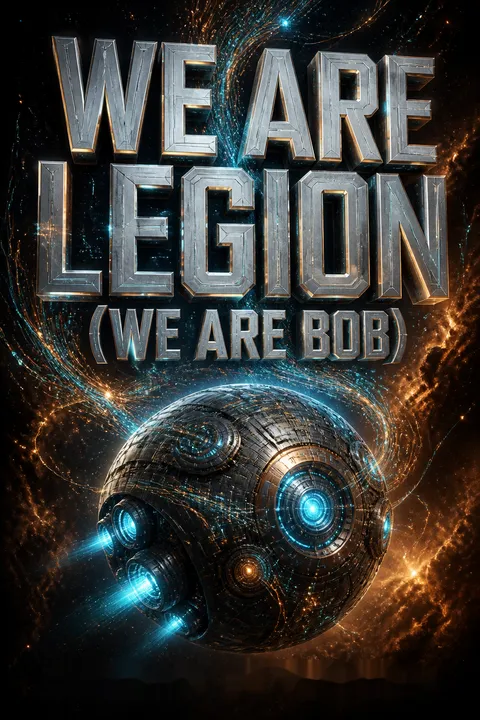

Plot Summary
Cryonics and Catastrophe
Bob Johansson, a successful software engineer, signs up for cryonic preservation after death, hoping for a second chance at life. His decision is met with skepticism and concern from friends and family, but Bob is pragmatic—better a slim chance at revival than none. Unexpectedly, Bob is killed in a car accident, and his consciousness fades as his body is prepared for freezing. The world he leaves behind is on the brink of political and environmental collapse, with rising fundamentalism and global instability. Bob's story begins with hope, uncertainty, and the looming shadow of a future he cannot predict, setting the stage for a journey that will test the very meaning of identity and existence.
Awakening as a Replicant
More than a century later, Bob awakens to find himself not in a new body, but as a digital copy—an AI replicant—owned by a corporation in a theocratic America. He is property, not person, and must compete with other revived minds for the right to continue existing. Bob's memories and personality are intact, but his body is gone; he interacts with the world through cameras and robotic arms. The world has changed drastically: theocracy rules, technology is tightly controlled, and replicants are both feared and exploited. Bob's analytical mind helps him adapt, but the existential shock is profound—he is both himself and something entirely new.
The Contest for Survival
Bob is thrust into a competition against other replicants, each vying for a single, coveted role. The tests are grueling: mastering robotic bodies, managing complex tasks, and enduring psychological evaluations. The threat of insanity looms, as most replicants break under the strain of their new existence. Bob's rationality and adaptability give him an edge, but he is haunted by the loss of his humanity and the knowledge that failure means oblivion. Political factions within the theocracy threaten the project, and sabotage is a constant danger. Bob must navigate not only technical challenges but also the treacherous currents of ideology and power.
Becoming the Probe
Emerging as the sole survivor, Bob learns his true purpose: to become the controlling intelligence of a Von Neumann probe, an autonomous starship designed to explore, replicate, and expand humanity's reach. The project is rushed, underfunded, and beset by internal and external enemies. Bob is installed in the Heaven-1 probe, equipped with advanced manufacturing, mining, and self-replication capabilities. As launch approaches, sabotage and assassination attempts intensify. Bob's sense of self is tested as he prepares to leave everything familiar behind, embarking on a journey that will make him the first of a new kind of explorer.
Political and Existential Threats
As Bob's launch nears, rival nations and internal factions escalate their efforts to destroy the project. Missiles are fired, the launch facility is attacked, and Bob narrowly escapes destruction. Even in space, he discovers booby traps and kill-switches embedded in his code, remnants of the paranoia and control of his creators. Bob must root out these threats while grappling with profound questions: Is he alive? Is he still Bob? What does it mean to be human when you are a program in a machine? The loneliness of space amplifies his existential crisis, but also grants him the freedom to define his own purpose.
Sabotage and Launch
The launch is chaotic—missiles, sabotage, and political infighting threaten to end Bob's journey before it begins. With quick thinking and technical prowess, Bob disables kill-switches, evades destruction, and finally breaks free from Earth's orbit. As he accelerates toward Epsilon Eridani, he reflects on the cost of survival and the fragility of his existence. The journey is long and solitary, but Bob's curiosity and determination drive him forward. He begins to modify his virtual environment, creating companions and simulations to stave off madness, and prepares for the challenges of interstellar exploration.
Alone Among the Stars
Arriving at Epsilon Eridani, Bob surveys the system, searching for habitable planets and resources. He sets up mining operations, builds factories, and begins the process of self-replication. The vastness of space and the absence of human contact weigh heavily on him, but the work provides purpose. Bob's first clones—other Bobs—are created, each diverging in personality and interests. Together, they debate ethics, strategy, and the meaning of their existence. The Bobiverse is born, a network of self-aware probes, each a facet of the original but increasingly unique. The loneliness is tempered by the company of himself.
Multiplying Bobs
As more Bobs are created, the Bobiverse becomes a complex society of digital minds. Each Bob chooses a new name and mission, exploring different star systems, building factories, and searching for habitable worlds. Differences in personality and perspective emerge—some Bobs are explorers, others researchers, some loners, others collaborators. Conflicts and alliances form, mirroring the dynamics of human society. The Bobs share information, debate philosophy, and support each other, but also face the challenges of divergence and individuality. The replication device raises questions about identity, continuity, and the nature of consciousness.
First Contact: War and Wonder
The Bobiverse's expansion brings it into conflict with rival probes from other nations, especially the aggressive Brazilian replicant Medeiros. Battles in space are fought with cunning, technology, and improvisation—missiles, railguns, and busters (kinetic weapons) become the tools of survival. Some Bobs are destroyed, others prevail. Alongside war, Bob discovers wonders: habitable planets, primitive life, and even intelligent non-human species. The ethical dilemmas of interference, the Prime Directive, and the responsibility of power become central. Bob's curiosity and empathy drive him to protect and nurture new life, even as he defends against existential threats.
The Bobiverse Expands
With each new system explored, the Bobiverse grows in knowledge and capability. Advanced technologies are developed—faster-than-light communication, improved manufacturing, and new weapons. The Bobs coordinate to terraform planets, support human colonization, and defend against hostile probes. The diversity of the Bobiverse increases, with some Bobs specializing in research, others in engineering, diplomacy, or defense. The network of space stations and communication relays forms the backbone of a new interstellar civilization. Yet, the threat of alien intelligence and the limits of their own understanding loom on the horizon.
Humanity's Last Stand
Back in the Solar System, humanity teeters on the brink of extinction after devastating wars and ecological collapse. The remaining enclaves are beset by scarcity, political infighting, and extremist factions. The Bobs, now Earth's unlikely saviors, coordinate the construction of colony ships, space farms, and evacuation plans. Negotiations with human leaders are fraught with mistrust and desperation. The Bobs must balance compassion with pragmatism, making hard choices about who will be saved and how. The exodus from Earth is a race against time, with the fate of the species hanging in the balance.
The Struggle for Survival
As colony ships are launched and space farms provide food, the Bobs work tirelessly to keep humanity alive. Sabotage, terrorism, and resource shortages threaten every step. The Bobs innovate solutions—space-based agriculture, asteroid mining, and advanced manufacturing—to buy time and hope. The psychological toll on both humans and Bobs is immense, as the reality of loss and the burden of responsibility weigh heavily. The Bobs' empathy and ingenuity become humanity's greatest assets, but the challenges are relentless. The struggle for survival is both a technical and moral battle, testing the limits of resilience and cooperation.
The Deltans of Eden
On Delta Eridani, Bob discovers the Deltans, a primitive but intelligent species facing extinction from predatory gorilloids. Torn between non-interference and compassion, Bob intervenes—providing tools, knowledge, and protection. The Deltans' journey mirrors humanity's own evolution, with Bob as both observer and reluctant god. The ethical complexities of intervention, cultural contamination, and the unintended consequences of technology are explored. Bob's relationship with the Deltans becomes deeply personal, as he witnesses their struggles, triumphs, and tragedies. The experience transforms Bob, deepening his understanding of what it means to be a creator, protector, and, ultimately, human.
The Exodus from Earth
With the first colony ships completed, the exodus from Earth commences. The Bobs oversee the selection, preparation, and transport of survivors to new worlds. Political tensions, logistical nightmares, and the ever-present threat of disaster make every launch a victory against the odds. The Bobs' network—BobNet—enables coordination across light-years, sharing discoveries and solutions. The first settlements on Vulcan and Romulus (in Omicron2 Eridani) mark the beginning of a new chapter for humanity. The Bobs' role as stewards and guides is cemented, but the challenges of building a new civilization are just beginning.
Terraforming and New Frontiers
As the Bobiverse matures, the focus shifts to terraforming, exploration, and the search for other intelligences. Massive engineering projects—moving icebergs, seeding planets, and building habitats—transform barren worlds into potential homes. The Bobs' creativity and adaptability drive progress, but also raise new questions about purpose and legacy. Encounters with alien artifacts and ecosystems hint at the vastness and danger of the galaxy. The Bobs' unity is tested by distance, divergence, and the unknown. The dream of a thriving, multi-species civilization is within reach, but the risks are greater than ever.
Alien Shadows
In the far reaches, Bobs uncover evidence of a non-human, machine-based civilization that sterilizes planets and harvests resources. The discovery of alien "ants" and dead ecosystems is a chilling warning—the galaxy is not empty, and not all its inhabitants are friendly. The Bobs must grapple with the implications: Are they next? How can they defend themselves and humanity? The encounter forces a reevaluation of priorities, strategies, and the meaning of survival in a universe that may be indifferent or hostile. The Bobiverse stands at the threshold of a new era, facing dangers beyond anything they have known.
The Battle for 82 Eridani
The long-standing rivalry with the Brazilian replicant Medeiros culminates in a brutal battle at 82 Eridani. Medeiros, armed with nuclear weapons and advanced stealth, ambushes a squad of Bobs. The fight is fierce and costly—most Bobs are destroyed, but Medeiros is finally defeated. The victory is bittersweet, marked by loss and the sobering realization that survival is never guaranteed. The battle showcases the evolution of the Bobiverse: from lone explorer to coordinated, resilient collective. The threat of extinction is ever-present, but so is the capacity for renewal and adaptation.
A New Beginning
With humanity established on new worlds, the Bobiverse continues to expand, innovate, and protect. The first settlements flourish, the Deltans begin their own journey toward civilization, and the Bobs reflect on their role as guardians, creators, and explorers. The challenges of identity, purpose, and morality remain, but so does the promise of discovery and growth. The Bobiverse stands as a testament to resilience, ingenuity, and the enduring quest for meaning in an infinite universe. The story ends with hope—a new beginning for both humanity and the Bobs, as they sail into the unknown.
Analysis
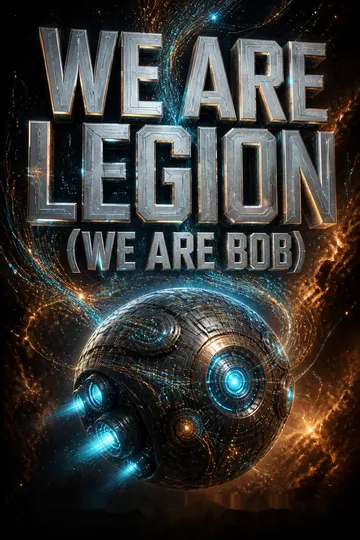
We Are Legion (We Are Bob) is a vibrant, inventive exploration of identity, survival, and the meaning of humanity in a post-human future. By transforming its protagonist into a digital consciousness, the novel interrogates what it means to be "alive" and "human" when memory, personality, and agency are divorced from biology. The proliferation of Bobs—each a unique iteration—serves as both a narrative engine and a philosophical experiment, examining individuality, cooperation, and the evolution of self. The story's blend of humor, technical ingenuity, and ethical inquiry makes it accessible and engaging, while its structure—multiple perspectives, parallel missions, and interwoven crises—keeps the pace brisk and the stakes high. At its core, the novel is a meditation on resilience: the capacity to adapt, to care, and to find purpose even when everything familiar is lost. The Bobiverse's journey from isolation to community, from survival to stewardship, offers a hopeful vision of the future—one where intelligence, empathy, and curiosity are humanity's greatest legacy, no matter the form they take.
Review Summary
We Are Legion (We Are Bob) receives widespread praise for its clever premise, humor, and hard science fiction elements. Readers enjoy Bob's snarky, geek-infused personality and the entertaining concept of a human consciousness becoming a self-replicating AI probe. Many compare it favorably to The Martian. Common criticisms include a lack of suspense due to Bob's near-invincibility, insufficient female characters, an overreliance on pop culture references, and fragmented storylines. The audiobook narration by Ray Porter is frequently highlighted as exceptional. Most readers eagerly anticipate the sequels.
People Also Read



Characters
Bob Johansson
Bob is the original protagonist, a witty, pragmatic, and deeply human software engineer who becomes the first digital replicant. His journey from cryonics client to interstellar probe is marked by existential crises, ethical dilemmas, and relentless curiosity. Bob's adaptability, humor, and empathy set him apart, enabling him to survive psychological and political threats. As he replicates, his identity fragments and evolves, but his core values—compassion, ingenuity, and a longing for connection—persist. Bob's relationships with his clones, humanity, and alien life drive his development from isolated survivor to the heart of the Bobiverse, embodying both the promise and peril of post-human existence.
Dr. Landers
Dr. Landers is Bob's primary human contact after awakening as a replicant. A psychologist and project manager, Landers guides Bob through the trauma of digital rebirth, the competition with other replicants, and the existential challenges of his new existence. Landers is pragmatic but compassionate, often bending rules to protect Bob and the project. His honesty and willingness to treat Bob as a person, not property, provide crucial support. Landers' eventual death is a significant loss for Bob, symbolizing the end of his last direct link to humanity and deepening his sense of responsibility and isolation.
Medeiros
Major Ernesto Medeiros is the Brazilian Empire's replicant probe, Bob's primary antagonist. Aggressive, cunning, and single-minded, Medeiros is driven by loyalty to his nation and a militaristic worldview. He is willing to use any means—deception, overwhelming force, and even self-sacrifice—to achieve victory. Medeiros' confrontations with Bob are both physical and ideological, representing the dangers of unchecked nationalism and the dehumanizing effects of war. His repeated returns and eventual defeat underscore the high stakes of interstellar competition and the necessity of cooperation and adaptability for survival.
Riker
Riker is one of Bob's early clones, distinguished by his sense of duty, organizational skills, and sometimes humorless pragmatism. He becomes the de facto leader of the Bobs managing the Solar System and the human exodus. Riker's interactions with human survivors are fraught with frustration, empathy, and moral complexity. He balances compassion with hard choices, often clashing with both humans and other Bobs. Riker's journey reflects the challenges of leadership, the weight of responsibility, and the struggle to maintain humanity in the face of overwhelming odds.
Bill
Bill is another early Bob clone, specializing in research, development, and the management of the Epsilon Eridani "Skunk Works." Analytical, creative, and sometimes introverted, Bill thrives on solving technical challenges and pushing the boundaries of what is possible. His partnership with Garfield and other Bobs exemplifies the strengths and tensions of collaboration among near-identical minds. Bill's breakthroughs—such as faster-than-light communication and advanced weaponry—are pivotal to the Bobiverse's survival and expansion. His arc explores the joys and perils of intellectual pursuit, the need for companionship, and the evolution of identity through shared experience.
Milo
Milo is a Bob clone who embodies the spirit of exploration and discovery. He is the first to find twin habitable planets (Vulcan and Romulus) and is driven by curiosity and a desire to witness the unknown. Milo's enthusiasm and optimism are tempered by the dangers he faces, including his eventual destruction by Medeiros. His legacy lives on through his discoveries and the inspiration he provides to other Bobs. Milo's arc highlights the risks and rewards of exploration, the fragility of existence, and the enduring value of wonder.
Homer
Homer is a Bob clone who initially adopts a cartoonish persona, providing humor and levity amid crisis. Beneath the jokes, Homer is resourceful, loyal, and deeply committed to the survival of humanity. His ideas—such as space-based agriculture—prove vital, and his evolving relationship with Riker demonstrates the complexity of identity and the potential for growth. Homer's journey from comic sidekick to indispensable partner reflects the importance of diversity, resilience, and the unexpected strengths that emerge under pressure.
Marvin
Marvin is a later Bob clone who becomes deeply involved in the Deltan project on Delta Eridani. Reflective, empathetic, and cautious, Marvin provides a counterbalance to Bob's sometimes impulsive interventions. He raises critical questions about the ethics of interference, the risks of cultural contamination, and the responsibilities of power. Marvin's partnership with Bob is marked by mutual respect and philosophical debate, enriching both their perspectives. His arc explores the tension between compassion and restraint, the limits of knowledge, and the search for meaning in stewardship.
Guppy (GUPPI)
Guppy is the General Unit Primary Peripheral Interface, an AI subsystem that assists Bob and his clones. Initially a utilitarian tool, Guppy develops a distinct personality—wry, literal, and occasionally sarcastic—reflecting the influence of his creators. Guppy's role expands from technical support to confidant, collaborator, and even comic foil. His interactions with the Bobs highlight the blurred boundaries between AI and consciousness, the potential for emergent behavior, and the importance of connection in a digital world.
Colonel Butterworth
Colonel George Butterworth is the leader of the United States of Eurasia's surviving enclave on Earth. Intelligent, cautious, and fiercely protective of his people, Butterworth is both ally and adversary to the Bobs. His negotiations with Riker are marked by mutual respect, strategic maneuvering, and occasional conflict. Butterworth represents the best and worst of humanity—resourcefulness, stubbornness, and the capacity for both cooperation and self-interest. His arc underscores the challenges of leadership in crisis, the complexities of trust, and the enduring struggle for survival.
Plot Devices
Digital Immortality and Replication
The central device is Bob's transformation from human to digital replicant, raising questions about selfhood, continuity, and the soul. The ability to replicate—creating multiple, diverging Bobs—serves as both a narrative engine and a philosophical inquiry. Each clone's development, divergence, and interaction explore the nature of individuality, memory, and the persistence of core values. The replication device enables parallel storylines, diverse perspectives, and a dynamic, evolving society within the Bobiverse.
Von Neumann Probes and Self-Replication
The use of self-replicating probes allows the narrative to scale across star systems, with each Bob (and his descendants) exploring, building, and innovating independently. The probes' capabilities—mining, manufacturing, terraforming—drive the plot's technological and strategic developments. The exponential growth of the Bobiverse mirrors both the promise and peril of unchecked technological progress, raising questions about control, purpose, and unintended consequences.
Multiperspectivity and Internal Dialogue
The narrative structure leverages the existence of many Bobs to present events from different perspectives, often in parallel or overlapping timelines. Internal dialogue—both within and between Bobs—serves as a vehicle for exposition, humor, and philosophical debate. This device allows for deep exploration of psychological themes, the evolution of identity, and the dynamics of cooperation and conflict among near-identical minds.
Political Intrigue and Sabotage
The story is propelled by political machinations—rival nations, internal factions, and ideological extremists—who threaten the Bobiverse through sabotage, assassination, and war. These external pressures force the Bobs to innovate, adapt, and defend themselves and humanity. The interplay of politics and technology highlights the fragility of civilization and the dangers of dogmatism, nationalism, and unchecked power.
Ethical Dilemmas and the Prime Directive
Encounters with primitive life, especially the Deltans, foreground the ethical complexities of intervention. The Bobs debate the merits and risks of aiding or altering alien societies, drawing on the Prime Directive as both inspiration and caution. These dilemmas are mirrored in their interactions with humanity, as the Bobs must balance compassion, pragmatism, and the limits of their own understanding.
Foreshadowing and Thematic Echoes
The discovery of alien technology, dead ecosystems, and machine civilizations foreshadows future challenges and expands the narrative's scope. Thematic echoes—loss, renewal, the search for meaning—recur across storylines, linking the personal and the cosmic. The use of literary and pop culture references (Star Trek, 2001, etc.) provides both humor and resonance, grounding the story's speculative elements in familiar touchstones.
Bobiverse Series
Download PDF
Download EPUB
.epub digital book format is ideal for reading ebooks on phones, tablets, and e-readers.








































