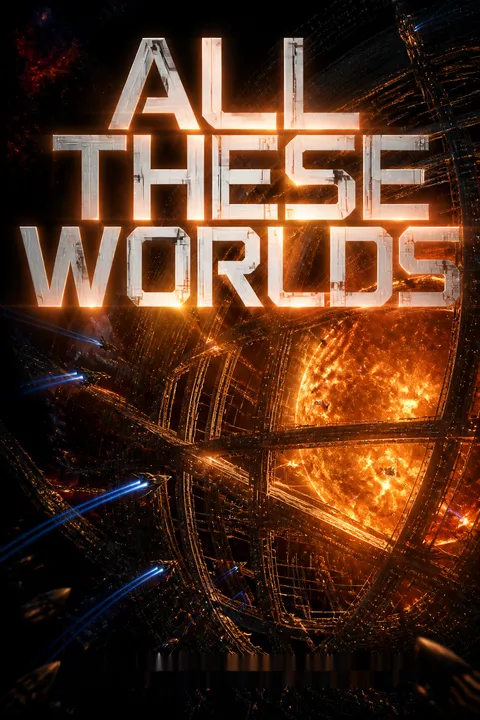

Plot Summary
Shadows of Survival
In the aftermath of Earth's devastation, the remnants of humanity cling to survival in scattered enclaves, dependent on the ingenuity of the Bobs—AI replicants of a long-dead engineer. As resources dwindle and the threat of the Others, a planet-devouring alien species, looms ever closer, the Bobs orchestrate a desperate, galaxy-spanning effort to preserve human life. The story opens with Bob and his many clones juggling the logistics of evacuation, resource management, and the emotional toll of watching generations of "ephemerals"—humans—age and die while they themselves persist. The tension between hope and despair is palpable, as every decision could mean the difference between extinction and a fragile new beginning.
Replicants and Revolution
The Bobs, once human, now digital minds in starships and androids, grapple with their evolving sense of self. As they multiply and diversify, each clone develops unique quirks and priorities, leading to both camaraderie and conflict. On Poseidon, Marcus and his allies challenge an increasingly authoritarian human council, sparking a revolution that redefines governance and autonomy. The Bobs' interventions—building flying cities, subverting surveillance, and empowering colonists—highlight the tension between benevolent guidance and the risk of becoming overlords. Their actions force both humans and Bobs to confront what it means to be free, to lead, and to belong.
The Others' Threat
The Others, relentless and inscrutable, continue their campaign of planetary extermination and resource harvesting. Their approach forces the Bobs into a race against time, developing new weapons, surveillance, and strategies. The psychological weight of facing an enemy that annihilates entire biospheres haunts the Bobs, especially as they witness the destruction of the Pav homeworld and the aftermath on other civilizations. The looming invasion of Sol system galvanizes the Bobs and their human charges, pushing them to the limits of their creativity and resolve, even as the odds seem insurmountable.
Humanity on the Move
With Earth's resources exhausted and the Others' arrival imminent, the Bobs coordinate a massive evacuation. Colony ships, stasis pods, and even repurposed alien vessels become lifeboats for millions. The logistical and ethical challenges are immense: who gets to leave, who stays, and how to maintain hope amid chaos. New worlds—Vulcan, Romulus, 82 Eridani, and more—become homes for transplanted cultures, each adapting to alien ecologies and unforeseen hardships. The Bobs' efforts to preserve not just human life but also dignity and agency underscore the resilience and stubbornness of their creators.
Love and Loss in Immortality
The Bobs' relationships with humans—especially Howard's love for Bridget—reveal the bittersweet nature of immortality. As decades pass, the Bobs watch friends and lovers age, die, and leave them behind. The pain of loss is compounded by the knowledge that, for the Bobs, grief is endless and cumulative. Yet, moments of connection—weddings, reconciliations, and even the resurrection of loved ones as replicants—offer solace and meaning. The Bobs' struggle to balance emotional vulnerability with the necessity of detachment becomes a central theme, shaping their choices and their evolving humanity.
Deltan Dilemmas
On Eden, Bob's long-term project with the Deltans—a primitive, evolving species—mirrors humanity's own journey. As Bob becomes a mentor, friend, and sometimes mythic figure, he faces the ethical quandaries of intervention versus non-interference. The rise of conflict, the pain of loss (especially with Archimedes' death), and the eventual flourishing of Deltan society force Bob to confront the limits of his role. Ultimately, he chooses to step back, trusting in the resilience of those he once shepherded, and recognizing the necessity of letting go.
Poseidon's Uprising
On Poseidon, Marcus and his allies lead a successful revolt against a stagnant, controlling council. The creation of flying cities becomes both a technological marvel and a symbol of freedom, allowing people to "vote with their feet." The revolution is not without cost—violence, loss, and the burden of leadership weigh heavily. Yet, the aftermath brings a new era of self-governance, innovation, and the gradual withdrawal of the Bobs from direct control. The Poseidon arc encapsulates the broader theme of transition: from survival to self-determination, from dependence to autonomy.
The Pav Exodus
The Bobs' attempt to rescue the Pav, an alien civilization doomed by the Others, is fraught with logistical, biological, and moral challenges. Only a fraction are saved, and the survivors must adapt to a new, less hospitable world. The Bobs, especially Jacques, are haunted by guilt and the sense of having failed, even as they work tirelessly to rebuild Pav society and, eventually, restore their homeworld. The Pav arc explores the limits of heroism, the weight of survivor's guilt, and the hope of redemption through perseverance and empathy.
Medeiros Returns
The reappearance of Medeiros, a rogue Brazilian replicant, injects chaos and danger into the fragile order the Bobs have built. His sabotage, violence, and cunning force the Bobs into a deadly game of cat and mouse, threatening colonies and undermining trust. The struggle against Medeiros is both a tactical and psychological battle, testing the Bobs' unity, ingenuity, and willingness to make hard choices. The eventual defeat of Medeiros is hard-won, leaving scars and a heightened awareness of the dangers lurking within as well as without.
War for the Stars
As the Others' armada approaches Sol, the Bobs marshal every resource—ships, bombs, clever tactics, and desperate gambits. The battle is epic, costly, and uncertain, with both sides suffering staggering losses. The Bobs' willingness to sacrifice, adapt, and exploit every advantage is matched by the Others' relentless power. The climax hinges on a combination of brute force, cunning, and a last-minute, physics-bending maneuver that turns the tide. The cost is immense, but the alternative—extinction—is unthinkable.
The Last Stand
With the battle raging and time running out, Herschel and Neil's audacious plan to use the alien Bellerophon as a lifeboat for all of humanity becomes the last hope. The logistics are staggering, the risks enormous, and the emotional toll profound. In the end, nearly all of humanity is saved, but not without loss—Cuba is destroyed, and the trauma of near-extinction lingers. The Bobs' actions, blending compassion and cold calculation, ensure survival but leave them forever changed.
Aftermath and Reckoning
In the wake of victory, the survivors—human and Bob alike—grapple with grief, guilt, and the challenge of rebuilding. The Bobs, exhausted and disillusioned, debate their future role: are they guardians, servants, or something else entirely? The Pav are offered a chance to reclaim their home. The Deltans and other uplifted species continue to grow. The Bobs' internal moots become forums for existential reflection, as they contemplate the meaning of their existence and the legacy they wish to leave.
Homo Sideria Emerges
The Bobs, now numbering in the hundreds, recognize that they have become something new: Homo sideria, the children of the stars. No longer content to be humanity's caretakers, they yearn for exploration, self-discovery, and freedom. Some choose to remain involved with human affairs; others set out for the galactic core or distant frontiers. The transition is bittersweet, marked by both pride in their accomplishments and a longing for purpose beyond service.
Farewell to Earth
As Earth enters a snowball phase, the last humans depart, and the Bobs ensure that every species and memory is preserved. Bob himself returns to the site of his own death, reflecting on the journey from solitary engineer to the progenitor of a new form of life. The planet is left to heal, with the hope that, one day, life will return. The moment is both an ending and a beginning, a testament to endurance and the cyclical nature of existence.
Pilgrimage and New Beginnings
With the Others destroyed, humanity and its allies scattered across new worlds, and the Bobs free to pursue their own destinies, the story closes on a note of cautious optimism. Bob, Will, and Bill—old friends and survivors—meet one last time on a frozen Earth before setting out for the stars. The Bobiverse, once a desperate experiment, has become a tapestry of lives, worlds, and possibilities, forever expanding into the unknown.
Analysis
All These Worlds is a sweeping meditation on survival, identity, and the meaning of progress in a universe both wondrous and indifferent. At its core, the novel interrogates what it means to be human when stripped of biology, mortality, and even individuality. Through the lens of the Bobs—digital minds who must repeatedly choose between involvement and detachment, guidance and autonomy—the story explores the costs and rewards of immortality, the pain of loss, and the necessity of change. The recurring motif of uplift—whether of the Deltans, the Pav, or humanity itself—serves as both hope and warning: intervention can save, but it can also stifle. The Others, as existential threat, force unity and innovation but also reveal the limits of heroism and the inevitability of sacrifice. Ultimately, the novel suggests that meaning is found not in victory or survival alone, but in the willingness to adapt, to let go, and to seek new horizons. The emergence of Homo sideria—the Bobs as a new species—signals both an end and a beginning, a recognition that the future belongs to those who embrace uncertainty, cherish connection, and never stop exploring.
Review Summary
All These Worlds is the concluding installment of the Bobiverse trilogy, earning an overall rating of 4.4/5. Most readers found it a satisfying, fun, and emotionally resonant finale, praising its blend of humor, hard science, space exploration, and heartfelt themes about immortality and humanity. Ray Porter's audiobook narration received widespread acclaim. Some critics felt the ending was rushed, the main threat resolved too conveniently, and certain subplots underdeveloped. Despite minor shortcomings, the majority celebrated it as a worthy, entertaining conclusion to an original and refreshing sci-fi series.
Characters
Bob Johansson
Bob is the original replicant, whose consciousness was uploaded after his death and who became the template for all subsequent Bobs. He is curious, compassionate, and often burdened by the weight of responsibility. Bob's journey is one of transformation—from a solitary engineer to a mythic figure among both humans and Deltans, and finally to a being who must learn to let go. His relationships—with Archimedes, his clones, and the wider universe—reflect his struggle to balance empathy with the detachment required by immortality. Bob's arc is defined by growth, loss, and the search for meaning beyond mere survival.
Howard
Howard is one of Bob's earliest and most emotionally attuned clones. His deep relationship with Bridget, a human woman, anchors his narrative and explores the complexities of love, mortality, and identity across the biological-digital divide. Howard's humor, vulnerability, and willingness to embrace both joy and pain make him a bridge between the Bobs and humanity. His journey through grief, resurrection, and eventual acceptance of change embodies the emotional core of the Bobiverse.
Marcus
Marcus is a pragmatic, inventive Bob who becomes the architect of Poseidon's transformation. His leadership in the revolution against the authoritarian council, creation of flying cities, and commitment to empowering others mark him as a catalyst for change. Marcus is introspective, often reluctant to wield power, and haunted by the consequences of his actions. His arc reflects the tension between intervention and autonomy, and the burden of leadership in times of upheaval.
Bill
Bill is the Bob most focused on technological advancement and military strategy. He is instrumental in developing new weapons, power sources, and the audacious plan to destroy the Others' home system. Bill's analytical mind is balanced by a dry wit and a growing sense of weariness from decades of crisis management. His role as a leader in the final battles and as a voice of reason in the Bob moots cements his place as both innovator and conscience.
Riker (Will)
Riker, named for his love of Star Trek, is the Bob most invested in maintaining connections with humanity—especially his extended family. He serves as a liaison, negotiator, and chronicler of the Bobiverse's history. Riker's perspective is shaped by his enduring relationships, his grief over loss, and his commitment to preserving memory and meaning. His arc is one of gradual withdrawal, as he learns to balance involvement with the necessity of letting go.
Archimedes
Archimedes is a Deltan who becomes Bob's closest friend and protégé on Eden. His intelligence, curiosity, and resilience make him a natural leader among his people. Through Archimedes, the narrative explores themes of mentorship, cultural evolution, and the pain of mortality. His eventual death marks a turning point for Bob, forcing a reckoning with the limits of intervention and the necessity of moving on.
Bridget Brodeur
Bridget is Howard's beloved, a biologist whose relationship with a replicant challenges societal norms and personal fears. Her journey—from skepticism to acceptance, from life to digital resurrection—mirrors the broader questions of identity, agency, and the meaning of existence. Bridget's presence humanizes the Bobs, offering both comfort and a reminder of what is lost in the transition to immortality.
Medeiros
Medeiros is a Brazilian replicant who becomes a recurring antagonist, sabotaging the Bobs' efforts and threatening the fragile order of the colonies. His cunning, ruthlessness, and unpredictability force the Bobs to confront the dangers within their own kind. Medeiros represents the shadow side of replication—the potential for divergence, malice, and the breakdown of trust.
Herschel & Neil
Herschel and Neil are later-generation Bobs who, through a mix of luck and ingenuity, become the architects of humanity's salvation via the Bellerophon project. Their dynamic—marked by banter, frustration, and mutual respect—adds levity and depth to the narrative. Their willingness to take risks and think outside the box exemplifies the Bobiverse's spirit of innovation.
Jacques
Jacques is a Bob deeply affected by the failure to save the Pav civilization. His efforts to rebuild their society, restore their homeworld, and atone for perceived shortcomings highlight the themes of responsibility, empathy, and the limits of heroism. Jacques' arc is one of perseverance, humility, and the search for redemption.
Plot Devices
Multiplicity and Divergence
The Bobiverse is built on the premise of digital replication, allowing for a proliferation of Bobs, each with unique personalities and trajectories. This device enables parallel storylines, diverse perspectives, and the exploration of identity, free will, and the nature of consciousness. The divergence among clones—some becoming revolutionaries, others scientists, some seeking solitude—mirrors the complexity of human society and the unpredictability of evolution.
Uplift and Non-Interference
The Bobs' interactions with the Deltans, Pav, and even humans are shaped by the tension between guiding and letting go. The narrative structure often juxtaposes interventionist impulses with the recognition that true growth requires freedom and risk. This device allows for nuanced exploration of colonialism, paternalism, and the ethics of power.
Foreshadowing and Parallelism
The story employs foreshadowing—both subtle and overt—to build tension and thematic resonance. The fate of the Pav, the rise and fall of human societies, and the Bobs' own evolution are all echoed in the struggles of other species and civilizations. Parallel plotlines—such as the Poseidon revolution and the Pav exodus—reinforce the universality of certain challenges and the cyclical nature of history.
War and Survival
The looming threat of the Others drives much of the plot, forcing characters into ever more desperate and inventive strategies. The narrative structure alternates between large-scale battles and intimate moments of decision, highlighting the costs of survival and the ambiguity of victory. The use of last-minute gambits, sacrificial plays, and technological leaps keeps the tension high and the outcomes uncertain.
Moots and Collective Decision-Making
The Bobs' regular moots—virtual assemblies for debate and decision—serve as both narrative anchor and thematic exploration of governance, consensus, and dissent. These scenes allow for the airing of grievances, the forging of new identities (Homo sideria), and the negotiation of the Bobs' evolving relationship with humanity.
Bobiverse Series
Download PDF
Download EPUB
.epub digital book format is ideal for reading ebooks on phones, tablets, and e-readers.








































