
Plot Summary
Shattered Beginnings, Hidden Agendas
The story opens with violence and loss: young Rose Linden witnesses her parents' brutal murder at the hands of Ironwood's agents, setting the tone for a world where time travel is both a gift and a curse. The trauma forges her into a survivor, vowing revenge. Meanwhile, Etta Spencer, a modern violin prodigy, is ripped from her life and thrust into a centuries-spanning conflict. The astrolabe—a device that can manipulate time—becomes the object of obsession for powerful families. Etta's journey begins with confusion, pain, and the realization that her life, and the lives of those she loves, are at the mercy of hidden agendas and ancient feuds. The emotional stakes are set: survival, vengeance, and the desperate search for belonging.
Orphaned by Time's Shift
Etta awakens in a strange time, orphaned by a shift in the timeline. The Thorns, Ironwoods, and other traveler families are locked in a war to control the astrolabe and, by extension, history itself. Nicholas Carter, a man of honor and pain, searches for Etta, haunted by guilt and love. Both are forced to navigate a world where the past is unstable and the future uncertain. The emotional cost of time travel is revealed: families are torn apart, memories are unreliable, and the very fabric of identity is threatened. Etta and Nicholas, separated by centuries, cling to the hope of reunion, even as the world they knew dissolves around them.
Relentless Pursuit and Unlikely Alliances
Nicholas and Sophia Ironwood, once adversaries, are forced into an uneasy partnership as they search for Etta and the astrolabe. Their journey takes them through dangerous passages and across continents, pursued by Ironwood's agents and the mysterious Shadows—travelers twisted into killers by an ancient evil. Along the way, they encounter Li Min, a mercenary with her own secrets, and Julian Ironwood, Nicholas's estranged brother, presumed dead. The group's alliances are fragile, built on necessity rather than trust. Each character is forced to confront their own prejudices, regrets, and desires, forging bonds that will be tested by betrayal and sacrifice.
The Shadows in the Dark
The Shadows, servants of the immortal Ancient One, begin to close in. Their presence is felt in every era, their violence escalating as they hunt for the astrolabe. Li Min reveals her own traumatic past as a former Shadow, deepening the sense of danger and the cost of survival. The group learns that the astrolabe's origins are tied to alchemy and a family curse, and that its destruction or misuse could have catastrophic consequences. The emotional toll mounts as friends are lost, trust is shattered, and the line between good and evil blurs. The Shadows embody the darkness at the heart of the traveler world—a darkness that threatens to consume them all.
Family Ties and Betrayals
Etta discovers her true parentage: her father is Henry Hemlock, leader of the Thorns, and her mother, Rose Linden, is both a victim and a perpetrator of the traveler wars. The revelation is both a balm and a wound, offering Etta a sense of belonging but also exposing her to new dangers. Betrayals abound: Li Min's secret allegiance to the Thorns, Sophia's shifting loyalties, and Julian's return from the dead. The characters are forced to confront the legacies of their families—their strengths, their cruelties, and the patterns of violence that repeat across generations. The emotional core is the longing for love and acceptance, even as the past threatens to dictate the future.
The Price of Power
The astrolabe's power to alter time is both a blessing and a curse. Ironwood's obsession with it is revealed to be rooted in grief and the desire to undo personal loss, while others see it as a tool for justice or revenge. Etta and Nicholas grapple with the moral implications of using or destroying the device: can they justify sacrificing their own happiness for the greater good? The cost of power is made clear—innocents suffer, families are destroyed, and the world is reshaped by the whims of a few. The emotional stakes are heightened as each character must decide what they are willing to lose, and who they are willing to become, in pursuit of their goals.
Patterns of Loss and Hope
The characters begin to see the patterns that govern their lives: cycles of violence, betrayal, and loss. Yet, within these patterns, there are moments of hope—acts of kindness, forgiveness, and love that offer the possibility of breaking free. Etta and Nicholas's love becomes a beacon, a reason to fight for a better future. The Thorns and their allies dream of a world where families are reunited and the tyranny of the Ironwoods is ended. The emotional arc is one of resilience: even as the past threatens to repeat itself, the characters refuse to surrender to despair, searching for meaning and connection in the face of overwhelming odds.
The Belladonna's Bargain
The enigmatic Belladonna, a collector and auctioneer of lost treasures, offers the astrolabe to the highest bidder—not in gold, but in secrets and favors. Nicholas, desperate to save Etta and end the cycle of violence, strikes a bargain that binds him to a deadly task: assassinate Ironwood, or die from a slow, magical poison. The auction becomes a battleground, with Shadows, Thorns, Ironwoods, and outsiders all vying for control. The Belladonna's true motives are revealed to be as complex as the device she sells, and her actions set in motion the final confrontation. The emotional tension is at its peak: love, loyalty, and survival are all on the line.
Bloodlines and Broken Promises
The auction erupts into chaos as the Shadows attack, the Ancient One reveals himself, and the astrolabe changes hands. Ironwood's true motivations are laid bare—his quest for the astrolabe is driven by love and loss, not just power. Rose sacrifices herself to save Etta, and Henry is gravely wounded. Nicholas, torn between his promise to destroy the astrolabe and his love for Etta, faces an impossible choice. The cost of broken promises and the weight of bloodlines come due. The emotional climax is devastating: sacrifices are made, families are shattered, and the future hangs in the balance.
The Auction of Fate
In the chaos, Nicholas seizes the astrolabe and, despite Etta's pleas, destroys it—ending the traveler world and closing the passages forever. Time resets, scattering the survivors to their natural eras. Etta is returned to a changed New York, alone and grieving. Nicholas awakens in his own time, marked by the astrolabe's power, but separated from everyone he loves. The consequences of their choices are immediate and irreversible. The emotional fallout is profound: hope is replaced by loss, and the dream of reunion seems impossible. Yet, the act of destruction is also an act of mercy, ending the cycle of violence and granting the world a chance to heal.
Alone in the Aftermath
Etta struggles to adapt to her new life, haunted by memories of her journey and the people she has lost. She finds solace in music, friendship, and the small acts of kindness that connect her to the world. Nicholas, too, is adrift, wrestling with guilt and longing. Both are forced to confront the reality of their choices and the pain of separation. The emotional arc is one of mourning, but also of resilience: even in isolation, they refuse to let go of hope. The world is changed, but the possibility of reunion lingers, a faint melody in the background of their lives.
The Gift of Survival
Nicholas discovers that destroying the astrolabe has left him with its power: he alone can create new passages, but at great personal cost. The Belladonna's letter reveals that he was chosen for his selflessness, and that the power will die with him. He faces a new dilemma: should he use this gift to reunite families, to find Etta, or to let the world rest? The emotional weight of responsibility is crushing, but Nicholas's love for Etta and his sense of justice guide him. The story becomes one of agency: the power to shape the future is both a blessing and a curse, and Nicholas must decide what kind of legacy he will leave.
Reunions and New Beginnings
Against all odds, Nicholas finds a way to reach Etta in her new timeline, using a token from her era to open a passage. Their reunion is joyful, bittersweet, and hard-won. Together, they seek out the scattered survivors, reuniting families and forging a new community from the ashes of the old. The emotional arc is one of healing: wounds are tended, forgiveness is offered, and the possibility of a better future is embraced. The story ends not with a return to the past, but with the creation of something new—a world where love, courage, and hope are the true legacies of the wayfarers.
The Journey's True End
The final chapter is one of reflection and peace. Etta, Nicholas, and their friends have broken the patterns of violence and loss that haunted their families for generations. The astrolabe's power is gone, but the lessons remain: the importance of choice, the value of love, and the necessity of sacrifice. The story closes with Etta performing on stage, her music a testament to survival and hope. In the audience, her family—by blood and by choice—watches, united at last. The journey is over, but the story continues, carried forward by those who remember and those who dare to dream of a better world.
Analysis
Wayfarer is a sweeping, emotionally charged exploration of time, trauma, and the power of choice. At its heart, the novel interrogates the cost of rewriting history—both for individuals and for the world. Through its intricate plot and deeply human characters, the story asks whether it is possible to break free from the patterns of violence and loss that define us, or whether we are doomed to repeat them. The astrolabe, as both a literal and symbolic device, embodies the temptation to use power for personal gain, and the danger of believing that one person can—or should—control the fate of many. The novel's resolution is both hopeful and bittersweet: true freedom comes not from erasing the past, but from accepting it, learning from it, and choosing to build something better. The reunion of Etta and Nicholas, and the restoration of families, is not a return to innocence, but a hard-won peace forged through sacrifice, forgiveness, and love. In a modern context, Wayfarer speaks to the necessity of confronting history's wounds, the importance of agency, and the enduring power of hope.
Review Summary
Wayfarer received mixed reviews, with many praising its diverse characters, complex plot, and satisfying conclusion to the duology. Readers appreciated the exploration of social issues and historical settings. Some found the pacing slow and the separation of main characters frustrating. The writing style was praised for its beauty but criticized for being overly descriptive at times. Many enjoyed the character development, particularly for Sophia. While some felt confused by new plot elements, overall the book was well-received as an emotional and engrossing finale.
Characters
Etta Spencer
Etta is a gifted violinist whose life is upended when she is thrust into the world of time travelers. Her journey is one of self-discovery, resilience, and sacrifice. Torn between her longing for family and her sense of justice, Etta is forced to confront the legacies of trauma, betrayal, and love. Her relationship with Nicholas is the emotional core of the story, offering both solace and challenge. Etta's greatest strength is her refusal to surrender to despair; she finds meaning in music, friendship, and the small acts of courage that define her. Over the course of the novel, she transforms from a passive victim of fate to an active agent of change, willing to risk everything for those she loves.
Nicholas Carter
Nicholas is a man marked by loss, prejudice, and the weight of expectation. Born to a world that denies him agency, he carves out a life of honor and resilience. His love for Etta is both a source of strength and vulnerability, driving him to impossible choices. Nicholas's journey is one of self-forgiveness and acceptance: he must learn to let go of the past, to trust in his own worth, and to embrace the power he never sought. The destruction of the astrolabe leaves him with a unique gift—and a crushing responsibility. His arc is defined by sacrifice, but also by hope: he chooses love over vengeance, and in doing so, breaks the cycle of violence that has haunted his family for generations.
Sophia Ironwood
Sophia is a study in contradictions: ruthless yet vulnerable, loyal yet self-serving. Raised in the shadow of Ironwood's cruelty, she learns to trust only herself. Her journey is one of painful growth, as she confronts her own complicity in the family's violence and learns to forge genuine connections—with Nicholas, with Li Min, and, ultimately, with herself. Sophia's loss of her eye is both a literal and metaphorical wound, forcing her to adapt and to see the world anew. Her relationship with Li Min is a rare source of tenderness, offering the possibility of healing. Sophia's arc is one of emancipation: she rejects the roles assigned to her and claims her own destiny.
Julian Ironwood
Julian is Nicholas's half-brother, presumed dead but very much alive. His journey is one of redemption: from self-serving opportunist to someone capable of loyalty and sacrifice. Julian's charm masks deep insecurities and a fear of responsibility. His relationships—with Nicholas, with Sophia, and with Etta—force him to confront his own failings and to choose a side in the conflict. Julian's arc is one of growth: he learns that true courage is not the absence of fear, but the willingness to act in spite of it. His presence offers both comic relief and emotional depth, highlighting the complexities of family and forgiveness.
Li Min
Li Min is a mercenary with a traumatic past: once a Shadow, she escaped and forged a new life as a pirate and a spy. Her skills are invaluable, but her loyalties are complex. Li Min's relationship with Sophia is a rare source of vulnerability, allowing her to lower her defenses and seek connection. Her arc is one of healing: she learns to trust, to forgive, and to accept help. Li Min's knowledge of the Shadows and the ancient evil at the heart of the traveler world is crucial to the group's survival. Her presence challenges the others to confront their own darkness and to find strength in solidarity.
Rose Linden
Rose is Etta's mother, a woman shaped by loss, paranoia, and the burden of prophecy. Her actions—hiding the astrolabe, manipulating her daughter, and ultimately sacrificing herself—are driven by a desperate desire to protect her family and the world. Rose's arc is one of tragedy: she is both a victim and a perpetrator, haunted by visions of destruction and unable to break free from the patterns of violence that define her life. Her relationship with Etta is fraught, marked by love, disappointment, and the longing for understanding. Rose's death is both a loss and a release, allowing Etta to step out of her shadow and claim her own destiny.
Henry Hemlock
Henry is the leader of the Thorns and Etta's father. His presence offers stability, wisdom, and a sense of belonging. Henry's arc is one of reconciliation: he must come to terms with the choices of his past, the loss of Rose, and the responsibilities of leadership. His relationship with Etta is a source of healing for both, allowing them to forge a new family from the ruins of the old. Henry's willingness to sacrifice for the greater good, and his ability to forgive, make him a model of the kind of leader the traveler world needs.
Cyrus Ironwood
Ironwood is the antagonist, driven by grief, ambition, and the desire to control time itself. His quest for the astrolabe is rooted in personal loss—the death of his beloved wife—and a belief that he alone can shape history for the better. Ironwood's arc is one of hubris: his refusal to accept the limits of power leads to his downfall. Yet, he is not a one-dimensional villain; his moments of vulnerability and regret reveal a man broken by the very patterns he perpetuates. Ironwood's death is both a victory and a warning: the cost of unchecked ambition is the destruction of all that one holds dear.
The Belladonna
The Belladonna is a mysterious figure who collects lost treasures and secrets, orchestrating the auction that becomes the story's turning point. Her motives are inscrutable, her power immense. She tests the characters, forcing them to confront their desires and fears. The Belladonna's true allegiance is to balance: she seeks to end the cycle of violence by choosing a worthy bearer for the astrolabe's power. Her arc is one of intervention: she shapes the story from the shadows, ensuring that the right choices are made, even at great personal cost.
The Ancient One / Shadows
The Ancient One is the original time traveler, sustained by consuming the power of the astrolabes and the lives of others. The Shadows are his servants, twisted by violence and loss. Together, they represent the darkness at the heart of the traveler world—the temptation to use power for personal gain, regardless of the cost. Their defeat is both a literal and symbolic victory: the end of an era of suffering, and the possibility of a new beginning. The Ancient One's arc is one of decay: his immortality is a curse, and his destruction is necessary for the world to heal.
Plot Devices
Time Travel and Orphaning
The narrative structure is built around the concept of time travel, with passages connecting different eras. The device of "orphaning"—being flung to the last common year when the timeline is altered—serves as both a plot engine and a metaphor for loss and displacement. The instability of time creates tension, as characters are forced to adapt to new realities and confront the consequences of their actions. Foreshadowing is used throughout: early hints of the Shadows, the true nature of the astrolabe, and the patterns of violence that repeat across generations. The story's structure mirrors its themes: cycles of loss and hope, the search for belonging, and the possibility of breaking free from the past.
The Astrolabe
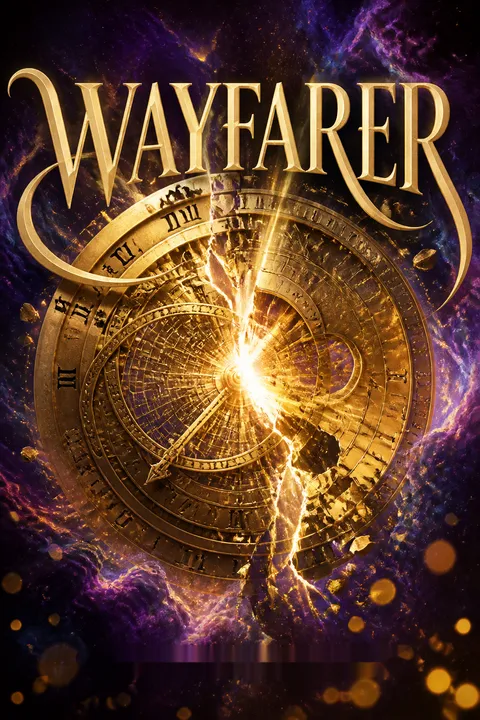
The astrolabe is both a MacGuffin and a symbol: it represents the power to shape history, but also the danger of unchecked ambition. Its origins in alchemy and family curses tie the personal to the cosmic, making every choice a matter of life and death. The device's destruction is the story's climax, forcing the characters to confront what they truly value. The astrolabe's power is seductive, offering the possibility of undoing loss, but its use always comes at a cost. The final twist—that its destruction grants Nicholas the power to create passages—reframes the story as one of agency and responsibility.
The Belladonna and the Auction
The Belladonna's auction is the narrative's turning point, bringing together all the major players and forcing them to reveal their true motives. The auction's rules—bidding with secrets and favors—underscore the story's themes of trust, betrayal, and the price of power. The Belladonna herself is a plot device: she tests the characters, manipulates events, and ensures that the right choices are made. The auction's chaos mirrors the chaos of history, and its aftermath sets the stage for the story's resolution.
Patterns and Cycles
The story is structured around patterns: cycles of violence, betrayal, and loss that repeat across generations. Characters are haunted by the past, but also given the chance to break free. The motif of music—Etta's violin, the rhythms of time—serves as a counterpoint to the chaos, offering the possibility of harmony and renewal. The narrative's resolution is not a return to the past, but the creation of something new: a world where love, courage, and hope are the true legacies of the wayfarers.
Passenger Series
About the Author
Other books by Alexandra Bracken

Download PDF
Download EPUB
.epub digital book format is ideal for reading ebooks on phones, tablets, and e-readers.








































