
Plot Summary
Prologue: Lost in Bhutan
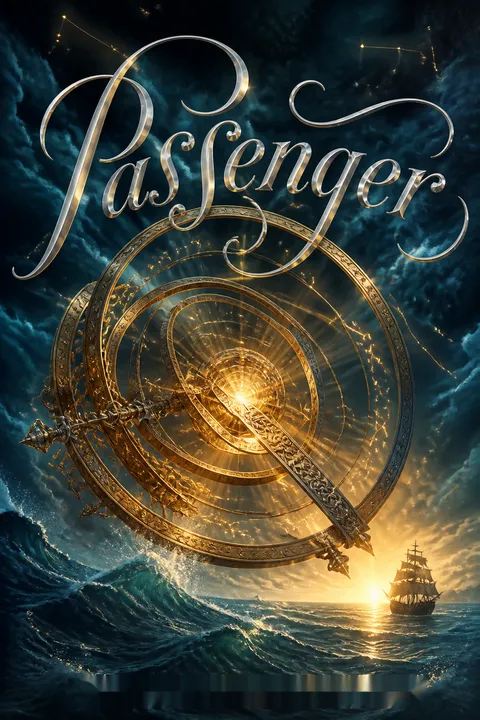
In the misty heights of Bhutan, Nicholas Carter and his half-brother Julian Ironwood search for a legendary artifact. Their uneasy alliance, shaped by family secrets and servitude, is shattered when Julian falls to his death during a storm. Nicholas, haunted by guilt and the manipulations of the Ironwood patriarch, is left with the knowledge that time itself can erase even the most painful memories. This prologue sets the tone for a story where fate, family, and the power to travel through time are inextricably linked, and where the past is never truly past.
The Concert Catastrophe
In present-day New York, Etta Spencer prepares for her violin debut, desperate for her mother Rose's approval. The night is marred by tension, unresolved family secrets, and a mysterious sound only Etta and a stranger, Sophia, can hear. When Etta's beloved mentor Alice is shot in the chaos at the Metropolitan Museum, Sophia drags Etta through a shimmering passage—ripping her from her world and plunging her into darkness. Etta's life, once defined by music and ambition, is upended in an instant, and she awakens somewhere—and somewhen—completely unknown.
Shattered in Time
Etta regains consciousness on a ship in the middle of the Atlantic, 1776. Disoriented and traumatized, she is thrust into a world of violence, privateers, and strangers. Nicholas Carter, the ship's prize master, is both her rescuer and her jailer. Etta quickly learns that Sophia is not a friend but a manipulator, and that her own mother's secrets run deeper than she ever imagined. As Etta struggles to survive, she must navigate the treacherous waters of the past—both literal and metaphorical.
Aboard the Privateer
Life aboard the captured Ardent is a crash course in eighteenth-century dangers and social hierarchies. Etta and Nicholas, both outsiders in their own ways, form a wary partnership. Dinner with the officers exposes the era's racism and misogyny, and Etta's impulsive defense of Nicholas sets her apart. The two are drawn together by necessity and a growing mutual respect, even as Sophia's true motives and the Ironwood family's reach become increasingly apparent.
Secrets and Alliances
Sophia reveals the existence of time travelers, the rules that bind them, and the Ironwood family's ruthless dominance. Etta learns that her mother, Rose, is a legendary fugitive among travelers, and that Etta herself is a "blank slate"—uniquely valuable because she has not yet altered the timeline. The rules of time travel are strict: passages connect only certain years, travelers cannot cross paths with themselves, and the consequences of changing history are dire. Etta's quest becomes not just survival, but understanding her own legacy.
The Rules of Survival
Etta must quickly adapt to the expectations of the past—dressing, speaking, and behaving as a proper young lady, even as she plots her escape. She befriends Jack, a cabin boy, and learns the value of small alliances. Nicholas, meanwhile, is torn between his duty to Ironwood and his growing feelings for Etta. The ship's journey to New York is fraught with danger, but also moments of connection and hope.
Unlikely Partners
Arriving in 1776 New York, Etta, Nicholas, and Sophia are swept into the chaos of the city's Great Fire. Ironwood's power is everywhere, and his ultimatum is clear: Etta must find the astrolabe—a device that can create new passages through time—or her mother will die. Nicholas is forced into a devil's bargain, agreeing to help Etta in exchange for his own freedom. Their partnership, forged in adversity, becomes the heart of the story.
Ironwood's Ultimatum
Cyrus Ironwood reveals his true plan: he wants the astrolabe to rewrite history and save his lost love, no matter the cost to the future. Etta is given a coded letter from her mother, filled with riddles that will lead her to the astrolabe. With Nicholas at her side, she must race through time—London during the Blitz, the jungles of Cambodia, the streets of Paris, and the deserts of Syria—solving clues and evading enemies, all while the deadline to save her mother looms.
The Astrolabe's Trail
Each passage brings new dangers and revelations. In London, Etta reunites with a young Alice, her future mentor, and learns the astrolabe's true power: it can create new passages, not just read them. In Cambodia and Paris, Etta and Nicholas face both external threats and the internal struggle of their growing love. The clues lead them to Damascus, where betrayal and violence threaten to destroy everything.
London Under Fire
In war-torn London, Etta and Nicholas are hunted by both Ironwood's guardians and the rival Thorns. The city's chaos mirrors their own desperation. Etta's reunion with Alice is bittersweet, as she realizes she cannot save her mentor without risking the timeline. The couple's bond deepens, but so do the dangers, as they are forced to make impossible choices about loyalty, love, and the future.
Reunion and Revelations
In Damascus, Etta meets her great-uncle Hasan and uncovers the final clues to the astrolabe's location. Betrayed by Sophia and the Thorns, Etta and Nicholas are separated and left for dead in the desert. Nicholas, gravely wounded, confesses his own secrets and the depth of his love for Etta. Etta, in turn, must decide whether to destroy the astrolabe and risk losing her mother forever.
Through the Jungle
Etta and Nicholas's journey through the Cambodian jungle and the Parisian underworld tests their endurance and their relationship. They face tigers, snakes, and the ghosts of their pasts. Each trial brings them closer together, but also closer to the story's inevitable heartbreak. The astrolabe's power is both a blessing and a curse, and the choices they make will echo through time.
The Parisian Encounter
In Paris, Etta and Nicholas encounter Nicholas's father, Augustus Ironwood, and narrowly escape with their lives. The realization that the astrolabe's trail is a carefully constructed path—one that Etta's mother designed for her—forces Etta to confront the true nature of destiny and free will. The lovers must decide whether to follow the path or forge their own.
Damascus and Betrayal
In Damascus, Sophia's ambition and resentment boil over. She betrays Etta, aligning with the Thorns to seize the astrolabe for herself. Etta is wounded, Nicholas is left for dead, and the astrolabe falls into enemy hands. The timeline is altered, and Etta is flung into a wrinkle in time—lost, alone, and orphaned from her own era.
Desert Showdown
Nicholas, believing Etta dead, is consumed by grief and rage. He vows revenge on Sophia and the Thorns, but is given a glimmer of hope by Rose, Etta's mother, who reveals that Etta may have survived in another time. The story becomes a race against time—not just to recover the astrolabe, but to find Etta and restore the future.
The Wrinkle in Time
Etta, cast adrift by the altered timeline, must find her way back—if she can. Nicholas, with the help of Rose and Hasan, sets out to track the Thorns and recover the astrolabe. The cost of power, the pain of loss, and the hope of reunion drive both characters to their limits.
Love and Sacrifice
Etta and Nicholas's love, forged in adversity, becomes their anchor. Both are forced to confront the reality that they may never be together in the same time or place. Their sacrifices—of ambition, of safety, of certainty—are the price of freedom and love. The story's emotional climax is a testament to the power of choice, even when fate seems unyielding.
The Cost of Power
The astrolabe's fate, the future of the timeline, and the survival of Etta and Nicholas all hang in the balance. The story ends with hope and heartbreak intertwined: the past cannot be changed without consequence, but love endures, and the future remains a story yet to be written.
Analysis
Passenger is a sweeping, emotionally charged exploration of fate, agency, and the cost of rewriting history. Alexandra Bracken uses the device of time travel not just for adventure, but as a lens to examine trauma, legacy, and the ways in which the past shapes the present. The novel's central question—who has the right to decide what history should be?—is never answered simply. Every character is forced to confront the limits of their power, the pain of loss, and the impossibility of saving everyone. Etta and Nicholas's romance, forged in adversity, is both a source of hope and a reminder of the sacrifices required by love. The story's structure—a scavenger hunt through history—mirrors the process of self-discovery, as Etta learns to claim her own destiny even when it means letting go. In a modern context, Passenger resonates as a meditation on privilege, oppression, and the dangers of unchecked ambition. Its ultimate lesson is that the future is unwritten, and that the choices we make—however small—can echo through time.
Review Summary
Passenger received mixed reviews from readers. Many praised the time travel concept, historical settings, and diverse characters, particularly the interracial romance between Etta and Nicholas. Readers enjoyed Bracken's writing style and world-building. However, some found the pacing slow, especially in the beginning, and criticized the lengthy descriptions and information dumps. The romance was divisive, with some loving the slow-burn development while others felt it was insta-love. Despite these issues, many readers were intrigued by the cliffhanger ending and looked forward to the sequel.
People Also Read
Characters
Etta Spencer
Etta is a fiercely talented violinist whose life is upended when she is thrust into the world of time travel. Her longing for her mother's approval and her own sense of purpose drive her journey. Etta is resourceful, compassionate, and stubborn, often torn between her desire to do what's right and her need to survive. Her relationship with Nicholas is transformative, teaching her about love, sacrifice, and the cost of power. Etta's arc is one of self-discovery: from a girl defined by others' expectations to a woman who claims her own destiny, even when it means letting go.
Nicholas Carter
Nicholas is a biracial privateer in 1776, shaped by a lifetime of prejudice, servitude, and loss. Haunted by guilt over his half-brother Julian's death and his own complicated ties to the Ironwood family, Nicholas is both fiercely independent and deeply loyal. His partnership with Etta challenges his self-imposed isolation and forces him to confront his own desires and fears. Nicholas's journey is one of reclaiming agency: he must choose between the future offered by Ironwood and the uncertain, hard-won freedom he finds with Etta.
Sophia Ironwood
Sophia is a time traveler raised in the shadow of the Ironwood patriarch, denied agency and respect because of her gender. Her intelligence and cunning are matched only by her resentment and hunger for recognition. Sophia's relationship with Etta is fraught—part rivalry, part reluctant alliance. Her betrayal is rooted in her own pain and longing for control. Sophia embodies the dangers of unchecked ambition and the corrosive effects of a family that values power over love.
Rose Linden (Spencer)
Rose is both a loving, distant mother and a mythic figure among time travelers. Her decision to hide the astrolabe and orchestrate Etta's journey is both protective and manipulative. Rose's actions are driven by a desire to safeguard the future, even at great personal cost. Her relationship with Etta is complex: she is both mentor and obstacle, shaping her daughter's destiny while keeping her at arm's length. Rose's choices force Etta to grapple with the meaning of family, trust, and sacrifice.
Cyrus Ironwood
Cyrus is the ruthless head of the Ironwood family, obsessed with controlling time and rewriting history to save his lost love. His charisma and intelligence are matched by his cruelty and willingness to sacrifice anyone for his goals. Cyrus's relationship with Nicholas is one of exploitation and betrayal; with Etta, he is both captor and adversary. He represents the dangers of unchecked power and the moral ambiguity of changing history for personal gain.
Alice
Alice is Etta's beloved violin teacher and surrogate grandmother. Her wisdom, warmth, and unconditional support are a lifeline for Etta. In the past, Alice is revealed as a guardian—connected to the Linden family and the world of time travel. Her death is a catalyst for Etta's journey, and her refusal to let Etta change the past is a lesson in acceptance and the limits of power. Alice embodies the enduring strength of love and memory.
Julian Ironwood
Julian is Nicholas's half-brother, a privileged but reckless traveler whose death in Bhutan haunts Nicholas. Julian's relationship with Nicholas is fraught with both affection and resentment, shaped by the Ironwood family's hierarchy and secrets. His absence is a constant reminder of the cost of ambition and the fragility of life. Julian's fate is a turning point for both Nicholas and the Ironwood legacy.
Hasan
Hasan is Etta's great-uncle, a guardian in Damascus who safeguards the Linden legacy. His kindness, wisdom, and loyalty provide Etta with a sense of belonging and history. Hasan's own story—of love across cultures and the pain of exile—mirrors the novel's themes of identity and home. He is a stabilizing force, helping Etta and Nicholas navigate the dangers of the past and the complexities of family.
The Thorns
The Thorns are a faction of travelers and guardians who oppose Ironwood's rule, seeking to restore the original timeline and reclaim lost loved ones. Their methods are ruthless, and their goals are as dangerous as Ironwood's. The Thorns' pursuit of the astrolabe and willingness to betray and kill make them both adversaries and cautionary examples. They embody the novel's central question: who has the right to shape history?
Augustus Ironwood
Augustus is Nicholas's father and Cyrus's son, a man whose cruelty and ambition have left scars on both Nicholas and the Ironwood family. His appearance in Paris is a haunting reminder of the past's power to intrude on the present. Augustus's legacy is one of violence and betrayal, shaping Nicholas's fears and choices. He is a symbol of the generational wounds that time cannot heal.
Plot Devices
Time Travel and Passages
The novel's central device is the existence of natural "passages" through time, accessible only to certain families. These passages connect specific years and places, and travelers must obey strict rules: they cannot cross paths with themselves, and changing the past can create catastrophic "wrinkles" in the timeline. The astrolabe, a legendary artifact, can create new passages—making it the ultimate prize. Time travel is both a metaphor for trauma and a literal engine of the plot, driving characters to confront the past, shape the future, and grapple with the limits of power.
Coded Messages and Clues
Etta's quest is guided by a series of riddles and coded letters left by her mother. These clues are hidden in stories, paintings, and personal artifacts, requiring Etta to use both her intellect and her emotional memory. The scavenger hunt structure propels the narrative across eras and continents, blending adventure with personal growth. The clues also serve as a means of exploring family legacy and the ways in which the past shapes the present.
Betrayal and Shifting Alliances
The novel is rife with betrayals—Sophia's treachery, Nicholas's secret bargain, Rose's manipulations, and the Thorns' double-cross. Characters must constantly reassess their alliances, weighing loyalty against survival. This device heightens tension and underscores the novel's themes of agency, power, and the cost of trust. The shifting alliances also mirror the instability of the timeline itself.
Star-Crossed Romance
The relationship between Etta and Nicholas is central to the novel's emotional arc. Their love is forbidden by both time and society, and is tested by secrets, sacrifice, and the threat of loss. The romance is both a source of hope and a reminder of the limits imposed by history. It serves as a counterpoint to the novel's darker themes, offering moments of tenderness and vulnerability amid the chaos.
Moral Ambiguity and the Cost of Power
The novel refuses easy answers about the ethics of time travel. Cyrus Ironwood's quest to save his lost love is both sympathetic and monstrous; the Thorns' desire to restore the original timeline is understandable but dangerous. Etta, Nicholas, and Rose are all forced to confront the consequences of their choices, and the impossibility of saving everyone. The astrolabe becomes a symbol of both hope and hubris, and the story's resolution is deliberately open-ended, inviting readers to grapple with the same questions.
Passenger Series
About the Author
Other books by Alexandra Bracken

Download PDF
Download EPUB
.epub digital book format is ideal for reading ebooks on phones, tablets, and e-readers.








































