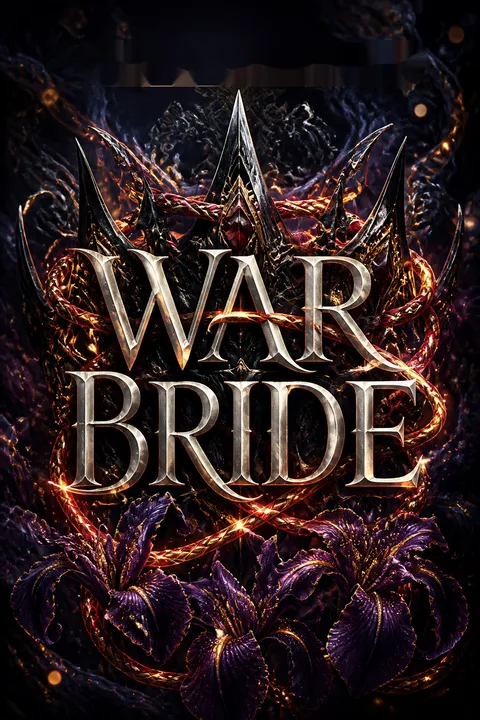

Plot Summary
Blood and Bidding
The story opens in a world at war, where Ilsevel, a princess, is dragged from a cage and put on display before a jeering fae crowd. She expects death, but instead, she is to be sold as a "warbride"—a prize for the highest bidder among the monstrous fae. Her hatred and fear are palpable, but so is her determination to survive. The scene is brutal, stripping away any illusions of safety or heroism. Ilsevel's only shield is her pride and the memory of her lost sister, Aurae, who was taken before her. The world is cruel, and Ilsevel is forced to face it alone, her fate determined by the whims of those who see her as nothing more than spoils of war.
The Unwanted Bridegroom
Twenty-four hours earlier, Ilsevel is a pawn in her father's political games, preparing for a marriage to the terrifying Shadow King—a troll. She resents her role, her gods-gift of song, and the lack of agency in her life. Her only solace is a secret hope: Artoris, a mage she once loved, has come in answer to her desperate letter. Ilsevel's longing for freedom and love is tangled with bitterness and fear. When Artoris arrives, he is changed—harder, more dangerous. Their reunion is awkward, and Ilsevel senses something is wrong, but clings to the hope that he will rescue her from her unwanted fate.
The Mage's Betrayal
Ilsevel flees with Artoris, leaving her sister Aurae behind. But the escape is not what she dreamed. Artoris is cold, his companions ominous. The temple is attacked by fae and their monstrous allies, and Ilsevel realizes too late that Artoris and his mages have slaughtered her guards. The man she loved is not her savior, but a harbinger of death. The world she thought she understood collapses, and Ilsevel is forced to confront the truth: she is alone, betrayed, and surrounded by enemies.
Fae Riders Descend
Taar, a fae warlord, leads his licorneir riders in a coordinated assault on the temple, seeking to capture Artoris and his talisman. The attack is swift and brutal, with Noxaurian berserkers and fae magic overwhelming the defenders. Taar is haunted by memories of loss and the dangers of virulium, a demonic drug that turns warriors into monsters. The battle is chaos—flaming unicorns, death magic, and the clash of cultures. Taar's mission is complicated by the presence of Ilsevel, whose song momentarily ensnares him, hinting at a deeper connection.
The Battle at Ashryn Shrine
In the chaos, Ilsevel's gods-gift of song becomes a weapon and a curse. She witnesses the horror of death magic as Artoris rips souls from bodies, and the licorneir's song overwhelms her senses. She flees, desperate to find her sister, only to discover the bodies of her protectors—killed by those she trusted. Aurae, in a moment of terror, kills a fae attacker, then collapses. Ilsevel's world narrows to survival and the desperate hope of saving her sister, even as the fae close in.
Captives in Chains
Ilsevel and Aurae are thrown into a cage with other survivors, carted away as spoils. The sisters cling to each other, but hope is fading. Ilsevel's song soothes the other captives, but she feels her gift is useless. The fae's cruelty is relentless, and the threat of being sold or sacrificed looms. When Aurae is dragged away, Ilsevel's helplessness is complete. The sisters' bond is severed, and Ilsevel is left to face her fate alone, her spirit battered but unbroken.
The Warbride Auction
At the fae encampment, Ilsevel is paraded before a crowd of leering warriors. The auction is a spectacle of humiliation, with bids rising as her value is debated. Lurodos, a monstrous Noxaurian, claims her as his prize, but Taar intervenes, outbidding him. The two warlords clash, their rivalry fierce. Ilsevel, caught between them, is both terrified and defiant. The auction is not just a sale, but a battle for dominance, and Ilsevel's fate hangs in the balance.
The Warlord's Vow
Taar, driven by a sense of honor and an inexplicable pull toward Ilsevel, claims her as his warbride. The law demands a wedding and consummation before dawn, or she will be forfeit to Lurodos. Taar performs a sacred Licornyn handfasting, binding Ilsevel to him with a velra cord. Despite her fear and anger, Ilsevel senses something different in Taar—a promise of protection, not possession. The ceremony is both a shield and a chain, and Ilsevel is left to wonder if she has traded one prison for another.
Night of Choices
Alone in the prince's pavilion, Ilsevel faces the reality of her situation. Taar refuses to force her, vowing to protect her and leave the choice to her. The night becomes a negotiation of trust, desire, and fear. Ilsevel, scarred by betrayal and loss, struggles to accept Taar's gentleness. Their intimacy is slow, built on consent and discovery, a stark contrast to the violence that brought them together. The consummation is not just physical, but a moment of healing and connection for them both.
The Wedding Rite
The dawn brings new dangers. Lurodos demands Ilsevel, claiming Taar failed to fulfill the law. A duel is declared—death's blood for virgin's blood. Taar fights Lurodos in a brutal mounted battle, refusing to use demon's blood despite the odds. With Elydark, his licorneir, Taar triumphs, killing Lurodos and securing Ilsevel's safety. The victory is hollow, marked by pain and the knowledge that their bond is now sealed by blood as well as law.
The Law of Dawn
In the aftermath, Taar tends his wounds, and Ilsevel stitches him up. Their connection deepens, but the reality of their situation intrudes. Ilsevel's sister is missing, likely sold to another monster. Taar promises to help, but warns that the cost may be high. The velra bond between them tightens, making separation painful, both physically and emotionally. They are bound not just by law, but by something deeper—magic, fate, or the will of the gods.
Duel for a Warbride
Taar and Ilsevel seek Aurae, only to discover she was bought by a brutal fae, Ravagol. When they find the Lunulyrian camp, they learn Aurae unleashed a deadly gods-gift, killing her captor and many others before dying herself. Ilsevel is devastated, her hope shattered. Taar comforts her, holding her as she grieves. The cost of survival is made clear—freedom and love are bought with blood and loss, and the gods' gifts are as much curse as blessing.
The Price of Protection
Ilsevel is consumed by guilt over Aurae's death, blaming herself and Taar. She lashes out, then flees into the dangerous forest, only to be saved by Taar and his unicorn. Their bond, both magical and emotional, is tested by pain and anger. Taar is poisoned by virulium, the demon's blood, and succumbs to its madness, nearly killing Ilsevel. Only the intervention of Elydark and Ilsevel's song saves him, but the experience leaves them both scarred and changed.
The Sister's Fate
The truth of Aurae's death and the nature of the gods-gifts are revealed. Ilsevel's song, once a source of shame, becomes the key to saving Taar from the poison. With Elydark's help, she channels healing magic, drawing on the unity of their bond. The experience is transformative, awakening new power and understanding in Ilsevel. The cost of survival is high, but the possibility of redemption and love remains.
The Poisoned Bond
The velra cord binding Taar and Ilsevel becomes literal, making separation impossible. They are forced to travel together, seeking a way to break the bond in the Licornyn Hidden City. The journey is fraught with danger, both from without and within. Their connection deepens, but so do their fears and doubts. The line between captor and captive, protector and beloved, blurs, and both must confront what they truly want—and what they are willing to risk for it.
The Song of Healing
As they travel, Ilsevel and Taar learn to trust each other, sharing their grief and hopes. Ilsevel's song becomes a source of healing, not just for wounds, but for the scars of the past. Taar's honor and vulnerability break down Ilsevel's defenses, and she begins to see him not as a monster, but as a man. Their journey is one of forgiveness—of themselves, each other, and the gods who shaped their fates.
Bound by Velra
The story ends with Ilsevel and Taar bound together, not just by law or magic, but by choice. They set out for the Licornyn Hidden City, determined to find a way to break the bond—or to make it real. The future is uncertain, the past full of pain, but together they face the unknown. The gods' gifts, once a source of suffering, become a promise of hope. In a world of monsters and war, love is the greatest risk—and the greatest reward.
Into the Monster's Realm
The epilogue hints at greater dangers ahead. Shanaera, a revenant from Taar's past, plots vengeance and the destruction of the Licornyn. Artoris, broken and desperate, seeks new ways to win the war. The battle for Evisar and the fate of the realms is far from over. But for Ilsevel and Taar, the journey has just begun—a journey into the heart of darkness, and perhaps, into the light.
Analysis
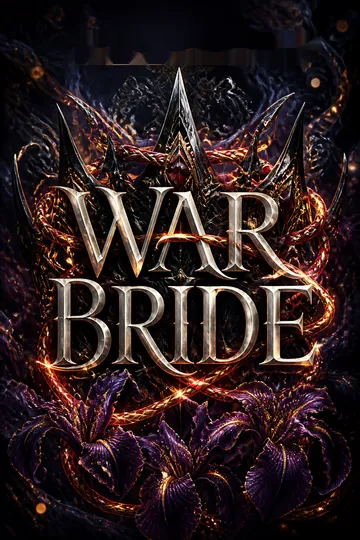
A tale of trauma, agency, and the redemptive power of connectionWarBride is a fantasy romance that subverts the tropes of forced marriage and monstrous love by centering the emotional and psychological journeys of its protagonists. Ilsevel and Taar are both survivors—of war, betrayal, and the expectations of their worlds. Their relationship is built not on instant attraction or fate, but on the slow, painful work of trust, consent, and mutual healing. The story interrogates the costs of survival, the dangers of power (magical and otherwise), and the ways in which love can be both a risk and a refuge. The gods-gifts, far from being simple blessings, are sources of pain and responsibility, forcing the characters to confront the limits of their agency and the unpredictability of fate. The narrative's dual perspectives, rich symbolism, and focus on trauma and consent make it a modern, nuanced exploration of what it means to choose love in a world that would deny it. The lessons are clear: survival is not enough; to truly live, one must risk vulnerability, embrace connection, and find meaning even in the midst of loss. WarBride is ultimately a story about reclaiming agency, forging unity from brokenness, and daring to hope for a future shaped by choice rather than fear.
Review Summary
People Also Read
Characters
Ilsevel
Ilsevel is a princess whose life has been shaped by the ambitions of her father and the expectations of her world. Gifted with a magical voice, she resents her lack of agency and the way her talents are used as tools for others' gain. Her relationship with her sisters, especially Aurae, is central to her identity, and her guilt over Aurae's fate haunts her. Ilsevel's journey is one of survival, self-discovery, and the slow, painful opening of her heart. Betrayed by those she loved, she learns to trust again through Taar's unexpected gentleness and honor. Her arc is one of transformation—from pawn to partner, from captive to co-creator of her own destiny.
Taar (Taarthalor Ragnataarthane)
Taar is the king of the Licornyn, a people exiled and embattled in a world of monsters and magic. He is defined by his sense of honor, his deep connection to his licorneir, Elydark, and the scars of past losses—especially Shanaera, whose death and betrayal haunt him. Taar is both warrior and healer, capable of great violence and great tenderness. His struggle with virulium, the demon's blood, mirrors his internal battle between darkness and light. His relationship with Ilsevel challenges his beliefs and forces him to confront his own capacity for love and vulnerability. Taar's arc is one of redemption, as he learns to accept help, forgive himself, and risk his heart.
Aurae
Aurae is Ilsevel's younger sister, gifted with the War Gift but too gentle to wield it safely. Her innocence and kindness make her a symbol of what is lost in war. Her death is a turning point for Ilsevel, a source of guilt and grief that drives much of the story's emotional arc. Aurae's fate is a commentary on the cruelty of the gods and the randomness of suffering. She represents the cost of survival and the pain of those left behind.
Artoris
Once Ilsevel's first love, Artoris is now a death mage, hardened by exile and ambition. His devotion to Ilsevel is twisted by bitterness and the influence of his master, Morthiel. Artoris's betrayal is a shattering blow to Ilsevel, forcing her to confront the dangers of misplaced trust and the darkness that can grow in the hearts of those we love. He is both victim and villain, a tragic figure whose choices set much of the plot in motion.
Elydark
Elydark is Taar's licorneir, a magical unicorn whose bond with his rider is both spiritual and practical. He is a source of strength, wisdom, and warning, often serving as Taar's conscience and anchor. Elydark's presence is a reminder of the old ways, the power of unity, and the dangers of succumbing to darkness. His song is both healing and destructive, a force that shapes the fate of those around him.
Lurodos
Lurodos is a Noxaurian warlord, driven by bloodlust and the madness of virulium. He is Taar's rival and the primary threat to Ilsevel's safety. Lurodos represents the worst of the fae world—cruelty, dominance, and the dehumanization of others. His death at Taar's hands is both a victory and a warning of the costs of violence.
Ruvaen
Ruvaen is the prince of Noxaur, a fae lord whose power is built on manipulation, spectacle, and the careful balancing of monstrous allies. He is both ally and antagonist, aiding Taar when it suits his purposes and delighting in the chaos of war. Ruvaen's motivations are complex, and his true face is always hidden behind layers of glamour and intrigue.
Shanaera
Shanaera is Taar's former lover, believed dead but revealed to be a revenant, leading a band of corrupted warriors. Her presence is a haunting reminder of the dangers of virulium and the costs of war. Shanaera's obsession with Taar and her quest for vengeance set the stage for future conflict, making her both a personal and existential threat.
Dormaris
Dormaris is a fae lord whose interest in war is academic as much as practical. He is both refined and ruthless, a man who values knowledge and power above all. His role in the fate of Aurae and his interactions with Taar and Ilsevel highlight the complexities of fae society and the dangers of underestimating those who play the long game.
Aurae's Memory
Though dead, Aurae's presence lingers throughout the story, shaping Ilsevel's choices and serving as a touchstone for what is at stake. Her memory is both a source of pain and a call to action, reminding the survivors of what has been lost and what must be protected.
Plot Devices
Dual Narratives and Shifting Perspectives
The story alternates between Ilsevel and Taar's perspectives, allowing readers to experience both the external events and the internal struggles of the protagonists. This dual narrative structure deepens the emotional resonance, revealing misunderstandings, hidden motives, and the slow growth of trust and love. The shifting perspectives also highlight the cultural and personal divides between the characters, making their eventual connection more powerful.
Gods-Gifts and Magical Bonds
The gods-gifts—Ilsevel's song, Aurae's war dance, Taar's healing—are central to the plot and themes. These gifts are unpredictable, often more burden than blessing, and their use comes with great cost. The velra cord, a magical binding from the Licornyn wedding rite, becomes a literal and metaphorical chain, forcing the characters to confront their feelings and fates. Magic is not a solution, but a force that complicates and deepens the characters' struggles.
The Law of Warbrides and Fae Customs
The fae world is governed by brutal laws and customs—auctions, duels, handfastings—that strip individuals of agency but also create unexpected opportunities for resistance and connection. The law that demands consummation or forfeiture is both a threat and a chance for Ilsevel and Taar to forge a bond on their own terms. The rituals of the Licornyn, with their emphasis on consent and mutual pleasure, contrast sharply with the violence of the fae, offering a vision of love as partnership rather than possession.
Foreshadowing and Symbolism
The narrative is rich with foreshadowing—Ilsevel's early reflections on the lack of heroes, Taar's memories of Shanaera, the recurring motif of the ilsevel blossom. Scars, both physical and emotional, mark the characters and hint at deeper wounds. Songs and music are not just background, but active forces that shape reality, heal wounds, and bind souls. The story's symbols reinforce its themes of unity, loss, and the search for meaning in a broken world.
Trauma, Healing, and Consent
The story foregrounds the psychological scars of betrayal, violence, and loss. Healing is slow, painful, and incomplete, requiring vulnerability and trust. The emphasis on consent—both in the wedding night and in the forging of the bond—challenges traditional narratives of romance and power. Love is not a reward for suffering, but a choice made in the face of fear and uncertainty.
WarBride Series Series
About the Author
Download PDF
Download EPUB
.epub digital book format is ideal for reading ebooks on phones, tablets, and e-readers.








































