Plot Summary
Blood in, Blood Out
The story opens with the unbreakable code of Havoc: blood in, blood out. Bernadette Blackbird, once an outsider, is now irrevocably part of the notorious Havoc Boys—a gang that rules Prescott High from the shadows. Their bond is forged in violence, loyalty, and shared trauma. Bernadette's initiation is not just a rite of passage but a declaration of war against the forces that have oppressed her and her chosen family. The Havoc Boys—Victor, Aaron, Hael, Oscar, and Callum—each carry scars, and together with Bernadette, they form a hydra-headed force. Their unity is their strength, and their code is their shield. As Bernadette claims her place, she knows that belonging to Havoc means risking everything, but it's a risk she's willing to take for vengeance, love, and survival.
Havoc's Queen Rises
Bernadette's transformation from victim to queen is both brutal and empowering. She is no longer just a girl with a list of names—she is the heart of Havoc, the one who gives the boys purpose and hope. Her relationship with each member deepens, blending fierce loyalty with raw, complicated love. As she navigates the treacherous politics of Prescott High and the criminal underworld, Bernadette learns to wield her pain as a weapon. The boys, once fractured by their own traumas, find unity in her leadership. Together, they plot revenge against those who have wronged them, but Bernadette's rise is not without cost. She must balance her need for justice with the danger of becoming as ruthless as her enemies.
Prescott High Massacre
The fragile peace at Prescott High is obliterated when the Grand Murder Party (GMP), a white supremacist gang, launches a violent assault on the school. The attack is swift and devastating, leaving students and staff dead or wounded. Bernadette and the Havoc Boys fight back with everything they have, turning the school into a battleground. The massacre is a turning point—no one is safe, and the war has come to their doorstep. In the chaos, alliances are tested, and the true nature of their enemies is revealed. The trauma of the attack leaves deep scars, but it also galvanizes Havoc's resolve to protect their own and take the fight to the GMP.
Aftermath and Reckoning
In the wake of the massacre, the survivors are left to pick up the pieces. The police and FBI descend on Prescott, seeking answers and scapegoats. Bernadette is interrogated, her every move scrutinized. The Havoc Boys are scattered, some missing, others in custody. The loss of friends and allies weighs heavily, and guilt gnaws at those who survived. Bernadette's grief is compounded by uncertainty—one of her boys is missing, and the threat of further violence looms. Yet, in the darkness, the bonds of Havoc are tested and strengthened. They regroup, determined to find their missing member and exact justice for the blood spilled at Prescott High.
The Price of Vengeance
As Havoc hunts the GMP, the cost of vengeance becomes clear. Each act of retribution brings them closer to their enemies but also to the edge of self-destruction. Bernadette's list of names grows shorter, but the emotional toll mounts. The lines between justice and cruelty blur, and the group is forced to confront the darkness within themselves. Bernadette faces a personal crisis when she discovers she is pregnant, only to lose the baby in the violence. The miscarriage is both a physical and emotional wound, a stark reminder that vengeance can never restore what has been lost. Yet, even in pain, Bernadette refuses to break, drawing strength from her boys and her unyielding will.
Family, Found and Chosen
Amidst the chaos, Havoc becomes more than a gang—it is a family forged by choice, not blood. Each member brings their own trauma and secrets, but together they create a sanctuary. Bernadette's relationships with the boys deepen, each connection unique and vital. They share moments of tenderness, humor, and fierce protectiveness. The girls they care for—Heather, Kara, and Ashley—become symbols of hope and innocence worth fighting for. As they navigate the complexities of polyamorous love, jealousy and insecurity threaten, but honesty and trust prevail. In each other, they find the acceptance and belonging denied to them by the world.
The Enemy Within
Not all threats come from outside. As Havoc closes in on their enemies, they discover betrayal within their own ranks and among their allies. Old wounds are reopened, and trust is tested. Bernadette's mother, Pamela, is revealed as a key player in the web of abuse and violence that has haunted her family. The truth about Penelope's death and the extent of Pamela's betrayal is a devastating blow. Meanwhile, the GMP's influence reaches into the police and the school administration, making every move dangerous. Havoc must root out the traitors and confront the ghosts of their past if they hope to survive.
The Last Name on the List
Bernadette's quest for vengeance narrows to its final target: her mother. The confrontation is raw and painful, dredging up years of abuse, neglect, and complicity. Pamela's refusal to show remorse or offer answers leaves Bernadette with no closure, only the bitter satisfaction of seeing her mother face justice. Yet, even as Pamela is arrested and charged, the emotional scars remain. Bernadette must accept that some wounds never heal and that not all questions have answers. The act of crossing the last name off her list is both a triumph and a tragedy, marking the end of one chapter and the uncertain beginning of another.
Blood, Love, and Loyalty
With their enemies closing in and the threat of further violence ever-present, Havoc's unity is both their greatest strength and their greatest vulnerability. The boys struggle with their own demons—guilt, anger, and the fear of losing Bernadette or each other. Through shared rituals, confessions, and acts of love, they reaffirm their commitment to one another. The group's polyamorous dynamic is both a source of comfort and tension, but ultimately, it is their honesty and willingness to fight for each other that sees them through. Together, they face the future, uncertain but unbroken.
The Havoc Pact
As the dust settles, Havoc formalizes their bond with a new pact—one that goes beyond blood and violence. They pledge to use their power not just for vengeance but for protection and justice. The group expands their influence, taking in allies and offering sanctuary to those in need. Bernadette's leadership is recognized not just by her boys but by the wider community. The pact is sealed with ritual and ink, each member marked with the symbol of Havoc. Their legacy is no longer just one of fear but of hope and change for Prescott and beyond.
The Final War
Graduation day brings the final confrontation with Maxwell Barrasso, Ophelia, and the remnants of the GMP. The raid on Oak Valley Prep is both a climax and a reckoning. In a desperate bid to escape justice, Ophelia kidnaps Heather, forcing Victor and the others into a deadly chase through the woods. The battle is brutal, with losses on both sides. Bernadette is shot while saving Hael, and for a moment, it seems Havoc's story will end in tragedy. But even in the face of death, their love and loyalty endure. The enemies are defeated, but the cost is high.
Death and Resurrection
As Bernadette lies on the brink of death, the boys are forced to confront a world without her. Grief and guilt threaten to tear them apart, but the discovery of a letter from Penelope offers a measure of peace. Against all odds, Bernadette survives, her resurrection a testament to the power of love and the will to live. The experience changes her and the boys, deepening their bond and reaffirming their commitment to each other. The trauma lingers, but so does hope. Together, they begin to heal, finding new purpose in the aftermath of violence.
Victory's Cost
The war is over, but the scars remain. Havoc must learn to live with the consequences of their actions—the lives taken, the innocence lost, the pain endured. Bernadette and the boys support each other through grief, guilt, and the challenges of building a new life. They care for the girls, rebuild their home, and begin to dream of a future beyond survival. Forgiveness—of themselves and each other—is hard-won but essential. The cost of victory is high, but it is not without reward. In each other, they find the strength to move forward.
New Beginnings, Old Scars
With the inheritance secured and their enemies vanquished, Havoc turns their attention to rebuilding. They renovate Victor's grandmother's house, transforming it into a sanctuary for their chosen family. The girls thrive, attending school and dreaming of their own futures. Bernadette pursues her passion for poetry, while the boys find purpose in work, art, and love. Old scars remain, but they are reminders of battles fought and won. The group's unconventional love endures, weathering the challenges of adulthood and the lingering shadows of their past.
The World Is Ours
Years pass, and Havoc's influence spreads beyond Prescott. They use their power and resources to improve their community, offering protection, opportunity, and hope to those who need it most. The group's love story continues, evolving as they grow and change. Children are raised, friendships are forged, and the bonds of family are strengthened. Bernadette's poetry is published, her voice a beacon for others who have suffered and survived. The world is not perfect, but it is theirs—a testament to the power of love, loyalty, and the refusal to be broken.
Legacy of Havoc
In the end, Havoc's story is one of transformation. What began as a quest for vengeance becomes a journey toward healing and redemption. The group's legacy is not just in the battles they fought but in the lives they touched and the family they built. Bernadette's journey from victim to queen is mirrored by the boys' own growth—from broken boys to men who love fiercely and protect what matters. Their story is a reminder that even in the darkest places, hope can take root and flourish. Blood in, blood out—always.
Analysis
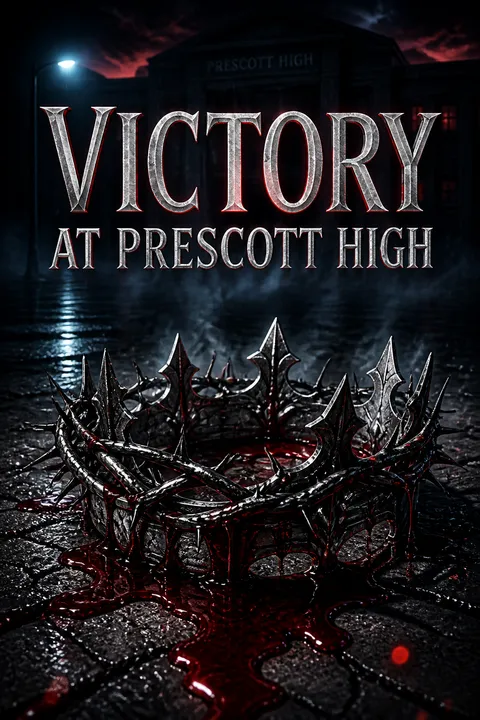
Victory at Prescott High is a raw, unflinching exploration of trauma, vengeance, and the power of chosen family. At its core, the novel asks whether survival is enough—or if true victory requires transformation, healing, and love. Through Bernadette's journey from victim to queen, the story interrogates the cost of revenge and the limits of justice. The polyamorous dynamic of Havoc is not just a romantic subplot but a radical act of resistance against a world that seeks to divide and destroy. The group's unity—sealed in blood, ink, and ritual—offers a model of survival that is both fierce and tender. The narrative does not shy away from the darkness, but it insists on the possibility of hope, redemption, and new beginnings. In the end, Victory at Prescott High is a testament to the resilience of the human spirit, the necessity of community, and the enduring power of love to heal even the deepest wounds. The legacy of Havoc is not just in the battles they fought but in the family they built and the world they dared to claim as their own.
Review Summary
People Also Read




Characters
Bernadette Blackbird
Bernadette is the emotional and strategic center of the story, evolving from a traumatized girl with a list of names to a powerful queen who leads the Havoc Boys. Her relationships with Victor, Aaron, Hael, Oscar, and Callum are complex, blending fierce loyalty, love, and shared pain. Bernadette's trauma—abuse, loss, betrayal—fuels her quest for vengeance but also her capacity for empathy and leadership. She is both ruthless and compassionate, learning to wield her pain as a weapon without losing her humanity. Her journey is one of self-acceptance, healing, and the creation of a chosen family. Bernadette's psychological depth is revealed in her struggle to balance justice and mercy, her fear of abandonment, and her fierce protectiveness of those she loves.
Victor Channing
Victor is the undisputed leader of Havoc, a man shaped by abuse, betrayal, and the burden of responsibility. His relationship with Bernadette is both passionate and fraught, marked by mutual obsession and deep understanding. Victor's need for control masks a profound vulnerability—his fear of losing those he loves and his struggle to reconcile his violent nature with his desire for redemption. His past with his mother, Ophelia, is a source of pain and rage, driving much of the story's conflict. Victor's arc is one of learning to trust, to share power, and to accept love without fear. His loyalty to Havoc is absolute, and his willingness to sacrifice for his family defines him.
Aaron Fadler
Aaron is the emotional anchor of Havoc, offering stability, kindness, and unwavering support. His relationship with Bernadette is rooted in childhood love, but it matures into something deeper as they face trauma together. Aaron's own struggles—with loss, responsibility, and the fear of not being enough—are tempered by his capacity for forgiveness and hope. He is a caretaker, both for the girls and for the group, often putting others' needs before his own. Aaron's arc is about learning to accept help, to share his burdens, and to find joy even in the aftermath of pain.
Hael Harbin
Hael brings humor and levity to Havoc, but beneath his playful exterior lies deep pain from family abuse and betrayal. His relationship with Bernadette is passionate and healing, offering both of them a sense of belonging. Hael's struggles with guilt—especially after Bernadette is shot—reveal his vulnerability and need for acceptance. He is fiercely loyal, willing to fight and sacrifice for his family. Hael's arc is about learning to forgive himself, to accept love, and to find purpose beyond survival.
Oscar Montauk
Oscar is the brains of Havoc, a master of technology, strategy, and emotional distance. His aversion to touch and his obsession with control stem from a traumatic childhood marked by violence and loss. Oscar's relationship with Bernadette is transformative, allowing him to confront his fears and embrace intimacy. His arc is one of vulnerability—learning to trust, to accept love, and to let go of the need for absolute control. Oscar's loyalty to Havoc is unwavering, and his willingness to fight for his family is matched only by his capacity for tenderness.
Callum Park
Callum is the most enigmatic member of Havoc, a boy shaped by violence, loss, and the theft of his dreams. His relationship with Bernadette is intense and obsessive, marked by shared trauma and a deep understanding of pain. Callum's skills—both as a fighter and a dancer—make him both deadly and graceful. His arc is about reclaiming agency, finding beauty in pain, and learning to accept love without fear. Callum's loyalty to Havoc is absolute, and his willingness to sacrifice for the group is both his strength and his weakness.
Heather Blackbird
Heather is Bernadette's younger sister and a symbol of innocence and hope. Her safety and happiness are central to Bernadette's motivations. Heather's resilience in the face of trauma and her capacity for love offer a counterpoint to the darkness of the story. She represents the possibility of healing and a better future, inspiring the group to fight not just for themselves but for something greater.
Ophelia Mars
Ophelia is Victor's mother and one of the primary antagonists. Her beauty and charm mask a ruthless, self-serving nature. Ophelia's abuse of Victor and her involvement in the criminal underworld make her a formidable enemy. Her relationship with Victor is fraught with pain, betrayal, and unresolved trauma. Ophelia's arc is one of downfall—her refusal to change or show remorse leads to her ultimate destruction.
Maxwell Barrasso
Maxwell is the head of the Grand Murder Party and the embodiment of external threat. His violence, racism, and willingness to exploit others make him a clear antagonist. Maxwell's pursuit of power and revenge drives much of the story's conflict. His downfall is both a victory for Havoc and a commentary on the cyclical nature of violence and corruption.
Pamela Pence
Pamela is Bernadette's mother and the last name on her list. Her complicity in abuse, her betrayal of her daughters, and her refusal to show remorse make her both a tragic and despicable figure. Pamela's arc is one of exposure and reckoning—her downfall is necessary for Bernadette's healing, but it offers no closure. Her character explores the complexities of familial betrayal and the limits of forgiveness.
Plot Devices
Trauma as Catalyst and Bond
The narrative is driven by the characters' shared trauma—abuse, loss, betrayal—which both motivates their quest for vengeance and binds them together. Trauma is not just a backdrop but an active force, shaping decisions, relationships, and the group's code. The story explores how pain can be both destructive and transformative, offering the possibility of healing through chosen family and love. The motif of scars—physical and emotional—recurs throughout, symbolizing both wounds and survival.
Polyamory and Chosen Family
The group's polyamorous dynamic is both a source of strength and tension. Their love defies societal norms, offering a model of chosen family that is inclusive, honest, and fiercely loyal. The narrative structure allows for multiple romantic and emotional arcs, each relationship unique but interconnected. The group's rituals—blood pacts, tattoos, shared beds—reinforce their unity and commitment. The story challenges traditional notions of love, fidelity, and family, suggesting that survival and healing require new forms of connection.
Revenge and Justice
The quest for revenge is the engine of the plot, but the story interrogates the cost and limits of vengeance. Each act of retribution brings both satisfaction and pain, forcing the characters to confront the darkness within themselves. The narrative uses foreshadowing—Bernadette's list, the code of Havoc, the recurring threat of violence—to build tension and explore the cyclical nature of trauma and retaliation. The final reckoning with Pamela and the GMP is both a climax and a turning point, shifting the group's focus from vengeance to healing and protection.
Narrative Structure and Voice
The story is told primarily from Bernadette's perspective, offering deep psychological insight and emotional immediacy. Key chapters shift to the boys' points of view, revealing their inner struggles and motivations. The use of letters, poems, and journal entries adds layers of meaning and foreshadowing. The narrative is nonlinear at times, using flashbacks and memories to reveal backstory and deepen character development. The voice is raw, honest, and often poetic, blending grit with lyricism.
Symbolism and Ritual
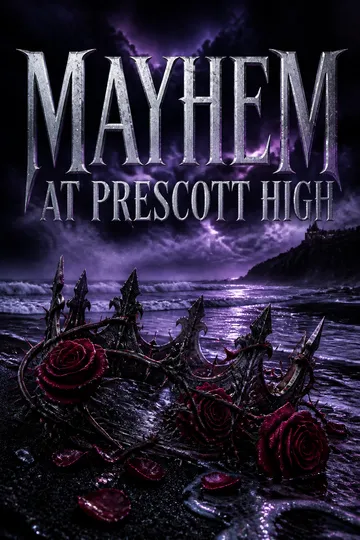
Symbols—blood, tattoos, crowns, scars—are woven throughout the narrative, marking moments of transformation, unity, and loss. Rituals—blood pacts, orgies, funerals, and the burning of the list—serve as both plot devices and emotional anchors. The recurring phrase "blood in, blood out" encapsulates the group's ethos, while the crown symbolizes Bernadette's rise and the group's acceptance of her as queen. The burning of the list is both an ending and a beginning, a ritual of closure and renewal.
About the Author

Download PDF
Download EPUB
.epub digital book format is ideal for reading ebooks on phones, tablets, and e-readers.








































