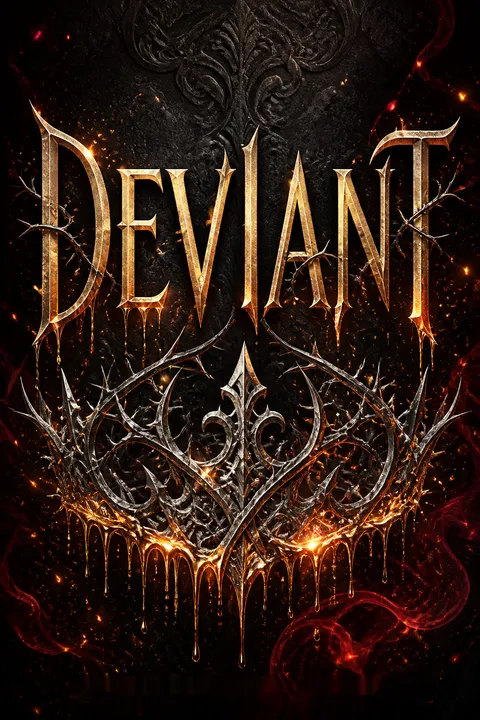

Plot Summary
1. Bleeding Out, Refusing Death
Winter's world explodes in agony as she lies bleeding in her parents' garage, surrounded by the four boys who have become her unlikely protectors and lovers—King, Cruz, Grayson, and Carver. The pain is excruciating, but their desperate pleas and fierce loyalty keep her tethered to consciousness. Carver, wracked with guilt for pulling the trigger in a chaotic attempt to save her from her murderous mother, is shattered. Winter's determination to survive is fueled by vengeance and the need to reclaim her birthright from the corrupt society known as Dynasty. As the ambulance arrives, she makes a silent vow: she will not die, not until she has destroyed those who betrayed her and taken back control of her destiny.
2. Hospital Bonds and Blame
Winter awakens in the hospital, battered but alive, surrounded by the boys who refuse to leave her side. Each is haunted by guilt—Carver for shooting her, Cruz for failing to protect her, King for his own recent loss, and Grayson for being unable to stop the bleeding. Their fierce protectiveness is matched only by their emotional vulnerability, and Winter realizes how deeply entwined their fates have become. The trauma of her near-death experience forges new bonds, but also exposes old wounds and insecurities. As they argue over blame and responsibility, Winter insists on agency in her own recovery, determined not to be a passive victim but an active force in the war to come.
3. Guilt, Forgiveness, and Love
Winter and Carver are left alone, the air thick with unresolved tension and guilt. Carver's self-loathing is palpable, convinced he is unworthy of forgiveness or love after nearly killing her. Winter, however, refuses to let him spiral, demanding honesty and vulnerability. Their conversation is raw, oscillating between dark humor and aching confessions. In a moment of fragile intimacy, they acknowledge the depth of their feelings, but also the impossibility of moving forward while Carver is consumed by guilt. The encounter ends with a bittersweet understanding: love is possible, but only if they can both forgive themselves.
4. Allies, Enemies, and Plans
Ember, Winter's best friend, bursts into the hospital, bringing comic relief and a reminder of the outside world's absurdity. The group debates their next move, torn between the need for safety and the urge for vengeance. Winter's mother, presumed dead, is revealed to be alive and at large, her motives and alliances unclear. The boys insist on relocating Winter to Carver's heavily fortified home, but she resists being sidelined. The conversation is laced with dark humor, sexual tension, and the ever-present threat of betrayal. As they strategize, the lines between friend and foe blur, and Winter realizes that trust is both her greatest weapon and her deepest vulnerability.
5. Grief, Recovery, and Resolve
Winter attends the funeral of King's father, Tobias, a man who was both mentor and mystery. The ceremony is a stark reminder of the cost of power and the fragility of life within Dynasty. Grief mingles with anger as Winter and the boys confront the reality that their enemies are not only external but embedded within their own ranks. The need for healing—physical, emotional, and strategic—becomes urgent. Winter's resolve hardens: she will not allow herself or those she loves to be collateral damage in someone else's war. The funeral marks the end of innocence and the beginning of a relentless campaign for justice.
6. Council of Shadows
Winter faces the council of Dynasty, a table of powerful men who see her as both asset and threat. The meeting is fraught with suspicion, posturing, and veiled threats. Michael Harding, among others, is revealed to be a master manipulator, quick to deflect blame and sow discord. The council debates how to handle the growing scrutiny from law enforcement and the risk of exposure. Winter, refusing to be cowed, asserts her authority and demands loyalty. The session ends with a fragile consensus to stand and fight, but Winter knows that true unity is an illusion—everyone has secrets, and betrayal is inevitable.
7. Blackmail, Desire, and Distraction
In the aftermath of violence and loss, the group seeks solace in humor, blackmail, and sexual tension. Videos and secrets are exchanged as currency, and the boundaries between friendship, love, and lust blur. Winter uses distraction—both for herself and the boys—to keep the darkness at bay. Yet beneath the playful banter, the trauma lingers, and the need for control manifests in both the bedroom and the battlefield. The group's unconventional intimacy becomes both a shield and a source of strength, but also a potential weakness if exploited by their enemies.
8. Confronting the Enemy Within
Preston Scardoni, long held captive, escapes his cell and confronts Winter and the boys. The encounter is brutal, exposing the depths of Preston's hatred and the lengths to which Winter is willing to go for answers. She threatens torture, revealing a darkness within herself that shocks even her closest allies. Preston, cornered and desperate, chooses suicide over surrender, leaving behind more questions than answers. The episode forces Winter to confront the cost of vengeance and the thin line between justice and monstrosity.
9. School, Scars, and Survival
Winter is forced back to school, her body and psyche still raw from recent events. The mundane world of classes and gossip is a jarring contrast to the violence she has endured. Old enemies resurface, and rumors swirl, but Winter refuses to be intimidated. She asserts her dominance, both physically and psychologically, determined to reclaim her narrative. The boys, ever protective, struggle to balance their need to shield her with her demand for autonomy. The tension between normalcy and survival becomes a daily battle.
10. Ledger of the Lost
Cruz becomes obsessed with a ledger detailing the trafficking of missing girls, a legacy of Dynasty's darkest secrets. The group works tirelessly to match names and faces, desperate to save those who can still be found. The task is overwhelming, but it gives them purpose beyond their own survival. Winter is haunted by the knowledge that her inheritance is built on the suffering of others, and she vows to use her power to right old wrongs. The search for the lost becomes a metaphor for their own quest for redemption.
11. Nightmares and Confessions
Winter's nights are plagued by nightmares—of violence, betrayal, and loss. The boys take turns comforting her, each offering a different kind of solace. Confessions of love and vulnerability are exchanged in the dark, but so are secrets and fears. The group's intimacy deepens, but so does the sense of impending doom. Winter realizes that healing is not linear, and that strength sometimes means allowing herself to be held.
12. Betrayal, Rumors, and Truth
Sara, a former friend turned enemy, spreads rumors and orchestrates attacks on Winter's reputation. The school becomes a battleground of whispers and threats. Winter, refusing to be a victim, confronts Sara and exposes her lies. Yet the real betrayal comes from within, as secrets about the boys' pasts and their true ages come to light. The revelation that they have been protecting her from the shadows for years forces Winter to reevaluate everything she thought she knew about loyalty and love.
13. Graduation's Last Innocence
The group attends Ember's graduation party, hoping for one last night of normalcy. The celebration is wild, filled with laughter, dancing, and fleeting moments of joy. But beneath the surface, danger lurks. Winter is drugged and sexually assaulted by Sara, her trust shattered in the most intimate way. The trauma is compounded by the realization that her enemies are not only powerful men but also those she once called friends. The night marks the end of innocence and the beginning of a new, harsher reality.
14. Poisoned Night, Stolen Consent
Winter awakens to the horror of what was done to her, her memories fragmented and her sense of self violated. The boys rally around her, offering support and vengeance, but the damage is profound. The assault becomes a catalyst for confronting the darkness within herself and her circle. Winter is forced to navigate the complexities of consent, blame, and healing, all while preparing for the next attack from her enemies. The experience leaves scars that will shape her actions and relationships going forward.
15. Aftermath and Unraveling
As Winter and the boys process the trauma, new revelations come to light. Betrayals are exposed, and the web of alliances and enmities grows ever more tangled. The group is forced to confront uncomfortable truths about themselves and each other. The search for answers leads them to the mountain manor, where the ghosts of the past refuse to stay buried. Winter's determination to uncover the truth is matched only by her fear of what she might find.
16. The Mountain's Haunted Legacy
The group investigates Winter's ancestral home, searching for clues about her mother's true fate and the identity of her enemies. The house is a labyrinth of secrets, each room revealing new horrors and betrayals. Winter discovers evidence that her mother—or someone wearing her face—has been stalking her for years. The realization that she has been watched and manipulated since childhood shakes her to the core. The past and present collide, forcing Winter to confront the legacy she has inherited.
17. Rage, Violence, and Vengeance
Overwhelmed by rage and grief, Winter seeks release in violence, taking out her fury on a predatory stranger in a bar. The act is both cathartic and damning, a reminder of how far she has come—and how far she might fall. The boys, both horrified and understanding, struggle to balance their own need for vengeance with the desire to protect Winter from herself. The cycle of violence threatens to consume them all.
18. Shattered Sanctuary
Returning home, the group finds Carver's house ransacked and Lady Dante, Winter's beloved dog, brutally murdered. The message is clear: nowhere is safe, and the war has become personal. The loss devastates Winter, stripping away her last vestige of innocence and comfort. The boys rally around her, but the sense of sanctuary is gone. The enemy is inside the gates, and the final battle is imminent.
19. Blood on the Walls
The group discovers a chilling warning scrawled in Lady Dante's blood: "YOU'RE NEXT." The psychological warfare escalates, pushing Winter to the brink. The boys, desperate to protect her, tighten security and prepare for the inevitable confrontation. Winter, however, refuses to be cowed. The murder of her dog becomes a rallying cry, fueling her determination to hunt down those responsible and end the cycle of violence once and for all.
20. Regrouping and Revelations
As the group regroups, new alliances are formed and old ones are tested. Winter uncovers evidence of a twin sister to her mother, Paris, who may be the true mastermind behind the attacks. The revelation reframes everything she thought she knew about her family and her enemies. The boys confess to their own secrets, including their true ages and the extent of their involvement in Dynasty's machinations. Trust is both shattered and rebuilt, as the group prepares for the final confrontation.
21. Family Secrets Unearthed
Winter's investigation reveals that her mother's twin, Paris, has been impersonating her and orchestrating the attacks. The discovery is both a relief and a new source of pain—her real mother may be innocent, but the betrayal cuts even deeper. Ember, Winter's best friend, is revealed to be Paris's daughter and a spy within Winter's inner circle. The web of deception tightens, and Winter is forced to question everyone and everything she has ever trusted.
22. The Twin's Deadly Game
Paris's endgame is revealed: to kill Winter and assume her mother's identity, seizing control of Dynasty. Ember, claiming her birthright as Michael Harding's daughter, takes her father's seat at the council table, further destabilizing the power structure. The group is rocked by the double betrayal, and Winter is left reeling. The lines between family and enemy blur, and the final showdown becomes inevitable.
23. Execution and Aftershocks
Michael Harding is executed for his role in the conspiracy, but the victory is hollow. Winter is forced to confront the moral cost of her actions and the reality that justice and vengeance are often indistinguishable. The boys, each carrying their own burdens, struggle to reconcile their love for Winter with the violence they have committed in her name. The group's unity is tested as they grapple with the consequences of their choices.
24. Love, Lies, and Loyalty
In the aftermath of betrayal and bloodshed, the group seeks solace in each other. Confessions of love are exchanged, and old wounds begin to heal. Carver, long resistant to sharing Winter, finally accepts the unconventional nature of their relationship. The group's bond is stronger than ever, but the threat of Paris and Ember looms large. As they prepare for the next battle, Winter realizes that love and loyalty are both her greatest strengths and her greatest vulnerabilities.
25. Dinner Party Deceptions
A lavish dinner party becomes the stage for new betrayals and revelations. Ember, now openly claiming her place as Harding's heir, manipulates the guests and sows discord. Ida Carver, Carver's mother, returns with her own agenda, threatening Winter and revealing her willingness to kill to protect her family's legacy. The party, meant to celebrate a rare victory, becomes a microcosm of the larger war—every smile hides a knife, and every toast is laced with poison.
26. Cyanide and Confessions
Winter discovers a hidden bottle of cyanide in the Danforth cellar, implicating Cruz's father in the murder of Tobias King. The revelation is compounded by Ida Carver's threats and the realization that no one is above suspicion. The boys confess to their own role in Tobias's death, claiming it was necessary to protect Winter from a man who had betrayed them all. The confession shatters Winter's trust, but also brings a painful clarity: in this world, survival often means becoming the very thing you fear.
27. The Final Betrayal
A coordinated attack on Winter's home forces the group to flee, seeking refuge in King's remote cabin. The sense of safety is short-lived, as the boys—her lovers, her protectors, her family—betray her in the most devastating way. The cabin explodes, and Winter is left alone, wounded and heartbroken, convinced that the people she trusted most have turned against her. The cycle of betrayal is complete, and Winter is forced to confront the possibility that she is truly alone.
28. Inferno of Trust
As the flames consume the last sanctuary, Winter staggers into the woods, her heart shattered and her trust destroyed. The journey that began with a bullet and a promise of vengeance ends in fire and isolation. Yet even in her darkest moment, Winter refuses to surrender. The inferno becomes a crucible, burning away the last remnants of innocence and forging her into something new—stronger, harder, and more determined than ever. The war is not over, and Winter will rise from the ashes, ready to claim her destiny.
Analysis
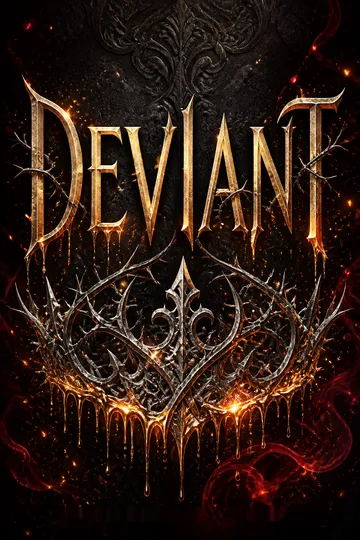
Deviant is a dark, emotionally charged exploration of power, trauma, and the search for identity in a world where trust is a luxury and betrayal is inevitable. Sheridan Anne uses the reverse harem structure not merely for titillation, but as a means to interrogate the complexities of love, loyalty, and agency in a patriarchal, secretive society. Winter's journey is both a personal and political one—her struggle to reclaim her birthright mirrors her quest to heal from violence and assert control over her own narrative. The novel's relentless pace and constant twists reflect the psychological toll of living in a world where every ally could be an enemy, and every act of love is shadowed by the threat of loss. Ultimately, Deviant is a story about survival—not just of the body, but of the self. It asks what we are willing to sacrifice for power, what it means to forgive, and whether it is possible to build something new from the ashes of betrayal. The lesson is clear: strength is not the absence of vulnerability, but the courage to keep fighting, loving, and trusting—even when the world burns around you.
People Also Read



Characters
Winter (Elodie Ravenwood)
Winter is the fierce, resilient protagonist whose life has been shaped by trauma, betrayal, and the relentless pursuit of power. Orphaned and raised in the foster system, she is thrust into the deadly world of Dynasty, where she must navigate a labyrinth of secrets, lies, and shifting alliances. Winter's psychological complexity is her greatest strength and her deepest vulnerability—she is both a victim and a warrior, capable of immense love and devastating violence. Her relationships with the four boys—King, Cruz, Grayson, and Carver—are the emotional core of the story, offering both solace and danger. Winter's journey is one of self-discovery, as she learns to trust, forgive, and ultimately claim her place as a leader in a world determined to destroy her.
King (Hunter King)
King is the charismatic, dominant leader of the group, burdened by the recent loss of his father and the weight of expectation. He is fiercely loyal to Winter, often serving as her anchor in the storm of Dynasty's chaos. King's psychological profile is marked by a need for control and a deep-seated fear of failure, especially in the wake of his father's betrayal and death. His love for Winter is both possessive and nurturing, and he struggles to balance his protective instincts with her demand for independence. King's journey is one of learning to trust others and accept vulnerability as a form of strength.
Cruz Danforth
Cruz is the group's emotional center, offering warmth, humor, and unwavering support. He is deeply empathetic, often absorbing the pain of those around him and striving to heal old wounds. Cruz's obsession with the ledger of missing girls reveals his need for redemption and purpose beyond personal survival. His love for Winter is open and unconditional, but he is also haunted by the fear of losing her. Cruz's psychological arc is about learning to balance self-sacrifice with self-care, and to accept that he cannot save everyone.
Grayson Beckett
Grayson is the brooding, enigmatic member of the group, marked by a history of violence and a capacity for both tenderness and brutality. He is fiercely loyal to Winter and the boys, but struggles with his own demons and the fear that he is irredeemable. Grayson's medical training and tactical skills make him invaluable, but his emotional volatility is both a weapon and a liability. His relationship with Winter is intense and often borders on obsession, reflecting his need for connection and his terror of abandonment.
Carver (Dante Carver)
Carver is the most conflicted of the boys, haunted by guilt for his role in Winter's shooting and his father's legacy of violence. He is both protector and potential threat, struggling to reconcile his love for Winter with his fear of hurting her. Carver's journey is one of self-forgiveness and acceptance, as he learns to share Winter with the others and to trust in the possibility of redemption. His psychological complexity is rooted in a deep need for control and a terror of vulnerability.
Ember Michaelson (Harding)
Ember begins as Winter's irreverent, loyal best friend, providing comic relief and emotional support. However, her true identity as the daughter of Michael Harding and Paris Moustaff—and her role as a spy within Winter's circle—reveals a capacity for deception and ambition. Ember's psychological profile is marked by a need for belonging and recognition, as well as a willingness to betray for personal gain. Her relationship with Winter is a tragic mirror of trust and betrayal, highlighting the dangers of misplaced loyalty.
Paris Moustaff
Paris is the shadowy antagonist, orchestrating attacks on Winter while impersonating her twin sister, London. Her motives are rooted in jealousy, ambition, and a desire to claim Dynasty for herself. Paris's psychological makeup is defined by narcissism, cunning, and a willingness to use anyone—including her own daughter—as a pawn. She embodies the dangers of unchecked ambition and the destructive power of familial betrayal.
Michael Harding
Michael is a master manipulator, skilled at playing both sides and sowing discord within Dynasty. His affair with Paris and his role in orchestrating attacks on Winter reveal a man driven by power and self-preservation. Michael's psychological arc is one of hubris and inevitable downfall, as his schemes unravel and he is forced to face the consequences of his actions.
Sara Benson
Sara is a former friend turned enemy, driven by jealousy and a need for validation. Her assault on Winter is both a personal vendetta and a manifestation of her own psychological instability. Sara's actions force Winter to confront the complexities of consent, blame, and healing, and serve as a reminder that danger can come from the most unexpected places.
Lady Dante
Lady Dante, Winter's beloved dog, represents innocence and the possibility of unconditional love in a world defined by betrayal. Her brutal murder is a turning point, stripping away Winter's last vestige of innocence and comfort. Lady Dante's death becomes a rallying cry, fueling Winter's determination to end the cycle of violence and reclaim her life.
Plot Devices
Reverse Harem Structure
The narrative employs a reverse harem structure, allowing Winter to form deep, romantic, and sexual bonds with multiple male protagonists. This device creates a web of shifting alliances, rivalries, and emotional entanglements, reflecting the complexity of trust and loyalty in a world where everyone has secrets. The structure also subverts traditional romance tropes, positioning Winter as both the object of desire and the agent of her own destiny.
Unreliable Narration and Misdirection
The story is rife with unreliable narration, misdirection, and withheld information. Characters frequently lie—to themselves, to each other, and to the reader—creating a sense of constant uncertainty. Revelations are often delayed or delivered through confrontation, forcing both Winter and the audience to question what is real and who can be trusted. This device heightens suspense and mirrors the psychological toll of living in a world defined by betrayal.
Trauma and Recovery as Narrative Engine
The plot is driven by cycles of trauma and recovery, with each act of violence or betrayal forcing the characters to confront their own limits and the cost of survival. Healing—physical, emotional, and relational—is depicted as nonlinear and fraught with setbacks. The narrative structure mirrors this, with moments of intimacy and humor punctuating the darkness, offering both respite and a reminder of what is at stake.
Council Politics and Power Plays
The council of Dynasty serves as both a literal and metaphorical battleground, where power is negotiated through manipulation, intimidation, and occasional violence. The device of the council meeting allows for the exploration of broader themes—corruption, legacy, and the dangers of unchecked ambition—while also providing a stage for personal betrayals and shifting alliances. The illusion of control is constantly undermined by the revelation of new secrets and the unpredictability of human nature.
Foreshadowing and Symbolic Violence
The narrative employs foreshadowing through recurring motifs—blood, fire, and shattered glass—signaling the inevitability of violence and the cyclical nature of betrayal. Warnings are often written in blood or delivered through acts of symbolic violence (such as the murder of Lady Dante), reinforcing the sense that the past is never truly buried and that every act has consequences.
Boys of Winter Series






Download PDF
Download EPUB
.epub digital book format is ideal for reading ebooks on phones, tablets, and e-readers.








































