
Plot Summary
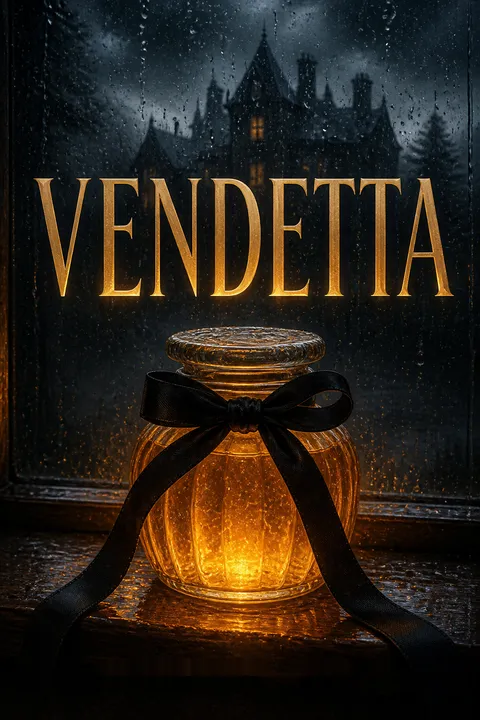
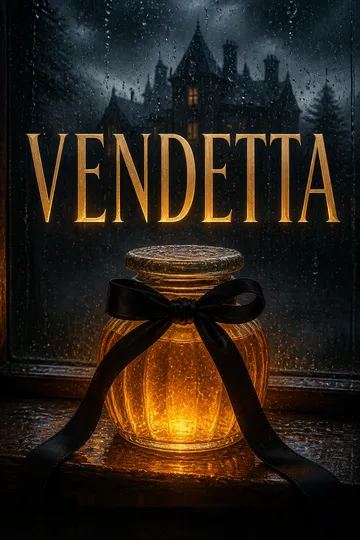
Honey Jar Omen
Sophie Gracewell's summer is upended when she finds a strange, black-ribboned jar of honey at her family's diner. The honey, left behind by an unknown customer, becomes a symbol of the secrets and dangers lurking beneath the surface of her small town, Cedar Hill. Sophie, still reeling from her father's imprisonment for murder, feels the weight of her family's infamy. The honey's presence is both a curiosity and a warning, foreshadowing the arrival of new neighbors and the unraveling of old vendettas. Sophie's world, once defined by routine and loss, is about to be shaken by forces she cannot yet comprehend.
Shadows at the Mansion
The long-abandoned Priestly mansion, shrouded in local legend and tragedy, suddenly comes alive with lights, renovations, and the arrival of a mysterious family. Sophie's curiosity draws her to the mansion, where she glimpses a boy with haunting eyes in the window and has a tense, almost dangerous encounter with a shadowy figure outside. The encounter leaves her shaken but intrigued, marking the beginning of her entanglement with the enigmatic newcomers. The mansion's transformation mirrors the upheaval about to enter Sophie's life, as the past and present collide in unexpected ways.
The Five Brothers Arrive
Cedar Hill buzzes with gossip as five strikingly handsome brothers move into the mansion. Sophie and her best friend Millie are drawn to their allure and mystery, especially when two of the brothers, Nic and Luca, visit the diner. Sophie's initial interactions with them are charged with both attraction and unease, as she senses a hidden darkness beneath their charm. The brothers' presence stirs up old wounds in the community and in Sophie's family, hinting at connections that run deeper than anyone suspects. The stage is set for a collision of families and fates.
Family Scars and Secrets
Sophie's life is shaped by her father's incarceration and the stigma it brings. She clings to his letters, editing her replies to shield him from her pain. Her uncle Jack, burdened by secrets and guilt, warns her to stay away from the new family, but refuses to explain why. The honey jar becomes a point of obsession, especially after Jack reacts with fear and anger upon seeing it. Sophie's sense of safety is eroded as she realizes that her family's past is inextricably linked to the dangers now encroaching on her world.
The Basketball Tournament
Sophie and Millie join a local basketball tournament, only to find themselves competing against the brothers' team, the Crimson Falcons. The game is charged with flirtation, competitiveness, and underlying hostility, especially between Nic and Sophie's friend Alex. A violent incident on the court leaves Sophie injured and tensions running high. The tournament becomes a microcosm of the larger conflicts at play—loyalties, grudges, and the pull of forbidden attraction. Sophie's growing feelings for Nic are complicated by the brothers' volatile dynamics and the community's suspicion.
Switchblade and Suspicion
After a post-game fight, Sophie witnesses Nic pull a switchblade on Alex, confirming her fears about the brothers' dangerous side. She later finds the knife, inscribed with Nic's name and a family crest, and confronts him about it. Nic's evasions and half-truths deepen Sophie's mistrust, even as her attraction to him intensifies. The switchblade becomes a symbol of the violence and secrets that define the Falcone family, and Sophie's discovery of it marks a turning point in her understanding of the risks she faces.
Stormy Night Confessions
Caught in a storm and locked out of her house, Sophie encounters Nic at the diner. Their conversation, charged with vulnerability and tension, leads to confessions about family, loss, and the burdens they each carry. Nic admits the knife is a family tradition, meant for protection, and reveals the pain of losing his father. The storm outside mirrors the emotional turbulence between them, as Sophie begins to see the humanity beneath Nic's dangerous exterior. Their connection deepens, but so do the dangers surrounding them.
The Artist's Mask
Sophie visits the mansion to return Nic's hoodie and meets Valentino, the artistic and wheelchair-bound brother. Through his hauntingly honest portraits of his family, Valentino reveals the pain, grief, and complexity beneath their masks. The encounter is interrupted by Felice, the eccentric uncle and beekeeper, whose honey and cryptic conversation unsettle Sophie. Valentino's warning that she is not welcome foreshadows the peril she faces, while his art exposes the emotional scars that bind—and divide—the Falcone family.
The Angel-maker's Legacy
Mrs. Bailey, the town gossip, warns Sophie about the new family, referencing disappearances and deaths linked to their arrival. The nickname "Angel-maker" surfaces, hinting at a legacy of violence and retribution. Sophie's research and conversations with her mother and uncle reveal that the Falcone patriarch, Angelo, was a notorious mob boss killed by Sophie's father. The revelation that the brothers are Falcones, not Priestlys, shatters Sophie's assumptions and thrusts her into the heart of a generational vendetta.
Blood Debts and Warnings
Jack's warnings grow more urgent as the meaning of the honey jar is revealed: it is a death mark, a Falcone tradition signaling an impending hit. The Falcones' code of honor and revenge comes into focus, as Luca threatens Sophie to stay away from Nic and the family. The concept of a blood debt—retribution for Angelo's death—hangs over Sophie, who realizes she is both a target and a pawn in a larger game. The lines between victim and perpetrator blur as family loyalties are tested.
Betrayal at the Party
At Millie's party, Sophie is drugged by Robbie, a supposed friend, and nearly assaulted. Her vulnerability is compounded by the absence of those she trusts, and she is ultimately rescued by Luca, who brings her to the hospital. The trauma of the night exposes the dangers lurking not just in the Falcone family, but in her own community. The incident becomes a catalyst for Sophie's determination to uncover the truth and protect herself, even as the web of betrayal tightens around her.
Drugged and Rescued
Sophie wakes in the hospital, piecing together the events of the party and grappling with the knowledge that she was saved by Luca, the very person who threatened her. The experience forces her to confront the complexities of good and evil, as well as the limits of trust. Nic's absence and the brothers' conflicting actions leave Sophie uncertain of where she stands. The trauma deepens her resolve to seek answers and justice, even as the dangers escalate.
The Truth About the Falcones
Sophie confronts Nic, who finally admits the truth about his family's role in the Mafia and their code of vengeance. He reveals the history of the Falcone dynasty, their tradition of assassination, and the impossibility of escaping their legacy. Despite the darkness, Nic insists on his own morality and his love for Sophie, but acknowledges that their relationship is doomed by the blood feud. The confession is both a moment of intimacy and a harbinger of tragedy, as Sophie realizes the full extent of the forces arrayed against them.
The Consigliere's Game
Felice, the Falcone consigliere, orchestrates a plan to lure Jack out of hiding by kidnapping Sophie and using her as bait. The honey jar's true purpose is revealed: it is a calling card for death. Sophie is drugged, bound, and brought to Felice's lair, where she learns of her uncle's involvement in a drug cartel and the Falcones' campaign of retribution. The consigliere's manipulations expose the moral ambiguities of both families, as Sophie becomes a pawn in a deadly game of vengeance.
Warehouse Showdown
The climactic confrontation unfolds in an abandoned warehouse, where Sophie is used as leverage to draw Jack into a trap. Both sides arrive armed and ready for bloodshed. In the chaos, Luca is shot while protecting Sophie's mother, and Jack is wounded by Nic, who spares his life at the last moment. The violence exposes the futility of the vendetta, as innocents suffer and the cycle of retribution threatens to consume everyone. Sophie's courage and compassion become the only hope for breaking the chain.
Sacrifice and Survival
Luca, defying his family's code, helps Sophie escape, giving her a chance at survival and redemption. Sophie, battered but determined, risks everything to save her uncle and prevent further bloodshed. The aftermath of the warehouse showdown leaves both families shattered, with wounds—physical and emotional—that may never heal. Sophie's actions force the Falcones to confront their own humanity, even as the cost of survival is measured in loss and regret.
Aftermath and Omertà
In the wake of violence, Sophie recovers in the hospital, surrounded by the remnants of both families. The code of omertà—silence—prevails, as the truth is buried to protect the living. Sophie and Nic share a final, bittersweet connection, acknowledging the impossibility of their love in a world defined by vendetta. The story ends with Sophie's resolve to move forward, carrying the scars of her ordeal and the lessons of loyalty, forgiveness, and the dangers of inherited hatred.
Analysis
Vendetta is a modern retelling of the star-crossed lovers trope, set against the backdrop of Mafia codes, family secrets, and the inescapable pull of inherited violence. At its core, the novel interrogates the ways in which the past shapes the present, and how individuals struggle to assert agency within systems designed to perpetuate cycles of retribution. Sophie's journey is emblematic of the search for identity amid the ruins of family and community, as she navigates love, betrayal, and the moral ambiguities of survival. The novel's use of motifs—honey, masks, art—underscores the tension between appearance and reality, while the code of omertà highlights the costs of silence and complicity. Ultimately, Vendetta asks whether it is possible to break free from the legacies of violence and hatred, or whether we are doomed to repeat the sins of our fathers. The story's emotional arc is one of loss, resilience, and the painful wisdom that comes from confronting the darkness within and around us. Through its vivid characters and suspenseful plot, Vendetta offers a meditation on the dangers of inherited hatred, the redemptive power of compassion, and the courage required to choose a different path.
Review Summary
Vendetta receives mostly positive reviews for its gripping plot, dynamic characters, and unique take on the mafia romance genre. Readers praise the chemistry between Sophie and the Falcone brothers, especially Luca. Some criticize the insta-love and predictable elements, while others appreciate the twists and fast-paced storytelling. The book's blend of romance, suspense, and family drama keeps readers engaged. Many reviewers express excitement for the sequel, despite some inaccuracies in Italian language and mafia portrayal.
People Also Read
Characters
Sophie Gracewell
Sophie is a sixteen-year-old girl marked by her father's imprisonment for murder and the resulting social ostracism. She is intelligent, sarcastic, and fiercely loyal to her family and best friend, Millie. Sophie's psychological journey is one of grappling with inherited guilt, the longing for connection, and the struggle to define herself outside her family's shadow. Her attraction to Nic Falcone is both a source of hope and danger, forcing her to confront the complexities of love, loyalty, and morality. Sophie's development is shaped by trauma, betrayal, and the courage to seek the truth, even when it threatens her safety and identity.
Nicoli "Nic" Falcone
Nic is the second-youngest Falcone brother, outwardly charismatic and sensitive, but inwardly tormented by his family's legacy as Mafia assassins. He is drawn to Sophie, seeing in her a chance for redemption and normalcy, yet he cannot escape the code of honor and vengeance that defines his existence. Nic's psychological conflict centers on the tension between love and duty, as he tries to protect Sophie while remaining loyal to his family. His actions oscillate between tenderness and violence, revealing the deep scars of loss, grief, and the impossibility of escaping one's past.
Luca Falcone
Luca, the eldest Falcone brother and underboss, is the enforcer of the family's code. He is intimidating, sharp-tongued, and seemingly devoid of empathy, yet his actions reveal a hidden capacity for sacrifice and protection. Luca's relationship with Sophie is antagonistic, marked by threats and warnings, but he ultimately defies his family to save her. His psychological complexity lies in his struggle to balance loyalty to the Falcone legacy with his own sense of justice and the burden of leadership. Luca's development is a study in the costs of power and the possibility of redemption.
Valentino Falcone
Valentino, Luca's twin, is wheelchair-bound and serves as the family's boss. He is sensitive, philosophical, and deeply aware of the masks people wear to survive. Valentino's art exposes the emotional wounds of his family, and his decisions as boss are marked by a cold logic that often conflicts with personal feelings. His relationship with Sophie is one of mutual understanding and sorrow, as he recognizes the tragedy of their intertwined fates. Valentino's psychological arc explores the isolation of leadership and the difficulty of reconciling empathy with duty.
Felice Falcone
Felice, the Falcone uncle and consigliere, is a beekeeper whose honey becomes a symbol of death. He is theatrical, cunning, and delights in psychological games, using tradition and ritual to justify violence. Felice's motivations are rooted in loyalty to the family and a personal code of honor, but his actions reveal a capacity for cruelty and detachment. He serves as both a mentor and a threat, orchestrating the events that bring Sophie and her family to the brink of destruction. Felice embodies the seductive and corrosive power of tradition.
Jack Gracewell
Jack is Sophie's uncle, burdened by his role in the family's downfall and his own criminal activities. He is protective of Sophie but unable to shield her from the consequences of his actions. Jack's psychological struggle is defined by guilt, paranoia, and the desperate attempt to atone for past mistakes. His involvement in the drug trade and the vendetta with the Falcones make him both a victim and a perpetrator, forcing Sophie to confront the ambiguities of right and wrong within her own family.
Millie Parker
Millie is Sophie's best friend, providing comic relief, unwavering support, and a sense of normalcy amid chaos. She is British, outspoken, and fiercely protective of Sophie, often acting as her confidante and partner in mischief. Millie's psychological role is to anchor Sophie, reminding her of the possibility of joy and connection even in the darkest times. Her own experiences with betrayal and danger deepen her empathy and resilience, making her an indispensable ally.
Gino and Dom Falcone
Gino and Dom, the middle Falcone brothers, are less developed individually but serve as enforcers of the family's will. Gino is erratic and aggressive, while Dom is more calculating and manipulative. Their actions are driven by loyalty to the family and a willingness to use violence to achieve their goals. They embody the dangers of blind allegiance and the dehumanizing effects of a life defined by vendetta.
Celine Gracewell
Sophie's mother, Celine, is a dressmaker who tries to maintain normalcy and protect her daughter in the aftermath of her husband's imprisonment. She is gentle, creative, and emotionally wounded, often overwhelmed by the burdens placed on her. Celine's psychological journey is one of survival, denial, and the painful process of accepting the truth about her family. Her love for Sophie is unwavering, even as she is drawn into the violence and secrets that threaten to destroy them.
Calvino
Calvino is a Falcone enforcer, known for his violence and lack of empathy. He is responsible for Sophie's physical abuse during her captivity, embodying the darkest aspects of the Falcone code. Calvino's actions are motivated by loyalty to the family and a personal enjoyment of cruelty. He serves as a reminder of the costs of dehumanization and the dangers of unchecked power.
Plot Devices
The Honey Jar as Omen
The black-ribboned honey jar is a recurring motif, serving as both a literal and symbolic harbinger of danger. Its appearance marks the beginning of the vendetta and signals the Falcones' intent to exact retribution. The honey's sweetness contrasts with its deadly purpose, encapsulating the novel's exploration of appearances versus reality. The motif is used to foreshadow violence, connect characters across generations, and anchor the narrative's central mystery.
Dual Narrative Structure
The novel employs a dual narrative structure, juxtaposing Sophie's coming-of-age and romance with the unfolding vendetta and family secrets. Flashbacks, letters, and shifting perspectives deepen the emotional resonance and create suspense. The structure allows for the gradual revelation of truths, mirroring Sophie's psychological journey from innocence to knowledge. The interplay of romance and thriller elements heightens the stakes and emotional impact.
Foreshadowing and Symbolism
The use of masks—literal and metaphorical—underscores the theme of hidden identities and the difficulty of discerning truth. Valentino's art serves as both a plot device and a symbol of the family's emotional wounds, revealing what is concealed beneath the surface. The family crest, switchblade, and honey jar are recurring symbols that tie characters to their legacies and destinies. Foreshadowing is woven throughout, from the haunted mansion to the warnings of Mrs. Bailey, building tension and anticipation.
The Code of Omertà
The Mafia code of silence, omertà, shapes the actions and fates of the characters. It is both a shield and a curse, preventing justice and perpetuating cycles of violence. The code is invoked to justify secrecy, loyalty, and the suppression of truth, forcing characters to choose between survival and integrity. Omertà becomes a metaphor for the psychological burdens carried by all who are caught in the vendetta.
The Blood Debt and Vendetta
The concept of a blood debt—retribution for past wrongs—drives the plot and defines the relationships between families. The vendetta is both personal and generational, trapping characters in a cycle of violence they did not choose. The device is used to explore themes of fate, free will, and the possibility (or impossibility) of forgiveness. The vendetta's logic is both seductive and destructive, offering a sense of order while perpetuating chaos.
Blood for Blood Series
About the Author

Download PDF
Download EPUB
.epub digital book format is ideal for reading ebooks on phones, tablets, and e-readers.








































