
Plot Summary
Aftermath and Omertà
Sophie Gracewell wakes in a hospital, bruised and battered, interrogated by detectives about her injuries and her connection to the Falcone family. Bound by the Mafia code of omertà, she lies to protect herself and her mother, knowing that speaking out could mean death. The presence of Felice Falcone, the family's chilling consigliere, only heightens the threat, as he subtly intimidates the police into retreat. Sophie's world is now one of secrets, fear, and the constant threat of violence. Her father's absence is a raw ache, and she feels isolated, forced to navigate a dangerous game where trust is a liability and silence is survival.
The Mafia Queen's Warning
Sophie's hospital recovery is interrupted by Elena Genovese-Falcone, the formidable matriarch of the Falcone family. Elena blames Sophie for her sons' emotional turmoil and accuses her of being a corrupting influence. The encounter is tense and laced with veiled threats, as Elena makes it clear that Sophie is an outsider who will never belong in their world. Sophie, though terrified, stands her ground, refusing to be cowed. The exchange leaves her shaken but also defiant, determined not to let the Falcones dictate her fate. The lines between families, loyalty, and survival are drawn sharper than ever.
Fractured Goodbyes
Discharged from the hospital, Sophie prepares to return home, aided by her loyal friend Millie. Nic Falcone arrives to say goodbye, their relationship strained by betrayal and violence. Millie's hostility toward Nic is palpable, reflecting the deep wounds left by the warehouse events. Sophie and Nic share a final, emotionally charged moment, acknowledging that forgiveness is impossible while vengeance still rules their lives. Their goodbye is heavy with regret and longing, as both realize that love cannot overcome the brutal realities of their families' war. Sophie steps into an uncertain future, haunted by what's been lost.
Haunted and Armed
Back home, Sophie is plagued by nightmares, paranoia, and the relentless grip of PTSD. Every shadow feels threatening, every memory tainted by violence. She discovers Luca's switchblade among her belongings—a symbol of both trauma and empowerment. The knife becomes her talisman, a twisted comfort she carries everywhere, even as it deepens her sense of alienation. Sophie's relationship with her mother is strained by mutual grief and fear, each trying to protect the other while barely holding themselves together. The past refuses to stay buried, and Sophie's sense of self is unraveling.
The Dolphin Philosophy
Millie, ever the steadfast friend, tries to pull Sophie out of her spiral. She shares the "Dolphin Philosophy"—life's unpredictability means you can't hide from risk or pain. Millie's tough love and humor are a lifeline, reminding Sophie that she's not doomed by her family's history. Despite Sophie's resistance, Millie insists on small steps back into the world, challenging her to confront her fears rather than be ruled by them. Their friendship is a rare source of warmth and hope, even as danger continues to circle.
Shadows and Stalkers
Venturing out to the movies with Millie, Sophie is unsettled by the persistent presence of a girl with striking purple hair and a black Mercedes. Her paranoia seems justified as the girl appears to be following them, both at the theater and on the drive home. The encounter blurs the line between real threat and trauma-induced suspicion, but Millie's support helps Sophie endure. The sense of being watched intensifies, foreshadowing that Sophie's entanglement in the Mafia world is far from over.
Nighttime Confessions
Nic appears in Sophie's garden late at night, unable to stay away despite the danger. Their conversation is fraught with longing, regret, and the impossibility of a future together. Nic's questions about Jack's whereabouts reveal his divided loyalties, and Sophie is forced to confront the reality that love cannot erase the violence between their families. The visit ends in frustration and mistrust, as both realize they are being used as pawns in a larger, bloodier game. The past cannot be undone, and the future is clouded by secrets.
Relics and Farewells
Attempting closure, Sophie visits the now-deserted Falcone mansion, a place heavy with memories of danger and forbidden passion. She decides to return Luca's switchblade, symbolically severing her last tie to the family. However, the girl with purple hair reappears, confirming Sophie's fears of being watched. The encounter is interrupted, but the sense of being hunted lingers. Sophie's attempt at moving on is thwarted by the inescapable pull of the Mafia world, and the past refuses to let her go.
Mausoleum Secrets
At the Falcone mausoleum, Sophie unexpectedly encounters Luca. Their conversation is charged with unresolved feelings and the weight of family legacy. Luca shares the bloody history between the Falcones and Marinos, revealing cycles of revenge, betrayal, and the burden of inherited violence. The mausoleum, with its kill counts and unmarked graves, is a stark reminder of what's at stake. Sophie's act of returning the switchblade is both a gesture of peace and an acknowledgment that she can never truly escape the world she's been drawn into.
The Black Hand's Message
The mysterious girl is revealed as Sara Marino, sent by Jack to summon Sophie to a clandestine meeting. Sara's own conflicted loyalties mirror Sophie's, and she warns that refusing the summons will only bring more danger. The Marinos, known as the Black Hand, are preparing for war, and Sophie is caught in the crossfire. The illusion of choice is stripped away—Sophie must confront her uncle and the Marinos, or risk them coming for her and her mother. The stakes are rising, and Sophie's agency is slipping away.
Eden's Ambush
Sophie and Millie infiltrate Eden, Donata Marino's exclusive club, to meet Jack. The reunion is fraught with betrayal, as Jack reveals his alliance with Donata and his intent to destroy the Falcones. The club becomes a battleground as the Falcones launch a surprise attack, resulting in chaos, violence, and the death of Calvino Falcone. Sophie and Millie barely escape, traumatized and bloodied, as the fragile truce between families shatters. The night marks a point of no return—innocence is lost, and the war is fully ignited.
Blood and Betrayal
Sophie and Millie are taken to Evelina, the Falcone stronghold, for their own protection. The house is a crucible of grief, rage, and suspicion. Sara Marino is captured and brutally punished, despite Sophie's pleas for mercy. The cycle of vengeance claims another innocent, and the cost of loyalty becomes unbearable. News of Sara's murder devastates Sophie, who realizes that neither side is capable of mercy. The truth about her own family's involvement in the blood feud begins to surface, and Sophie is forced to question everything she thought she knew.
Sanctuary at Evelina
Desperate and hunted, Sophie appeals to the Falcones for Sanctuary—a rare and sacred protection for outsiders. The request triggers suspicion, infighting, and a brutal confrontation between Nic and Luca. The family's code is tested as old wounds and new betrayals come to light. Sophie's own identity is called into question, and the cost of survival becomes ever steeper. The violence within the family mirrors the chaos outside, and Sophie is left to wonder if there is any safe haven left.
The Marino Revelation
During the Council to decide Sophie's fate, Felice reveals evidence that Sophie is, in fact, a Marino—the missing heir to the rival family. The revelation is devastating, turning allies into enemies and leaving Sophie isolated and betrayed. The Falcones' trust evaporates, and Sophie is forced to flee, her identity weaponized against her. The truth about her father's past and the depth of the families' enmity is laid bare. Sophie is now a target for both sides, her very existence a threat to the fragile balance of power.
The Safe and the Ring
Determined to uncover the truth, Sophie confronts her mother and finds proof of her Marino heritage—a birth certificate, old photographs, and a key to a hidden safe. Inside the safe, she finds money, weapons, and a ruby ring belonging to Felice's missing wife, evidence of her family's deep involvement in the Mafia's darkest deeds. Jack appears, knocking out Sophie's mother and forcing Sophie to confront the reality of his betrayal. The past and present collide, and Sophie realizes she has been a pawn in a deadly game all along.
Gas, Fire, and Loss
Jack and Donata set a trap for the Falcones at the diner, filling it with gas and igniting an explosion as Luca and Nic attempt a rescue. The resulting inferno is chaos—Sophie's mother is killed, the diner is destroyed, and Sophie barely escapes with her life. The fire is both literal and symbolic, consuming the last remnants of Sophie's old life and leaving her adrift in grief and guilt. The cost of the feud is now personal and irreversible.
Grief and Reckoning
In the aftermath of the fire, Sophie is numb with shock and loss. Her mother's death leaves her untethered, and the betrayals of her father, uncle, and the Falcones compound her pain. Nic's attempts at comfort ring hollow, and Sophie is forced to confront the truth that love and loyalty are not enough to save anyone. Grief gives way to rage, and Sophie vows to take control of her own fate, no longer willing to be a victim or a pawn.
Choosing Sides
With nothing left to lose, Sophie chooses to align herself with the Falcones—not out of love, but out of a need for survival and vengeance. She rejects her Marino heritage, determined to destroy those who have taken everything from her. The cycle of violence is now her own, and she steps willingly into the darkness, ready to become something new. The story ends not with resolution, but with a beginning—Sophie, forged by fire, ready to claim her place in the underworld and write her own fate.
Analysis
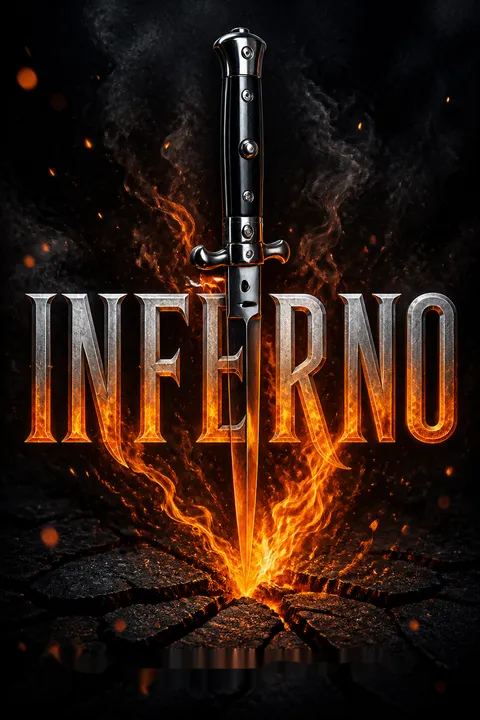
Inferno is a searing exploration of trauma, identity, and the inescapable pull of family legacy, set against the backdrop of a modern Mafia war. Catherine Doyle crafts a narrative that is both a coming-of-age story and a meditation on the cost of survival in a world ruled by violence and secrecy. The novel interrogates the meaning of loyalty—whether to blood, to love, or to self—and exposes the ways in which inherited wounds shape, and often destroy, the next generation. Sophie's journey from innocence to hardened survivor is both heartbreaking and empowering; she is forced to confront the darkness within herself and those she loves, ultimately choosing agency over victimhood. The story's structure—layered with foreshadowing, mirrored relationships, and symbolic objects—reinforces the theme that the past is never truly past, and that breaking the cycle of violence requires both courage and sacrifice. Inferno's lessons are stark: silence can be deadly, love is not always redemptive, and sometimes survival means becoming something new, even if it means embracing the darkness. In the end, the novel offers no easy answers, only the hard-won truth that identity is forged in fire, and that the only way out is through
Review Summary
Inferno receives high praise from readers for its intense plot, character development, and slow-burn romance. Many consider it superior to the first book, with Sophie's growth and Luca's expanded role being highlights. The mafia storyline is thrilling, with unexpected twists and emotional depth. Readers appreciate the realistic portrayal of relationships, both romantic and platonic. The writing style is engaging, keeping readers hooked throughout. Some criticize certain character decisions, but overall, the book is highly recommended for its blend of action, romance, and intrigue.
People Also Read


Characters
Sophie Gracewell
Sophie is the heart of the story—a teenager thrust into the violent world of Chicago's Mafia families. Orphaned by her father's imprisonment and her mother's eventual death, she is forced to navigate trauma, betrayal, and the burden of inherited violence. Sophie's psychological journey is one of transformation: from innocence to hardened survivor, from pawn to player. Her relationships—with Nic, Luca, Millie, and her family—are fraught with longing, guilt, and the desperate need for agency. Sophie's greatest struggle is with her own identity, as she learns she is a Marino by blood but refuses to be defined by her family's sins. Her arc is one of painful growth, as she chooses vengeance and self-determination over victimhood.
Nic Falcone
Nic is Sophie's first love and the golden boy of the Falcone family. He is passionate, impulsive, and fiercely loyal to his family, even when it means betraying Sophie. Nic's internal conflict is between love and duty, and he is ultimately unable to choose Sophie over the code of the Mafia. His actions—both tender and violent—reflect the impossibility of reconciling personal desire with inherited obligation. Nic's psychological complexity lies in his capacity for both genuine affection and ruthless violence, making him both a source of comfort and pain for Sophie.
Luca Falcone
Luca is the brooding, intelligent twin, marked by trauma and a deep sense of responsibility. He is both feared and respected within the family, yet he is haunted by the violence he is expected to perpetuate. Luca's relationship with Sophie is fraught with tension, attraction, and mutual understanding—they are both outsiders within their own families. He is the only Falcone who truly sees Sophie as a person, not a pawn, and his willingness to protect her is both a strength and a vulnerability. Luca's arc is one of reluctant leadership, as he struggles to balance loyalty, morality, and the need for survival.
Millie
Millie is Sophie's steadfast friend, providing humor, perspective, and unwavering support. She is the voice of reason and the embodiment of normalcy in Sophie's chaotic world. Millie's loyalty is tested by the violence and secrets surrounding Sophie, but she never abandons her. Her presence is a reminder of what's at stake—the possibility of a life outside the Mafia's grip. Millie's psychological resilience and empathy are crucial to Sophie's survival, even as she is drawn into danger herself.
Jack Gracewell / Antony Marino
Jack is the embodiment of the family's dark legacy—a charming, manipulative survivor who ultimately chooses self-preservation over loyalty. His alliance with Donata Marino and betrayal of Sophie and her mother set the story's tragic events in motion. Jack's psychological profile is one of moral decay, shaped by loss, ambition, and the belief that the ends justify the means. He is both a victim and a perpetrator, and his actions force Sophie to confront the true cost of family loyalty.
Donata Marino
Donata is the ruthless leader of the Marino family, driven by grief, ambition, and a desire for retribution. She is both a mirror and a foil to Elena Falcone—cold, calculating, and unyielding. Donata's manipulation of Sophie and her orchestration of violence reveal a woman consumed by loss and the need for control. Her psychological complexity lies in her ability to inspire both fear and pity, as her humanity is eroded by the endless cycle of vengeance.
Felice Falcone
Felice is the chilling strategist of the Falcone family, wielding power through intimidation and psychological warfare. He is the keeper of secrets, the enforcer of omertà, and the architect of many of the family's darkest deeds. Felice's obsession with loyalty and bloodlines drives much of the story's conflict, and his revelation of Sophie's true heritage is a turning point. He is both a relic of the past and a force shaping the future, his presence a constant reminder of the cost of survival.
Elena Genovese-Falcone
Elena is the formidable mother of the Falcone brothers, fiercely protective and deeply invested in the family's legacy. Her interactions with Sophie are marked by suspicion, hostility, and a refusal to accept outsiders. Elena's psychological rigidity is both her strength and her downfall, as she is unable to adapt to changing loyalties and the erosion of traditional codes. Her grief and pride are intertwined, making her both a source of strength and a barrier to reconciliation.
Sara Marino
Sara is the young Marino cousin who becomes both a warning and a victim. Her attempts to help Sophie are acts of quiet rebellion against her family's violence, and her murder is a devastating reminder that innocence is not protected in this world. Sara's psychological arc is brief but poignant—she is a mirror for Sophie, showing what might have been if circumstances were different. Her death is a catalyst for Sophie's final transformation.
Valentino Falcone
Valentino is the head of the Falcone family, embodying both the allure and the horror of Mafia power. He is charming, intelligent, and utterly ruthless, presiding over the family with a mix of affection and iron will. Valentino's psychological complexity lies in his ability to inspire loyalty while remaining emotionally detached. He is both a protector and a destroyer, and his decisions shape the fate of everyone around him.
Plot Devices
Omertà and the Code of Silence
The Mafia code of omertà is the story's central plot device, shaping every character's choices and relationships. It forces Sophie and others to lie, withhold, and betray, even when honesty might save lives. Omertà is both a shield against external threats and a prison that isolates individuals, making true connection and healing nearly impossible. The code's power is reinforced through intimidation, violence, and the ever-present threat of retribution, ensuring that secrets fester and trust is a rare commodity.
Cycles of Revenge and Inherited Violence
The narrative is structured around the endless cycle of revenge between the Falcones and Marinos, with each generation inheriting the wounds and obligations of the last. This device is reinforced through family histories, mausoleum inscriptions, and the repetition of violence. Characters are trapped by the past, their choices shaped by events they did not cause but cannot escape. The story uses foreshadowing—such as the recurring motif of blood, knives, and fire—to signal that the cycle will continue until someone chooses to break it, or is destroyed by it.
Symbolic Objects and Spaces
Physical objects—Luca's switchblade, the ruby ring, the safe, the mausoleum—are imbued with symbolic weight, representing loyalty, betrayal, and the inescapability of family legacy. These objects serve as plot catalysts, triggering revelations, confrontations, and shifts in allegiance. Spaces like the mausoleum, Evelina, and the diner are more than settings; they are battlegrounds where the past and present collide, and where characters are forced to confront the truth about themselves and their families.
Dualities and Mirrors
The story is rich with dualities: Sophie and Sara, Nic and Luca, Elena and Donata, love and violence, loyalty and betrayal. These mirrors highlight the ways in which characters are both products of their environment and agents of their own fate. The narrative structure often juxtaposes scenes of tenderness with brutality, hope with despair, underscoring the complexity of human nature and the difficulty of breaking free from inherited roles.
Foreshadowing and Narrative Structure
The plot unfolds through a series of revelations—about family history, hidden identities, and secret motivations. Foreshadowing is used to build tension, with early hints (the black Mercedes, the switchblade, the mausoleum) paying off in later, more devastating ways. The narrative is structured in escalating acts, each marked by a major betrayal or loss, culminating in Sophie's final choice to embrace her own agency, even if it means becoming what she once feared.
Blood for Blood Series


About the Author



Download PDF
Download EPUB
.epub digital book format is ideal for reading ebooks on phones, tablets, and e-readers.








































