
Plot Summary
Return to Lawton Shadows
Willa Ames steps off the bus into the small Alabama town of Lawton, carrying the weight of a past she can't escape. Sent to live with her grandmother, Nonna, after a stint in a correctional facility, Willa is haunted by guilt and the knowledge that no one truly believes her side of the story. The home she returns to is both a comfort and a reminder of everything she's lost—her mother's love, her own innocence, and the trust of those around her. As she settles into her childhood room, memories of happier times with her childhood friends, Gunner Lawton and Brady Higgens, resurface. But the Lawton estate, with its big house and the ever-present tree house, is now a landscape of regret and longing. Willa is determined to keep her head down, avoid trouble, and somehow earn back the trust she's lost.
Broken Homes, Broken Hearts
Gunner Lawton's life is a study in contradictions: wealth and privilege on the outside, loneliness and rejection within. His parents' marriage is a sham, his father's love reserved for his older brother Rhett, and Gunner himself is a constant reminder of his mother's infidelity. Gunner's cynicism about love and family runs deep, shaped by years of emotional neglect and the knowledge that he is not truly a Lawton by blood. He masks his pain with bravado, parties, and casual hookups, refusing to let anyone get close enough to hurt him. Yet, beneath the surface, Gunner craves connection and acceptance, especially from the one person who once made him feel seen—Willa.
Old Friends, New Secrets
Willa's first days back in Lawton are marked by tense encounters with Gunner and Brady, her childhood best friends. The trio's dynamic is strained by years apart and the secrets each carries. Brady, now the town's golden boy and football star, is drawn to Willa's changed demeanor but senses the darkness in her eyes. Gunner, too, is unsettled by Willa's return, his old feelings complicated by jealousy and unresolved hurt. As Willa navigates the minefield of high school gossip and judgment, she is forced to confront the reality that the safe, innocent friendships of her youth are gone, replaced by a tangled web of attraction, mistrust, and unspoken trauma.
The Tree House Reunion
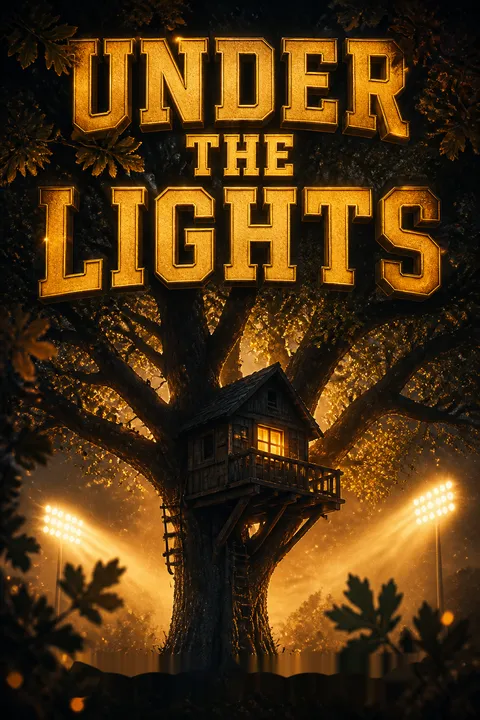
The old tree house, once a sanctuary for Willa, Gunner, and Brady, becomes the setting for tentative reconnection. Here, away from prying eyes, Willa and Gunner begin to lower their guards, sharing pieces of their pain and the burdens they carry. The tree house is both a symbol of lost innocence and a place where healing might begin. As they reminisce about their shared past, the comfort of old memories is tempered by the realization that they are no longer children. The confessions exchanged in this space lay the groundwork for deeper understanding—and the possibility of forgiveness.
Guilt, Rumors, and Regret
Willa's reputation precedes her at Lawton High, where whispers about her time in juvie and the circumstances of her return follow her through the halls. Nonna, protective yet wary, warns her to stay away from boys and focus on rebuilding her life. Willa's own sense of guilt is compounded by the town's judgment and her mother's rejection. She is determined to avoid repeating past mistakes, but the loneliness is suffocating. The only solace she finds is in books and fleeting moments of kindness from Gunner and Brady, who are themselves struggling to reconcile the girl they once knew with the young woman before them.
Love's Complicated Triangle
As Willa, Gunner, and Brady spend more time together, old bonds are tested by new emotions. Brady, despite having a girlfriend, finds himself drawn to Willa's vulnerability and strength. Gunner, battling his own demons, is both protective and possessive, unable to admit the depth of his feelings. The tension between the three is palpable, complicated by misunderstandings, jealousy, and the ever-present threat of heartbreak. Each is afraid to risk what little stability they have for the chance at something more, yet none can deny the pull between them.
Family Lies Unraveled
The Lawton family's carefully constructed facade begins to crumble as long-buried secrets come to light. Gunner learns the full truth of his parentage: he is not only the product of an affair but the son of his mother's father-in-law, making him both heir and outcast. The revelation devastates Gunner, deepening his sense of alienation and fueling his desire to escape Lawton forever. Rhett, once his protector, becomes a rival, and the family's wealth and status are revealed to be built on lies and betrayal. Gunner's struggle to claim his own identity is mirrored by Willa's fight to move beyond her own past.
Haunted by the Past
Willa is plagued by nightmares of the tragedy that sent her to juvie: the accidental drowning of her best friend's little sister while Willa and her friends were high and drunk. The guilt is overwhelming, and the memory of her friend Poppy's subsequent suicide haunts her every waking moment. When Willa finally confides in Gunner, the act of sharing her pain becomes a turning point. Gunner, in turn, reveals his own wounds, and together they begin to understand that healing is possible—but only if they stop running from the past.
Under the Friday Night Lights
The rhythms of Lawton life revolve around football games and field parties, where the town's youth seek escape from their troubles. Willa attends her first game, sitting with Maggie and West, and is swept up in the excitement and camaraderie. Yet, beneath the surface, tensions simmer: Brady's relationship with Ivy is strained by his feelings for Willa, Gunner's rivalry with his brother intensifies, and the ever-present threat of gossip and scandal looms. The Friday night lights illuminate both the hope and the heartbreak of adolescence in a town where everyone knows your business.
Kisses, Fights, and Farewells
A stolen kiss between Willa and Brady sets off a chain reaction of jealousy and confusion. Gunner, unable to process his feelings, pulls away, while Willa is left reeling from the fallout. The trio's friendship is tested as loyalties are questioned and hearts are broken. Meanwhile, family confrontations reach a boiling point, with Gunner facing off against his father and brother over the inheritance and the truth of his birth. Feeling trapped and unwanted, Gunner makes the impulsive decision to run away, leaving Willa and the town behind.
Letters, Loss, and Letting Go
Willa, forbidden by Nonna to see Gunner, writes him a letter ending their relationship for both their sakes. She chooses to focus on her own healing, agreeing to homeschool and isolate herself from the drama of Lawton High. Gunner, alone in a cheap motel far from home, realizes that running away has not brought him peace. The pain of separation forces both Willa and Gunner to confront what they truly want—and what they are willing to fight for. Letters become the medium for their final goodbyes and, ultimately, their reconciliation.
Healing, Hope, and Homecoming
Gunner returns to Lawton, determined to face his demons and reclaim his life. He confronts his family, asserting his right to the Lawton legacy and vowing to use his inheritance for good. Willa, too, finds strength in her grandmother's unwavering support, choosing to stay and finish her education at home. The two meet again in the tree house, the site of so many memories, and finally confess their love for each other. Together, they begin to imagine a future not defined by their pasts but by the hope and healing they have found in each other.
Choosing to Stay
In the aftermath of so much pain and upheaval, Willa and Gunner choose to stay in Lawton—not because it is easy, but because it is home. They accept that healing is a process, one that requires honesty, forgiveness, and the courage to face the truth. Surrounded by friends who have become family, and with the support of Nonna and Ms. Ames, they look toward the future with cautious optimism. The story ends where it began: under the lights, in the tree house, with the promise that love—no matter how broken—can be enough to light the way forward.
Analysis
A modern Southern gothic of trauma, forgiveness, and the search for belonging,Under the Lights explores how the scars of the past shape the present and how love, in its many forms, can be both a source of pain and a path to healing. Abbi Glines crafts a narrative that is as much about the weight of family legacy and small-town judgment as it is about first love and second chances. The novel's dual perspectives invite readers to empathize with characters who are deeply flawed yet achingly human, each struggling to break free from cycles of neglect, guilt, and self-doubt. The tree house, a symbol of lost innocence, becomes a place of reckoning and renewal, reminding us that while we cannot change the past, we can choose how we move forward. Ultimately, the story argues that forgiveness—of others and of oneself—is the key to transformation, and that true home is found not in a place, but in the people who see and accept us, broken pieces and all.
Review Summary
Under the Lights by Abbi Glines receives mixed reviews averaging 3.8/5 stars. Many readers enjoyed the love triangle between Willa and childhood friends Brady and Gunner, praising the emotional depth and small-town atmosphere. Fans appreciated the mature YA themes and easy readability. However, critics cite significant issues including pervasive slut-shaming, misogyny, sexism, an abrupt ending with unresolved plot points, and problematic portrayals of sensitive topics like suicide and substance use. Several reviewers felt the book lacked character development and featured unrealistic dialogue, with some finding it worse than the series' first installment.
People Also Read





Characters
Willa Ames
Willa is a young woman marked by tragedy, guilt, and the desperate need for forgiveness. After a fatal accident and her best friend's suicide, she is sent to live with her grandmother in Lawton, carrying the stigma of her past and the pain of her mother's rejection. Willa is introspective, fiercely loyal, and determined to rebuild her life, even as she battles nightmares and the judgment of others. Her relationships with Gunner and Brady are complicated by shared history and new emotions, but it is her capacity for empathy and her willingness to confront her trauma that define her journey. Willa's arc is one of self-acceptance, learning that she is worthy of love and a future beyond her mistakes.
Gunner Lawton
Gunner is the quintessential golden boy with a dark secret: he is the product of his mother's affair with her father-in-law, making him both the true Lawton heir and a living reminder of family betrayal. Raised in a loveless household, Gunner masks his pain with arrogance, parties, and casual relationships, convinced that love only leads to hurt. His friendship with Willa is a lifeline, offering him the acceptance and understanding he has always craved. Gunner's journey is one of breaking free from the toxic legacy of his family, learning to trust, and ultimately choosing vulnerability over self-destruction.
Brady Higgens
Brady is Lawton's star quarterback and the town's golden boy, but beneath his easy charm lies a deep sense of responsibility and longing. Torn between his loyalty to Gunner and his growing feelings for Willa, Brady struggles to do the right thing, even when it means sacrificing his own happiness. His relationship with Ivy is comfortable but unfulfilling, and his friendship with Gunner is tested by jealousy and competition. Brady's arc is about learning to let go, accept change, and support those he loves—even when it hurts.
Nonna (Ms. Ames)
Nonna is Willa's grandmother and the heart of the Lawton estate. A woman of quiet strength and unwavering love, she provides Willa with the stability and support her mother never could. Nonna is protective but fair, insisting on honesty and hard work as the path to redemption. Her wisdom and compassion are a guiding force for both Willa and Gunner, and her willingness to forgive and believe in second chances is central to the story's message of hope.
Rhett Lawton
Rhett is Gunner's older brother and the apple of their father's eye. Raised to believe he is the rightful heir to the Lawton fortune, Rhett's world is upended by the revelation of Gunner's true parentage. His relationship with Gunner deteriorates into rivalry and resentment, exposing the corrosive effects of favoritism and family secrets. Rhett's inability to accept change and his sense of entitlement make him both a tragic figure and an antagonist in Gunner's journey.
Ivy Hollis
Ivy is Brady's on-again, off-again girlfriend, defined by her need for validation and fear of abandonment. Her relationship with Brady is more about comfort and routine than genuine connection, and she struggles to accept his growing distance. Ivy's arc is a cautionary tale about the dangers of losing oneself in the pursuit of love, and her eventual acceptance of reality is a quiet act of self-preservation.
Serena
Serena is one of Lawton High's most sought-after girls, known for her beauty and willingness to play the game. She serves as a distraction for Gunner, a way for him to avoid confronting his true feelings for Willa. Serena's presence highlights the superficiality of high school relationships and the emptiness of seeking validation through others.
Asa Griffith
Asa is a football player and one of Gunner's friends, drawn to Willa's mystery and strength. His interest in her adds another layer of complexity to the story's romantic entanglements, but Asa ultimately serves as a catalyst for Willa's realization of where her heart truly lies. He is supportive and kind, embodying the possibility of new beginnings.
Riley Young
Riley is a girl with a troubled past, ostracized by the town for accusing Rhett of rape—a claim later recanted. Her brief interaction with Willa serves as a mirror for the consequences of being labeled and judged, and her warning to Willa about the dangers of trust in Lawton is both prophetic and poignant.
Willa's Mother
Willa's mother is a figure of absence and disappointment, more concerned with her own happiness than her daughter's well-being. Her inability to love Willa or accept responsibility for her actions is a source of deep pain, and her eventual attempt to cut Willa off financially is the final betrayal. She represents the generational cycle of neglect and the importance of breaking free from toxic family patterns.
Plot Devices
Dual Narration and Shifting Perspectives
The novel employs alternating first-person perspectives, primarily from Willa, Gunner, and Brady, allowing readers intimate access to each character's thoughts, motivations, and emotional struggles. This structure deepens the psychological complexity of the story, highlighting how misunderstandings and secrets shape relationships. The shifting viewpoints also create dramatic irony, as readers are privy to truths the characters themselves cannot see, building tension and empathy.
The Tree House as Symbol and Setting
The tree house is a recurring motif, representing the innocence and safety of childhood. It is the site of pivotal conversations, confessions, and reconciliations, serving as both a literal and metaphorical space where characters confront their pasts and imagine new futures. The tree house's endurance amidst change mirrors the resilience of the human spirit and the possibility of reclaiming lost hope.
Letters and Unspoken Words
Letters play a crucial role in the narrative, especially when spoken words fail. Willa's letter to Gunner, ending their relationship for their own good, and Gunner's letter inviting her back to the tree house, are acts of vulnerability and self-preservation. These written exchanges underscore the difficulty of communication in the face of trauma and the power of words to both wound and heal.
Family Secrets and Inheritance
The unraveling of the Lawton family's secrets—Gunner's true parentage, the circumstances of his birth, and the shifting inheritance—serves as the engine for much of the novel's drama. These revelations force characters to confront their identities, challenge their loyalties, and ultimately choose between perpetuating cycles of pain or forging new paths.
Small-Town Setting and Social Judgment
Lawton, Alabama, is more than a backdrop; it is an active force in the story. The town's insularity, gossip, and rigid social hierarchies magnify the characters' mistakes and make redemption harder to achieve. The pressure to conform and the fear of ostracism shape every decision, making acts of courage and honesty all the more significant.
The Field Party Series





About the Author
Other books by Abbi Glines


Download PDF
Download EPUB
.epub digital book format is ideal for reading ebooks on phones, tablets, and e-readers.








































