
Plot Summary
Morning Chaos and Memories
Riley Young wakes to a kitchen disaster: her grandmother, lost in Alzheimer's confusion, has spilled breakfast everywhere, and her toddler daughter Bryony is hungry. The morning is a microcosm of Riley's life—juggling caretaking, motherhood, and the ache of what's been lost. Her grandmother's mind drifts between past and present, and Riley's patience is tested but unwavering. The house is filled with echoes of happier times, but now every day is a struggle to keep everyone safe and fed. Riley's resilience is clear, even as she mourns the woman her grandmother used to be. The weight of responsibility is heavy, but the love for her daughter and family keeps her moving forward, determined to create new memories despite the shadows of the past.
Good Guy Complex Cracks
Brady Higgens, Lawton High's golden boy quarterback, is struggling. He's just broken up with Ivy, his clingy girlfriend, and is haunted by guilt over how he handled things. His friends tease him, but Brady's mind is elsewhere—on the girl he once turned against, Riley Young. The town still whispers about Riley's supposed lies, and Brady's conscience is pricked by the unfairness of it all. He wants the kind of love his friends have found, but feels trapped by his own reputation and the expectations of others. Brady's "good guy" persona is starting to crack under the pressure of regret and longing for something real, something he's not sure he deserves.
Rain, Rides, and Realities
Caught in a sudden rainstorm, Riley pushes Bryony's stroller home when Brady pulls up and insists on giving them a ride. The encounter is tense—Riley remembers how Brady, like the rest of the town, turned on her after she accused Rhett Lawton of rape. Brady assumes Bryony is Riley's sister, not her daughter, and Riley's silence is heavy with pain. The ride is awkward, but a small kindness is exchanged. When Bryony calls Riley "Momma," the truth dawns on Brady, shattering his assumptions. The moment is brief but seismic, forcing both to confront the lies and judgments that have shaped their lives.
Especially for Riley
Brady can't shake the image of Riley and her daughter. He confides in his cousin Maggie, who challenges his certainty about Riley's supposed lies. Maggie's empathy and logic force Brady to reconsider everything he thought he knew about Rhett and Riley. The conversation leaves him unsettled, his guilt deepening as he realizes how easily the town—and he himself—condemned Riley without question. The seeds of doubt and compassion are planted, and Brady begins to see Riley not as a villain, but as a survivor.
Ghosts of the Past
Riley reflects on her isolation in Lawton, the support of her parents, and the trauma of her past. She's haunted by memories of the night Rhett took her virginity against her will, and the aftermath—ostracism, gossip, and exile. Yet, motherhood has given her strength and purpose. She clings to the routines that keep her family afloat, even as the town's judgment lingers. Riley's resilience is hard-won, and her love for Bryony is both shield and salvation.
Guilt and Goodbyes
After a chance encounter with Riley's mother, Brady's doubts intensify. He tries to reach out to Riley, but her number is disconnected. Determined to clear his conscience, he decides to visit her in person. The weight of his guilt and the possibility that the town was wrong about Riley drive him to seek answers, even as he fears what he might find. The need for redemption becomes stronger than his fear of social fallout.
Reluctant Reunions
Brady visits Riley, seeking forgiveness and understanding. Riley is wary, her walls high after years of betrayal. Their conversation is raw—Brady admits his doubts, and Riley refuses to relive her trauma for his benefit. Yet, beneath the anger, there's a flicker of hope. Riley's mother urges her to let someone in, warning that her bitterness could become Bryony's inheritance. Reluctantly, Riley agrees to talk, setting the stage for a tentative friendship.
Truths and Tensions
In Brady's truck, Riley lays bare her exhaustion with defending herself. Brady, moved by her strength and the love she shows her daughter, finally believes her. He apologizes, but Riley is unmoved—one apology can't undo years of pain. Still, a fragile understanding is reached. Brady offers friendship, but Riley insists she's not a charity case. Both are left changed by the encounter, their emotional wounds exposed but not yet healed.
Human Nature Exposed
After Brady's visit, Riley debates the value of friendship and trust. Her mother reminds her that human nature is flawed, and that Riley's pain has made her wary of connection. Riley is determined to protect herself and Bryony, but the loneliness is palpable. The next morning, a new crisis arises—her grandmother has wandered off, and Riley must search the town in a panic, her sense of responsibility and fear overwhelming.
Lost and Found
Brady and West join Riley in searching for her grandmother. The town's divisions momentarily fade as people help. Riley's grandmother is found safe at the church, and the relief is immense. The ordeal brings Riley and Brady closer, and even West, once a skeptic, offers support. The experience is a turning point—Riley realizes she can't do everything alone, and Brady proves his loyalty through action, not just words.
Facing the Town
Encouraged by Brady, Riley begins to reclaim her place in Lawton. She faces old friends and enemies at the grocery store, enduring snide remarks with newfound strength. The town's judgment still stings, but Riley refuses to hide. Brady's support emboldens her, and small acts of kindness from others—like Willa, Gunner's girlfriend—hint at the possibility of acceptance and healing.
Football and Fathers
As the football season reaches its climax, Brady's personal life implodes. He discovers his father's infidelity, shattering his image of family and stability. The betrayal leaves him reeling, questioning everything he believed about love, loyalty, and himself. Riley becomes his anchor, offering the hard-earned wisdom of someone who has survived devastation. Their bond deepens as they navigate pain together.
Nighttime Confessions
In the aftermath of his father's betrayal, Brady seeks solace with Riley. Their late-night conversations become a lifeline, a space where they can be honest and vulnerable. The lines between friendship and romance blur, and their feelings intensify. Both are scared—Riley of being hurt again, Brady of losing himself—but together they find the courage to hope for more.
Secrets and Sacrifices
As graduation approaches, Riley and Brady must confront the reality of their futures. Brady is offered family housing at college, but Riley is determined to stay in Lawton for Bryony's sake. Their love is tested by practicalities and fears—can they survive the distance, or will their paths diverge? The pain of possible separation hangs over them, threatening to undo all they've built.
Confrontations and Cookies
The town's gossip intensifies as Riley and Brady's relationship becomes public. Gunner, once Riley's boyfriend and Rhett's brother, finally acknowledges Riley's truth and offers a tentative olive branch. Willa and Maggie become steadfast friends, and even Coralee, Brady's mother, embraces Riley and Bryony. The community's slow acceptance is hard-won, but it brings hope for a new beginning.
Rattled Hearts
Brady and Riley's relationship deepens, but the specter of the future looms. Ivy, Brady's ex, lashes out, and Riley's own doubts resurface. The couple must decide whether love is enough to bridge the gap between their dreams and responsibilities. Their connection is undeniable, but the fear of loss and the weight of the past threaten to pull them apart.
Game Day Decisions
The state championship game arrives, and Brady is under immense pressure—on the field and at home. His father's presence rattles him, but Riley's support gives him strength. The game is a metaphor for their struggles: risk, teamwork, and the courage to fight for what matters. Brady's leadership and resilience shine, and the team wins by three touchdowns, a triumph that feels both exhilarating and bittersweet.
By Three Touchdowns
The win is celebrated, but the cost is clear. Brady's family is fractured, and Riley's future is uncertain. Amid the cheers and fireworks, the couple clings to each other, finding solace in shared pain and hope. The town's acceptance grows, and Riley begins to believe in the possibility of happiness. Yet, the reality of impending separation remains.
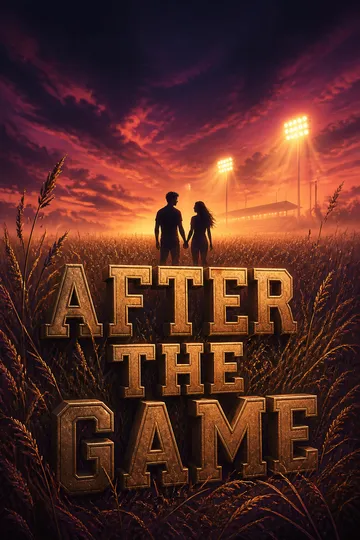
After the Game
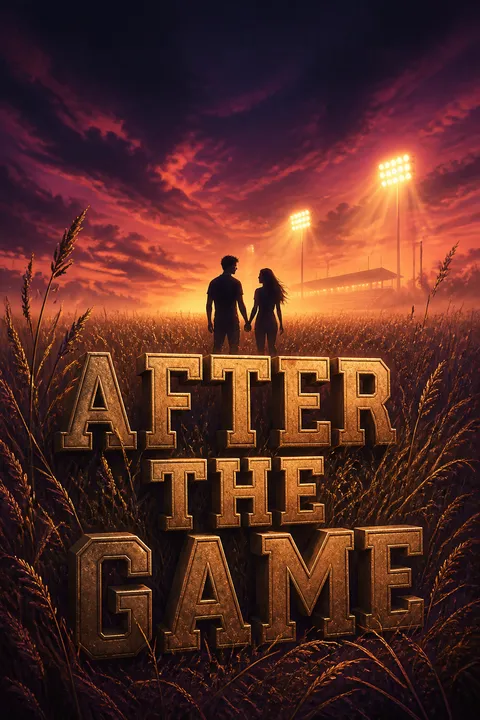
As graduation nears, Riley and Brady face the hardest decision yet. Riley chooses to stay in Lawton for Bryony, while Brady prepares to leave for college. Their breakup is painful but necessary—each must pursue their own path. Yet, love endures. With time and reflection, they realize that distance cannot erase what they share. A handwritten note, a meeting in a field, and a promise to wait for each other mark the beginning of a new chapter—one built on trust, resilience, and the belief that love, though tested, can survive.
New Beginnings, Old Wounds
Months later, Riley and Brady have grown stronger apart. Riley forgives Rhett, finally closing the door on her trauma. Brady, having weathered the storm of his family's collapse, finds peace in the knowledge that he and Riley can build a future together, even if it's not the one they first imagined. Their story is one of survival, forgiveness, and the quiet power of choosing love, again and again, after the game is over.
Analysis
After the Game is a powerful exploration of trauma, resilience, and the search for belonging in the aftermath of betrayal. Abbi Glines crafts a narrative that is both intimate and universal, using the microcosm of a small Southern town to examine the ways in which communities can both harm and heal. The novel's dual perspectives invite readers to empathize with both the outcast and the golden boy, revealing the complexities of guilt, forgiveness, and love. At its core, the story is about survival—how we endure pain, reclaim agency, and find hope in unexpected places. The romance between Riley and Brady is not a fairy tale, but a hard-won partnership forged in honesty and vulnerability. The book challenges the myth of the perfect family and the easy redemption, insisting instead that healing is messy, nonlinear, and deeply personal. Ultimately, After the Game is a testament to the strength of those who refuse to be defined by their worst moments, and to the quiet, persistent power of choosing love—again and again—after the game is over.
Review Summary
After the Game by Abbi Glines receives mixed reviews (3.9/5 overall). Many readers appreciate the emotional depth and character development, particularly praising Brady's growth and Riley's strength as a young mother. However, a significant criticism focuses on the inadequate handling of Riley's rape and its aftermath, with reviewers noting the lack of realistic trauma portrayal and insufficient consequences for the perpetrator. Readers enjoy the sweet romance and supporting characters, especially Riley's daughter Bryony, but many express disappointment with the abrupt ending and wish for more closure or an epilogue.
People Also Read







Characters
Riley Young
Riley is the heart of the story—a teenage mother ostracized by her small town after accusing Rhett Lawton of rape. Her strength is forged in adversity: caring for her Alzheimer's-stricken grandmother, raising Bryony alone, and enduring relentless judgment. Riley's psychological journey is one of reclaiming agency and self-worth. She is fiercely protective of her daughter, wary of trust, and slow to let others in. Yet, her capacity for forgiveness and hope is remarkable. Through her relationship with Brady, Riley learns to accept love and friendship again, while never losing sight of her responsibilities. Her development is a testament to resilience, as she transforms pain into purpose and finds healing in vulnerability.
Brady Higgens
Brady is Lawton's star quarterback, beloved for his kindness and integrity. Beneath the surface, he is haunted by guilt over his role in Riley's exile and the pressure to live up to his "good guy" image. The discovery of his father's infidelity shatters his sense of security, forcing him to confront the complexities of love, loyalty, and identity. Brady's relationship with Riley becomes his anchor, challenging him to question the town's narratives and his own assumptions. He is empathetic, self-sacrificing, and ultimately courageous—willing to risk reputation and dreams for what he believes is right. Brady's arc is one of maturation, as he learns to balance duty with desire and to fight for love in the face of adversity.
Bryony Young
Bryony, Riley's daughter, is the embodiment of innocence and new beginnings. Her presence brings light to every scene, softening hardened hearts and bridging divides. She is a constant reminder of what's at stake for Riley and a catalyst for healing in the Higgens household. Bryony's interactions with adults reveal the power of unconditional love and the importance of family, chosen or otherwise.
Coralee Higgens
Brady's mother, Coralee, is the emotional backbone of her family. Her warmth and acceptance extend to Riley and Bryony, offering them the support and belonging they've been denied elsewhere. Coralee's own heartbreak—her husband's betrayal—parallels Riley's, and her resilience in the face of loss inspires those around her. She is a model of grace, forgiveness, and the enduring power of maternal love.
Maggie Carleton
Maggie, Brady's cousin, has her own history of trauma and silence. Her presence in the Higgens home brings a quiet understanding of pain and recovery. Maggie's friendship with Riley and support for Brady are grounded in empathy and insight. She encourages honesty and healing, serving as a bridge between characters and a reminder that survival is possible, even after the worst has happened.
West Ashby
West is Brady's best friend and a fellow football star. Having lost his father to cancer, West understands grief and the need for support. His relationship with Maggie softens his rough edges, and his willingness to help Riley in a crisis marks his growth. West's loyalty and evolving perspective reflect the story's themes of change and redemption.
Gunner Lawton
Once Riley's boyfriend and Rhett's brother, Gunner is initially complicit in Riley's ostracism. The unraveling of his own family—discovering his true parentage and losing his inheritance—forces him to reevaluate his loyalties. Gunner's eventual acceptance of Riley's truth and his relationship with Willa signal his capacity for growth and forgiveness.
Willa Ames
Willa, Gunner's girlfriend, becomes an unexpected ally for Riley. Her kindness and refusal to judge set her apart in a town quick to condemn. Willa's own struggles with loss and belonging make her a compassionate friend, and her support helps Riley reclaim her place in Lawton.
Ivy
Ivy represents the expectations and pressures of high school relationships. Her inability to let go of Brady and her eventual bitterness highlight the challenges of moving on and the pain of unrequited love. Ivy's arc is a cautionary tale about self-worth and the dangers of defining oneself through others.
Rhett Lawton
Rhett's actions set the story in motion, but he remains largely offstage. His denial and cowardice inflict lasting harm on Riley, yet his eventual admission of guilt and request for forgiveness allow Riley to close a painful chapter. Rhett is a reminder of the damage caused by privilege, denial, and the refusal to take responsibility.
Plot Devices
Dual Narration
The novel employs a dual narrative structure, alternating between Riley and Brady's points of view. This device allows readers to experience both the pain of ostracism and the guilt of complicity, fostering empathy and understanding. The shifting perspectives also highlight the misunderstandings and emotional barriers that must be overcome for healing to occur.
Small Town as Character
Lawton, Alabama, is more than a backdrop—it is an active force in the story. The town's collective memory, gossip, and judgment shape the characters' lives, creating both obstacles and opportunities for redemption. The insularity of the community magnifies every mistake and makes forgiveness hard-won, but it also allows for moments of solidarity and change.
Football as Metaphor
Football is both literal and symbolic—a source of identity, pressure, and escape. The team's journey to the state championship parallels the characters' personal battles. The risks, teamwork, and moments of triumph on the field reflect the courage required to face pain, seek truth, and fight for love off the field.
Foreshadowing and Flashbacks
The narrative is rich with flashbacks and foreshadowing, revealing the roots of trauma and the slow process of healing. Memories of parties, betrayals, and moments of kindness are woven throughout, providing context and emotional depth. These devices underscore the idea that the past is never truly gone—it must be confronted and integrated for growth to occur.
Symbolism of Food and Home
Shared meals—whether chaotic breakfasts or comforting dinners—serve as symbols of family, acceptance, and healing. The act of cooking, eating, and caring for one another becomes a way to rebuild trust and create new memories, even as old wounds linger.
The Field Party Series



About the Author
Other books by Abbi Glines


Download PDF
Download EPUB
.epub digital book format is ideal for reading ebooks on phones, tablets, and e-readers.








































