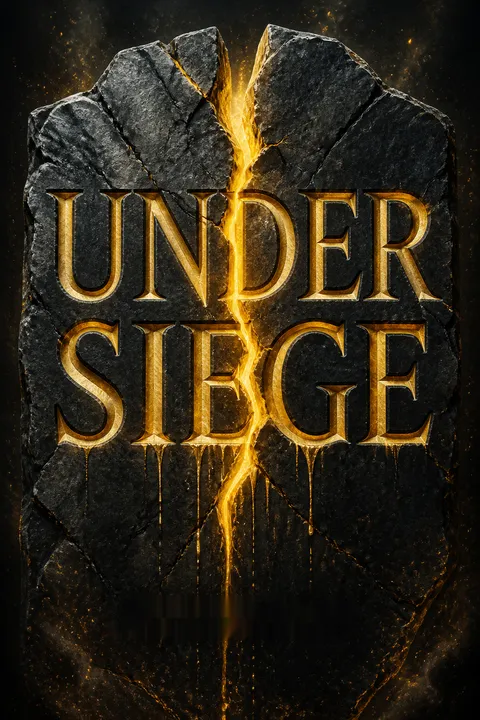

Key Takeaways
1. Unbreakable Family Unity Amidst Siege
Everything we had ever done we had done together as a family. One collective. We were a team.
Shared upbringing. Eric Trump emphasizes that his family's bond was forged through a unique childhood, marked by both privilege and practical lessons. Growing up, he, Don Jr., and Ivanka were inseparable, learning work ethic and resilience from both their ambitious father and their tough, Eastern European mother, Ivana. These early experiences, from Atlantic City casinos to construction sites and summers in communist Czechoslovakia, instilled a deep sense of unity and a no-nonsense approach to life.
Mutual support. The family's collective strength became their greatest asset when Donald Trump entered politics. Unlike typical political families who shield their children, the Trumps campaigned together, facing public scrutiny and personal attacks as a united front. This unwavering mutual support, often expressed through simple gestures like a handshake or a phone call, solidified their bond even further during the most challenging times.
Unwavering loyalty. Despite unprecedented political and personal attacks, the family never broke. Eric highlights that this loyalty was not forced but a natural outcome of their shared history and values. This unity, he argues, was a crucial factor in their ability to withstand the "siege" and continue fighting for their beliefs and their country.
2. Donald Trump: The Unconventional Fighter
He has always believed that if somebody punches you in the face, you punch back—harder.
Unparalleled work ethic. Donald Trump's life has been defined by an extraordinary work ethic and laser focus on achieving his dreams, whether in real estate, television, or politics. He taught his children by example, instilling in Eric a meticulous eye for detail and an expectation of perfection in every endeavor. This drive to win and his competitive spirit were evident in all his pursuits.
Master negotiator. His father's ability to negotiate, whether for multi-billion dollar deals or government contracts, was legendary. Donald Trump always sought value, asked tough questions, and was unafraid of hearing "no," often turning negotiations into opportunities to build long-term relationships and uncover valuable insights. This approach, combined with his vision, allowed him to transform properties and, later, the nation.
Resilient leader. Donald Trump's resilience was most evident during his $900 million debt crisis in the early nineties, from which he emerged stronger. This ability to fight back against overwhelming odds, to focus on solutions rather than problems, became a hallmark of his political career. Eric credits this fighting spirit as the quality that made his father an effective president, willing to challenge the status quo and stand up for the country.
3. The Weaponization of Government and Media
The press and the president were laughing it up while our nation was in decline.
Coordinated attacks. Eric Trump details how government institutions and the media were weaponized against his family and father, starting even before the 2016 election. He cites Chuck Schumer's warning about the intelligence community's ability to "get back at you" as a chilling premonition of the politically motivated investigations that followed. The FBI raid on Mar-a-Lago, for instance, was presented as a security sweep but quickly revealed itself as a politically charged operation, with agents refusing legal observation and attempting to disable security cameras.
The "Russia Hoax." The book extensively covers the "Russia, Russia, Russia Scam," which Eric asserts was a fabricated narrative designed to undermine his father's presidency. He highlights the Durham report's findings that the FBI lacked actual evidence of collusion and relied on "confirmation bias." Eric also points out the irony of the FBI briefing him on a "cyber threat" to the Trump Organization, only for the information to be immediately leaked to the press, framing it as a "Russian hack" and further fueling the false narrative.
Media complicity. The author argues that the mainstream media acted as a de facto communication arm for the Democratic Party, amplifying false narratives and ignoring inconvenient truths. He recounts instances where journalists, once friendly, turned hostile, and how outlets like CNN and the New York Times consistently pushed anti-Trump stories, even when facts were scarce or later debunked. This, he contends, created a distorted reality for many Americans, designed to delegitimize his father's presidency.
4. The Cost of Public Service (for Trumps)
The decision would cost us a fortune in lost revenues, plus campaign expenses and staggering legal fees.
Unprecedented sacrifice. Eric Trump highlights the immense personal and financial sacrifices his family made when Donald Trump entered politics. Unlike career politicians who often enrich themselves in office, his father chose to completely separate from the Trump Organization, turning down billions in potential deals. This decision, while not legally required, was made to avoid any appearance of conflict of interest, demonstrating a commitment to the presidency over profit.
Financial burden. The family's political involvement resulted in staggering legal fees and lost revenues, a stark contrast to the "ballooning net worth" of many career politicians. Eric points out that his father self-funded much of his early campaigns, spending nearly $100 million, a sum that far exceeded what he would have spent on political donations to avoid scrutiny. This financial toll, he argues, underscores the genuine patriotism behind their actions.
Personal toll. Beyond the monetary costs, the "siege" took a significant personal toll on the family. Eric recounts the constant harassment of employees, the public slander, and the emotional strain of living under relentless attack. He contrasts their experience with that of other political families, suggesting that the Trumps faced a level of persecution unmatched in American history, yet remained committed to their cause.
5. Business Acumen Applied to Politics
My father always campaigned on recapturing our nation’s potential. He sold a vision.
Visionary leadership. Donald Trump's approach to politics mirrored his business philosophy: identify untapped potential and execute a clear vision. He campaigned on "Make America Great Again," a simple yet powerful message that resonated with millions of Americans who felt their country was in decline. This vision, Eric argues, was rooted in a deep love for America and a belief in its inherent greatness.
Efficiency and negotiation. Eric details how his father applied his business acumen to the presidency, particularly in negotiating large government contracts. He cites examples like reducing the cost of the F-35 fighter jet and the new Air Force One planes by billions, simply by challenging inflated prices and leveraging his experience. This focus on efficiency and getting the best deal, Eric contends, saved taxpayers immense sums.
Empowering action. Donald Trump decentralized decision-making within the military, removing "handcuffs" and empowering generals to act decisively, a stark contrast to the micromanagement of previous administrations. This business-like approach, focused on results and trust in capable individuals, led to significant operational improvements and, according to Eric, made a world of difference to those on the front lines.
6. The Charity Hoax: No Good Deed Goes Unpunished
If Donald Trump were a Democrat, and if my name was Malia or Sasha, I would have been given the Nobel Peace Prize for what I created.
Philanthropic passion. Eric Trump founded the Eric Trump Foundation at age 21, driven by a desire to help terminally ill children at St. Jude Children's Research Hospital. He describes the foundation's unique model of operating with an extremely low expense ratio (around 9.2%), achieved by leveraging Trump Organization resources and volunteer efforts, ensuring most funds went directly to the children. This commitment led to the funding of St. Jude's state-of-the-art Eric Trump Foundation Surgery & ICU Center.
Targeted investigation. Despite its success and recognition as a model charity, the foundation became a target of New York Attorney General Eric Schneiderman. Eric recounts receiving his first subpoena and being accused of embezzling money from sick children, a claim he vehemently denies. He believes this investigation was a politically motivated distraction, launched to counter negative media attention on the Clinton Foundation's questionable financial practices.
Forced rebranding. The relentless attacks and damaging headlines, fueled by the AG's office and the media, eventually forced Eric to put the foundation on hold and rebrand it as Curetivity. He made this difficult decision to protect the charity and its donors from further political targeting, highlighting the "no good deed goes unpunished" lesson he learned. He contrasts this with the lack of scrutiny faced by the "Biden Cancer Initiative," which reportedly spent millions on salaries with no grants.
7. Election Integrity and the 2020 "Irregularities"
Do not tell me there were zero problems with the 2020 election because that would be stupid, naïve, and dishonest—or all three.
Unprecedented changes. The COVID-19 pandemic, Eric argues, was leveraged by the establishment to implement "unprecedented changes" in voting procedures, particularly the expansion of mail-in ballots. He points to Rahm Emanuel's quote, "You never want a serious crisis to go to waste," as a guiding principle for these actions. These changes, combined with widespread lockdowns that restricted normal life but encouraged protests, created a chaotic environment ripe for manipulation.
Statistical anomalies. Eric highlights several "off" aspects of the 2020 election results, including Joe Biden's reported 81 million votes—15 million more than Barack Obama's 2012 reelection total—despite Biden's low-enthusiasm campaign and minimal crowds. He contrasts this with Donald Trump's 74 million votes, an 11 million increase from 2016, which set a record for an incumbent. These discrepancies, along with late-night "vote spikes" in swing states, fueled widespread doubts about the election's integrity.
Censorship and cover-up. The author details how the media and social media platforms actively censored information, particularly the New York Post's story on Hunter Biden's "Laptop from Hell," which was dismissed as "Russian disinformation" by 51 former intelligence officials. Mark Zuckerberg later admitted the FBI warned Facebook about "Russian propaganda," leading to suppression of the story. Eric contends that this coordinated cover-up prevented Americans from knowing crucial information that could have altered the election's outcome.
8. The Lawfare Matrix: A Coordinated Assault
Show me the man and I’ll show you the crime.
Politically motivated prosecution. Eric Trump asserts that the U.S. justice system has been weaponized against his father, reminiscent of Stalin's USSR. He points to New York Attorney General Letitia James and Manhattan District Attorney Alvin Bragg, who openly campaigned on promises to "get Donald Trump." These prosecutors, he argues, initiated broad "fishing expeditions" without evidence of a crime, costing the Trump Organization millions in legal fees and forcing the turnover of tens of millions of documents.
Persecution of associates. The book details the relentless persecution of Allen Weisselberg, the Trump Organization's CFO for nearly five decades. Eric describes how Weisselberg was "sent through a meat grinder," threatened, handcuffed, and jailed at age 76 for minor tax infractions related to a company car and apartment. This, Eric contends, was a tactic to pressure Weisselberg into providing damaging testimony against Donald Trump, a strategy that ultimately failed.
Biased judges and gag orders. Eric criticizes Judge Juan Merchan, who presided over his father's "hush money" trial, for alleged bias, including donations to anti-Trump campaigns and his daughter's political consulting work. He highlights the "statistically impossible" random selection of Merchan for multiple Trump-related cases. The imposition of gag orders on Donald Trump, while disgruntled witnesses like Michael Cohen were free to speak to the media, is cited as a blatant violation of free speech and due process, designed to silence the leading Republican candidate.
9. Cancel Culture and De-banking
Businesses should not be targeted or punished for their political affiliations.
Corporate retaliation. Following the 2020 election, Eric Trump describes a widespread "corporate cancel culture movement" targeting the Trump Organization. Dozens of financial institutions, including Chase, Capital One, and First Republic, abruptly terminated their banking relationships with the company, often with little explanation. This, he argues, was a politically motivated attempt to cripple their businesses and humiliate the family.
Financial siege. The sudden closure of hundreds of corporate accounts, many linked to auto-pay systems and loan provisions, created immense logistical challenges for the Trump Organization. Eric recounts sleepless nights spent finding new banks and reassuring thousands of employees, tenants, and patrons whose livelihoods depended on the company. He also notes that their businesses were explicitly excluded from COVID-19 relief programs like the Paycheck Protection Program (PPP), a unique carve-out he attributes to political targeting.
Regulator pressure. Eric reveals that some financial institutions admitted to being pressured by regulators to cease doing business with the Trumps. He views this as a dangerous precedent where political affiliations, rather than financial risk, dictate business relationships. He proudly recounts suing Capital One for "egregious conduct" and highlights the irony of First Republic Bank's collapse shortly after they canceled the Trump Organization, seeing it as "karma."
10. Resilience and Unintended Consequences
What if a company that was relentlessly attacked, at great cost—personally and financially—actually emerged stronger than it was ten years ago? We Are!
Hardened by adversity. Eric Trump reflects on how the relentless "siege" ultimately strengthened his family and the Trump Organization. The constant attacks, including over 100 subpoenas, forced them to become "bulletproof" and more resilient. He notes that the company adapted faster and smarter than others, maintaining employee jobs and even expanding globally, proving that their brand and business could thrive despite political restraints.
Strategic pivots. When faced with censorship on social media, Donald Trump launched Truth Social, creating his own platform and symbolizing independence from Big Tech control. Similarly, when traditional banks de-banked them, the Trump Organization explored cryptocurrency, becoming a leader in the space. These strategic pivots, born out of necessity, turned perceived weaknesses into new strengths and opportunities.
Movement galvanized. Eric argues that the lawfare and "irregularities" of 2020, rather than destroying the MAGA movement, actually energized and expanded it. Every attack, every indictment, every smear campaign, he contends, only amplified his father's visibility and validated his narrative of fighting against a corrupt establishment. This "unintended consequence" transformed legal persecution into political martyrdom, fueling a comeback campaign that defied expectations.
11. The Attempted Assassination: A Defining Moment
They just tried to kill him, and they failed.
A terrifying moment. Eric Trump vividly recounts the attempted assassination of his father on July 13, 2024, in Butler, Pennsylvania. Watching the event unfold live on TV, he describes the terror of seeing his father grab his ear, crouch in pain, and be swarmed by Secret Service agents. The bullet, fired from 130 yards away, narrowly missed his head, a near-miss Eric attributes to divine intervention and his father's spontaneous head turn.
Heroic defiance. Despite being bloodied and in pain, Donald Trump's immediate response—standing tall, pumping his fist, and shouting "Fight! Fight! Fight!"—is hailed as one of the most courageous acts in political history. Eric believes this moment not only galvanized the nation but also sealed his father's victory in the 2024 presidential election, transforming a horrific event into a powerful symbol of resilience.
Secret Service failures. Eric expresses deep gratitude for the frontline Secret Service agents, many of whom are personal friends, who heroically shielded his father. However, he also condemns the agency's leadership, particularly Director Kimberly Cheatle, for ignoring repeated warnings about threats and for providing "flat-out lies" and "incompetent" explanations for security lapses. He views the incident as a tragic consequence of the "politicalized eighth floor" of the Secret Service, leading to the death of a supporter and injuries to others.
12. Success as Revenge: The 2024 Victory
My revenge will be success.
The ultimate vindication. Donald Trump's 2024 election victory, Eric asserts, was the "sweetest victory in political history" and the ultimate fulfillment of his father's mantra: "Success will be my revenge." The landslide win, with all fifty states shifting Republican and gains across every demographic, served as a resounding rejection of the "siege" and the coordinated efforts to destroy him. Eric highlights the personal satisfaction of seeing his wife, Lara, succeed as RNC co-chair, implementing strategies that secured the vote and prevented a repeat of 2020's "irregularities."
A new political landscape. The 2024 election, according to Eric, rendered the mainstream media "obsolete," reshaped the Republican Party into an "America First" movement, and exposed the "corruption and hypocrisy" of the Democratic Party. He notes the dramatic shift in tone from former critics and world leaders, who, after the victory, scrambled to reconnect and offer congratulations, a stark contrast to their previous dismissiveness. This, he argues, demonstrates the power of unwavering conviction and the ultimate triumph over political adversaries.
Future outlook. Eric believes that the "loss" in 2020 was ultimately beneficial, giving Democrats time to expose their true colors and allowing his father to recalibrate for a stronger comeback. He envisions a "Trump 2.0" administration, battle-tested and surrounded by a cabinet ready for "transformational change," with a "BS-tolerance level set to zero." The book concludes with a call to action for patriots to continue fighting at all levels of government, ensuring America's future is built on freedom, innovation, and the principles that define the nation.
Review Summary
People Also Read


FAQ
What is Under Siege: My Family's Fight to Save Our Nation by Eric Trump about?
- Personal and Political Memoir: The book is Eric Trump’s account of managing the Trump Organization amid relentless legal, political, and media attacks, especially during and after Donald Trump’s presidency.
- Intersection of Business and Politics: It explores how the Trump family navigated the challenges of running a global business while under intense political scrutiny and legal warfare.
- Lawfare and Persecution: Eric details what he describes as coordinated legal assaults (“lawfare”) by government agencies and political opponents aimed at damaging his family and their business.
- Family Resilience: The narrative emphasizes the Trump family’s unity, sacrifices, and determination to fight back, framing their experience as a broader battle for American values.
Why should I read Under Siege: My Family's Fight to Save Our Nation by Eric Trump?
- Unique Insider Perspective: Eric Trump offers firsthand insights into the Trump family’s personal and professional challenges, providing details not found in mainstream media.
- Understanding Lawfare: The book explains how legal systems and government agencies were allegedly weaponized for political purposes, offering a behind-the-scenes look at “lawfare.”
- Lessons in Resilience: Readers can draw inspiration from the family’s loyalty, perseverance, and leadership under pressure, which Eric presents as universally applicable lessons.
- Charity and Human Impact: The book also highlights Eric’s charitable work and the personal toll of political attacks, adding a heartfelt dimension to the story.
What are the key takeaways from Under Siege: My Family's Fight to Save Our Nation by Eric Trump?
- Lawfare as a Political Weapon: Eric argues that legal cases against the Trump family were coordinated attacks designed to drain resources and damage reputations, rather than genuine justice efforts.
- Resilience and Unity: Despite intense pressure, the Trump family and organization remained united and financially strong, demonstrating grit and determination.
- Exposure of Corruption: The book claims deep corruption within government agencies, the judiciary, and media, describing a “swamp” working to undermine Donald Trump.
- Importance of Loyalty: Loyalty within the family, employees, and supporters is portrayed as crucial to withstanding political and legal assaults.
How does Eric Trump describe the concept of “lawfare” in Under Siege: My Family's Fight to Save Our Nation?
- Coordinated Legal Attacks: Lawfare is depicted as the use of legal systems and government agencies to wage political warfare against opponents, particularly the Trump family.
- Fishing Expeditions: Eric describes tactics like “fishing expeditions” and perjury traps, where obscure questions are used to entrap witnesses.
- Financial and Reputational Damage: The goal of lawfare, according to Eric, is to drain resources, inflict massive financial penalties, and damage reputations through relentless litigation.
- Broader Political Strategy: Lawfare is presented as a tool used by political adversaries to silence and destroy opposition, threatening the integrity of American democracy.
What does Under Siege: My Family's Fight to Save Our Nation by Eric Trump reveal about the Trump Organization’s separation from the presidency?
- Complete Operational Separation: Donald Trump had no role in company decisions during his presidency, with Eric Trump taking over operational control.
- Ethical Safeguards: The Trump Organization sent annual payments to the U.S. Treasury for profits from foreign government clients to avoid emoluments clause violations.
- Declined Lucrative Deals: Many profitable projects were turned down to prevent conflicts of interest, demonstrating a commitment to ethical governance.
- Continued Political Attacks: Despite these measures, the company and family faced unprecedented legal and media assaults, including investigations and harassment.
How does Eric Trump describe the legal battles and court cases against the Trump Organization in Under Siege: My Family's Fight to Save Our Nation?
- Biased Judicial Assignments: Eric claims cases were assigned to judges he describes as biased or “handpicked” to ensure unfavorable outcomes for the Trump family.
- Massive Financial Penalties: The New York civil case resulted in a $464 million judgment, which Eric calls “Soviet-style financial injustice.”
- Appeals and Partial Victories: The Trump legal team won some appellate rulings, such as lowering bond amounts and halting certain rulings, but the legal warfare persisted.
- Personal and Organizational Toll: The legal battles affected not only business operations but also personal relationships and family life.
What insights does Under Siege: My Family's Fight to Save Our Nation by Eric Trump provide about the FBI raid on Mar-a-Lago?
- Politically Motivated Action: Eric claims the FBI raid was orchestrated by Attorney General Merrick Garland and coordinated with the Biden White House to damage Donald Trump.
- Mischaracterization of Evidence: Many “classified documents” seized were allegedly personal or attorney-client privileged materials, with accusations of mishandling and possible evidence planting.
- Constitutional Concerns: Eric argues the appointment of Special Counsel Jack Smith was unconstitutional, leading to the dismissal of the case by Judge Aileen Cannon.
- Public Deception: The raid was accompanied by staged photos and misleading narratives to sway public opinion against Donald Trump.
How does Under Siege: My Family's Fight to Save Our Nation by Eric Trump address the attempted assassination of Donald Trump?
- Near-Fatal Incident: On July 13, 2024, Donald Trump was shot in the ear during a rally but survived due to quick action by Secret Service counter-snipers.
- Critique of Secret Service: Eric criticizes Secret Service leadership for ignoring requests for enhanced protection and allowing the shooter to get into position.
- Heroism Recognized: The book honors the agents who protected Trump and neutralized the threat, calling them “heroes.”
- Political Weaponization Alleged: Eric suggests that the politicization of agencies like the Secret Service contributed to security lapses.
What is Eric Trump’s view on the “swamp” and political corruption in Under Siege: My Family's Fight to Save Our Nation?
- Active and Coordinated Opposition: The “swamp” is described as a network of political operatives, law enforcement leaders, and media working to destroy Donald Trump and his movement.
- Examples of Corruption: Eric cites false dossiers, election interference, and weaponization of agencies like the FBI and DOJ as evidence of systemic corruption.
- Media Complicity: Major media outlets are accused of leaking information and manufacturing damaging narratives.
- Call for Reform: Eric expresses hope that exposing these abuses will lead to restoring integrity in American government.
How does Under Siege: My Family's Fight to Save Our Nation by Eric Trump address cancel culture and “de-banking”?
- Financial Institutions’ Actions: Major banks like Capital One and First Republic abruptly closed Trump Organization accounts for political reasons, despite long-standing relationships.
- Economic Siege: This “de-banking” threatened company operations, affecting employees, tenants, and vendors, and was part of a broader effort to financially cripple the Trump family.
- Legal Response: Eric Trump filed a lawsuit against Capital One in 2025 to hold the bank accountable for damages caused by unjustified account closures.
- Broader Warning: The book warns that financial censorship threatens free speech and free enterprise for all Americans.
What role do family and loyalty play in Under Siege: My Family's Fight to Save Our Nation by Eric Trump?
- Unbreakable Family Bond: Eric emphasizes that the Trump family’s unity and loyalty were critical to surviving political and legal onslaughts.
- Employees as Family: Trump Organization employees are portrayed as part of the extended family, many of whom faced intimidation but remained loyal.
- Personal Sacrifices: The book details the emotional toll on family life, including missed events and the impact on Eric’s children.
- Legacy for Future Generations: Eric writes partly to document the family’s fight and inspire resilience in future generations.
What are the best quotes from Under Siege: My Family's Fight to Save Our Nation by Eric Trump and what do they mean?
- “We stood under siege. But we never broke.” — Symbolizes the Trump family’s resilience and unity amid relentless attacks.
- “My revenge will be success.” — Donald Trump’s philosophy that overcoming adversity and achieving victory is the ultimate form of retaliation.
- “Show me the man and I’ll show you the crime.” — Used to describe the weaponization of the justice system against political opponents.
- “Fight! Fight! Fight!” — Donald Trump’s rallying cry after surviving an assassination attempt, representing defiance and determination.
- “Together, united as a movement, we are unbreakable.” — Emphasizes the power of loyalty and collective strength, using the analogy of a bundle of pencils.
Download PDF
Download EPUB
.epub digital book format is ideal for reading ebooks on phones, tablets, and e-readers.








































