Plot Summary
Love Amidst the Darkness
Kiara, haunted by trauma, finds solace in Nino's arms. Their marriage, born of mafia necessity, transforms as Nino confesses genuine love—a rare gift from a man shaped by violence and emotional detachment. Kiara's past abuse lingers, but Nino's gentle care and growing emotional awareness offer her hope. Their intimacy is both a healing balm and a reminder of the darkness that shaped them. As Kiara learns to trust, she wonders if their love can withstand the shadows of their world, and if Nino's newfound feelings will last. The chapter sets the tone: love is possible, even in a world built on blood and betrayal, but it comes at a cost.
A Captive's Arrival
Remo, Nino's brother and the Camorra's Capo, kidnaps Serafina, niece of a rival mafia boss, to force a prisoner exchange. Kiara, herself once a pawn, is horrified and fears for Serafina's safety. The household is tense: Remo's unpredictability, Nino's loyalty to his brother, and Kiara's empathy for the captive create a volatile mix. Kiara insists on Serafina's humane treatment, drawing boundaries with Nino and confronting her own trauma. The arrival of Serafina is a catalyst, exposing the moral ambiguities of the Falcone family and testing the limits of Kiara's trust in her new home.
Family Ties and Fractures
The Falcone brothers—Remo, Nino, Savio, and Adamo—are bound by blood and shared scars. Adamo, the youngest, faces his initiation into the Camorra, torn between wanting to belong and fearing the darkness within. Nino and Remo's past, marked by parental abuse and betrayal, shapes their relationships and their capacity for love. Kiara, now part of the family, tries to bridge the gaps, offering compassion where the brothers know only violence. The chapter explores the tension between chosen and blood family, and the ways trauma can both unite and divide.
Lines Crossed, Loyalties Tested
Remo's psychological games with Serafina intensify, forcing her to make impossible choices. Kiara is appalled by the cruelty but powerless to intervene. The brothers' loyalty to each other is absolute, but their methods are ruthless. Adamo's struggle with guilt and identity deepens, while Kiara's attempts to be the family's conscience are met with resistance. The chapter highlights the cost of survival in a world where compassion is weakness, and the lines between right and wrong are constantly redrawn.
Blood and Brotherhood
Adamo's initiation is both a rite of passage and a test of loyalty. Fabiano, a brother-by-choice, returns to the fold, his own past betrayals forgiven in the name of family. Kiara's bond with the brothers strengthens as she bakes, plays music, and offers small comforts. Yet, beneath the surface, old wounds fester. The family's unity is tested by external threats and internal doubts, and the specter of their parents' legacy looms large. The chapter explores what it means to belong—and what must be sacrificed to remain part of the family.
The Cost of Vengeance
The Camorra's enemies strike, leading to a bloody attack on the Falcone mansion. Kiara and Adamo are forced into the panic room, reliving old traumas. The brothers respond with calculated brutality, extracting revenge but at the cost of their own humanity. Kiara cleans Nino's bloodied hands, a symbolic act of love and acceptance. The violence cements the family's bond but also deepens their isolation. The chapter asks: can vengeance ever bring peace, or does it only perpetuate the cycle of pain?
Healing and Hope
In the aftermath, Kiara dares to dream of motherhood, and Nino, uncertain but willing, agrees to try for a child. Their intimacy deepens as Kiara overcomes her fears, reclaiming her body and her agency. The family celebrates small victories—birthdays, holidays, music—finding moments of joy amid the darkness. Yet, the threat of the past remains, and the possibility of new life is both a hope and a risk. The chapter is a meditation on healing: slow, imperfect, but possible.
The Weight of the Past
Remo's obsession with Serafina grows, blurring the line between captor and captive. Adamo's struggles with guilt and identity intensify, leading to risky behavior and substance abuse. The brothers' mother, long institutionalized, becomes a focal point of unresolved trauma. Kiara, ever the peacemaker, urges the family to confront their past rather than bury it. The chapter explores the ways in which the past shapes the present, and the difficulty of breaking free from inherited pain.
New Bonds Forged
When a baby is found abandoned, Kiara and Nino adopt him, naming him Alessio. The act is both a redemption and a new beginning, challenging traditional notions of blood and inheritance. The family rallies around the child, finding purpose in his care. Kiara's longing for motherhood is fulfilled in an unexpected way, and Nino discovers a new capacity for love. The chapter is a celebration of chosen family and the power of compassion to heal old wounds.
The Shadows Return
Adamo, manipulated by guilt and longing, helps his mother escape from the institution. Her return threatens the family's hard-won peace, as she allies with old enemies and plots revenge. Kiara and Serafina, recognizing the danger, work with Fabiano to protect their loved ones. The brothers are forced to confront the source of their trauma head-on, knowing that only by facing the past can they secure the future. The chapter is a suspenseful turning point, as the family's survival hangs in the balance.
The Mother's Curse
The Falcone brothers are lured into a deadly trap by their mother and her allies. Kiara and Alessio are taken hostage, doused in gasoline, and threatened with immolation. The brothers are forced to choose between their own lives and those they love. In a harrowing sequence, they sacrifice themselves, slashing their wrists to save Kiara and Alessio. Adamo, at last, finds the courage to act, turning on his mother and ending her reign of terror. The chapter is a cathartic climax, as the family confronts and destroys the source of their suffering.
Breaking the Cycle
The family reels from the trauma of the confrontation. Nino, Remo, Savio, and Adamo must come to terms with what they have done—and what was done to them. Kiara, ever the healer, tends to their wounds, both physical and emotional. The brothers, for the first time, allow themselves to grieve and to hope. Adamo chooses exile in New York, seeking a fresh start and a chance to break free from the patterns of the past. The chapter is about the difficulty—and necessity—of forgiveness, both of others and of oneself.
Sacrifice and Survival
As Adamo leaves for New York, the family faces the challenge of letting go. Kiara and Nino prepare for the birth of their second child, finding joy in the ordinary moments of family life. Remo and Serafina, too, embrace the future, their love forged in fire. The family's survival is not just a matter of violence, but of sacrifice, resilience, and the willingness to change. The chapter is a quiet affirmation that peace is possible, even for those born in blood.
The Aftermath of Fire
With the mother's death, the Falcone family is finally free from her shadow. The brothers, scarred but alive, begin to rebuild—repairing relationships, supporting each other, and learning to trust again. Kiara's pregnancy brings hope, and Alessio thrives in the warmth of his new family. The chapter is about the slow, patient work of healing, and the realization that family is not defined by blood, but by love and loyalty.
A Family Reborn
Kiara gives birth to Massimo, surrounded by those she loves. The family, once fractured by violence and betrayal, is united in joy. Nino, once emotionally numb, is transformed by fatherhood and love. The children—Alessio, Massimo, Nevio, Greta—are the promise of a better future. The chapter is a celebration of resilience, the power of love to redeem even the darkest past, and the hope that the next generation will be free from the sins of their fathers.
The Next Generation
As the children take their first steps, the adults reflect on how far they have come. The family's legacy is no longer one of pain, but of hope and possibility. Kiara and Nino, Remo and Serafina, Fabiano and Leona—all find meaning in the ordinary joys of parenthood and partnership. The chapter is a meditation on growth, change, and the belief that the future can be different from the past.
Letting Go and Moving Forward
Adamo's exile in New York is both a punishment and a chance for redemption. The family learns to let go, trusting that love endures across distance and time. The bonds between the brothers, once forged in violence, are now strengthened by forgiveness and understanding. The chapter is about the courage to move forward, to embrace change, and to believe in the possibility of happiness.
Peace, at Last
With the past finally laid to rest, the Falcone family enjoys a peace they once thought impossible. The children play in the garden, the adults share laughter and love, and the scars of the past fade into memory. Kiara and Nino, at the heart of it all, are a testament to the power of love to heal, to transform, and to endure. The story ends not with a bang, but with the quiet, enduring joy of a family that has survived—and thrived—against all odds.
Analysis
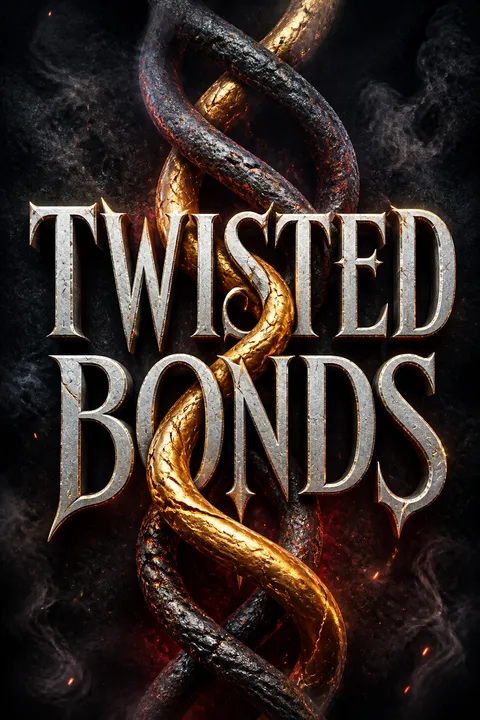
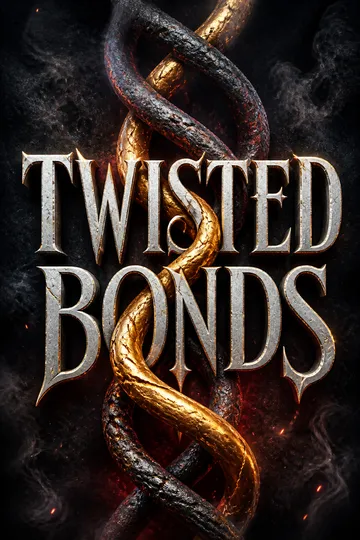
Twisted Bonds is a dark, emotionally charged exploration of trauma, love, and the possibility of redemption within a world defined by violence. At its core, the novel asks whether people shaped by pain and betrayal can ever truly heal—and whether love can flourish in the shadow of the past. Through the intertwined journeys of Kiara, Nino, and the Falcone family, the story demonstrates that healing is neither linear nor easy; it requires vulnerability, forgiveness, and the willingness to confront one's deepest fears. The narrative challenges traditional notions of family, suggesting that true belonging is forged through choice, sacrifice, and compassion rather than blood alone. The adoption of Alessio, the birth of Massimo, and the gradual integration of outsiders like Fabiano and Leona all reinforce the theme that love is an act of will, not fate. The novel's structure—alternating between moments of brutal violence and tender intimacy—underscores the duality of the human experience, especially for those living on society's margins. Ultimately, Twisted Bonds offers a hard-won optimism: the past may haunt, but it does not have to define. Through love, loyalty, and the courage to break the cycle, even the most damaged souls can find peace and build a better future for the next generation.
Review Summary
People Also Read






Characters
Kiara Falcone
Kiara is the emotional center of the story—a woman marked by childhood abuse and sexual violence, yet determined to reclaim her life. Her marriage to Nino, initially a mafia alliance, becomes a journey of mutual healing and love. Kiara's empathy and resilience allow her to bridge the emotional gaps between the Falcone brothers, offering compassion where others know only violence. She struggles with infertility, adoption, and the constant threat of violence, but never loses her hope or her capacity for forgiveness. Kiara's arc is one of transformation: from victim to survivor, from outsider to the family's conscience and anchor.
Nino Falcone
Nino is a man shaped by trauma—his mother's betrayal, his father's cruelty, and a lifetime of violence. Initially emotionally detached, he is both feared and respected for his cold logic and lethal skills. Kiara's presence awakens feelings he thought lost, forcing him to confront his own capacity for love and vulnerability. Nino's journey is one of gradual thawing: he learns to trust, to care, and to hope for a future beyond bloodshed. His love for Kiara and their children becomes his redemption, and his willingness to sacrifice himself for them is the ultimate proof of his transformation.
Remo Falcone
Remo is the eldest Falcone brother and the Camorra's ruthless leader. His childhood scars run deepest, fueling a rage that is both his strength and his curse. Remo's relationship with Serafina, his captive-turned-lover, is a study in obsession, redemption, and the possibility of change. He is fiercely loyal to his brothers, willing to do anything to protect them, but struggles to control his darker impulses. Remo's arc is about learning to let go of the past, to accept love, and to find peace without violence.
Savio Falcone
Savio, the third brother, uses humor and arrogance to shield himself from the family's trauma. A skilled fighter and notorious womanizer, he is both charming and reckless. Savio's loyalty to his brothers is unwavering, but he resists emotional intimacy, fearing vulnerability. His relationship with Kiara evolves from antagonism to genuine affection, and he becomes a protective, if unconventional, uncle to the next generation. Savio's journey is about learning to care, to take responsibility, and to find meaning beyond pleasure.
Adamo Falcone
Adamo, the youngest, is both the family's hope and its greatest worry. Sheltered from the worst of his parents' abuse, he struggles with guilt, addiction, and a desperate need for approval. His journey is one of painful self-discovery: he must confront his own darkness, accept responsibility for his actions, and choose who he wants to become. Adamo's exile in New York is both a punishment and a chance for redemption. His arc is about breaking the cycle of trauma and forging his own path.
Serafina Mione
Serafina is introduced as a pawn in the Camorra's power games, but quickly becomes a force in her own right. Her resilience and intelligence allow her to survive captivity and ultimately form a complex, passionate bond with Remo. As a mother to twins, she is fiercely protective and pragmatic, willing to do whatever it takes to secure her family's future. Serafina's arc is about reclaiming agency, redefining loyalty, and finding love in the unlikeliest of places.
Fabiano Scuderi
Fabiano, once an enemy, is now a trusted member of the Falcone family. His own history of betrayal and redemption mirrors the central themes of the story. Fabiano is pragmatic, resourceful, and fiercely loyal, serving as both protector and confidant. His relationship with Leona offers a glimpse of hope and normalcy amid the chaos. Fabiano's arc is about the power of chosen family and the possibility of change.
Leona
Leona, Fabiano's partner, is not born into the mafia world but chooses to embrace it for love. Her journey is one of adaptation, learning to navigate the dangers and complexities of Camorra life. Leona's friendship with Kiara and Serafina provides a support network for the women, and her eventual marriage to Fabiano cements her place in the family. Leona represents the possibility of a different, gentler future.
Alessio Falcone
Alessio, found abandoned and abused, is adopted by Kiara and Nino. His presence challenges traditional notions of blood and inheritance, and his survival is a testament to the family's capacity for love and change. Alessio's growth and happiness become a source of healing for the entire family, and his story is a reminder that the cycle of pain can be broken.
The Falcone Mother
The brothers' mother is both victim and villain—a woman destroyed by her own choices and the cruelty of her husband. Her escape and final act of vengeance force the family to confront their deepest fears and wounds. Her death is both a tragedy and a liberation, allowing the family to finally move forward. She represents the inescapable pull of the past, and the necessity of facing it head-on.
Plot Devices
Trauma as Inheritance
The narrative is structured around the idea that trauma is both inherited and perpetuated. The brothers' childhood abuse, their mother's betrayal, and the violence of mafia life create patterns that are difficult to break. The story uses flashbacks, confessions, and confrontations to reveal how the past shapes the present. Healing is depicted as a slow, collective process, requiring both individual courage and communal support.
Duality of Love and Violence
The story juxtaposes moments of tenderness—between Kiara and Nino, Remo and Serafina, the siblings—with acts of extreme violence. Love is both a refuge and a risk, requiring vulnerability in a world where weakness is punished. The narrative structure alternates between domestic scenes and action sequences, highlighting the tension between the desire for peace and the necessity of violence for survival.
Found Family and Redemption
The plot repeatedly tests the bonds of family—by blood, by choice, by circumstance. Characters like Fabiano and Alessio are integrated into the family through acts of loyalty and love, challenging the primacy of blood ties. Redemption is a recurring motif: characters are given second chances, but must prove themselves through sacrifice and change. The story uses adoption, marriage, and shared rituals (meals, music, celebrations) as symbols of belonging.
Cycles and Breaking Free
The narrative is cyclical: violence begets violence, trauma begets trauma. The brothers' struggle to kill their mother is both literal and symbolic—a necessary act to break the cycle. The story uses foreshadowing (the threat of the mother's return, Adamo's addiction) and parallelism (Kiara's healing, Alessio's adoption) to show that change is possible, but only through conscious effort.
Multiple Perspectives
The story alternates between Kiara's and Nino's perspectives, with occasional insights into Remo, Adamo, and others. This allows for a nuanced exploration of internal conflicts, motivations, and growth. The use of internal monologue, dialogue, and sensory detail immerses the reader in the characters' emotional worlds.
The Camorra Chronicles Series



About the Author




Download PDF
Download EPUB
.epub digital book format is ideal for reading ebooks on phones, tablets, and e-readers.








































