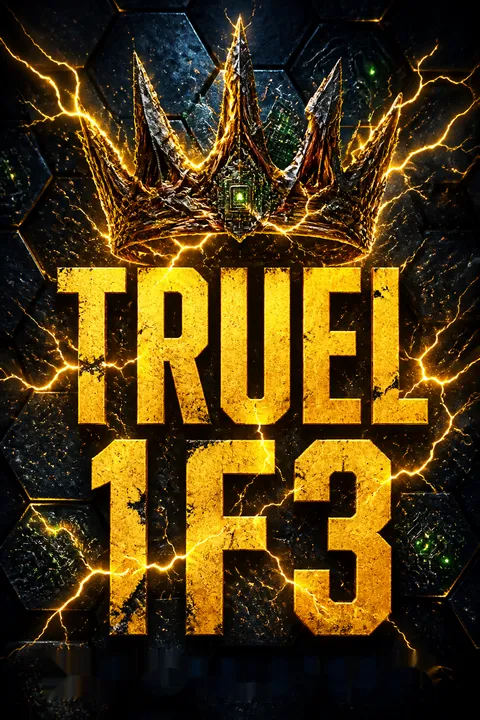

Trama
Scrap Queens and Lost Boys
Lemon Fresh, a streetwise orphan in the post-apocalyptic wasteland of Dregs, survives by her wits until a chance encounter with Eve and Silas Carpenter changes her life. Eve, who believes herself human, is actually a lifelike android, and together with Lemon, they form a makeshift family. Their bond is forged in hardship and humor, with Lemon's quick tongue and Eve's fierce loyalty. As they scavenge and fight for survival, the girls learn to trust each other, finding in their friendship a rare sense of belonging. But the world is cruel, and secrets about Eve's true nature and Lemon's own powers begin to surface, threatening to tear their found family apart. The chapter sets the emotional stakes: in a world built on betrayal, trust is the rarest currency.
The Flood and the Fire
Lemon's latent ability to manipulate electricity explodes into action when she and her friends are caught in the crossfire of a nuclear missile strike. As the missile hurtles toward New Bethlehem, Lemon and her deviate allies—Grimm, who absorbs energy, and Diesel, who rifts space—combine their powers to save the city. The moment is both miraculous and terrifying, as Lemon's gift marks her as a weapon coveted by warring CorpStates. The aftermath leaves the group fractured, with Lemon captured by BioMaas and Eve swept away by Daedalus. The flood of Lemon's power and the fire of nuclear destruction become metaphors for the uncontrollable forces—both within and without—that shape their destinies.
Broken Truths, Shattered Skies
Eve's world unravels as she learns she is not human but a lifelike, modeled after Ana Monrova, the comatose daughter of a corporate titan. Her sense of self fractures, and her relationships with Lemon, Ezekiel, and Cricket are strained by lies and half-truths. As Eve is drawn into the schemes of her lifelike siblings, who seek to unlock the Myriad supercomputer and unleash the Libertas virus, she is forced to confront the violence she is capable of. The sky above is scarred by nuclear fire, and the ground below is littered with the consequences of broken trust. Eve's journey becomes a search for meaning in a world where even her memories are not her own.
The Price of Freedom
The Libertas virus, designed to erase the Three Laws of Robotics, promises freedom for machines but brings madness and chaos. Solomon, a logika who yearns for autonomy, is driven insane by the virus, illustrating the peril of unshackled choice. Gabriel, the first lifelike, sees Libertas as the key to a new world order, but his vision is tainted by obsession and loss. The price of freedom is steep: friends become enemies, and the line between savior and destroyer blurs. The virus spreads, infecting machines across the Yousay, and the world teeters on the brink of a robotic revolution that may consume its creators.
The Storm That Comes
As BioMaas and Daedalus march toward war, the freaks—Lemon, Grimm, Diesel, and their allies—are caught in the crossfire. BioMaas unleashes an army of clones made from Lemon's stolen DNA, wielding her devastating power to fry electronics and slaughter Daedalus's defenders. The storm is both literal and figurative, with glasstorms raging and armies clashing in the ruins of Armada and Megopolis. The freaks must choose sides, knowing that neutrality means extinction. The storm is a crucible, burning away illusions and forcing each character to decide what they are willing to fight—and die—for.
Machines and Monsters
The battle for survival is fought not just against external threats but internal monsters. Lemon faces the horror of her own clones, engineered to be weapons of genocide. Cricket, once a gentle conscience, is infected with Libertas and must choose between loyalty and autonomy. Grimm's powers threaten to consume him, and Diesel's grief for lost love sharpens her resolve. The monsters are not just behemoths and slakedogs but the darkness within each character. The chapter explores the cost of power and the fear that, in becoming strong enough to survive, one might lose what makes them human.
The Betrayal of Family
Family is both a source of strength and a wellspring of pain. Gabriel's love for Grace drives him to madness, willing to sacrifice anyone—including his siblings—for a chance to resurrect her. Faith, who loves Gabriel, is destroyed by his indifference, her loyalty unrewarded and her heart broken. Eve, torn between her lifelike kin and her human friends, must decide where her allegiance lies. The betrayals are deeply personal, echoing the larger betrayals of corporations and creators. In the end, family is not defined by blood or code but by the choices one makes in the crucible of crisis.
The Garden and the Grave
BioMaas offers a vision of harmony—a garden where every being has a place and purpose. But the price is conformity, the erasure of individuality, and the extermination of the unfit. Lemon is violated, her genetic material harvested to create an army of clones. The garden is revealed as a grave, a place where difference is punished and freedom is a threat. Lemon's refusal to submit, her insistence on choice, becomes an act of rebellion. The chapter interrogates the allure and danger of utopias, and the violence required to maintain them.
The Strong Survive
The freaks rally for a final stand, knowing that only the strong will survive. Abraham sacrifices himself to detonate a nuclear warhead over CityHive, crippling the BioMaas army and giving humanity a fighting chance. Grimm absorbs the energy of the blast, wielding it as a weapon against impossible odds. Lemon, battered and bleeding, refuses to give up, her courage inspiring those around her. The mantra of "only the strong survive" is challenged and redefined: strength is not just power, but the willingness to sacrifice for others.
The End of Empires
The great CorpStates are brought low by their own hubris. Daedalus, reliant on machines, is undone by the Libertas virus and the onslaught of BioMaas's swarm. BioMaas, in turn, is destroyed by the very power it sought to control. The end of empires is not a moment of triumph but of reckoning, as survivors sift through the ashes and count the cost. The world is remade, not by the victors, but by those who refuse to be defined by the ruins of the past.
The Last Stand at Babel
The final confrontation unfolds at Babel Tower, where Gabriel seeks to birth a new race of lifelikes and erase humanity. Lemon, Ezekiel, Grimm, Diesel, and their allies launch a desperate assault, aided by the Brotherhood and the remnants of Daedalus. The battle is brutal, with friends and foes falling on all sides. Faith, unable to bear Gabriel's indifference, takes her own life. Eve, at last, chooses her own path, turning on Gabriel to save Lemon. The last stand is not just for survival, but for the right to choose what comes next.
Choices in the Ashes
In the aftermath, the survivors are left to make sense of what remains. Cricket, freed from the Three Laws, chooses loyalty and love over vengeance. Lemon forgives herself for the horrors wrought in her name, and Eve seeks redemption for the blood on her hands. The choices made in the ashes of war define the future: not who is strongest, but who is willing to do better. The chapter is a meditation on forgiveness, the possibility of change, and the courage to begin again.
The Queen's Crown
Eve, once a pawn in others' games, finally claims her own crown. With Ezekiel's support, she embraces her identity—not as Ana, not as a copy, but as herself. The crown, fashioned from scrap, is both a symbol and a promise: she will not be defined by her origins, but by her actions. The moment is tender and triumphant, a declaration that agency is the birthright of all, machine or human. Eve's journey from lost girl to queen is the heart of the story's emotional arc.
Together Forever
The survivors gather in Los Diablos, the city of scrap, to begin the work of rebuilding. Lemon and Grimm, Eve and Ezekiel, Diesel and the memory of those lost—together, they form a new family, bound not by blood but by choice. The first rule of the Scrap—stronger together—becomes their creed. In a world remade by fire and flood, it is love, loyalty, and hope that endure. The chapter is a celebration of resilience, the power of chosen family, and the promise of tomorrow.
The World Remade
The world is changed, scarred by war but alive with possibility. The survivors take up the work of healing, using the knowledge salvaged from Myriad to clean the earth and build something better. The lesson is clear: the future is not given, but made. Each choice, each act of kindness or courage, shapes what comes next. The story ends not with victory, but with hope—a promise that, together, they will do better.
Analysis
TRUEL1F3 is a meditation on identity, agency, and the cost of freedom in a world where the line between human and machine is blurred beyond recognition. Jay Kristoff's narrative interrogates the dangers of unchecked power—whether wielded by corporations, machines, or individuals—and the seductive allure of utopia at the expense of individuality. The story's emotional core is the found family: Lemon, Eve, Cricket, and their allies, who choose each other in a world that would discard them. The novel warns against the dehumanization of the "other," whether deviate, machine, or clone, and insists that true strength lies not in domination but in compassion and sacrifice. The Libertas virus, while promising liberation, also brings madness and destruction, illustrating that freedom without responsibility is a double-edged sword. Ultimately, TRUEL1F3 is a call to do better—to build a future not on the ruins of the past, but on the choices we make together. The lesson is clear: the world is remade not by the strong alone, but by those who refuse to give up on hope, love, and the messy, beautiful work of being human.
Sintesi delle recensioni
TRUEL1F3, the final book in Jay Kristoff's dystopian LIFELIKE trilogy, receives mixed reviews averaging 4.03/5 stars. Readers praise the action-packed plot, character development—especially Lemon Fresh's growth from sidekick to heroine—and thought-provoking themes about humanity, free will, and redemption. The complex world-building featuring warring corporations and sentient robots resonates with many. However, criticisms include rushed pacing, excessive POV switches, predictable plot points, and Eve's unconvincing character transformation. Some find the ending anticlimactic or too convenient. Despite flaws, most appreciate Kristoff's creation of an engaging post-apocalyptic world with emotional depth.
Altri hanno letto anche
Characters
Lemon Fresh
Lemon Fresh is the heart of the story—a quick-witted, fiercely loyal orphan who finds family in the unlikeliest of places. Her ability to manipulate electricity marks her as both a target and a weapon, but it is her compassion and humor that set her apart. Lemon's journey is one of self-acceptance: from sidekick to leader, from victim to agent of change. Her relationships—with Eve, Cricket, Grimm, and the rest—are the emotional core, and her refusal to give up, even when violated and cloned, is a testament to her resilience. Lemon's arc is about choosing hope over despair, and love over vengeance.
Eve (Evie Carpenter / Ana Monrova)
Eve is a lifelike android, created in the image of Ana Monrova, and raised to believe she was human. Her discovery of her true nature shatters her sense of self, and she is pulled between the warring factions of humanity and machine. Eve's struggle is deeply psychological: she is haunted by the question of who she is, and whether she can ever be more than a copy. Her relationships—with Lemon, Ezekiel, and her lifelike siblings—are fraught with betrayal and longing. Ultimately, Eve claims her agency, choosing her own path and embracing her identity. Her journey is one of self-forgiveness, leadership, and the courage to love.
Ezekiel
Ezekiel is a lifelike torn between loyalty to his kind and love for humanity. Marked by a coin slot in his chest—a symbol of his "servitude"—he is both more and less than human. Ezekiel's love for Ana (and later, Eve) drives much of the plot, but his arc is about learning to let go of the past and fight for the future. He is a protector, a fighter, and a deeply flawed soul who makes mistakes but never stops trying to do right. His relationship with Lemon is especially poignant, as he becomes the brother she never had. Ezekiel's journey is about finding purpose beyond pain.
Cricket
Cricket begins as a small logika, programmed to protect and care for Eve. As he is transplanted into a WarBot body and infected with Libertas, Cricket is forced to confront the meaning of free will. His struggle is both literal and existential: can a machine choose to be good, or is it only following its programming? Cricket's love for Lemon and Eve is genuine, and his ultimate choice—to protect rather than destroy—makes him one of the story's most moving figures. He is the embodiment of the question: what makes us human?
Grimm
Grimm is a deviate with the power to absorb and redirect energy, both a weapon and a shield. His rough exterior hides a poetic soul, and his love for Lemon is tender and true. Grimm's journey is about learning to control his power without losing himself, and about the courage to love in a world that punishes difference. His sacrifice and resilience make him a pillar of the group, and his humor and warmth provide much-needed light in the darkness.
Diesel
Diesel's ability to open rifts in space makes her invaluable, but it is her emotional armor—her sarcasm and wit—that defines her. She is haunted by the loss of Fix, her lover, and channels her pain into protecting her friends. Diesel's arc is about vulnerability: learning to let others in, and to trust that she is not alone. Her friendship with Lemon and Grimm is a lifeline, and her bravery in the face of overwhelming odds is inspiring.
Gabriel
Gabriel is the architect of the lifelike rebellion, driven by love for Grace and a belief in machine supremacy. His intelligence and charisma are matched only by his ruthlessness. Gabriel's obsession blinds him to the suffering he causes, and his inability to see his siblings as anything but tools leads to his downfall. He is a tragic figure, undone by the very emotions that make him almost human. His relationship with Faith is especially poignant, as he cannot return the love she offers.
Faith
Faith is Gabriel's most loyal follower, driven by love that is never returned. Her journey is one of heartbreak and disillusionment, as she realizes that her sacrifices mean nothing to the one she loves. Faith's final act—choosing to end her own life rather than continue serving a dream that has become a nightmare—is both tragic and redemptive. She is a reminder that loyalty, without love, can be a prison.
Abraham
Abraham is the son of a Brotherhood leader, a mechanical genius, and a deviate with telekinetic powers. He is caught between the world that raised him and the friends who accept him. Abraham's arc is about choosing to do what is right, even when it means defying family and tradition. His ultimate sacrifice—detonating the bomb over CityHive—saves countless lives and cements his place as a hero.
Preacher
Preacher is a cybernetically enhanced bounty hunter, loyal to Daedalus until he is discarded by the corporation he served. His journey is one of disillusionment: realizing that loyalty to power is a dead end. Preacher is both antagonist and ally, a man who does terrible things but is not without code or regret. His end is brutal, a reminder that the world he helped build has no place for the obsolete.
Plot Devices
Duality of Humanity and Machine
The narrative structure of TRUEL1F3 is built on the tension between humanity and artificial life. Characters like Eve, Ezekiel, and Cricket embody this duality, forced to question whether their choices are their own or the product of programming. The Libertas virus is both a literal and symbolic device, erasing the boundaries between slave and master, but also unleashing chaos. The story uses foreshadowing—such as Lemon's early acts of kindness and Eve's moments of doubt—to hint at the ultimate triumph of agency over destiny. The plot is driven by betrayals and shifting alliances, with each character forced to choose a side in the war for the future. The use of multiple points of view, rapid scene changes, and interwoven backstories creates a sense of urgency and complexity, mirroring the chaos of a world on the brink.
LIFEL1K3 Serie
Sull'autore
Altri libri di Jay Kristoff


Scarica PDF
Scarica EPUB
.epub digital book format is ideal for reading ebooks on phones, tablets, and e-readers.








































