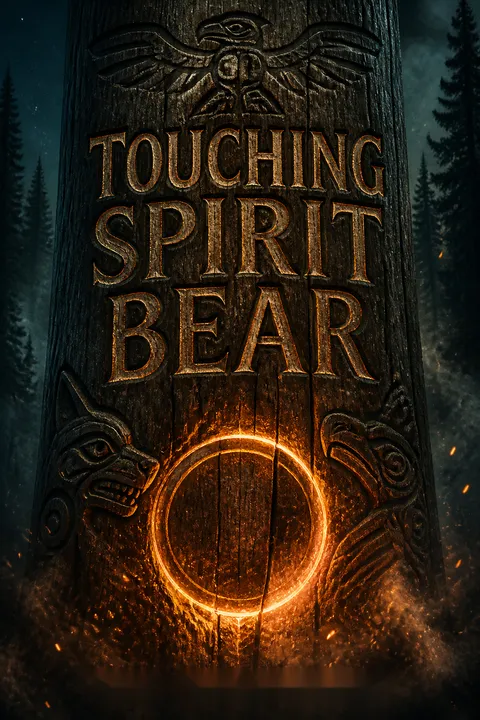

Plot Summary
Banishment to the Wild
Fifteen-year-old Cole Matthews, a violent and angry teen from Minneapolis, is given a final chance to avoid prison after brutally assaulting a classmate, Peter Driscal. Instead of jail, he is sentenced to a year of isolation on a remote Alaskan island through Circle Justice, a Native American-inspired restorative justice program. Accompanied by parole officer Garvey and Tlingit elder Edwin, Cole arrives on the island, seething with resentment and convinced he can manipulate the system. The island is both a punishment and a potential path to healing, but Cole's heart is hardened, and he sees the experience as just another game to win. The wild, indifferent landscape mirrors his own inner turmoil, setting the stage for a confrontation with himself.
Circle of Broken Trust
Before his banishment, Cole faces the Circle Justice process, where victims, offenders, and community members gather to seek healing rather than punishment. The circle includes Peter and his parents, Cole's estranged mother and abusive father, and various officials. The process is fraught with distrust—Cole's apologies are hollow, his parents are in denial, and Peter's family is traumatized. The feather passed around symbolizes honesty, but the room is thick with lies and pain. The Circle's hope is to break cycles of violence, but Cole's anger and manipulation threaten to undermine the process. The community's struggle to believe in change reflects the difficulty of true accountability and forgiveness.
Fire, Fury, and Flight
Alone on the island, Cole's anger boils over. He burns down his shelter and supplies, rejecting the help and symbolism of the at.óow blanket Garvey entrusted to him. Driven by spite and a desire to escape, Cole attempts to swim away, only to be thwarted by the relentless tide and freezing water. Exhausted and defeated, he returns to the ashes of his camp, physically and emotionally spent. The destruction is both literal and symbolic—a burning of bridges, a refusal to accept responsibility, and a desperate act of self-sabotage. Cole's isolation deepens, and the wildness of the island becomes a mirror for his own chaos.
Mauling and Awakening
Cole's arrogance leads him to confront a rare white Spirit Bear, determined to prove his dominance. Instead, the bear mauls him, leaving him broken, bleeding, and helpless. Immobilized and near death, Cole is forced to confront his own vulnerability. The attack strips away his illusions of control and power, exposing the raw reality of his existence. As he lies in agony, he observes the indifferent cycles of nature—gulls feeding on his flesh, sparrows dying in a storm. The experience is both terrifying and transformative, planting the first seeds of humility and self-awareness in Cole's hardened heart.
Alone with the Spirit Bear
Paralyzed and starving, Cole is left alone with his pain and the elements. He survives by eating insects, worms, and even a mouse, clinging to life with animal desperation. The Spirit Bear returns, not to finish him, but to stand silently nearby. In a moment of surrender, Cole reaches out and touches the bear, feeling its warmth and heartbeat. This act of trust and acceptance marks a turning point—Cole recognizes his own insignificance in the vast circle of life and glimpses the possibility of connection and forgiveness. The bear's presence becomes a symbol of grace and the potential for change.
The Dance of Survival
As Cole hovers between life and death, he is rescued by Garvey and Edwin, who find him barely alive. In the aftermath, Cole's physical recovery is slow and painful, but the experience has cracked open his emotional defenses. He begins to reflect on the cycles of violence in his family, the meaning of the at.óow, and the interconnectedness of all living things. The rituals and teachings of Edwin and Garvey—soaking in icy water, carrying the ancestor rock, and participating in healing dances—become tools for Cole to process his anger and trauma. Survival is no longer just about the body, but about the spirit.
Healing in the Ashes
Back in Minneapolis, Cole faces the consequences of his actions. His father is charged with abuse, and his mother begins to confront her own failures. The Circle Justice process resumes, with skepticism about Cole's sincerity. Yet, Cole's ordeal on the island has changed him—he admits his faults, expresses genuine remorse, and begins to understand the pain he caused Peter. The community debates whether to give him another chance. Ultimately, Garvey and Edwin advocate for a second banishment, but this time, Cole must fund it himself and build his own shelter. The path to redemption is steep, but Cole is determined to walk it.
Return and Reckoning
Cole returns to the island, stripped of all privileges and illusions. Under Edwin and Garvey's watchful eyes, he builds his shelter, learns to cook, and participates in daily rituals designed to foster mindfulness and self-control. The routines—soaking in the pond, carrying the ancestor rock, carving a totem—become acts of discipline and reflection. Cole struggles with setbacks and moments of anger, but gradually, he learns to focus on the positive, to see himself as part of a larger whole, and to take responsibility for his choices. The island, once a prison, becomes a place of possibility.
The Second Chance
As the seasons change, Cole's daily practices deepen his self-understanding. He carves animals into his totem pole, each representing a lesson learned—eagle for perspective, wolf for community, beaver for persistence. He dances the dances of the animals, embodying their qualities and reflecting on his own journey. The hardest dance is the dance of anger, which he cannot complete until he learns to forgive himself and others. The blank space at the bottom of the totem becomes a symbol of unfinished healing. Cole's transformation is gradual, marked by setbacks and insights, but the rituals anchor his growth.
Rituals of Change
Cole discovers that true invisibility—being unseen by the Spirit Bear—requires letting go of control, clearing the mind, and becoming part of the natural world. He learns that anger is a habit, not a destiny, and that forgiveness is an act of reclaiming power from those who have hurt him. Through the dance of anger, Cole releases his rage, weeps for his pain, and finds the strength to forgive his father, Peter, and himself. The rituals of the island—soaking, carving, dancing—become pathways to self-acceptance and compassion. Healing is not forgetting, but integrating the past into a new story.
Totems and Transformation
As winter passes, Cole realizes that his own healing is incomplete until he helps Peter heal. News arrives that Peter has attempted suicide, broken by trauma and despair. Cole proposes that Peter join him on the island, believing that the same rituals and experiences can help his former victim. With great reluctance, Peter's parents agree, and Peter arrives, accompanied by Garvey. The dynamic is tense and fraught with fear, but Cole is patient, offering friendship, sharing rituals, and inviting Peter to carve his own totem. The process is slow, but the seeds of trust and understanding begin to grow.
Forgiveness and the Circle
The relationship between Cole and Peter is volatile—Peter is angry, withdrawn, and at times violent, lashing out at Cole in pain and confusion. Cole refuses to retaliate, absorbing Peter's blows and offering only empathy. The turning point comes when Peter, overwhelmed by emotion, attacks Cole, who does not fight back. In the aftermath, both boys break down, sharing their fears and grief. The Spirit Bear appears to them both, a silent witness to their vulnerability and connection. Together, they carve a circle into the totem, symbolizing forgiveness, unity, and the endless cycle of healing. The circle is both an end and a beginning.
Peter's Arrival
Peter's arrival on the island is marked by suspicion, resentment, and deep psychological wounds. He refuses to engage, sabotages Cole's efforts, and tests the boundaries of safety. Garvey mediates, ensuring that both boys are protected. Cole's patience is tested, but he persists, offering small gestures of kindness and opportunities for Peter to participate in the rituals. Gradually, Peter begins to join in—soaking in the pond, carrying the ancestor rock, carving a mouse into his totem. The process is uneven, but each step is a victory over isolation and despair. The island becomes a crucible for both boys' transformation.
Collision and Compassion
The climax of Cole and Peter's relationship comes in a raw confrontation by the pond. Peter, consumed by rage and fear, attacks Cole, who refuses to defend himself. The violence is cathartic, breaking through layers of pain and mistrust. When Peter collapses in tears, Cole comforts him, and the two share a moment of profound vulnerability. The Spirit Bear appears, affirming their connection and the possibility of healing. The boys' shared experience becomes the foundation for forgiveness and friendship. The circle carved into the totem is a testament to their journey from violence to compassion.
The Final Carving
With the arrival of summer, Cole and Peter continue their rituals together, soaking in the pond, carrying the ancestor rock, and carving their totems. The final act is the carving of a perfect circle at the base of Cole's totem, symbolizing the interconnectedness of all things, the cycle of harm and healing, and the possibility of redemption. The at.óow is passed from Cole to Peter, sealing their bond of trust. The island, once a place of exile and suffering, has become a sanctuary of transformation. The story ends not with a return to innocence, but with the hard-won wisdom that healing is a lifelong journey, and that every ending is also a beginning.
Analysis
*A modern parable of restorative justice and personal transformation, Touching Spirit Bear challenges the notion that punishment alone can heal the wounds of violence. Through the journey of Cole Matthews, the novel explores the roots of anger, the cycles of abuse, and the possibility of redemption. The Alaskan wilderness serves as both crucible and sanctuary, stripping away the illusions of control and forcing characters to confront their vulnerability and interconnectedness. The rituals and symbols—Circle Justice, the at.óow, the Spirit Bear, the totem—anchor the story in Indigenous wisdom, emphasizing that healing is a communal, ongoing process. The relationship between Cole and Peter illustrates the reciprocal nature of harm and forgiveness, and the final carving of the circle embodies the book's central message: that every act, every wound, and every act of healing is part of a larger whole. In a world hungry for accountability and compassion, Touching Spirit Bear offers a blueprint for transformation rooted in honesty, empathy, and the courage to begin again.
Review Summary
Touching Spirit Bear received mixed reviews, with an average rating of 3.86 out of 5. Many readers found it engaging and thought-provoking, praising its themes of redemption and personal growth. However, some criticized the unrealistic plot, one-dimensional characters, and problematic portrayal of Native American culture. The book's graphic violence and slow pacing were also points of contention. While some viewed it as a powerful story about overcoming anger and forgiveness, others found it difficult to relate to or believe in Cole's transformation.
People Also Read


Characters
Cole Matthews
Cole is a fifteen-year-old boy whose life is defined by rage, violence, and a deep sense of abandonment. Abused by his father and neglected by his mother, Cole lashes out at the world, culminating in a brutal assault on Peter Driscal. His journey from denial and manipulation to humility and self-awareness is the heart of the novel. The island strips him of control, forcing him to confront his vulnerability and insignificance. Through rituals, suffering, and the guidance of Garvey and Edwin, Cole learns to take responsibility, forgive himself and others, and seek healing not just for himself but for those he has harmed. His transformation is gradual, marked by setbacks, but ultimately profound.
Peter Driscal
Peter is the boy Cole viciously attacks, leaving him with lasting physical and psychological scars. Initially, Peter is fearful, withdrawn, and consumed by trauma, attempting suicide twice. His journey to the island is fraught with resistance and pain, but through shared rituals and the patient support of Garvey and Cole, he begins to reclaim his agency. Peter's anger and mistrust are understandable, and his eventual willingness to forgive and collaborate with Cole is a testament to the power of empathy and restorative justice. Peter's healing is intertwined with Cole's, illustrating the reciprocal nature of forgiveness.
Garvey
Garvey is Cole's parole officer and a Tlingit Indian who believes in the possibility of change. He is both tough and nurturing, challenging Cole's self-deceptions while offering unwavering support. Garvey introduces Cole to Circle Justice, the at.óow, and the rituals that become central to his healing. His own troubled past gives him insight into Cole's struggles, and his friendship is both a lifeline and a mirror. Garvey's role is to hold Cole accountable while modeling the compassion and patience necessary for true transformation.
Edwin
Edwin is a Tlingit elder who orchestrates Cole's banishment and guides him through the rituals of healing. Stoic and wise, Edwin embodies the values of patience, humility, and respect for nature. His teachings—soaking in the pond, carrying the ancestor rock, dancing the dances—are designed to break the cycle of anger and foster mindfulness. Edwin's own experience with banishment informs his empathy for Cole, and his insistence on honesty and responsibility is both challenging and empowering. He represents the possibility of redemption through tradition and self-reflection.
Cole's Mother (Cindy Matthews)
Initially passive and emotionally distant, Cole's mother is complicit in his suffering through her silence and denial. The trauma of Cole's ordeal and the exposure of his father's abuse force her to confront her own failures. She begins to change, supporting Cole's healing and seeking forgiveness. Her journey mirrors Cole's in its movement from denial to accountability, illustrating the generational cycles of harm and the possibility of breaking them.
Cole's Father (William Matthews)
Cole's father is a source of violence and fear, perpetuating the cycle of abuse he himself endured. His denial and refusal to accept responsibility are obstacles to Cole's healing. Eventually charged with child abuse, he remains largely unchanged, a cautionary figure representing the dangers of unexamined pain and the failure to seek help. His presence haunts Cole, but also motivates him to choose a different path.
Peter's Parents
Peter's parents are devastated by their son's assault and struggle to balance their desire for justice with the hope for healing. Their decision to allow Peter to join Cole on the island is an act of desperation and courage. They represent the broader community's struggle to move beyond punishment toward restoration, and their journey is one of learning to trust, let go, and support their son's agency.
The Spirit Bear
The rare white bear is both a literal and symbolic presence on the island. It embodies the power and indifference of nature, the possibility of trust, and the mystery of healing. The bear's attack is a catalyst for Cole's awakening, and its later appearances mark moments of connection and grace. The Spirit Bear is a reminder that true change comes from humility, respect, and acceptance of one's place in the circle of life.
The At.óow
The at.óow is a colorful blanket passed from Garvey to Cole, and later to Peter. It represents the trust, care, and continuity of tradition. The blanket's survival through fire and hardship mirrors the resilience of the human spirit. Its passage from one person to another is a ritual of connection and hope, anchoring the story's themes of forgiveness and belonging.
The Circle Justice Community
The Circle Justice process brings together victims, offenders, families, and community members in a search for restoration. The circle is a space of honesty, accountability, and support, but also of skepticism and struggle. Its success depends on the willingness of all participants to engage with vulnerability and compassion. The community's journey reflects the challenges and rewards of restorative justice, and its evolution mirrors the characters' individual transformations.
Plot Devices
Restorative Justice and Circle Justice
The novel's central plot device is the Circle Justice process, inspired by Indigenous traditions. Unlike punitive justice, Circle Justice seeks to heal both victim and offender through dialogue, accountability, and community support. The circle, the feather, and the rituals create a space for honesty and transformation. This structure allows for deep exploration of themes like forgiveness, responsibility, and the interconnectedness of harm and healing.
Symbolism of Nature and Ritual
The Alaskan wilderness is both setting and symbol, reflecting the characters' inner states and providing the context for transformation. The Spirit Bear, the at.óow, the totem pole, and the ancestor rock are all rich symbols, each representing aspects of the journey toward healing. Rituals—soaking, carving, dancing—are plot devices that externalize internal struggles, making abstract concepts like anger, forgiveness, and invisibility tangible and actionable.
Foreshadowing and Cycles
The novel uses cycles—of violence, seasons, rituals, and relationships—to foreshadow the possibility of change. The repetition of certain events (burning the shelter, returning to the island, the appearance of the Spirit Bear) underscores the idea that healing is not linear, but circular. The blank space on the totem, the unfinished dance of anger, and the passing of the at.óow all serve as narrative markers of progress and unresolved tension.
Dual Protagonists and Mirroring
The relationship between Cole and Peter is structured as a mirror—each boy's pain, anger, and healing reflect and influence the other. Their journeys are intertwined, and the resolution of one's trauma is dependent on the other's willingness to forgive and trust. This duality heightens the emotional stakes and illustrates the reciprocal nature of harm and healing.
Transformation Through Suffering
The novel employs suffering—physical, emotional, and spiritual—as a necessary precursor to transformation. Cole's mauling, Peter's trauma, and the hardships of the island are not merely obstacles, but opportunities for insight and change. The narrative structure moves from destruction to rebuilding, from isolation to connection, emphasizing that true growth often emerges from the ashes of pain.
Download PDF
Download EPUB
.epub digital book format is ideal for reading ebooks on phones, tablets, and e-readers.








































