
Plot Summary
Tower Piss and Black Trucks
David Wong and his friend John, in a drunken ritual atop a water tower, witness a mysterious military convoy and a bizarre crash. Their curiosity leads them to a locked, hieroglyph-marked box guarded by toy soldiers, which they impulsively steal. This act, seemingly random, is the first domino in a chain of supernatural events. The town's history of inexplicable horrors is hinted at, setting the stage for a narrative where the ordinary and the monstrous are inseparable. The tone is irreverent, but beneath the humor is a sense of dread—this is a place where reality is thin and secrets are deadly.
Therapy, Monsters, and Denial
David's court-mandated therapy sessions reveal his struggle to separate reality from delusion. He recounts bizarre, possibly supernatural events, but is met with skepticism and psychological platitudes. The therapist's bee story blurs the line between mundane and monstrous, suggesting that sometimes the monsters are real. David's attempts to prove his experiences are met with disbelief, deepening his isolation. The town's collective denial and the expert's focus on mass hysteria foreshadow the coming crisis, where the inability to distinguish real threats from imagined ones will have dire consequences.
Amy's Distance, David's Bite
Amy, David's girlfriend, is away at college, their relationship maintained through awkward, affectionate video calls. Amy's resilience and sharp intellect contrast with David's anxiety and self-deprecation. When David is bitten by a monstrous spider in his bed, the event is both terrifying and absurd, blending body horror with slapstick. The bite's effects—paralysis, hallucination, and a sense of invasion—mirror David's psychological state. The spider's invisibility to others, especially a visiting cop, underscores the theme: some horrors are only visible to those cursed to see them.
Spider Invasion, Paranoia Spreads
The spider escapes, infecting Officer Franky, who cannot see the creature even as it crawls into his mouth. David and John's frantic efforts to help are met with confusion and violence. The hospital becomes ground zero for chaos as Franky transforms into a monstrous, bulletproof being, attacking staff and police. The town is quarantined, the military arrives, and rumors of infection and possession spiral. The narrative's humor darkens as the threat becomes systemic, and the line between the infected and the innocent blurs.
Franky's Transformation, Hospital Chaos
Franky's monstrous rampage at the hospital is both grotesque and tragic, a man consumed from within. The authorities' response is swift and brutal: quarantine, military cordons, and the imposition of martial law. David and John, now fugitives, realize the infection is spreading and that the town's history of supernatural events is converging on a catastrophic outbreak. The sense of community fractures as fear and suspicion take hold, and the protagonists are forced to confront the reality that they are both witnesses and potential vectors of the horror.
Quarantine and Mob Mentality
Inside the hospital quarantine, society devolves into factions—reds and greens—based on arbitrary risk assessments. Owen, a self-appointed leader, enforces order with violence, while David is forced into the role of "Spider-Man," using his unique vision to judge who is infected. The bonfire of bones and the ritualistic executions reveal how quickly fear can justify atrocity. Attempts to escape are met with disaster, and the outside world's paranoia mirrors the chaos within. The quarantine becomes a microcosm of societal breakdown, where trust is a luxury and survival demands moral compromise.
Escape Attempts and Moral Dilemmas
A secret steam tunnel offers hope of escape, but the attempt ends in massacre as the group emerges into a nest of monsters. David is captured and put on trial by the quarantine's mob, accused of selfishness and endangering the group. Dr. Marconi, a voice of reason, tries to broker understanding, but the logic of fear prevails. The narrative interrogates the ethics of sacrifice, the limits of empathy, and the ease with which the "other" is dehumanized. The cost of survival is measured in both lives and souls.
Amy's Journey, Zombie Obsession
Amy, determined to find David, navigates a world gripped by zombie panic. She encounters gun-toting survivalists, conspiracy theorists, and the "Zombie Response Squad," whose fantasies of heroism dissolve in the face of real horror. Amy's intelligence and courage are tested as she infiltrates the quarantine's nerve center, using her hacking skills to uncover the truth behind the outbreak and the government's plans. Her journey is both a rescue mission and a confrontation with the machinery of mass paranoia.
The Massacre at Ffirth Asylum
The attempted escape through the tunnel leads to a massacre as the group is ambushed by monsters and militia. The asylum becomes a charnel house, its gymnasium a site of butchery and wood-chipper executions. Amy's companions are killed, and she barely escapes with her life, guided by the loyal dog Molly. The horror is both physical and existential: the system meant to contain the infection becomes a killing machine, and the line between victim and monster is erased.
Survival, Alliances, and Loss
David, John, Amy, and a handful of survivors regroup, pursued by both monsters and the human agents of REPER, the shadowy government agency orchestrating the cover-up. The furgun, a mysterious device, becomes their last hope. The group's bonds are tested by trauma, guilt, and the knowledge that their actions may doom or save thousands. Molly's loyalty and ultimate sacrifice become the emotional fulcrum of the story, her death a symbol of innocence lost and the price of survival.
The Shadow Men's Presence
The shadow men, entities that exist outside time and perception, are revealed as the true architects of the crisis. Their motives are inscrutable, their power absolute. David's confrontation with them is both a battle and a revelation: humanity is both parasite and host, victim and perpetrator. The furgun, wielded with desperate faith, becomes a weapon of light against the darkness, but the victory is ambiguous. The shadow men's defeat is temporary, and the cost is irreversible.
The Furgun and Final Gambit
The protagonists use the furgun in a last-ditch effort to break the cycle of violence and paranoia. The device's power is shaped by thought and intention, and its use is both miraculous and terrifying. The narrative crescendos in a moment of collective action, as the survivors form a human symbol to communicate with the outside world, forcing the military to reconsider the planned annihilation. The climax is both absurd and profound, a testament to the power of symbols and the fragility of hope.
Sacrifice, Molly's Last Act
As the military prepares to bomb the town, time freezes and David realizes that a sacrifice is required to break the cycle. Molly, the loyal dog, intervenes, taking the bullet meant for Amy. Her death, captured on video, becomes the image that saves the town—a symbol of innocence and selflessness that transcends fear and hatred. The world's bloodlust is doused, and the survivors are spared, but the cost is deeply personal.
The World Watches, Truth Emerges
The footage of Molly's sacrifice spreads worldwide, reframing the narrative from one of monsters to one of humanity. The government's lies unravel, and the survivors' testimony forces a reckoning with the truth. The aftermath is messy, with conflicting stories and unresolved trauma, but the cycle of violence is broken—at least for now. The survivors mourn their losses and struggle to find meaning in the chaos.
Aftermath, Eulogies, and Moving On
The survivors bury Molly and try to rebuild their lives amid the ruins. David and Amy find solace in each other, while John and Falconer contemplate the stories that will be told about the outbreak. The world moves on, the truth obscured by competing narratives and the machinery of denial. The cost of survival is measured in scars, both visible and invisible.
The Cost of Knowing
In the quiet aftermath, David reflects on the price of seeing the world as it truly is. The knowledge of monsters, both human and inhuman, is both a curse and a source of strength. The story ends with a sense of weary acceptance: the world is broken, but love and loyalty endure. The final lesson is ambiguous—there are no easy answers, only the ongoing struggle to choose compassion over fear.
Analysis
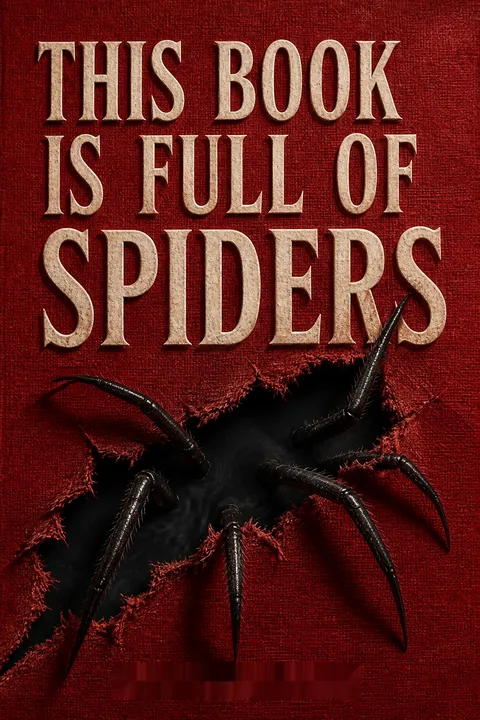
A satire of apocalypse, empathy, and the monsters withinThis Book Is Full of Spiders is a horror-comedy that uses the trappings of a zombie outbreak to interrogate the psychology of fear, the machinery of mass hysteria, and the limits of human empathy. Through its fractured narrative, unreliable narrators, and absurdist tone, the novel explores how societies manufacture monsters—both literal and metaphorical—to justify violence and exclusion. The story's central dilemma is not how to defeat the infected, but how to recognize the humanity in those we are taught to fear. The shadow men, the furgun, and the viral video are all devices for examining the power of symbols, the dangers of dehumanization, and the possibility of redemption through sacrifice. The novel's humor is both a shield and a scalpel, exposing the absurdity of apocalypse and the tragedy of survival. In the end, the lesson is ambiguous but urgent: the real infection is not the parasite, but the paranoia that turns neighbor against neighbor, and the only cure is the willingness to see—and save—the humanity in each other.
Review Summary
This Book Is Full of Spiders received mostly positive reviews for its blend of horror, humor, and social commentary. Readers praised Wong's improved writing and character development, though some felt it lacked the chaotic originality of the first book. The story's mix of zombies, parasitic spiders, and interdimensional elements captivated many, while its wit and unexpected emotional depth were frequently highlighted. Some found the narrative structure disjointed, but overall, fans of the series appreciated the book's unique style and engaging plot.
Characters
David Wong
David is the narrator and emotional core of the story, a self-deprecating everyman cursed with the ability to see the world's hidden horrors. His relationship with Amy grounds him, but his sense of alienation and guilt drives much of the narrative. David's psychological arc is one of reluctant acceptance: he is forced to confront his own selfishness, the limits of his empathy, and the burden of knowledge. His journey is both a battle for survival and a search for meaning in a world where the monstrous is both literal and metaphorical.
John
John is David's best friend and partner in supernatural misadventure. Impulsive, reckless, and often hilarious, John's bravado masks deep insecurities and a desperate need for connection. His willingness to take the Soy Sauce and confront the unknown makes him both a catalyst and a wildcard. John's loyalty to David is unwavering, and his moments of insight—often delivered through humor—reveal a keen understanding of the absurdity and tragedy of their situation. He is both comic relief and moral anchor.
Amy Sullivan
Amy is David's girlfriend, defined by her intelligence, empathy, and physical resilience (her missing hand and chronic pain are sources of strength, not weakness). Her journey from distant observer to active participant mirrors the story's movement from denial to engagement. Amy's hacking skills and determination are crucial to the group's survival, and her insistence on compassion over violence challenges the others to rise above their fear. Her relationship with David is tender, fraught, and ultimately redemptive.
Dr. Bob Tennet
Tennet is both a literal and symbolic antagonist, a psychiatrist whose expertise in mass hysteria is weaponized by the shadowy REPER agency. His calm rationalizations and moral ambiguity make him a chilling figure—he is the voice of institutional violence, always ready to justify atrocity in the name of the greater good. Tennet's true nature is ambiguous, possibly more than human, and his presence haunts the narrative as a reminder of the dangers of expertise divorced from empathy.
Owen
Owen is the self-appointed leader of the quarantine, a man whose need for control and order leads him to violence and moral compromise. His arc is one of increasing desperation, as he is forced to make impossible choices and bear the weight of collective guilt. Owen's interactions with David and John reveal the corrosive effects of fear and the ease with which the "other" can be dehumanized. He is both villain and victim, a product of the system he enforces.
Dr. Albert Marconi
Marconi is a recurring figure in David's life, a scholar of the supernatural whose insights bridge the gap between science and faith. He serves as a mentor and conscience, challenging the protagonists to see beyond their immediate fears and consider the larger implications of their actions. Marconi's calm, analytical presence is a counterpoint to the chaos, and his theories about the Babel Threshold and the limits of human empathy frame the story's central dilemmas.
Molly
Molly is more than a pet—she is a guardian, a guide, and ultimately a martyr. Her ability to navigate the supernatural world is never fully explained, but her actions are always motivated by love and loyalty. Molly's sacrifice is the emotional climax of the story, her death a symbol of the cost of survival and the power of selflessness. She is the heart of the narrative, her loss mourned by all.
Detective Lance Falconer
Falconer is a hard-edged detective whose pursuit of the truth brings him into alliance with David and John. His skepticism and pragmatism are tested by the supernatural events, and his willingness to risk everything for justice marks him as both a hero and a tragic figure. Falconer's interactions with the protagonists are marked by mutual respect and exasperation, and his presence grounds the story in the language of crime and consequence.
Carlos
Carlos is a survivor of the infection who retains his humanity, caring for his daughter Anna, who is also "different." His existence challenges the binary of infected and uninfected, monster and human. Carlos's struggle to protect Anna and live with his condition is a microcosm of the story's larger themes: the possibility of coexistence, the limits of judgment, and the need for compassion in the face of fear.
The Shadow Men
The shadow men are entities that exist outside time and perception, orchestrating events for purposes beyond human understanding. They are both literal monsters and metaphors for the unseen forces—fear, paranoia, history—that shape human behavior. Their presence is felt in moments of déjà vu, loss, and existential dread. The protagonists' confrontation with them is both a battle and a reckoning with the limits of knowledge and the inevitability of sacrifice.
Plot Devices
Nonlinear Narrative and Shifting Perspectives
The story unfolds through a nonlinear structure, with frequent flashbacks, time jumps, and shifts in perspective. David's memory loss and the effects of the Soy Sauce create a sense of disorientation, mirroring the chaos of the outbreak. The use of multiple narrators—David, Amy, John, and even Molly—allows for a kaleidoscopic view of events, highlighting the subjectivity of experience and the unreliability of perception. This device reinforces the theme that truth is elusive, and that reality is shaped by those who tell the story.
Satirical Horror and Absurdist Tone
The narrative blends horror with satire, using absurdity and dark humor to both deflate and intensify the terror. The grotesque is rendered ridiculous, and the ridiculous is made terrifying. This tonal instability keeps the reader off balance, forcing them to question the boundaries between comedy and tragedy, sanity and madness. The story's willingness to laugh in the face of horror is both a coping mechanism and a critique of the ways society processes trauma.
The Furgun and Thought-Responsive Technology
The furgun, a mysterious device that responds to the user's thoughts, is both a literal weapon and a metaphor for the power—and danger—of imagination. Its unpredictable effects reflect the story's central concern with the consequences of action and the limits of control. The furgun's use in the climax, shaped by faith and desperation, underscores the idea that symbols and beliefs can have real, world-altering power.
The Shadow Men and Metaphysical Manipulation
The shadow men are both plot device and philosophical challenge, representing the unseen forces that shape history and individual lives. Their ability to erase people from existence, to manipulate events from the margins, is a metaphor for the ways trauma, fear, and ideology can rewrite the past and determine the future. The protagonists' confrontation with them is both a battle for survival and a meditation on the nature of reality.
Viral Video and the Power of Narrative
The story's resolution hinges on the dissemination of a viral video—Molly's sacrifice—forcing the world to confront the humanity of the victims. This device highlights the role of media in shaping public perception, the fragility of truth in the age of spectacle, and the possibility of redemption through collective witness. The narrative's self-awareness—its acknowledgment of competing stories and unreliable narrators—reinforces the idea that history is written by those who control the narrative.
John Dies at the End Series
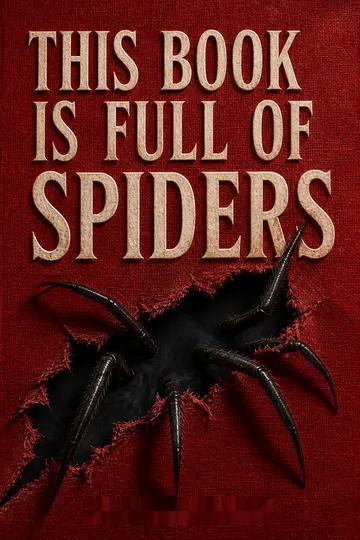
About the Author
Other books by David Wong
Download PDF
Download EPUB
.epub digital book format is ideal for reading ebooks on phones, tablets, and e-readers.








































