
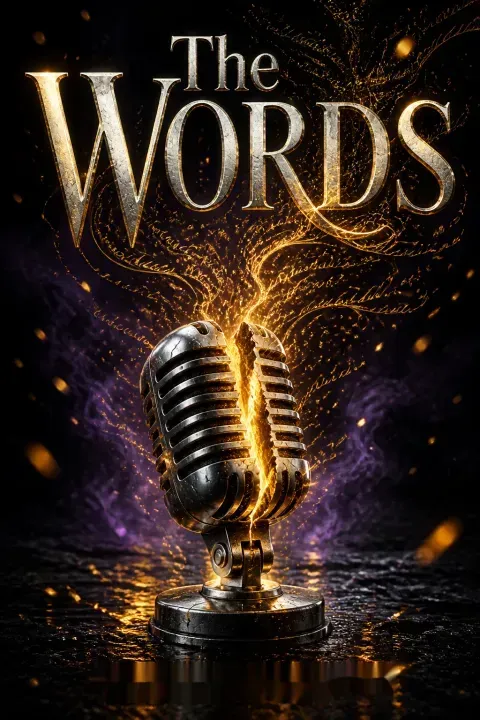


Plot Summary
Prologue
Phoenix Walker,1 eighteen, ducks a glass bottle hurled by his father Vance.12 The bottle is always empty because Vance12 never wastes a drop of booze. Vance12 calls him worthless, a bastard. Phoenix1 reflects on the life his father12 once had: a legendary guitarist on the verge of fame, a beautiful wife, a son who worshiped him.
Then alcohol and drugs consumed everything. His mother saw her chance and fled when Phoenix1 was seven, leaving him behind with the monster. Phoenix1 looks into his father's12 glazed blue eyes, the same shade as his own, and makes a silent vow. He will not repeat this man's descent. He will escape this trailer, this town, this fate.
The prologue establishes the central wound that drives every subsequent choice Phoenix makes. His father is both cautionary tale and genetic destiny; the identical blue eyes force the question of whether he is fated to become the man he hates. The mother's abandonment, described as saving herself but sacrificing her son, creates the template for every relationship Phoenix will have: love is conditional, women leave, and he is fundamentally unworthy of being chosen. The empty bottle is a potent symbol. Absence (of liquor, of love, of sobriety) is weaponized into violence. Phoenix's vow is his only inheritance, a desperate bet that ambition can outrun blood.
Tutoring the Untouchable
Lennon Michael2 has spent four years invisible to Phoenix Walker,1 who commands every room with icy blue eyes and a don't-touch-me demeanor. When her English teacher Mrs. Herman asks her to tutor a failing senior so he can graduate, she never imagines it will be him. Phoenix1 arrives late to their first session, remains silent, and then walks out.
Lennon,2 tired of being a doormat, chases him into the hallway and follows the sound of a piano. She finds him in the band room, eyes closed, singing with a voice that is not merely good but hypnotic, once-in-a-lifetime. She tells him he comes alive when he sings. He snarls that he does not want her help, yet the haunted look in his eyes says otherwise: he needs it desperately.
This collision of two forms of invisibility sets the entire story in motion. Lennon is socially erased because of her weight; Phoenix cultivates erasure as armor against a world that has only hurt him. She chases him not from romantic obsession but from a refusal to be dismissed, a boundary she is finally learning to enforce. The band room scene establishes the central paradox: the boy who cannot read words creates transcendent meaning through sound. Her recognition of his gift, offered before any romantic attachment exists, is the purest validation he has ever received.
The Jumbled Letters
Lennon2 watches Phoenix1 stare at the same page for over an hour. When she reads the essay aloud, he answers every question correctly. She pieces together the truth: the letters jumble and refuse to stay still. Phoenix1 has severe dyslexia, hidden for years through audio books, speech-to-text apps, and charming girls into sharing test answers.
Lennon2 buys him a reading pen with her own savings. She persuades Mrs. Herman to let him take the final after school, alone, using the pen. He dictates an essay about music being the only time he feels authentic, the only time he does not wish he were someone else. He passes with an 81. When she runs to hug him, he lifts her off her feet and holds on.
Dyslexia functions here as both literal disability and governing metaphor. Phoenix's brain scrambles written language just as his emotional lexicon has been scrambled by trauma. The essay he dictates is his first authentic self-expression, his interior world rendered legible through her transcription. Her intervention is not charity but translation: she builds a bridge between his intelligence and a system that measures it by reading alone. His gratitude, expressed physically in the hug, is the first crack in his no-attachment armor.
Pig Slop and Whiskey
Phoenix1 kisses Lennon2 after the final, then ignores her for three days. At the graduation party, Sabrina Simmons11 and a mob of classmates douse Lennon2 in pig slop while the crowd oinks. Storm3 pulls her out and calls Phoenix,1 who brings her to his grandmother's garage to shower. They pass a bottle of Jack Daniels playing Never Have I Ever and Truth or Dare.
Lennon2 shows him the words she writes on her thighs in permanent marker: Fat. Pig. Fat Ass. He wets his thumb, trying to erase them. She dares him to show her his trailer. In his car afterward, she gives him oral sex. His drunken father12 stumbles out, screaming that Phoenix1 is a leech who should have been aborted. Phoenix1 peels out of the trailer park, silent.
This night bonds them through mutual exposure of shame. Lennon's self-mutilating ritual is a physical manifestation of internalized bullying; Phoenix's instinct to rub the words away is his first act of care. The trailer park dare forces him to reveal the source of his own self-loathing. His father's verbal assault, overheard mid-intimacy, proves that the violence Phoenix flees is not just physical but existential: he was told from childhood that he should not exist. The blowjob, given freely and then interrupted by terror, becomes a symbol of intimacy constantly ambushed by trauma.
Half a Virgin
The night before the Voodoo gig, a storm knocks out power at Storm's3 garage. In the dark, Phoenix1 pulls Lennon2 onto the futon. He is rough, impatient. She does not tell him she is a virgin. When the lights surge back, Storm3 walks in and retreats, but Phoenix1 sees the blood staining the sheet. His expression shifts from lust to fury.
He accuses her of tricking him because virgins complicate things. They argue in his car. She admits she was afraid he would have another reason to reject her. He says he never would have slept with her had he known. Then he kisses her anyway, telling her he is pursuing this. Moments later, her father8 catches them in the driveway, livid.
The interrupted sex scene literalizes their incomplete trust. Lennon's lie reveals how thoroughly she has internalized her unworthiness, assuming honesty would cost her his desire. Phoenix's anger masks his terror at the emotional weight of being her first. His 'pursuing this' declaration, made even after her father's intrusion, is the first time he has ever chosen to move toward a woman rather than away. It is a promise he will not keep, but the impulse behind it is genuine, the first stirring of a capacity for commitment he has spent years suppressing.
The Voodoo Knife
Lennon2 arrives backstage at Voodoo wearing the dress she bought for graduation, hopeful. She finds Sabrina11 smirking in the dressing room with Phoenix1 doing up his fly. He had Sabrina11 perform oral sex to stay true to his promise not to sleep with her again, a technicality that means nothing to what Lennon2 sees. She kicks him in the groin, pours a full pitcher of soda over his head, and screams that she hates him.
She calls her father,8 sobbing that he was right about Phoenix.1 That night, onstage, Phoenix1 performs her song as his own original work, launching Sharp Objects toward stardom. Lennon2 never hears it live. She only knows the theft when she hears the song on the radio months later, driving alone on a cold New Hampshire road.
The betrayal operates on two levels: the surface wound involving Sabrina (which Phoenix rationalizes as technically not breaking his word) and the deeper theft he commits that same night. The soda-pouring is Lennon's first act of public defiance, a reclaiming of agency after years of passivity. But the song theft is a violation she cannot yet name. He took not her body but her voice, her art, her claim to being special. The Sabrina scene is intentionally constructed to make Lennon believe the worst, giving Phoenix the emotional exit he needs to justify stealing from someone he has decided he cannot keep.
Stolen Words on the Airwaves
Four years after the Voodoo betrayal, Lennon2 hears Sharp Objects on the radio and nearly crashes her car. She dropped out of Dartmouth because her father Don8 was diagnosed with early-onset dementia; most days he no longer recognizes her.
She tends bar at a strip club called Obsidian to pay his medical bills. Phoenix1 is now a Grammy-winning rock god, but a catastrophic accident killed his bassist Josh, a pregnant woman, and her four-year-old son. Phoenix1 was driving, then switched seats with Josh, who was high.
The guilt has sent him into a spiral of public intoxication, hotel destruction, and groupie scandals. His manager Chandler7 tracks Lennon2 down at Obsidian and offers her three hundred fifty thousand dollars to be Phoenix's1 sober companion for an eight-week tour.
The time jump pairs two forms of grief: Lennon loses her father incrementally to dementia while Phoenix loses himself to guilt. The radio moment is a second violation, her stolen creation now ubiquitous, inescapable. Her job at Obsidian is degradation she endures for love of her father, a quiet martyrdom that mirrors how she once absorbed bullying without complaint. The job offer is poisoned temptation: the money could save her financially, but proximity to Phoenix threatens to dissolve the scar tissue she has built over his original wound. She accepts half for the cash, half for revenge, neither motive fully examined.
Handcuffed to the Headboard
Lennon2 walks into Phoenix's1 hotel suite to find two women servicing him while partygoers snort lines off a coffee table. He is so intoxicated he does not recognize her; he leers and invites her to join. She clears the room by implying a private party, then handcuffs him to the bed. The next morning, he wakes stunned. She tells him she is there officially as his sober companion but unofficially to ruin him.
He threatens to have her fired. Storm3 intervenes, revealing that he orchestrated the hire because Lennon2 is the only person who can reach Phoenix.1 Storm3 also confides privately that Lennon2 needs the money: her father is sick and she is working at a strip club to survive. Phoenix's1 cruelty wavers, replaced by something he cannot name.
The handcuffs invert their original power dynamic. She now controls his body as he once controlled her emotions. His failure to recognize her, even intoxicated, confirms her deepest fear: she was forgettable to him. Storm's revelation about her father cracks Phoenix's defensive posture in a way her anger could not. He begins to see her not as a threat to his career but as someone genuinely suffering, and his protective instincts, long buried under substances and casual sex, stir. The handcuffs will become a recurring symbol of their struggle for control, used in both conflict and intimacy.
The Sister in the Shadows
A teenage girl named Quinn Moore6 breaks into Phoenix's1 hotel room, claiming to be his half-sister. She has his mother's green eyes and a photograph of him as a child. Her story checks out: their mother Genevieve left Phoenix1 at seven to marry a Chicago sheriff who refused to raise another man's son. Quinn6 is being abused by this stepfather.
When Phoenix's1 mother arrives demanding Quinn6 back, she cannot defend the choice to abandon Phoenix.1 Quinn6 briefly flees, then returns badly beaten. Phoenix1 tracks down the stepfather, beats him severely, and threatens exposure unless Quinn6 is released to his custody. A DNA test later confirms Quinn6 is his sister.
Quinn functions as a living mirror: she shares Phoenix's coloring, his mother's eyes, and his childhood experience of abuse. She forces him to confront a wound he has never examined directly. The injury is not simply that his mother left, but that she chose another child over him, building a new life while he endured his father's violence alone. His immediate, fierce protectiveness of Quinn reveals the emotional capacity he has denied himself. Saving her becomes a rehearsal for the kind of love he will need to offer Lennon: steady, protective, unwilling to abandon.
Pig Slop Revenge
Phoenix1 invites Sabrina11 to a show, then pulls her onstage before thousands. He recounts her high school cruelty, yanks a rope, and showers her in pig slop while the crowd oinks. It is brutal, public, and designed for Lennon's2 eyes. Their physical relationship intensifies into a 'fuck buddy' arrangement.
But when George,10 the fill-in bassist, kisses Lennon,2 Phoenix1 drags her away and has sex with her on the tour bus. George10 later confronts Lennon:2 she strung him along knowing she did not return his feelings. He calls her selfish. The accusation lands. Lennon2 realizes she has become the very thing she hates: someone who uses another person's emotions for personal gratification, exactly as Phoenix1 used her.
The pig-slop revenge is a grand gesture of atonement that Phoenix can only execute through public humiliation, not private apology. It satisfies her desire for justice but cannot heal the original betrayal. George's rebuke is the true turning point for Lennon's moral self-perception. She can no longer occupy the high ground of the wronged party. Her recognition that she has mirrored Phoenix's worst behavior destabilizes her identity as purely victim and cracks open the possibility of empathy. The question shifts from 'how could he do this to me' to 'what have I become.'
The Unsent Letters
At Phoenix's1 Los Angeles mansion, Lennon2 sneaks into a room he steered her away from. Inside, she finds a baby grand piano and a stack of handwritten letters, all addressed to her, never mailed. They span four years. The first is dated two weeks after Voodoo: he cannot enjoy his success because everything he has is hers. Others confess he nearly called her hundreds of times.
He describes driving to Dartmouth in a snowstorm, watching her kiss another man, and understanding he lost her for good. The final letter releases her. When Phoenix1 finds her reading them, he does not rage. He quietly admits he never mailed them because he did not know how to apologize while living the dream he stole from her.
The letters provide what both Lennon and the reader have craved: incontrovertible evidence of Phoenix's interior life. They prove his remorse was not a recent convenience but a constant, corroding presence across years. His handwriting, labored and misspelled, is physical testament to the dyslexia he hides, making the effort itself an act of devotion. The unmailed letters are the perfect metaphor for his emotional paralysis: he can feel deeply, but he cannot deliver. Her discovery forces him to finally deliver. It is not forgiveness yet, but it is the raw material from which forgiveness might be built.
Wembley Confession
Phoenix1 persuades Lennon2 to come to London for one night. During the Wembley Stadium show, he walks her onstage in front of ninety thousand people. He stands behind her, hands on her waist, and whispers: close your eyes, do not stop. She sings her song, her voice growing stronger with every verse. The crowd gives a standing ovation.
Phoenix1 then takes the microphone. He announces that she wrote the song, that he stole it four years ago. He says he had to choose between all of this and her, and he made the wrong choice. Backstage, Chandler7 screams. Storm3 and Memphis4 are furious. But Phoenix1 does not care. He has publicly corrected the lie.
This is the structural climax: the theft is reversed in the most public forum possible. Having Lennon sing first restores her voice before he admits his crime, ensuring she is seen as creator, not victim. His confession is not prompted by exposure but by love; he volunteers the truth knowing it could end his career, his friendships, and his band. The choice he describes is a false binary (he could have had both if he had asked her for the song), but the emotional truth is real: he spent four years believing ambition and love were mutually exclusive. He finally chooses love.
The Hospital Wedding
Minutes after the Wembley confession, Lennon2 learns her father8 has suffered a massive stroke. She flies home. The doctor says the damage is too extensive; the ventilator is all that keeps him alive. When Lennon2 sobs that her father8 will never see her married, Phoenix1 proposes. A hospital chaplain marries them in the ICU, her father's8 hand in hers.
He dies minutes after the ceremony. At the funeral, Storm3 and Memphis,4 still furious about Phoenix's1 confession and the canceled tour, brawl with him in the cemetery. They exchange punches and insults before collapsing in the grass, reconciliation achieved through bruises. Phoenix1 tells them he needs time; music can wait. His wife cannot.
The hospital wedding transforms an impulsive proposal into a profound act of love. Phoenix gives Lennon the one thing her grief told her she had lost forever: her father's witness to her happiness. The timing, minutes before death, suggests permission granted, a life completed. The cemetery brawl between Phoenix and Storm externalizes the cost of his choices; the band is his family too, and he damaged it. Their reconciliation, achieved through violence and profanity, is the only language men shaped by abuse know for expressing love. It is raw, ugly, and utterly honest.
Drowning in Grief
For weeks after the funeral, Lennon2 barely eats and rarely leaves bed. Phoenix1 brings trays of food she ignores. One night she gets drunk, tries to initiate sex, and vomits on him instead. She asks Skylar5 to find a lawyer for an annulment, telling Phoenix1 she refuses to trap him in a lifetime of her misery.
He says he would rather be miserable with her than happy with anyone else. Skylar5 reveals during a phone call that Vic Doherty, the record label owner, plans to sue Phoenix1 for breach of contract and fraud over the stolen song. He is also threatening to replace Phoenix1 with a new singer. Lennon,2 overhearing, begins to formulate a plan.
Lennon's grief is depicted not as a plot obstacle but as a full-body, all-consuming experience. Her retreat into bed, her refusal of food, her annulment request are all attempts to release Phoenix from a future she believes she has ruined. She cannot see that staying with her, at her lowest, is the first time Phoenix has ever chosen fidelity when fidelity is difficult. Her grief tells her she is now incapable of joy; his refusal to leave tells her she is wrong. The external threat from Vic becomes the catalyst that will pull her out of her spiral, giving her a problem she can solve.
The Songwriter Returns
Lennon2 calls Skylar5 with a strategy. She will give an interview claiming she co-wrote the song with Phoenix1 and asked him not to credit her, fearing comparison to her legendary songwriter father. She also threatens Vic: drop the lawsuit and the replacement singer, or she will sue him personally for every cent the song earned.
She pushes Phoenix1 to return to the studio and record the album. He resists, but she insists. Meanwhile, she sits at her father's8 piano for the first time since his death. The notes come slowly, then in floods. She writes new songs, raw with grief but fiercely alive. Phoenix1 watches from the doorway, recognizing the moment she becomes whole again.
Lennon's plan completes the arc of power. She uses the leverage her stolen song provides (legal ownership, the threat of a very public lawsuit) to protect Phoenix from the consequences of his own confession. Her lie about co-writing is technically a falsehood but morally a gift: she restores his career on her terms, choosing to rewrite history rather than let it destroy him. Returning to the piano is her true healing, the moment she takes her father's advice not to let insecurity silence her soul. Phoenix, witnessing this resurrection, receives permission to pursue his own.
Epilogue
Three months later, Phoenix1 walks into a dim bar, late for Lennon's2 set. She is onstage in a black dress, singing a new song he has never heard. The lyrics catch him: 'I stole your words, but you stole my heart.' His own words from the letters, woven into her melody. He watches, their matching wedding rings glinting under the stage lights.
A man beside him at the bar recognizes Phoenix1 and laments that he was a legend who lost it all. Phoenix1 looks at his wife,2 her voice filling the small room, and silently disagrees. He did not lose everything. He finally has what matters, and for the first time in his life, it is enough.
The epilogue resists the temptation to promise a painless future. Lennon's grief and Phoenix's guilt are permanent, not cured. But the scene demonstrates integration: she has metabolized his worst act into art, taking his private words of remorse and making them public through her gift. The stranger's comment articulates the world's verdict (a fallen star), but Phoenix's silent correction is the book's thesis: he lost a career built on theft and gained a life built on truth. Her singing his words back to him is the ultimate reconciliation. Two people who could not speak their pain to each other now make music from it together.
Analysis
The Words is, at its core, a story about the violence of silence and the redemptive power of articulation. Phoenix1 cannot read or write fluidly because his brain scrambles letters, but his real disability is emotional illiteracy: he cannot name his feelings, cannot apologize, cannot ask for what he needs. His dyslexia is a metaphor for the way trauma jumbles the lexicon of love. Lennon,2 who writes songs as private therapy and cruel words on her skin as self-punishment, understands that language can wound or heal depending on who wields it and how. The central crime of the novel is not simply theft but specifically the theft of words: her words, her self-expression, her claim to being special. The central redemption is equally linguistic. He writes letters he cannot send. He learns, eventually, to say sorry out loud, in public, at great cost. She learns to take his unsent words and sing them back to him, transforming private shame into public art. The novel also interrogates class, body image, and the moral ambiguity of ambition with surprising nuance. Phoenix1 grew up in a trailer with nothing; his theft is partially motivated by the terror of returning to poverty. Lennon2 grew up comfortable but socially impoverished by her weight. Neither is purely victim or villain. The story refuses easy binaries: the 'nice guy' George10 exposes compromising photos for revenge; the ruthless manager Chandler7 genuinely loves his band; the dead Josh was both beloved and abusive. Forgiveness, the novel suggests, is not a single act but a continuous practice, rebuilt daily through small choices: staying in bed with someone who cannot stop crying, writing words on skin to replace the ones carved by cruelty, extending a contract you could legally break. In the end, both Phoenix1 and Lennon2 return to music, separately and together, because creation is the only adequate response to destruction.
Review Summary
The Words is an emotional, angsty second-chance rockstar romance that follows Lennon and Phoenix from high school to adulthood. Readers praised the complex characters, intense chemistry, and gripping storytelling, though some found the drama and length excessive. The book tackles themes of body image, addiction, and redemption. While many readers loved the passionate relationship and character growth, others criticized problematic elements and toxicity. Overall, it's a divisive but compelling read that elicited strong reactions from fans of angst-filled romances.
People Also Read


Characters
Phoenix Walker
Rock star with hidden shameLead singer of Sharp Objects. Raised in a trailer by an abusive alcoholic father; his mother abandoned him at age seven. He has severe dyslexia that he hides from everyone except Storm3 and later Lennon2, compensating with audio books, speech-to-text apps, and raw musical talent. Emotionally, he is a fortress: he avoids attachment, uses sex as transaction, and numbs pain with substances. His greatest terror is becoming his father12. Beneath the cruelty and detachment lies a profound capacity for love and loyalty, but his fear of abandonment makes him sabotage every relationship that matters. Music is his only authentic self-expression until Lennon2 teaches him that words, even written ones, can be his too.
Lennon Michael
Songwriter reclaiming her voicePlus-size daughter of a legendary songwriter, named after John Lennon. Her mother died in childbirth. Bullied mercilessly throughout high school for her weight, she developed a ritual of writing cruel words on her body with permanent marker. She writes songs as private therapy, hiding her gift from everyone, including her father8. After Phoenix's1 betrayal, she stops creating entirely. She drops out of Dartmouth to care for her father8 when he is diagnosed with early-onset dementia, sacrificing her future without hesitation. Resilient, compassionate, and fiercely intelligent, she has spent years believing she is not the kind of girl who gets the guy1. Her journey is learning that she is the kind of woman who gets everything.
Storm
Loyal drummer and best friendPhoenix's1 best friend and Sharp Objects' drummer. Abandoned by his parents, raised by his grandmother Grams, he channels his rage through percussion. Intense, physically imposing, and emotionally blunt, he serves as Phoenix's1 moral anchor and the band's enforcer. He is the one who suggests hiring Lennon2 as Phoenix's1 sober companion, understanding that she alone can reach his friend. His loyalty to Phoenix1 is absolute, which makes Phoenix's1 public confession feel like a personal betrayal. He eventually becomes an unlikely guardian figure to Quinn6.
Memphis
Guitarist caught between two womenLead guitarist of Sharp Objects and foster brother of the deceased Josh. He has been in love with Skylar5, his brother's former fiancée, for years but buried those feelings out of loyalty. After Josh's death, he impregnates reality star Gwyneth Barclay during a casual fling and becomes engaged to her, convincing himself it is the honorable path for his child. His arc involves confronting whether duty to a child requires sacrificing love. He carries quiet, observational intelligence beneath a party-boy exterior.
Skylar
Publicist with a shattered heartJosh's former fiancée, now the band's publicist. Beautiful, razor-sharp, and emotionally guarded after years of being manipulated by Josh. She has unresolved feelings for Memphis4 that she suppresses by throwing herself into work. She becomes Lennon's2 closest friend on tour, offering the sisterhood Lennon2 never had. Her own arc involves learning to stop being a supporting character in other people's stories and confront what she actually wants. She is far more perceptive than anyone gives her credit for.
Quinn Moore
The sister who forced reunionPhoenix's1 fifteen-year-old half-sister. Quirky, theatrical, and resilient, she tracked down Phoenix1 after discovering his existence in a box of hidden photographs. Abused by her stepfather, a sheriff, she orchestrates her own rescue with remarkable cunning. She represents Phoenix's1 chance to be the protector no one was for him. Her presence forces him to confront his mother's abandonment and rebuild a family on his own terms. She is also the catalyst for Storm's3 softer side, though neither would admit it.
Chandler Dicky
Exasperated band managerSharp Objects' manager, a perpetually irritated man in cargo pants who genuinely cares about the band despite his abrasive manner. He carries guilt over Josh's death, which occurred at his party in his car. He has unexpressed feelings for Skylar5 that complicate his professional judgment. His constant threats to fire Lennon2 mask his reluctant respect for her. He is the pragmatic counterweight to the band's chaos, often the voice of hard truths no one wants to hear.
Don Michael
Legendary songwriter fading awayLennon's2 father, a revered songwriter who named his daughter after John Lennon. Widowed when his wife died in childbirth, he raised Lennon2 alone, offering unwavering love and belief in her even when she could not believe in herself. His early-onset dementia steals his memories incrementally, though he has moments of piercing lucidity. His final gift to Lennon2 is hearing her sing her song and telling her he is proud of her, a benediction that sustains her long after he dies.
Mrs. Palma
Neighbor who became a motherLennon's2 elderly neighbor who steps in as a surrogate mother figure after Lennon's2 mother dies. She is the one who finds Don8 during his first dementia episode and calls Lennon2 home from Dartmouth. She cares for Don8 during Lennon's2 tour, making it possible for Lennon2 to earn the money she desperately needs. Her quiet steadiness is the emotional infrastructure that holds Lennon's2 life together.
George
Fill-in bassist turned betrayerHired to replace Josh on tour, he pursues Lennon2 with 'nice guy' persistence, framing himself as the safe alternative to Phoenix1. When Lennon2 rejects him, his wounded ego manifests as revenge: he secretly photographs her intimate moments with Phoenix1 and leaks them to tabloids, exposing her to public humiliation. His arc demonstrates how passive-aggressive 'niceness' can curdle into cruelty when rejected.
Sabrina Simmons
High school tormentor turned pawnLennon's2 primary bully throughout high school. Beautiful, popular, and vicious, she made Lennon's2 life a daily torment culminating in the pig-slop incident. She serves as a sexual convenience for Phoenix1, who uses her body while withholding any emotional connection. Phoenix1 later brings her onstage only to publicly humiliate her with pig slop, an act of revenge performed for Lennon's2 benefit.
Vance Walker
Abusive father and cautionary ghostPhoenix's1 father, a once-promising guitarist destroyed by alcoholism and rage. After his wife left, he directed his violence entirely at Phoenix1, beating him with bottles and bats while telling him he was worthless. He appears sporadically to demand money from his famous son. He represents everything Phoenix1 fears becoming: talent wasted, family destroyed, rage unchecked.
Plot Devices
The Song 'Sharp Objects'
Stolen creation and eventual giftLennon's2 original song that Phoenix1 steals and records as Sharp Objects' breakout single. The lyrics (about being tough as a nail, sharp as a blade, but still lying broken in someone else's mess) encode Lennon's2 experience of being bullied and her complicated feelings about Phoenix1. The song becomes the band's defining hit and the source of Phoenix's1 guilt. Four years later, he publicly confesses the theft at Wembley Stadium, then Lennon2 stages an interview claiming they co-wrote it, transforming the song from a wound into a shared creation. The song's journey from private therapy to stolen property to public reconciliation mirrors the arc of their relationship.
The Reading Pen
Bridge across his hidden disabilityA specialized electronic pen that scans text and reads it aloud. Lennon2 purchases it for Phoenix1 with her own savings after discovering his dyslexia. The pen enables him to take his English final independently and later to review contracts and documents without relying on others. Symbolically, it represents Lennon's2 unique ability to see what Phoenix1 needs and provide it without condescension. He keeps the pen for years, using it to read contracts in secret even at the height of his fame, a private reminder of the girl who believed in his mind when everyone else saw only his face.
The Unsent Letters
Evidence of hidden remorseA stack of handwritten letters Phoenix1 wrote to Lennon2 over four years but never mailed. Kept in a locked room alongside a baby grand piano, they chronicle his guilt, longing, and eventual despair. The earliest letters express immediate regret; later ones describe his trip to Dartmouth where he saw her with another man and gave up hope. Written despite his dyslexia, the labored handwriting makes the effort itself an act of devotion. Lennon2 discovers them and finally understands that his remorse was not manufactured for her return but was a constant, private agony.
The Permanent Marker
Self-harm ritual and reclamationLennon's2 coping mechanism: writing the cruel words others call her (Fat, Pig, Fat Ass) on her thighs and stomach with permanent marker. It externalizes her internalized shame and gives her a semblance of control over the names that haunt her. Phoenix1 discovers the marks during a Truth or Dare game and instinctively tries to rub them away. Years later, after she has clawed back some self-worth, he writes 'beautiful' and 'I'm sorry' on her skin while she sleeps, reclaiming the ritual as an act of love. The marker becomes a symbol of the war between self-hatred and self-acceptance.
The Handcuffs
Physical symbol of power struggleInitially procured by Lennon2 to restrain a dangerously intoxicated Phoenix1, the handcuffs evolve into a recurring motif. She uses them to control him during his self-destructive periods, literalizing her role as his keeper. Later, they enter their sexual relationship, where the cuffs represent the constant negotiation of dominance and vulnerability between two people who have both been powerless in different ways. Storm3 provides an under-the-bed restraint system, making the device a gift from the one person who understands both of them. The handcuffs ultimately symbolize the paradox of their bond: they imprison each other and set each other free.
FAQ
Basic Details
What is The Words about?
- Unexpected Connection Forms: The Words follows Lennon Michael, a high school outcast struggling with body image and grief, and Phoenix Walker, a troubled musician desperate to escape his abusive past. Their paths cross when Lennon agrees to tutor Phoenix, who is secretly battling dyslexia and needs to graduate to pursue his music dreams.
- Secrets and Ambition Collide: As Lennon helps Phoenix, she uncovers his vulnerabilities and witnesses his raw musical talent. Their bond deepens, but Phoenix's ambition leads him to betray Lennon by stealing a song she shared with him, using it to launch his career.
- Fallout and Second Chances: The story explores the devastating impact of this betrayal on Lennon and Phoenix's subsequent journeys through fame, loss, and personal demons. Years later, fate intervenes, bringing them back into each other's lives, forcing them to confront their past and the complicated feelings that still exist between them.
Why should I read The Words?
- Deep Emotional Resonance: The novel delves into complex themes of trauma, self-worth, and the healing power of connection, offering a raw and unflinching look at the characters' internal struggles and growth. Readers seeking emotionally charged narratives will find the journey compelling.
- Unique Character Dynamics: The relationship between Lennon and Phoenix is multifaceted, evolving from reluctant allies to passionate lovers and bitter enemies, before finding a path towards forgiveness and understanding. Their push-and-pull dynamic is central to the story's tension and appeal.
- Exploration of Art and Identity: The book uses music as a powerful metaphor for self-expression, vulnerability, and legacy. It examines how art can be both a source of salvation and a tool for manipulation, and how reclaiming one's creative voice is tied to reclaiming one's identity.
What is the background of The Words?
- Small-Town Roots & Big Dreams: The initial setting in the small town of Hillcrest highlights the characters' desire for escape and the limitations placed upon them by their environment and social hierarchies. Phoenix's trailer park background contrasts sharply with Lennon's seemingly comfortable home, underscoring themes of class and aspiration.
- Music Industry Realities: The narrative transitions into the cutthroat world of the music industry, portraying the pressures of fame, the compromises artists face, and the often-unseen struggles behind public success. This provides a backdrop for Phoenix's rise and the consequences of his choices.
- Trauma and Coping Mechanisms: The story is deeply rooted in the characters' personal histories of trauma – Phoenix's childhood abuse and abandonment, Lennon's grief and bullying. These backgrounds inform their behaviors, relationships, and reliance on coping mechanisms like music, self-harm (Lennon's writing on her skin), and self-destruction (Phoenix's drinking/partying).
What are the most memorable quotes in The Words?
- "Every saint has a past, and every sinner has a future.": This Oscar Wilde quote, featured prominently, encapsulates the core theme of redemption and the possibility of overcoming past mistakes, particularly relevant to Phoenix's journey.
- "I'm supposed to be the cutter... But you're the one who cut me.": This lyric from Lennon's song, repeated throughout the book, powerfully symbolizes the deep emotional wound Phoenix inflicted upon her through his betrayal, contrasting her physical self-harm with his emotional one.
- "You're the sun.": Lennon's repeated assertion about Phoenix highlights his mesmerizing talent and ability to command attention, but also foreshadows the danger of getting too close, reflecting the destructive potential of his ambition and actions.
What writing style, narrative choices, and literary techniques does Ashley Jade use?
- Dual Perspectives: The story alternates between Lennon and Phoenix's viewpoints, offering intimate access to their thoughts, feelings, and motivations. This technique allows readers to understand the complexities of their individual experiences and the nuances of their intertwined story, even when their actions are contradictory.
- Raw and Emotional Tone: The writing style is characterized by its intense emotionality, often using visceral language to convey the characters' pain, desire, and anger. This creates a sense of immediacy and draws the reader deeply into their psychological states.
- Symbolism and Motif: Jade employs recurring symbols like music (representing salvation, identity, and betrayal), the Sharpie/writing on skin (Lennon's internalized pain and self-harm), and the sun/fire (Phoenix's captivating but destructive nature) to add layers of meaning to the narrative.
Hidden Details & Subtle Connections
What are some minor details that add significant meaning?
- Lennon's Sharpie: The seemingly small detail of Lennon writing insults on her body with a Sharpie (Ch 4, 69) is a powerful, subtle depiction of her internalized bullying and self-harm, revealing the depth of her pain beyond outward appearances. This connects to the theme of hidden struggles and the lasting impact of cruelty.
- Phoenix's Lip Ring: Phoenix's lip ring, acquired later in his career (Ch 25), becomes a physical manifestation of his edgier, more hardened rock star persona, contrasting with the vulnerable boy Lennon first knew. It's a subtle visual cue of his transformation and the emotional armor he's built.
- The Dakota Building: Phoenix choosing The Dakota building as a date spot (Ch 67) is a significant detail, referencing John Lennon's tragic death there. This connects to Lennon's name origin and subtly links themes of musical legacy, creation, and unexpected loss, adding a layer of poignant irony to their complex relationship.
What are some subtle foreshadowing and callbacks?
- Phoenix's Early Anger: Phoenix's quick temper and tendency towards aggression, seen early on when he punches the trailer (Prologue) or snaps at Lennon (Ch 4), subtly foreshadow his later violent outbursts and struggles with control, particularly after Josh's death. This hints at underlying trauma and difficulty managing intense emotions.
- Lennon's Journaling: Lennon's habit of writing songs and journaling privately (Ch 8, 38) foreshadows the significance of her creative work and its eventual public exposure. It establishes her music as a deeply personal outlet before it becomes central to the plot and Phoenix's betrayal.
- "Complicate Shit" Phrase: Phoenix's repeated insistence early in their relationship that he doesn't want things to "get complicated" (Ch 4, 13) serves as ironic foreshadowing, as their connection becomes incredibly complex due to his actions and their intertwined lives. It highlights his initial fear of emotional entanglement.
What are some unexpected character connections?
- Skylar and Memphis's Relationship: The subtle tension and history between Skylar and Memphis, hinted at through shared glances and protective behaviors (Ch 20, 66), is an unexpected connection that develops into a significant subplot involving hidden feelings and complicated loyalties due to her engagement to Josh, Memphis's brother.
- Mrs. Palma's Psychic-like Intuition: Mrs. Palma's uncanny ability to sense things about Lennon's life, like knowing about Phoenix before Lennon tells her (Ch 4), creates an unexpected, almost mystical connection between them. She serves as a wise, intuitive maternal figure who sees beyond the surface.
- Chandler's Hidden Depth: Chandler, initially presented as a purely pragmatic, even rude, manager (Ch 23), reveals unexpected depth and care for the band, particularly Phoenix (Ch 64). His connection to them goes beyond business, stemming from shared trauma (Josh's death) and a desire to protect them, showing a hidden layer beneath his sharp exterior.
Who are the most significant supporting characters?
- Storm: As Phoenix's best friend and bandmate, Storm is crucial to Phoenix's emotional support system and musical journey. He's often the voice of reason and loyalty, pushing Phoenix to confront his issues and even orchestrating Lennon's return to help him (Ch 27).
- Mrs. Palma: More than just a neighbor, Mrs. Palma becomes a surrogate mother figure for Lennon, offering unwavering emotional support, practical help with her father's care, and crucial encouragement for Lennon's self-worth and pursuit of happiness (Ch 4, 24, 59).
- Quinn Moore: Phoenix's unexpected half-sister, Quinn, is a catalyst for significant emotional growth in Phoenix, forcing him to confront his past trauma and step into a protective, familial role (Ch 50, 55). Her vibrant personality and own struggles add a new dimension to Phoenix's life and the story's themes of family and healing.
Psychological, Emotional, & Relational Analysis
What are some unspoken motivations of the characters?
- Phoenix's Need for Validation: Beyond escaping his father, Phoenix's intense drive for fame is subtly motivated by a deep-seated need for external validation, stemming from a childhood where he was called "worthless" (Prologue). Success isn't just freedom; it's proof of his value.
- Lennon's Desire for Acceptance: Lennon's initial willingness to tutor Phoenix and her later attempts to connect with him are partly driven by a longing for acceptance and belonging, having been ostracized and bullied throughout high school. Her kindness is genuine, but it also fulfills a need to be seen and valued.
- Skylar's Guilt and Redemption: Skylar's dedication to the band and her efforts to help Phoenix and Memphis are subtly motivated by guilt over Josh's death and a desire for redemption. She feels responsible for not being able to save him and channels that into trying to protect the remaining members (Ch 56).
What psychological complexities do the characters exhibit?
- Phoenix's Trauma Response: Phoenix exhibits complex trauma responses, including difficulty forming healthy attachments, using sex and substances to numb pain, and pushing away those who care about him (Ch 6, 54). His rage and self-destructive behavior are direct results of his abusive past and the guilt from the accident.
- Lennon's Internalized Shame: Lennon's struggle with internalized shame due to bullying manifests in her writing insults on her body and her deep-seated insecurity about her appearance (Ch 4, 46). This psychological scar impacts her relationships and self-perception long after the bullying stops.
- Memphis's Avoidance Coping: Memphis deals with the trauma of losing his brother and his complicated feelings for Skylar through avoidance and deflection, often using humor or focusing on superficial interactions to mask deeper pain (Ch 66). His struggle highlights different ways characters cope with loss and forbidden emotions.
What are the major emotional turning points?
- Lennon Discovering Phoenix's Dyslexia: This moment (Ch 4) is a major emotional turning point, shifting Lennon's perception of Phoenix from a cocky delinquent to a vulnerable individual. It fosters empathy and deepens their connection, moving their relationship beyond the initial tutoring arrangement.
- Phoenix's Confession about the Accident: Phoenix revealing the details of the car accident and his perceived responsibility (Ch 54) is a pivotal emotional turning point. It exposes the root of his self-destructive behavior and allows Lennon to understand the depth of his pain, shifting her anger towards compassion.
- Lennon Singing Her Song on Stage: Lennon performing "Sharp Objects" at Wembley (Ch 72) is a powerful emotional climax. It represents her reclaiming her voice, overcoming her fear, and stepping into her power, transforming the song from a symbol of betrayal into one of triumph and shared legacy.
How do relationship dynamics evolve?
- Lennon and Phoenix: From Tutor/Student to Complex Love: Their relationship evolves dramatically from a reluctant tutoring arrangement based on necessity to a deeply complex bond encompassing friendship, passion, betrayal, hatred, and ultimately, a love that seeks redemption and healing. The power dynamic shifts multiple times throughout the story.
- Phoenix and Storm: Brotherhood Tested: The dynamic between Phoenix and Storm is initially one of unwavering brotherhood and shared dreams. However, Phoenix's self-destructive behavior and the fallout from his actions, particularly regarding Lennon and the band's future, severely test their bond, highlighting the strain fame and personal issues can put on even the strongest friendships (Ch 66, 76).
- Lennon and Her Father: Shifting Roles and Enduring Love: Lennon's relationship with her father evolves from him being her protector to her becoming his caregiver due to his dementia. Despite the heartbreaking loss of his memory, their bond remains the anchor of her life, demonstrating the enduring power of familial love even as roles reverse (Ch 24, 59, 74).
Interpretation & Debate
Which parts of the story remain ambiguous or open-ended?
- The Full Extent of Phoenix's Mother's Actions: While Phoenix's mother claims she couldn't take him due to her new partner (Ch 51), the narrative leaves some ambiguity about the depth of her efforts or if she could have made a different choice. This fuels Phoenix's lingering questions and pain about her abandonment.
- The Future of Sharp Objects: The ending leaves the long-term future of the band Sharp Objects somewhat open-ended. While Phoenix agrees to record the next album and they have a plan to mitigate the fallout, it's unclear if they will regain their previous level of success or if the internal and external damage is too significant to fully overcome.
- The Healing Process for Lennon and Phoenix: While the story ends with a sense of hope and their commitment to each other, the narrative acknowledges that their pain and trauma will not simply disappear. The ongoing nature of their healing process and how they will navigate future challenges together remains an open question.
What are some debatable, controversial scenes or moments in The Words?
- Phoenix Stealing Lennon's Song: This is arguably the most controversial moment, sparking debate among readers about the severity of Phoenix's betrayal and whether his ambition justifies his actions. It challenges the reader's sympathy for his character and raises questions about artistic ownership and ethics.
- The Pig Slop Incident: The public humiliation of Lennon at the graduation party (Ch 13) is a harsh and potentially controversial scene due to its cruelty and the visceral nature of the bullying depicted. It highlights the extreme torment Lennon endured and the lasting impact of such experiences.
- Phoenix's Manipulation and Control: Phoenix's tendency to manipulate situations and exert control over Lennon, particularly after they reconnect (e.g., the handcuffing, the dare, the forced trip to Europe), can be controversial. While framed within their complex dynamic and his own issues, it raises questions about consent and healthy relationship boundaries.
The Words Ending Explained: How It Ends & What It Means
- A Marriage Forged in Grief and Love: The Words ending explained centers on Lennon's father's death and Phoenix's impulsive proposal in the hospital (Ch 74). They marry shortly before her father passes, a moment of profound connection amidst loss. This unconventional marriage signifies Phoenix's commitment to being Lennon's anchor and family when she feels most alone, proving his love transcends their painful past.
- Reclaiming Voices and Legacies: The climax involves Phoenix publicly admitting he stole Lennon's song during a concert (Ch 73), giving her the credit she deserves and allowing her to sing it on stage. This act of redemption is pivotal, enabling Lennon to reclaim her artistic voice and Phoenix to begin healing from his guilt and the lie that built his fame.
- Hope for Healing and a Shared Future: The epilogue shows Lennon pursuing her music career and Phoenix returning to the band, now with more control and authenticity. Their relationship is strong, built on honesty and mutual support. The ending signifies that while the past's scars remain, they are choosing to face the future together, finding healing and a shared legacy through their love and art.

Download PDF
Download EPUB
.epub digital book format is ideal for reading ebooks on phones, tablets, and e-readers.








































