
Plot Summary
Wolf-Girl Chosen for Sacrifice
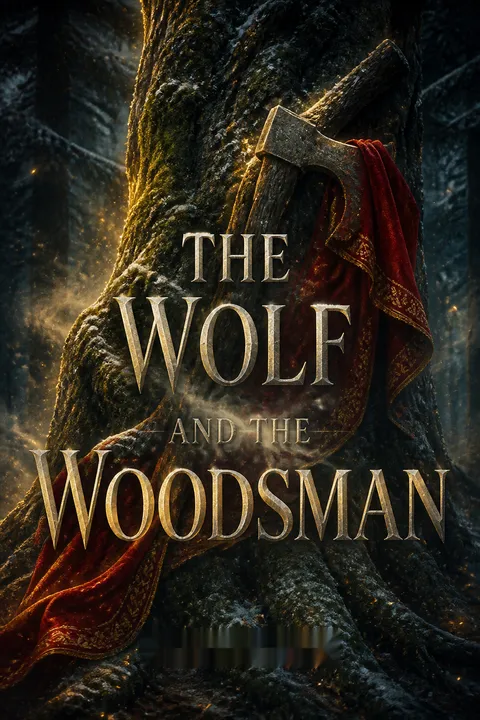
Évike, the only girl in her pagan village without magic, is scorned and bullied by her peers. On the day the king's Woodsmen come to claim a magical girl as tribute, the village elders conspire to disguise Évike as a seer, sacrificing her in place of the true one. Évike is forced to wear a wolf cloak and have her hair dyed white, then handed over to the Woodsmen. The betrayal stings, but Évike's survival instinct and bitterness burn brighter than her fear. She is bound and led away, her fate uncertain, as the villagers watch in silence, and the forest closes behind her.
Into the Woodsmen's Grasp
Évike is marched through the haunted forest by a group of Woodsmen, including their enigmatic captain. The journey is fraught with tension, prejudice, and danger—both from the men and the supernatural threats lurking in the woods. When one Woodsman turns on her, violence erupts, and the captain is forced to choose between his orders and his conscience. The group is whittled down by betrayal and monstrous attacks, and Évike's resourcefulness and will to live are tested. She learns the captain is not just a soldier, but a prince—Gáspár—hiding his own wounds and secrets.
Blood, Betrayal, and Survival
After a harrowing night of bloodshed, Évike and Gáspár are left as unlikely allies. Both have been betrayed by their own people: Évike by her village, Gáspár by his royal family. Bound by necessity, they strike a bargain—Évike will help Gáspár find the legendary turul, a magical bird said to grant the power of foresight, in exchange for the safety of her village and answers about the fate of the girls taken by the king. Their journey northward is marked by suspicion, reluctant trust, and the slow thawing of hatred into something more complex.
The Prince Behind the Patch
Gáspár's true identity as the king's legitimate son and rival to his fanatical half-brother Nándor is revealed. Both he and Évike are outcasts—he for his foreign blood and lost eye, she for her lack of magic and mixed heritage. As they travel, they share stories and wounds, learning the cost of power and the pain of being othered. Their relationship deepens, complicated by mutual attraction and the knowledge that their fates are entwined with the fate of the kingdom. The myth of the turul becomes their shared hope and burden.
Bargains and Broken Loyalties
Seeking shelter in a Patritian village, Évike and Gáspár are drawn into a local mystery: villagers are disappearing, and a monster is blamed. The truth is darker—human cruelty masquerading as necessity. Gáspár is forced to mete out justice, and Évike is reminded that monsters wear many faces. Their bond is tested by violence, guilt, and the ever-present threat of betrayal. The cost of survival is measured in blood and sacrifice, and both must confront the limits of their own mercy.
Monsters in Men's Clothing
As they journey north, Évike and Gáspár encounter the Juvvi, the indigenous people of the frozen lands, and witness the scars left by conquest and forced assimilation. They find sanctuary with Tuula, a Juvvi witch, and Szabín, a runaway Daughter of the Patrifaith. Here, Évike learns the true nature of sacrifice—cutting off her own finger to gain a dark, destructive magic. The lines between faith and magic, mercy and violence, blur as they face monsters both human and supernatural. Their growing love is shadowed by the knowledge that power always demands a price.
The Long Road North
Haunted by dreams and hunted by enemies, Évike and Gáspár's journey becomes a crucible. They confront their desires and fears, confessing secrets and sharing moments of tenderness amid the cold. The myth of the turul looms ever larger, a symbol of hope and doom. When they finally reach the far north, they are forced to confront the truth: the turul's power is real, but so is the cost of claiming it. The journey has changed them, binding them together in ways neither could have foreseen.
Magic, Sacrifice, and Power
With the help of Katalin, the true seer from Évike's village, they locate the turul. Évike is the one to kill it, sacrificing her last illusions and her magic in the process. The king's Woodsmen arrive, seizing the turul and dragging Évike, Gáspár, and their allies back to the capital. The king's hunger for power is insatiable—he consumes the turul, seeking the gift of prophecy, and is driven mad by the visions. Évike's bargain is broken, and the kingdom teeters on the edge of chaos.
The Bear-Witch's Sanctuary
In the aftermath of the turul's death, Évike and her companions find brief sanctuary with Tuula and Szabín. Here, Évike learns the truth of her bloodline and the power of words—her Yehuli father's magic, the ability to make and unmake reality through writing. The sanctuary is short-lived; betrayal and violence follow them, and Évike is forced to choose between her own survival and the safety of those she loves. The cost of mercy is high, and the wounds of the past refuse to heal.
The Truth of Bloodlines
Back in Király Szek, Évike seeks out her father, Zsigmond, and discovers the power and pain of her Yehuli heritage. She learns to read and write, to claim her own name and story. The city is a cauldron of tension—Nándor's fanaticism grows, the king's grip weakens, and the Yehuli and pagans are threatened with expulsion or death. Évike's love for Gáspár deepens, but so does her sense of responsibility. She must decide who she is, and what she is willing to sacrifice, as the kingdom hurtles toward civil war.
The King's Cruel Bargain
The King betrays Évike, breaking his promise to protect her village and the Yehuli. Katalin is captured, and Évike is forced to choose between saving her old enemy or preserving her own hard-won power. The cost of mercy is the loss of her magic, and the realization that bargains with kings are always written in blood. Nándor seizes the throne, murdering his father and unleashing a reign of terror. The city descends into chaos, and Évike must find the strength to fight for those she loves.
The Price of Mercy
As Nándor consolidates his rule, Évike and Gáspár are imprisoned, tortured, and forced to witness the suffering of their people. The Yehuli are threatened with expulsion, the pagans with annihilation. Évike's magic is gone, but she discovers a new power in her father's legacy—the ability to write truth and death into the world. Love becomes both a weapon and a wound, binding her to Gáspár and to the fate of the kingdom. The price of mercy is steep, and the final battle looms.
The Turul's Secret Revealed
Katalin's vision reveals that the pagans are marching on the capital, determined to die fighting rather than be slaughtered in their homes. The city erupts in violence as wolf-girls and Woodsmen clash in the streets. Évike, wounded and desperate, must use every scrap of cunning and courage to save her father, her friends, and the future of her people. The secret of the turul's power is revealed—not in prophecy, but in the willingness to sacrifice, to love, and to choose one's own story.
The Crown of Fingernails
Nándor's coronation is a spectacle of violence and betrayal. The king's crown of fingernails is burned, the old order destroyed. The Érsek, the archbishop, is executed in a display of magical power. The city is awash in blood, and the future is uncertain. Évike and Gáspár are separated, each facing their own trials and torments. The cost of power is laid bare, and the survivors must reckon with the ruins of their world.
The Rise of the Bastard King
In a final confrontation, Gáspár and Nándor face each other—brother against brother, king against usurper. Évike, armed with her father's magic and her own hard-won strength, delivers the killing blow. The city is saved, but at a terrible cost. The survivors must rebuild from the ashes, forging a new order from the wreckage of the old. Love endures, but the wounds of the past will never fully heal.
The Siege of Király Szek
The city is besieged by the pagans, but the battle ends with the death of Nándor and the crowning of Gáspár. The Yehuli, pagans, and Patritians must learn to live together, forging a fragile peace. Évike is reunited with her father and her village, and the survivors gather to mourn the dead and celebrate the living. The old stories are retold, and new ones are written. The future is uncertain, but hope endures.
The Last Arrow Flies
Évike, scarred and changed, returns to Keszi with Gáspár. The wounds of the past are not easily healed, but the village is reborn in the aftermath of war. The wolf-girls and Woodsmen share a feast, and the old enmities begin to fade. Évike claims her place as a storyteller, writing down the tales that shaped her and her people. The power of story—of naming, of remembering, of choosing one's own fate—becomes the true magic that endures.
A New Dawn in Keszi
In the epilogue, Évike finds herself at home in Keszi, surrounded by old friends and new family. The village is changed, but so is she. Gáspár, now king, visits with his council, and the future of Régország is being written by many hands. The old stories are retold, and Évike begins to write her own, passing on the lessons of sacrifice, survival, and hope. The dawn is uncertain, but it is theirs to claim.
Analysis
Ava Reid's The Wolf and the Woodsman is a fiercely intelligent, emotionally charged reimagining of the fantasy quest, using the trappings of myth and magic to interrogate the wounds of history, identity, and belonging. At its heart, the novel is about the cost of survival in a world that demands sacrifice from the marginalized—women, outcasts, religious and ethnic minorities. Through Évike's journey from powerless scapegoat to self-forged savior, the book explores how power is always bought with pain, and how the stories we inherit can both bind and liberate us. The narrative refuses easy answers: mercy is as dangerous as violence, love is both a wound and a weapon, and the line between monster and hero is always shifting. In a world riven by zealotry and fear, the novel insists on the possibility of solidarity—across bloodlines, faiths, and histories. Its ultimate lesson is that true magic lies not in prophecy or violence, but in the courage to claim one's own story, to choose mercy when possible, and to build a future from the ashes of the past. In our own era of resurgent nationalism and exclusion, The Wolf and the Woodsman is a timely, necessary tale of resistance, resilience, and hope.
Review Summary
The Wolf and the Woodsman received mixed reviews. Many praised its rich Hungarian and Jewish folklore, atmospheric writing, and complex themes of religious persecution and identity. Some found the characters compelling and the romance engaging, while others felt they lacked depth. Critics noted pacing issues, especially in the first half. Several reviewers felt the book read more like YA despite being marketed as adult fantasy. The graphic violence and body horror elements were divisive. Overall, opinions varied widely, with some hailing it as a stunning debut and others finding it disappointing.
People Also Read




Characters
Évike
Évike is a young woman marked by her lack of magic in a village where power is everything. Scorned for her mixed Yehuli and pagan blood, she is both fiercely independent and deeply wounded by rejection. Her journey from powerless outcast to reluctant savior is driven by a stubborn will to live, a hunger for belonging, and a growing sense of responsibility for others. Évike's psychological arc is one of self-forgiveness and the forging of identity—she learns to claim her own story, to wield both mercy and violence, and to love without shame. Her relationships—with Gáspár, her father Zsigmond, and her old enemies—are fraught, complex, and transformative. She is a study in the cost of survival and the power of choosing one's own fate.
Gáspár
Gáspár, the king's true-born son, is a man divided—between his Patritian and Merzani blood, between his role as Woodsman and his longing for justice, between duty and desire. Scarred by his father's cruelty and his brother's fanaticism, he is both gentle and resolute, haunted by guilt and driven by a need to protect. His relationship with Évike is a crucible for his own self-acceptance; through her, he learns to question inherited hatred and to claim his own worth. Gáspár's development is marked by sacrifice, humility, and the courage to love in a world that punishes difference. He is both a mirror and a foil to Évike, and their bond is the heart of the story.
Nándor
Nándor, the king's bastard son, is a study in the dangers of charisma and unchecked faith. Raised as a living saint, he is both adored and feared, wielding religious fervor as a weapon. His psychological complexity lies in his need for validation, his resentment of Gáspár, and his willingness to destroy anything that threatens his vision of purity. Nándor's power is both magical and social—he manipulates crowds, inspires violence, and justifies cruelty in the name of God. His downfall is a warning about the seductions of certainty and the violence of exclusion.
Katalin
Katalin, once Évike's tormentor, is a seer marked by both privilege and pain. Her cruelty is a shield against her own vulnerability, and her visions are both a gift and a curse. Over the course of the story, Katalin is forced to confront the consequences of her actions and the limits of her power. Her relationship with Évike evolves from enmity to uneasy alliance, and finally to a kind of sisterhood forged in blood and survival. Katalin embodies the costs of tradition and the possibility of change.
Zsigmond
Zsigmond is Évike's Yehuli father, a man shaped by loss, exile, and the quiet endurance of his people. His magic is in words and making—he can write truth and death into the world, and he teaches Évike the power of naming. Zsigmond's relationship with Évike is one of mutual healing; through him, she learns to claim her heritage and her right to belong. He is a symbol of survival, adaptation, and the quiet strength of the marginalized.
Virág
Virág is the old seer of Keszi, a woman both feared and revered. Her love is harsh, her wisdom hard-won, and her methods often cruel. She raises Évike out of necessity, but their relationship is marked by both pain and a deep, unspoken bond. Virág represents the weight of tradition, the costs of survival, and the possibility of redemption. Her visions are both a blessing and a burden, and her choices shape the fate of the village.
Tuula
Tuula is a Juvvi woman who embodies the resilience and pain of an indigenous people scarred by conquest. Her magic is wild, her loyalty fierce, and her anger righteous. She offers sanctuary and wisdom, but also challenges Évike's assumptions and choices. Tuula's relationship with Szabín and her bear Bierdna is a testament to found family and the power of love across boundaries.
Szabín
Szabín is a former Daughter of the Patrifaith, marked by the scars of sacrifice and the longing for acceptance. Her journey is one of self-liberation, as she flees the constraints of faith and finds love and purpose with Tuula. Szabín's healing magic is both a gift and a wound, and her story is a meditation on the costs of devotion and the possibility of new beginnings.
Boróka
Boróka is Évike's only true friend in Keszi, a healer whose gentleness belies her resilience. She is a touchstone of kindness and loyalty, offering comfort and support even when Évike feels most alone. Boróka's presence is a reminder of the power of small mercies and the importance of chosen family.
The King (János)
King János is a man hollowed out by fear, ambition, and the weight of history. His cruelty is both personal and systemic—he sacrifices girls for power, betrays his own son, and clings to the trappings of authority even as his kingdom crumbles. János is a warning about the dangers of compromise, the seductions of tradition, and the emptiness of power without love or justice.
Plot Devices
Duality and Mirroring
The novel is structured around dualities: pagan and Patritian, Yehuli and Régyar, power and powerlessness, love and hate, self and other. Évike and Gáspár are mirrors—each an outcast, each marked by loss and longing, each forced to choose between survival and integrity. The plot repeatedly uses mirroring—between brothers, between villages and cities, between old stories and new realities—to explore the ways in which identity is forged in opposition and in relation. This device deepens the psychological complexity and underscores the theme that true change comes not from erasing difference, but from embracing it.
Sacrifice as Transformation
Throughout the story, magic is gained only through sacrifice—cutting off a finger, enduring pain, giving up love or safety. This motif is literalized in the Woodsmen's mutilations, the king's crown of fingernails, and Évike's own journey. Sacrifice is both a source of power and a wound that never fully heals. The plot uses this device to interrogate the costs of survival, the ethics of violence, and the possibility of redemption. Sacrifice is not just loss, but the forging of new selves and new stories.
Storytelling as Magic
The power of naming, writing, and storytelling is central. Évike's Yehuli heritage gives her the ability to write truth and death into the world; the old stories shape the characters' understanding of themselves and their fate. The plot is structured as a tapestry of stories—myths, fables, histories—woven together and rewritten by the characters. This device blurs the line between magic and language, suggesting that the greatest power is the ability to claim and tell one's own story.
Subversion of the Chosen One Trope
Évike is not the chosen one—she is the girl left behind, the one with no magic, the one meant to die in someone else's place. The plot subverts the traditional hero's journey by making her survival an act of defiance, not destiny. Her power comes not from prophecy, but from the refusal to accept the roles assigned to her. The narrative structure uses foreshadowing and reversal—visions that mislead, bargains that backfire, enemies who become allies—to keep the reader off-balance and to challenge the idea that fate is fixed.
Political Allegory and Social Critique
The novel uses its fantasy setting to explore themes of religious persecution, ethnic cleansing, misogyny, and the dangers of zealotry. The plot is driven by the machinations of power—kings and priests, mobs and armies—but always returns to the personal: the cost of survival, the pain of exclusion, the hope of solidarity. The structure alternates between intimate, psychological moments and sweeping political events, using each to illuminate the other.
About the Author
Other books by Ava Reid


Download PDF
Download EPUB
.epub digital book format is ideal for reading ebooks on phones, tablets, and e-readers.








































