
Plot Summary
Lucky Bastard's Fall
Toby Hennessy has always considered himself lucky, coasting through life with charm, privilege, and few real hardships. He's got a loving girlfriend, Melissa, a close-knit group of friends, and a supportive family. But his luck is about to run out. After a night out drinking with friends, Toby's apartment is broken into and he is brutally attacked. The violence leaves him physically and psychologically shattered, his sense of self and security destroyed. This event marks the end of his easy life and the beginning of a long, painful reckoning with who he really is, what he's capable of, and how little he truly knows about himself or those closest to him.
Night of Violence
The attack on Toby is sudden and savage. Two masked men break into his apartment, and in the chaos, Toby tries to defend himself but is overpowered and left for dead. The trauma is not just physical—he suffers a head injury that leaves him with memory gaps, cognitive problems, and a deep sense of vulnerability. The violence is random, or so it seems, but its aftershocks ripple through every aspect of Toby's life. He wakes in the hospital, disoriented and terrified, his old confidence replaced by fear and confusion. The world is no longer safe, and Toby is no longer the person he thought he was.
Hospital and Aftermath
Toby's hospital stay is a blur of pain, confusion, and anger. He struggles with his injuries, the loss of control, and the realization that his mind and body may never fully recover. His relationships are strained—his mother hovers anxiously, his girlfriend Melissa tries to comfort him, but Toby is irritable and withdrawn. The police investigation into the break-in yields little, and Toby is left with a gnawing sense of unfinished business. He obsesses over what happened, unable to let go or move on. The attack has left him fundamentally changed, and he doesn't know how to live with the new version of himself.
Ivy House Return
When Toby's beloved uncle Hugo is diagnosed with terminal brain cancer, Toby is asked to move into the Ivy House to care for him. Melissa joins him, hoping the change will help Toby heal. The Ivy House, once a symbol of childhood happiness and family unity, now becomes a place of reckoning. Surrounded by memories and family, Toby is forced to confront his own fragility and the cracks in his relationships. The house is full of ghosts—literal and metaphorical—and as Hugo's health declines, the past begins to press in on all of them.
Family Shadows Gather
The extended family gathers at the Ivy House, ostensibly to support Hugo, but old rivalries and resentments quickly surface. Toby's cousins, Susanna and Leon, are drawn back into his orbit, and the three of them slip into old patterns—bickering, joking, but also keeping secrets. The family's history is tangled, and the Ivy House is both a sanctuary and a pressure cooker. As Hugo's illness progresses, the question of what will happen to the house—and the family—after he's gone becomes more urgent. Underneath the surface, something darker is brewing.
The Skull in the Tree
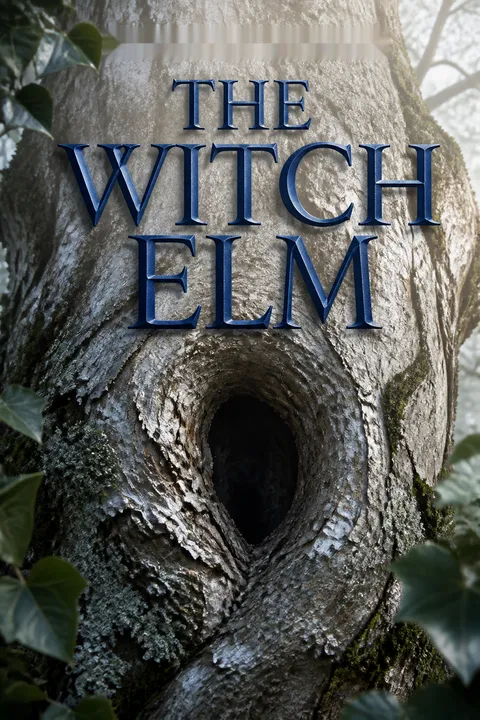
Everything changes when Susanna's children discover a human skull hidden in the hollow of an old wych elm in the garden. The police descend on the Ivy House, turning it into a crime scene. The family is thrown into chaos as detectives begin to dig—literally and figuratively—into their past. The skull is soon identified as belonging to Dominic Ganly, a classmate of Toby's who disappeared a decade earlier. The discovery forces everyone to revisit the summer Dominic vanished, and the secrets they've kept buried ever since.
Suspects and Secrets
As the police investigation intensifies, suspicion falls on the family. The detectives, especially Rafferty, are relentless, probing for inconsistencies and hidden motives. Toby, already unstable from his injuries, becomes obsessed with figuring out what really happened to Dominic. He suspects everyone—his cousins, himself, even Hugo. The family's stories don't quite add up, and old grievances resurface. The Ivy House, once a place of safety, now feels like a trap. Toby's sense of reality begins to fray as he tries to piece together the truth.
The Past Unburied
Haunted by memory gaps and the fear that he might have done something terrible, Toby spirals into paranoia. He interrogates his cousins, desperate for answers, but they are evasive and defensive. The police find evidence that points in multiple directions—a hoodie cord used as a garrote, a missing key, conflicting alibis. Toby's own memory is unreliable, and he begins to suspect that he might be the killer. The past refuses to stay buried, and the pressure mounts as the investigation closes in.
Cousins' Confessions
In a tense, late-night confrontation, Susanna and Leon finally confess the truth to Toby. Dominic had been tormenting both of them—sexually harassing Susanna, bullying Leon. Driven to desperation, Susanna planned to kill Dominic, and Leon helped her carry it out. They lured Dominic to the Ivy House, garroted him, and hid his body in the wych elm. Toby, oblivious, was kept out of the plot. The confession is both a relief and a devastation—Toby is not a murderer, but he is not the hero he imagined. The revelation shatters what remains of their childhood bond.
Hugo's Last Gift
As the police close in, Hugo, dying and lucid, confesses to Dominic's murder to protect his nieces and nephews. His confession is plausible—he knows details only the killer would know—and the police accept it, closing the case. Hugo's sacrifice allows the family to escape prosecution, but at a terrible cost. He dies soon after, leaving Toby with a profound sense of loss and guilt. The Ivy House, once a place of innocence, is now irrevocably tainted by secrets and sacrifice.
The Cost of Survival
The family tries to move on, but nothing is the same. Toby's relationship with Melissa collapses under the weight of what's happened. The Ivy House is sold to pay for legal fees and the family scatters. Toby, cleared of suspicion but deeply damaged, drifts through life, unable to find meaning or connection. The cost of survival is high—innocence lost, relationships broken, and a sense of self that can never be fully restored. The past continues to haunt him, and the future feels empty.
The Detective's End
In a final, desperate act, Toby kills Detective Rafferty during a confrontation in the Ivy House garden. The killing is both accidental and inevitable—a culmination of all the violence, fear, and confusion that has consumed Toby since the night of his attack. He tries to cover it up, but is discovered and institutionalized. The cycle of violence is complete, and Toby is left to reckon with what he has become. The detective's death is both a tragedy and a dark mirror of everything that has gone before.
Aftermath and Reckoning
Toby is committed to a psychiatric hospital, where he is treated for his injuries and mental illness. He is tried for Rafferty's death and found not guilty by reason of diminished responsibility, but his life is effectively over. The family is scattered, the Ivy House gone, and Toby is left to reflect on everything that has happened. He is no longer sure who he is, or what he is capable of. The story ends not with resolution, but with a sense of profound ambiguity and loss.
The Shape of Luck
In the end, Toby is left to contemplate the nature of luck, identity, and survival. He once believed himself to be lucky, but now understands that luck is not something outside himself, but something woven into the fabric of who he is. Without it, he is unmoored, uncertain, and haunted by the past. The Ivy House, the family, and the innocence of youth are all gone, replaced by a hard-won knowledge of the darkness at the heart of things. The story closes with Toby, alone, wondering what remains when luck runs out.
Analysis
Modern reckoning with privilege, trauma, and moral ambiguityThe Witch Elm is a haunting meditation on luck, privilege, and the stories we tell ourselves to survive. Tana French uses the conventions of the psychological thriller to explore deeper questions about identity, memory, and the nature of evil. The novel dismantles the myth of the "lucky" protagonist, showing how easily luck can be lost and how little it protects us from violence or guilt. Through Toby's unreliable narration and the gradual unearthing of family secrets, French interrogates the ways in which privilege blinds us to the suffering of others and to our own capacity for harm. The Ivy House, once a symbol of safety and belonging, becomes a site of horror and loss, mirroring the characters' internal landscapes. The novel refuses easy answers—there are no pure victims or villains, only flawed people making desperate choices. In the end, The Witch Elm is less a whodunit than a meditation on the cost of survival, the fragility of identity, and the darkness that lies just beneath the surface of ordinary lives.
Review Summary
Reviews of The Witch Elm are sharply divided. Fans praise French's lyrical prose, rich character development, and deep psychological exploration of privilege through protagonist Toby. Supporters embraced the slow burn and found the payoff rewarding. Critics, however, found Toby unlikable and the pacing frustratingly slow, with the central mystery not emerging until well into the book. Many longtime Dublin Murder Squad fans felt the standalone lacked the compelling detective voices they loved. The book averages 3.58 stars, reflecting this clear split between devoted admirers and disappointed readers.
People Also Read





Characters
Toby Hennessy
Toby is the protagonist and narrator, a young man whose life of privilege and charm is shattered by a violent attack. His journey is one of psychological and moral unraveling—he is forced to confront his own weaknesses, blind spots, and capacity for self-deception. Toby's relationships are defined by both love and distance; he is close to his family and friends, but ultimately isolated by his inability to see himself clearly. His head injury leaves him with memory gaps and cognitive problems, making him an unreliable narrator and a stranger to himself. Toby's arc is one of loss—of innocence, of certainty, of luck—and his struggle to find meaning in the aftermath of trauma.
Hugo Hennessy
Hugo is Toby's uncle and the owner of the Ivy House. A genealogist by profession, Hugo is a quiet, thoughtful man who has spent his life caring for others and maintaining the family home. As he faces terminal brain cancer, Hugo becomes both a source of comfort and a catalyst for the family's reckoning with the past. His final act—confessing to Dominic's murder to protect his nieces and nephews—is both selfless and tragic, a sacrifice that saves the family but costs him his own peace. Hugo's presence is a reminder of the possibility of goodness, even in a world full of darkness.
Melissa
Melissa is Toby's girlfriend, a kind and optimistic woman who tries to support him through his recovery and the chaos at the Ivy House. Her patience and loyalty are remarkable, but ultimately she cannot save Toby from himself or the family's secrets. Melissa's departure is a turning point for Toby, marking the end of his last connection to his old life. Her character highlights the limits of love and the necessity of self-preservation in the face of overwhelming darkness.
Susanna
Susanna is Toby's cousin, a woman whose intelligence and practicality mask a deep well of trauma and determination. She is the mastermind behind Dominic's murder, driven to desperation by his harassment and the failure of the adults and authorities around her. Susanna's actions are both understandable and horrifying—she is a victim who becomes a perpetrator, and her ability to compartmentalize and rationalize her choices is both her strength and her curse. Her relationship with Toby is complex, marked by both love and a willingness to manipulate him for her own ends.
Leon
Leon is Toby's other cousin, a gay man who has suffered years of bullying and marginalization. He is Susanna's partner in Dominic's murder, motivated by both loyalty and his own trauma. Leon is more fragile than Susanna, prone to anxiety and self-doubt, but he is also capable of surprising strength and resilience. His relationship with Toby is fraught—full of old wounds, jealousy, and a longing for acceptance. Leon's arc is one of survival, but at a terrible cost.
Dominic Ganly
Dominic is the murder victim, a former classmate of Toby's who was popular, athletic, and deeply troubled. His bullying and harassment of Susanna and Leon are the catalyst for the crime, but he is also a product of his environment—entitled, insecure, and ultimately destroyed by his own actions and the failures of those around him. Dominic's death is both a tragedy and a reckoning, forcing the family to confront the consequences of violence and silence.
Detective Rafferty
Rafferty is the lead detective on the case, a sharp and persistent investigator who is both adversary and mirror to Toby. He is skilled at reading people and manipulating them to get what he wants, but he is also capable of empathy and insight. Rafferty's pursuit of the truth is both admirable and dangerous, and his death at Toby's hands is a dark culmination of the story's cycle of violence. He represents the inescapable force of consequence and the impossibility of escaping the past.
Martin
Martin is the detective investigating Toby's assault, a seasoned cop who is both skeptical and compassionate. He is less invested in the murder case, but his interactions with Toby are crucial in shaping Toby's understanding of himself and his situation. Martin's cynicism is tempered by a sense of fairness, and he serves as a counterpoint to Rafferty's intensity.
Toby's Parents
Toby's mother and father are present throughout his ordeal, offering support and comfort but unable to protect him from the consequences of his actions or the family's secrets. Their love is both a source of strength and a reminder of everything Toby stands to lose. They represent the limits of parental protection and the inevitability of loss.
The Ivy House
Though not a person, the Ivy House is a character in its own right—a repository of family history, secrets, and trauma. It is both a sanctuary and a site of horror, a place where innocence and violence coexist. The house's fate mirrors that of the family—once a place of unity and happiness, it is ultimately lost, its secrets exposed and its legacy tainted.
Plot Devices
Unreliable Narration and Memory
The novel's structure is built around Toby's unreliable narration, a result of his head injury and psychological trauma. His memory gaps, confusion, and self-doubt create a sense of uncertainty and suspense, forcing the reader to question what is real and what is imagined. This device allows the story to unfold in layers, with revelations and reversals that keep the reader off balance. The use of memory as both a plot device and a theme underscores the novel's exploration of identity, guilt, and the impossibility of fully knowing oneself or others.
The Locked-Room Mystery
The Ivy House functions as a classic locked-room setting, isolating the characters and intensifying the sense of claustrophobia and suspicion. The discovery of the skull in the garden turns the house into a crime scene, and the family into suspects. The police investigation, with its focus on alibis, motives, and hidden relationships, draws on the conventions of the mystery genre while subverting them—there is no clear villain or hero, only a web of complicity and silence.
Foreshadowing and Red Herrings
French uses foreshadowing and red herrings to keep the reader guessing. Early hints about Toby's luck, the family's secrets, and the significance of the Ivy House set the stage for later revelations. The investigation is full of misdirection—suspicions fall on different characters, evidence points in multiple directions, and the truth is only revealed through a series of confessions and confrontations. This narrative structure mirrors the characters' own confusion and denial, and heightens the emotional impact of the final revelations.
Psychological Realism
The novel is as much a psychological study as a crime story. The characters' motivations, traumas, and relationships are explored in depth, and the plot is driven by their choices and failures rather than external events. The use of therapy, memory, and self-examination as plot devices allows French to delve into questions of guilt, responsibility, and the nature of evil. The story's resolution is not a neat solution to a puzzle, but a reckoning with the messiness of human life.
The House as Symbol
The Ivy House is more than a backdrop—it is a symbol of the family's history, secrets, and decline. Its physical decay mirrors the unraveling of the family and the loss of innocence. The house's transformation from sanctuary to crime scene to empty shell parallels Toby's own journey from confidence to trauma to emptiness. The house's fate—sold, emptied, and lost—serves as a powerful metaphor for the cost of survival and the impossibility of returning to the past.
Dublin Murder Squad Series

About the Author
Other books by Tana French



Download PDF
Download EPUB
.epub digital book format is ideal for reading ebooks on phones, tablets, and e-readers.








































