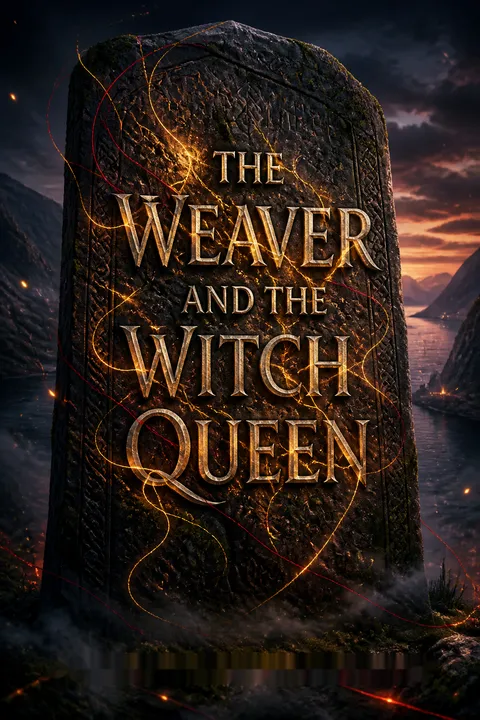

Plot Summary
Blood Oath and Prophecy
In the cold north of 900s Norway, Gunnhild, Oddny, and Signy—three childhood friends—swear a blood oath to always be there for each other, even if their paths diverge. During a fateful ritual, a seeress prophesies that one of them clouds the futures of the others, intertwining their destinies for better or worse. The girls are both thrilled and unsettled, sensing the weight of the prophecy. Their bond is cemented by the oath, but the shadow of fate looms, hinting at future trials and heartbreak. The moment is filled with hope, fear, and the bittersweet knowledge that childhood cannot last forever.
Three Paths Diverge
As the girls grow, their lives are shaped by poverty, ambition, and the harsh expectations of their families. Gunnhild's mother is cruel, Oddny's family is loving but poor, and Signy dreams of adventure and escape. When Gunnhild's mother arranges a marriage for her to an old man, Gunnhild seizes the chance to run away with the seeress Heid, seeking power and freedom. The friends are separated, each forced onto a different path by circumstances and the prophecy that binds them. Their parting is painful, filled with longing and the ache of promises that may be impossible to keep.
Witch's Apprenticeship
Gunnhild's years with Heid are marked by rigorous training in witchcraft, isolation from the world, and a growing hunger for respect and autonomy. She learns to travel in spirit, shape-shift, and wield curses and healing, but the cost is loneliness and the constant threat of being hunted for her power. Heid becomes her surrogate mother, teaching her both the wonders and dangers of magic. Gunnhild's ambition grows, but so does her fear of the prophecy and the darkness within herself. The apprenticeship is both a refuge and a crucible, forging her into something formidable and feared.
Years of Separation
While Gunnhild is away, Oddny and Signy struggle to survive on their family's farm, burdened by poverty and the stigma of the old prophecy. Oddny becomes a skilled healer under her mother's guidance, while Signy chafes against the limitations of her life, yearning for adventure and recognition. Their relationship is strained by jealousy, resentment, and the weight of unfulfilled dreams. The sisters' bond is tested by loss, disappointment, and the ever-present threat of violence in a world that offers little mercy to women.
Threads of Fate
The prophecy's influence becomes more pronounced as the girls' lives spiral toward crisis. Gunnhild's magical abilities attract the attention of rival witches, while Oddny and Signy's farm becomes a target for raiders. The threads of their fates tighten, drawing them inexorably toward tragedy. The sense of impending doom is palpable, as each woman feels the pull of destiny and the limits of her own agency. The world grows darker, and the promise of their childhood oath is put to the ultimate test.
The Raid and Ruin
A brutal raid led by witch-controlled slavers destroys Oddny and Signy's home, killing their family and scattering the sisters. Oddny barely escapes, haunted by guilt and grief, while Signy is captured and sold into slavery. Gunnhild, in spirit form, witnesses the attack and tries to intervene, but is powerless to prevent the devastation. The prophecy's curse seems fulfilled as the friends are torn apart, each left to face her own suffering and the consequences of choices made long ago. The emotional devastation is raw and unrelenting.
Sworn Sisters Scattered
Oddny finds refuge with Gunnhild's family, but is consumed by the need to rescue Signy. She strikes a bargain with Halldor, a raider who helped destroy her home, binding him to pay her a debt that she hopes to use to buy her sister's freedom. Gunnhild, now orphaned by Heid's death, seeks a way back to her friends, haunted by guilt and the knowledge that her fate is tied to theirs. Each woman is isolated, forced to rely on strangers and enemies, and the hope of reunion becomes both a driving force and a source of pain.
Witchcraft and Exile
Gunnhild's journey brings her into the orbit of King Eirik, a man haunted by his own violent past and the enmity of his brothers. She bargains for passage and protection, offering her magic in exchange, but finds herself drawn into the deadly politics of the royal court. Rival witches, Thorbjorg and Katla, conspire against her, and Gunnhild's own ambition threatens to consume her. The lines between friend and foe blur, and the cost of power becomes ever more apparent. Gunnhild's isolation deepens, even as her influence grows.
Reunion and Rituals
Gunnhild and Oddny are finally reunited, but the years apart and the traumas they have endured make their relationship fraught and fragile. Together, they attempt a ritual to find Signy, enlisting the help of other women and risking the wrath of their enemies. The ritual fails, deepening Gunnhild's sense of inadequacy and Oddny's desperation. Their bond is tested by secrets, betrayals, and the realization that the prophecy's curse may be inescapable. The hope of saving Signy becomes both a shared mission and a source of tension.
The King's Bargain
Gunnhild strikes a fateful bargain with King Eirik: she will marry him and use her magic to protect him, in exchange for his help in rescuing Signy. The marriage is one of mutual need, not love, and is met with suspicion and hostility by the court. Gunnhild's ambition and Eirik's haunted past make them both formidable and vulnerable. Their union is a political and magical alliance, but also a powder keg of conflicting desires and resentments. The cost of the bargain is high, and the consequences ripple through all their lives.
Marriage and Betrayal
The marriage between Gunnhild and Eirik is marked by passion, mistrust, and the ever-present threat of betrayal. Gunnhild's power is both a weapon and a liability, and her efforts to protect Eirik lead her to make choices that alienate Oddny and others. The prophecy's shadow looms, as old wounds are reopened and new ones inflicted. The emotional stakes are heightened by the knowledge that every act of loyalty may also be an act of betrayal, and that love itself can be both a blessing and a curse.
The Duel and Outlaw
Halldor's true identity as the lost son of King Bjorn is revealed, forcing a deadly duel with Eirik. Gunnhild intervenes with magic to save her husband, but the deception is exposed, leading to Halldor's outlawry and Oddny's heartbreak. The bonds of friendship and love are shattered, as each woman is forced to choose between loyalty and survival. The cost of power and ambition becomes painfully clear, and the prophecy's curse seems more inescapable than ever. The emotional fallout is devastating, leaving all three women adrift.
Broken Oaths, Broken Hearts
Oddny and Gunnhild's friendship is broken by betrayal and grief, as each blames the other for the suffering that has befallen them. The blood oath that once bound them is severed, and the hope of reunion seems lost. Signy's fate remains uncertain, and the prophecy's warning echoes in their hearts. The pain of broken promises and shattered trust is palpable, as each woman is left to reckon with the consequences of her choices and the limits of her own power.
The Witch's War
The rival witches, Thorbjorg, Katla, and the traitorous Thora, escalate their attacks, using magic and manipulation to sow chaos and destruction. Gunnhild, Oddny, and Signy are drawn into a war of witches, forced to confront their enemies and their own fears. The battle for survival becomes a battle for the soul, as each woman must decide what she is willing to sacrifice for power, love, and vengeance. The lines between good and evil blur, and the cost of victory becomes ever more uncertain.
The Battle for Birka
The final battle erupts at Birka, as armies clash and witches unleash their full power. Gunnhild is trapped in the spirit world, her thread severed by Thora, while Oddny and Signy risk everything to rescue her. The sisters' reunion is hard-won, and the cost is high, as old enemies are vanquished and new wounds inflicted. The prophecy is fulfilled in blood and terror, but also in the strength of the bond that endures. The battle is both physical and spiritual, a test of courage, love, and the will to survive.
Descent into Darkness
Oddny and Signy descend into the spirit world to rescue Gunnhild, confronting the full horror of Thora's betrayal and the limits of their own power. The journey is perilous, filled with visions, temptations, and the threat of annihilation. Only by reaffirming their love and loyalty can they restore Gunnhild's thread and bring her back to life. The experience is transformative, forging a new understanding of themselves and each other. The darkness is both a crucible and a womb, from which they emerge changed and renewed.
Sisters Reunited
The three women are finally reunited, but the scars of their ordeals remain. Forgiveness is hard-won, and trust must be rebuilt. Each woman chooses her own path: Gunnhild as queen and mother, Oddny as healer and wanderer, Signy as warrior-in-training. Their bond endures, tempered by suffering and strengthened by love. The prophecy's curse is revealed to be a blessing in disguise, as their intertwined fates make them stronger together than apart. The future is uncertain, but hope is rekindled.
The Price of Power
In the aftermath, the women reflect on the cost of their choices and the meaning of power, love, and destiny. Gunnhild's ambition has made her both feared and revered, but at great personal cost. Oddny finds freedom in forging her own path, while Signy embraces the challenge of becoming a warrior. The world is changed by their actions, and the threads of their lives continue to weave new patterns. The story ends with a sense of hard-won peace, but also the knowledge that the struggle for agency and meaning is never truly over.
Analysis
Genevieve Gornichec's The Weaver and the Witch Queen is a powerful meditation on the nature of fate, agency, and the bonds that define us. Set against the brutal beauty of Viking Age Norway, the novel reimagines the saga tradition through a feminist lens, centering the experiences of women whose lives are shaped by prophecy, power, and the struggle for autonomy. The story interrogates the costs of ambition and the dangers of trying to outwit destiny, while also celebrating the resilience, resourcefulness, and love that allow its characters to survive and transform. The use of witchcraft and prophecy is both literal and metaphorical, exploring the ways in which we are bound by history, trauma, and the expectations of others. Ultimately, the novel suggests that true power lies not in domination or escape, but in the courage to face our fears, forgive our failures, and choose our own paths—even when the threads of fate seem inescapable. The emotional arc is one of loss, betrayal, and hard-won reconciliation, offering a nuanced portrait of friendship, love, and the price of greatness in a world where every choice is fraught with peril and possibility.
Review Summary
The Weaver and the Witch Queen receives mixed reviews averaging 3.85/5 stars. Positive reviews praise the compelling sisterhood, strong female characters, engaging plot, and LGBTQ+ representation. Critics appreciate Gornichec's research and immersive Viking setting. Negative reviews cite anachronistic dialogue (phrases like "takes one to know one"), modern language feeling out of place, weak worldbuilding, slow pacing, and underdeveloped characters. Several reviewers found the protagonist Gunnhild immature and insufferable. The inclusion of a transgender character divided readers—some celebrated the representation while others found it historically implausible. Comparisons to her debut, The Witch's Heart, were common.
People Also Read


Characters
Gunnhild Ozurardottir
Gunnhild is the central figure whose hunger for power and respect drives much of the narrative. Scarred by her mother's cruelty and the limitations placed on women, she seeks freedom and agency through witchcraft, apprenticing herself to Heid. Her journey is marked by loneliness, ambition, and the constant threat of being hunted for her power. Gunnhild's relationships are complex: she loves Oddny and Signy as sisters, but her choices often put them in danger. Her marriage to Eirik is both a political alliance and a crucible for her own desires and fears. Gunnhild's development is a study in the costs of power, the pain of betrayal, and the possibility of redemption. She is both a victim and an agent of fate, her life a tapestry of blood, love, and ambition.
Oddny Ketilsdottir
Oddny is the emotional heart of the story, grounded in compassion, practicality, and a deep sense of duty. Trained as a healer by her mother, she is resourceful and resilient, but also burdened by guilt and the weight of the prophecy. Her relationship with Signy is fraught with rivalry and love, while her bond with Gunnhild is tested by betrayal and loss. Oddny's romance with Halldor is a source of both joy and pain, challenging her understanding of loyalty and forgiveness. Her journey from self-doubt to self-assertion is marked by sacrifice, courage, and the willingness to embrace her own power. Oddny's development is a testament to the strength found in vulnerability and the healing that comes from facing one's deepest fears.
Signy Ketilsdottir
Signy is the wild, adventurous spirit among the sisters, chafing against the constraints of her life and yearning for something more. Her capture and enslavement are traumatic, leaving her scarred but unbroken. Signy's journey is one of survival, resilience, and the search for agency in a world that seeks to silence her. Her relationship with Oddny is complicated by jealousy and love, while her bond with Gunnhild is both a source of strength and a reminder of the prophecy's curse. Signy's decision to stay and train as a warrior is an act of defiance and hope, signaling her refusal to be defined by her suffering. Her development is a testament to the power of endurance and the possibility of transformation.
Eirik Haraldsson (Blood-axe)
Eirik is a man shaped by violence, ambition, and the expectations of his father, King Harald. His past is marked by fratricide, guilt, and the constant threat of betrayal. Eirik's relationship with Gunnhild is both passionate and fraught, a union of mutual need and conflicting desires. He is both a protector and a threat, his love for Gunnhild complicated by his own demons. Eirik's development is a study in the struggle for redemption, the cost of power, and the possibility of change. His journey is marked by moments of tenderness and brutality, and his fate is inextricably linked to Gunnhild's.
Halldor Bjarnarson (Hallgrimsson)
Halldor is a complex figure, haunted by the loss of his family and the need for vengeance. His true identity as the lost son of King Bjorn is a secret that shapes his every action. Halldor's relationship with Oddny is a source of healing and hope, challenging both to confront their own fears and desires. His journey from vengeance to forgiveness is marked by pain, courage, and the search for a place to belong. Halldor's trans identity is handled with sensitivity, adding depth to his struggle for recognition and acceptance. His development is a testament to the power of love and the possibility of transformation.
Thorbjorg
Thorbjorg is the primary antagonist among the witches, her actions motivated by a vision of her own death at Gunnhild's hands. Her attempts to preempt fate drive much of the conflict, leading to violence, betrayal, and the scattering of the sisters. Thorbjorg is both powerful and deeply insecure, her fear of the prophecy making her ruthless and desperate. Her relationship with her allies is fraught with mistrust, and her ultimate defeat is both a fulfillment of fate and a cautionary tale about the dangers of trying to outwit destiny.
Heid
Heid is the seeress who rescues Gunnhild from her family and trains her in witchcraft. Wise, enigmatic, and fiercely independent, Heid is both a source of strength and a reminder of the costs of power. Her death is a turning point for Gunnhild, forcing her to confront her own fears and the limits of her abilities. Heid's legacy is both a blessing and a burden, shaping Gunnhild's journey and the fate of all three sisters.
Katla
Katla is a rival witch allied with Thorbjorg, her power manifesting in violence and destruction. Her enmity with Gunnhild is personal and deadly, culminating in a series of magical battles that test the limits of both women's abilities. Katla's fate is a warning about the dangers of unchecked ambition and the corrosive power of vengeance.
Thora
Thora is a master of deception, hiding her true nature as the third witch behind a mask of kindness and maternal warmth. Her betrayal is devastating, revealing the depth of the conspiracy against Gunnhild and her sisters. Thora's actions are motivated by ambition and a desire to secure her son's future, making her both a sympathetic and chilling figure. Her defeat is a hard-won victory, but the scars she leaves behind are deep.
Svein
Svein is the poet and chronicler of Eirik's hird, a witness to the violence and tragedy that unfold. His loyalty is tested by the actions of his friends and the shifting tides of power. Svein's perspective offers insight into the costs of ambition and the importance of truth, memory, and storytelling. His decision to leave the hird is an act of integrity, marking him as a moral compass in a world of shifting loyalties.
Plot Devices
Prophecy and Intertwined Fates
The central plot device is the prophecy delivered in childhood, which declares that one of the three girls clouds the futures of the others, binding their fates together. This prophecy drives the action, shaping choices, relationships, and the unfolding of events. It is both a source of hope and a curse, creating tension between agency and destiny. The prophecy is reinforced by magical threads, blood oaths, and recurring motifs of weaving and spinning, symbolizing the inescapable ties between the characters. The narrative structure is cyclical, with past actions echoing into the present and future, and the fulfillment of the prophecy both tragic and redemptive.
Witchcraft and Magical Realism
Witchcraft is both a literal and symbolic force in the story, representing the struggle for agency, the dangers of ambition, and the costs of power. The use of shape-shifting, spirit travel, curses, and rituals creates a world where the boundaries between the physical and spiritual are porous. Magic is a double-edged sword, offering both protection and destruction, and its use is fraught with moral ambiguity. The magical battles are both external and internal, reflecting the characters' psychological struggles and the larger themes of fate, loyalty, and sacrifice.
Betrayal, Loyalty, and the Cost of Power
The story is driven by acts of betrayal and loyalty, as characters are forced to choose between love, ambition, and survival. The cost of power is a recurring theme, as each woman must reckon with the consequences of her choices and the limits of her own agency. The narrative uses foreshadowing, parallelism, and mirrored events to highlight the ways in which the characters' fates are intertwined. The breaking and mending of oaths, the severing and repairing of magical threads, and the cycles of violence and forgiveness all serve to underscore the complexity of human relationships and the price of greatness.
Narrative Structure and Perspective
The novel employs a shifting third-person perspective, allowing readers to experience the story through the eyes of Gunnhild, Oddny, and Signy. This structure creates a rich tapestry of emotional resonance, as each woman's journey is both unique and deeply connected to the others. The use of time jumps, flashbacks, and parallel storylines reinforces the cyclical nature of fate and the enduring power of love and friendship. The narrative is tightly woven, with each thread contributing to the larger pattern of the story.

Download PDF
Download EPUB
.epub digital book format is ideal for reading ebooks on phones, tablets, and e-readers.








































