
Plot Summary
Midnight Parrot Escapade
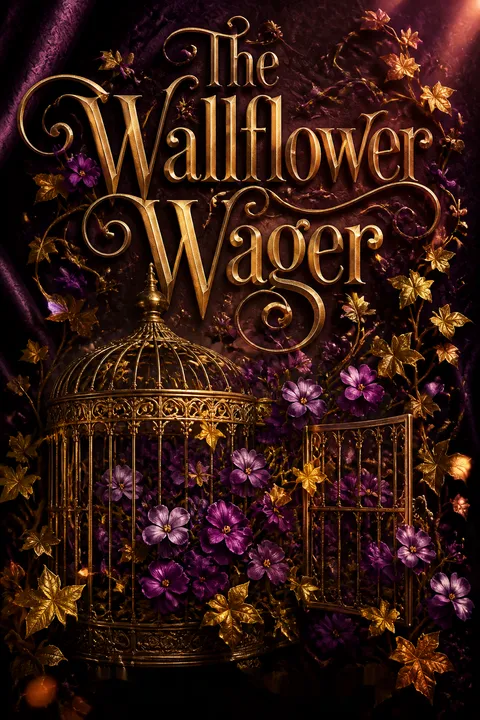
Lady Penelope "Penny" Campion's night is upended when her beloved parrot, Delilah, escapes into the neighboring, long-vacant house. Penny's rescue mission leads her into the arms—quite literally—of the new owner, Gabriel Duke, a self-made man with a fearsome reputation as the "Duke of Ruin." Their midnight encounter is awkward, intimate, and sets the tone for their relationship: Penny's compassion and eccentricity clash with Gabriel's blunt pragmatism. The incident exposes Penny's vulnerability and Gabriel's unexpected patience, hinting at the emotional and social obstacles both will face. The parrot's flight is more than a comic mishap; it's the catalyst for two lonely souls to collide, setting in motion a story of healing, trust, and transformation.
The Duke Next Door
Gabriel Duke, intent on selling his newly acquired Mayfair property for a fortune, is dismayed to discover his neighbor is not the reclusive, unappealing spinster he expected, but a beautiful, kind-hearted woman surrounded by a menagerie of rescued animals. Penny's unconventional household is a thorn in Gabriel's side, threatening his investment. Their first daylight meeting is fraught with tension and misunderstanding, but also a spark of mutual fascination. Gabriel's ruthlessness is matched by Penny's stubbornness, and both are forced to confront their assumptions about class, worth, and the meaning of home. The stage is set for a battle of wills, with the fate of Penny's animals—and her independence—hanging in the balance.
Ultimatum and Wager
Penny's comfortable, if eccentric, life is threatened when her brother and aunt issue an ultimatum: find respectable homes for her animals, rejoin society, and prove she belongs in London—or return to the family estate in Cumberland. Penny is devastated but determined. Her aunt's challenge becomes a wager: if Penny can transform her reputation and relinquish her pets within three weeks, she may stay. The stakes are high, not just for Penny's future, but for the vulnerable creatures she loves. Gabriel, seeing his own interests aligned with Penny's, offers his help—though his motives are far from altruistic. The wager becomes a crucible, testing Penny's courage and Gabriel's capacity for empathy.
Unlikely Allies
Penny and Gabriel, each with their own agenda, strike a bargain: he will help her find homes for her animals and navigate the treacherous waters of London society; she will do her best to become the kind of neighbor who won't scare off his buyers. Their alliance is uneasy, complicated by mutual attraction and the interference of Penny's fiercely loyal friends. As they work together—rescuing a dog from a coal chute, wrangling a goat, and negotiating with a parade of would-be adopters—they begin to see past each other's defenses. The animals, once obstacles, become bridges, forcing Gabriel to confront his own hunger for belonging and Penny to risk her heart.
The Wallflower's Challenge
Penny's friends rally to her side, offering support and skepticism in equal measure. The challenge of reentering society is daunting; Penny's past humiliations and deep-seated shame make every step a trial. Gabriel's reputation as a ruthless outsider complicates matters, drawing suspicion and gossip. Yet, as Penny acquires a new wardrobe and prepares for her social debut, she discovers unexpected reserves of strength. The wager is no longer just about staying in London—it's about reclaiming her sense of self. Gabriel, meanwhile, is drawn ever deeper into Penny's world, his carefully constructed barriers eroding in the face of her kindness and resilience.
Kisses and Complications
A series of charged encounters—rescues, arguments, and accidental kisses—bring Penny and Gabriel closer, blurring the lines between alliance and attraction. Their chemistry is undeniable, but both are haunted by the fear of rejection and the scars of their pasts. Penny's innocence is not what it seems, and Gabriel's cynicism masks a profound longing for acceptance. As they navigate the logistics of animal adoptions and social obligations, their emotional entanglement deepens. Each kiss is a negotiation, a test of trust, and a step toward healing. The complications of desire threaten to derail their plans, but also offer the promise of something real and lasting.
The Animal Inventory
The practicalities of finding homes for Penny's animals reveal the depth of her attachment—and the challenge of true change. Gabriel's attempts at efficiency clash with Penny's insistence on loving, safe placements. Their journey takes them from city to countryside, from comic mishaps to moments of genuine connection. Each animal represents a piece of Penny's heart, and each farewell is a small act of courage. Gabriel, for all his bluster, is moved by her devotion, and begins to see the value in vulnerability. The process of letting go becomes a metaphor for both characters' journeys: to find love, they must risk loss.
Social Reentry Schemes
Penny's reentry into society is orchestrated with military precision by her friends and Gabriel, culminating in a masquerade ball. Disguised and emboldened, Penny faces her old tormentors and the ghosts of her past. Gabriel, hidden behind a suit of armor, becomes her unlikely champion. The masquerade is both literal and symbolic—a test of whether Penny can shed her wallflower status and claim her place in the world. The night is a triumph, but also a reminder that true transformation requires more than a new gown or a clever disguise. The masks must eventually come off.
A Country Interlude
A journey to the countryside to rehome an otter becomes an unexpected romantic interlude. Stranded by a broken carriage, Penny and Gabriel share a picnic, confessions, and a passionate encounter by the riverbank. The natural world, with its risks and freedoms, contrasts sharply with the constraints of London society. In the wild, they are free to be themselves—vulnerable, honest, and deeply connected. The interlude is a turning point, stripping away pretense and forcing both to confront the depth of their feelings. The return to London brings new challenges, but also a sense of hope.
Riverbank Revelations
The intimacy of the countryside exposes old wounds. Gabriel's childhood of poverty and neglect, and Penny's secret shame, come to light. Their confessions are raw and painful, but also cathartic. The river becomes a place of both literal and emotional cleansing. Their physical union is not just an expression of desire, but an act of trust and reclamation. For Penny, it is a chance to rewrite the narrative of her own worth; for Gabriel, it is a step toward believing he can be loved. The revelations of the riverbank echo through the rest of their journey.
Gowns, Guilt, and Gossip
Back in London, the consequences of Penny and Gabriel's growing intimacy become apparent. Gossip swirls, reputations are at stake, and family pressures mount. Penny's new wardrobe and social successes are overshadowed by the ever-present threat of scandal. Gabriel's efforts to protect her—sometimes misguided, sometimes heroic—reveal both his love and his fear. The tension between public perception and private truth reaches a breaking point, forcing both to make difficult choices. The support of friends is crucial, but ultimately, Penny and Gabriel must decide what they are willing to risk for each other.
The Masquerade's Mask
The grand ball at Gabriel's house is both a culmination and a crucible. Penny, resplendent in her new gown, faces the society that once shunned her. Gabriel, determined to do things "properly," orchestrates every detail, but cannot control the outcome. Old enemies and new allies converge, secrets threaten to spill, and the stakes are higher than ever. The ball is a test of courage, love, and self-acceptance. When the masks come off, Penny and Gabriel must confront not only society's judgment, but their own fears and desires.
The Ball and the Beast
The ball brings long-buried secrets to the surface. Penny's past trauma is revealed, and Gabriel's own history of ruthlessness is laid bare. Family loyalties are strained, and the threat of violence looms. A duel is proposed, forcing Gabriel to choose between vengeance and love. Penny, refusing to be a passive victim, takes control of her own narrative. The confrontation is both dramatic and cathartic, breaking the cycle of shame and silence. In the aftermath, Penny and Gabriel must decide what kind of future they want to build—together, and on their own terms.
Secrets Unveiled
The aftermath of the ball is a time of reckoning. Penny confronts her family, Gabriel faces his own demons, and both must learn to trust not only each other, but themselves. The process is painful, but also liberating. By speaking the truth, Penny reclaims her agency and her dignity. Gabriel, in turn, learns that love is not a transaction, but a gift freely given. Their friends and found family rally around them, offering support and perspective. The secrets that once threatened to destroy them become the foundation for a new, stronger bond.
The Duel of Pasts
The proposed duel between Gabriel and Penny's abuser is a crucible for both characters. Gabriel's desire for vengeance is tempered by Penny's insistence on agency and justice. In a dramatic confrontation, Penny exposes her abuser, claims her power, and sets the terms of his exile. Gabriel, for all his strength, learns that true courage lies in supporting Penny's choices, not avenging her pain. The duel is not fought with pistols, but with truth and resolve. The past is not erased, but it is finally laid to rest.
The Power of No
As Penny prepares for her wedding, she is confronted by the expectations of family and society. Her decision to walk down the aisle on her own terms—refusing to be "given away"—is a powerful assertion of autonomy. Gabriel, too, must relinquish his need for control and accept that love cannot be bought or bargained for. Their union is not a reward for suffering, but a celebration of survival, resilience, and mutual respect. The power of "no"—to shame, to silence, to the dictates of others—becomes the foundation of their "yes" to each other.
The Reckoning
In the aftermath of their trials, Penny and Gabriel build a life together that honors both their wounds and their hopes. The animals that once symbolized Penny's isolation become a source of joy and community. Gabriel's orphanage flourishes, and Penny's farm becomes a haven for the unwanted. Their marriage is not an escape, but a homecoming—for themselves and for all those they welcome into their circle. The past is not forgotten, but it is transformed. The "Duchess of Ruin" becomes a title of pride, not shame.
The Duchess of Ruin
Years later, Penny and Gabriel's home is filled with laughter, animals, and the chaos of family life. The parrot still refuses to say "I love you," but the words are everywhere—in actions, in shared glances, in the lives they've touched. Their journey from loneliness and pain to joy and belonging is complete, but never finished. The lessons of their story—about courage, compassion, and the power of chosen family—echo in every corner of their world. The wallflower has bloomed, and the Duke of Ruin has found redemption—not in society's eyes, but in the heart of the woman he loves.
Analysis
Tessa Dare's The Wallflower Wager is a masterclass in blending humor, heart, and hard-won healing within the framework of historical romance. At its core, the novel is a story about the courage to be seen—by oneself, by others, and by the world. Penny's journey from shame and isolation to self-acceptance and joy is both deeply personal and universally resonant, offering a blueprint for reclaiming agency after trauma. Gabriel's arc, meanwhile, interrogates the myth of the self-made man, revealing the limits of control and the necessity of vulnerability. The novel's use of animals, found family, and comic set-pieces is not mere window dressing, but integral to its message: that love is messy, communal, and often arrives in unexpected forms. In a modern context, The Wallflower Wager speaks to the ongoing struggle for women's autonomy, the importance of believing survivors, and the transformative power of chosen family. Its lessons are clear: healing is possible, love is worth the risk, and even the most wounded wallflower can bloom.
Review Summary
The Wallflower Wager features Lady Penelope Campion, an animal-loving spinster, and Gabriel Duke, the ruthless "Duke of Ruin." When Penny's family pressures her to rejoin society, Gabriel agrees to help rehome her menagerie in exchange for helping his property sale. Readers praised Tessa Dare's signature humor, witty banter, and steamy romance. The quirky animals—especially a foul-mouthed parrot—provided comic relief. Most reviewers loved the opposites-attract chemistry and heartwarming story, though some found it formulaic or felt the heroine's childhood trauma wasn't adequately developed. Overall, fans appreciated the feel-good, charming romance.
People Also Read
Characters
Lady Penelope "Penny" Campion
Penny is the heart of the story—a gentlewoman whose eccentric devotion to rescuing unwanted animals masks deep emotional scars. Haunted by childhood trauma and social humiliation, she has retreated from society, finding solace in her menagerie and a small circle of loyal friends. Penny's journey is one of reclaiming agency: forced by family ultimatum to change or leave, she confronts her fears, challenges societal norms, and ultimately refuses to be defined by shame. Her kindness is both her strength and her vulnerability, drawing others in but leaving her open to hurt. Through her relationship with Gabriel, Penny learns to trust, to desire, and to assert her own worth. Her arc is a testament to resilience, the healing power of love, and the courage to be seen.
Gabriel Duke
Gabriel is a man forged by hardship—a former street urchin who has clawed his way to wealth and influence, earning the moniker "Duke of Ruin" for his merciless business dealings. His rough exterior hides a profound hunger for acceptance and a terror of vulnerability. Gabriel's initial motives are transactional, but Penny's compassion and stubbornness awaken a longing for connection he has long denied. His journey is one of unlearning: relinquishing control, embracing empathy, and accepting that love cannot be bought or bargained for. Gabriel's psychological complexity—his shame, anger, and capacity for tenderness—make him both a formidable adversary and a deeply sympathetic hero. His redemption is hard-won, rooted in humility and the willingness to be changed by love.
Aunt Caroline
Penny's aunt is the voice of family and societal expectation—a woman who values propriety, reputation, and order. Her ultimatum sets the plot in motion, forcing Penny to confront her fears and limitations. Though often stern and unsentimental, Aunt Caroline's actions are motivated by concern for Penny's future. Over time, she reveals unexpected flexibility and loyalty, becoming an ally in Penny's quest for autonomy. Her evolution mirrors the story's larger themes: the possibility of change, the importance of listening, and the power of chosen family.
The Wallflower Friends (Emma, Alexandra, Nicola)
Penny's friends are her lifeline—each a misfit in her own way, each offering a different kind of support. Emma, the practical seamstress-turned-duchess, provides both emotional and material aid. Alexandra, the brilliant astronomer, offers perspective and encouragement. Nicola, the eccentric inventor, brings humor and unconventional wisdom. Together, they form a found family, challenging Penny to be brave and holding her accountable when she falters. Their presence underscores the story's message that healing and happiness are communal endeavors.
Bradford Campion
Bradford represents the limitations of traditional family support. His inability to see Penny's suffering, and his initial loyalty to her abuser, are sources of pain and conflict. Yet, when confronted with the truth, he is capable of growth and reconciliation. Bradford's arc is a reminder that love alone is not enough; it must be accompanied by listening, belief, and action.
Mr. Lambert
Lambert is the antagonist not just in action, but in memory—a man who abused Penny's trust and innocence, then hid behind social respectability. His presence in the narrative forces Penny to confront her deepest wounds and claim her power. Lambert's eventual downfall is not just a victory for Penny, but a repudiation of the silence and complicity that enable abuse.
Mrs. Burns
Mrs. Burns is a figure of both comic relief and quiet strength. Her loyalty to the house and its legacy mirrors Penny's own attachment to home. Her interactions with Gabriel and the staff highlight the importance of unseen labor and the ways in which women wield power behind the scenes.
Bixby, Marigold, Angus, Delilah, and the Menagerie
The animals in Penny's care are more than comic sidekicks; they are extensions of her heart, embodiments of her need to nurture and be needed. Each animal's story parallels Penny's own journey—wounded, unwanted, but ultimately finding a place of safety and love. Their presence challenges Gabriel's cynicism and provides moments of levity, but also serve as metaphors for the risks and rewards of opening one's heart.
Ashbury and Chase
As husbands to Penny's closest friends, Ashbury and Chase represent both the dangers and the possibilities of male power. Their initial suspicion of Gabriel and their willingness to resort to violence reflect the limitations of traditional masculinity, but their eventual support and willingness to listen mark them as true allies.
Delilah the Parrot
Delilah's refusal to say "I love you," despite endless repetition, is both a running joke and a poignant metaphor for the difficulty of expressing and receiving love. Her presence at key moments underscores the story's blend of humor and heart.
Plot Devices
The Wager and the Ultimatum
The central plot device is the wager imposed by Penny's family: she must rehome her animals and rejoin society within three weeks or be exiled to the country. This ultimatum creates urgency, forces action, and provides a clear structure for Penny's journey. It also serves as a metaphor for the pressures women face to conform, and the ways in which love and self-acceptance must be fought for.
The Menagerie as Mirror
Penny's collection of wounded animals is both literal and symbolic—a reflection of her own woundedness and her capacity for healing. Each animal's story parallels a stage in Penny's journey, and the process of letting them go becomes a rehearsal for the greater risk of loving and being loved.
Social Reentry and the Masquerade
The challenges of reentering society—new gowns, balls, gossip—are not just external hurdles, but internal ones. The masquerade ball, in particular, is a device for exploring identity, courage, and the tension between appearance and reality. The masks allow Penny to experiment with new ways of being, but ultimately, true transformation requires unmasking.
The Past as Present
The narrative structure weaves past and present, using confessions, flashbacks, and confrontations to bring buried pain to the surface. The duel, the ball, and the final reckoning with Lambert are all devices for externalizing internal struggles, allowing Penny and Gabriel to reclaim their stories.
Found Family and Chosen Community
The presence of loyal friends, supportive staff, and eventually, a loving partner, is a recurring device. The story insists that healing is not a solitary endeavor, and that true family is chosen as much as inherited.
Humor and Levity
The use of animals, eccentric friends, and running jokes (like Delilah's vocabulary) provides necessary lightness, preventing the narrative from becoming mired in trauma. Humor is not just a distraction, but a survival strategy—a way of reclaiming joy in the face of pain.
Girl Meets Duke Series

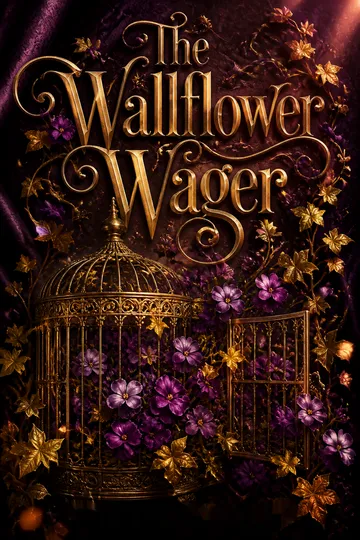
About the Author
Other books by Tessa Dare

Download PDF
Download EPUB
.epub digital book format is ideal for reading ebooks on phones, tablets, and e-readers.








































