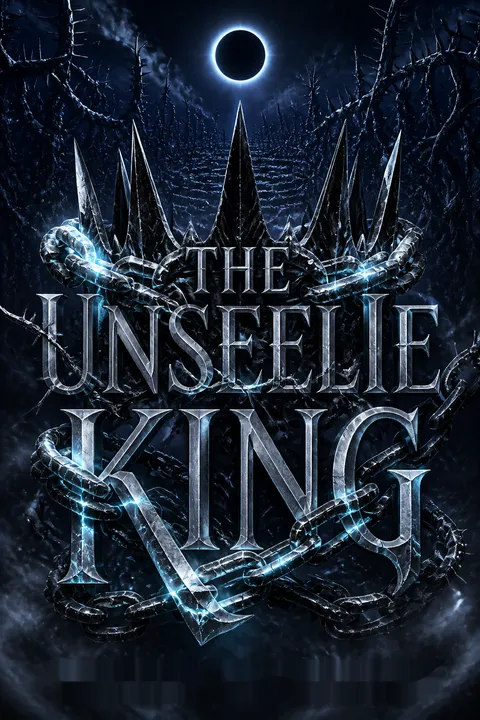

Plot Summary
Ashes of the Seelie King
Titania mourns Oberon, her beloved king, whose death at Valroy's hand leaves the Seelie Court in chaos. The funeral is a somber spectacle, with Oberon's body transformed into a mighty ash tree, symbolizing both loss and endurance. Titania's sorrow is raw, her sense of purpose shaken. The Seelie are leaderless, and the natural order is upended. Meanwhile, Abigail awakens alone, her own world fractured by betrayal and uncertainty. The court's grief is mirrored in the land itself, as the seasons begin to shift, foreshadowing the coming storm. The death of Oberon is not just a personal tragedy but a catalyst for the unraveling of ancient balances, setting the stage for a struggle that will test the hearts and loyalties of all.
Curses Broken, Bonds Forged
Abigail's loneliness is interrupted by the miraculous return of Puck to his true form, freed from his canine curse by Abigail's unintentional wish. Their reunion is chaotic, humorous, and deeply touching, as Puck's irreverence and loyalty bring much-needed levity. Puck pledges himself to Abigail, recognizing her as a queen in her own right. Their bond is forged in shared pain and laughter, a new alliance in a world where trust is rare. Abigail's power is growing, even as she struggles to understand her place. The restoration of Puck is a small victory, a reminder that even in darkness, friendship and unexpected magic can change the course of fate.
Chains and Choices
Abigail learns of Valroy's brutal imprisonment, chained and tortured by Titania's wrath. Driven by love and desperation, she risks everything to see him, aided by Puck's cunning. The sight of Valroy's suffering is harrowing, and Abigail is torn between her heart and the looming threat of war. Titania confronts Abigail, offering a cold bargain: peace in exchange for Valroy's death. Abigail is forced to confront the impossible—free Valroy and unleash chaos, or let him suffer for the sake of peace. The chapter is a crucible of emotion, where love, guilt, and the weight of destiny collide, and the seeds of future conflict are sown.
Prisoners and Promises
Perin rescues a wounded Anfar, revealing the deep bonds of care and the pain of unspoken love. Meanwhile, Abigail faces her own court, denouncing her guardians Bayodan and Cruinn for their betrayal. She refuses vengeance, instead breaking their bonds and leaving judgment to Valroy. The Unseelie court is restless, questioning Abigail's loyalty and her right to rule. She is caught between worlds, neither fully Seelie nor Unseelie, and her only certainty is her determination to protect her friends. The chapter explores the cost of loyalty, the pain of betrayal, and the fragile hope that forgiveness might bring.
The Price of Betrayal
Valroy, freed by the intervention of friends, exacts judgment on Bayodan and Cruinn. Abigail intervenes, bargaining for mercy and taking on the burden of punishment herself. The act is both a display of power and compassion, as she sacrifices her own peace to spare others. The court witnesses a new kind of leadership—one that values mercy over retribution. Yet, the scars of betrayal linger, and the threat of war looms ever closer. The chapter is a meditation on justice, the limits of forgiveness, and the heavy crown of leadership.
The Lake of Sorrows
Titania, desperate to end Valroy, attempts to drown him in the Lake of Sorrows, a place of dissolution and oblivion. Abigail, warned by Puck, races to say goodbye, torn between mercy and love. The lake becomes a symbol of impossible choices—whether to let Valroy suffer an eternal, painless death or to risk everything by freeing him. The confrontation with Titania is fraught with grief and resignation, as both queens realize the futility of their positions. The chapter is a haunting exploration of sacrifice, the limits of power, and the agony of loving a monster.
Mercy or Love
Seeking guidance, Abigail prays to the Morrigan and is granted a vision of the Maze's heart—a monstrous, blood-soaked tree, pulsing with violence and death. She realizes, with horror, that Valroy is the Maze itself, an ancient force of destruction given form. The revelation shatters her, forcing her to confront the true nature of the man she loves. The choice before her is stark: kill Valroy and save the world, or free him and risk annihilation. The chapter is a turning point, where destiny, love, and the burden of impossible knowledge converge.
The Heart of the Maze
Abigail confronts Valroy, demanding the truth. He reveals his origin as a primordial force, bound by the Morrigan to destroy or protect, depending on the whims of fate. Their love is both a curse and a salvation, a bond that defies the logic of gods and monsters. Abigail's understanding of the Maze, and her place within it, deepens. The heart of the Maze is not just a place but a living memory, a testament to the cycles of violence and the hope for redemption. The chapter is a confession, a reckoning, and a fragile promise of something more.
War's Eve
As Valroy recovers, the courts of Seelie and Unseelie prepare for war. Titania, broken and alone, seeks guidance from Dagda and receives a vision of hope—Abigail as the savior of their people. The seasons shift, reflecting the turmoil within. Anfar and Perin's love deepens, offering a rare moment of peace amid chaos. Abigail, now both Seelie and Unseelie queen, is thrust into leadership, her every decision weighted with the fate of worlds. The chapter is a gathering storm, where alliances are tested, and the cost of survival becomes clear.
The Queen of Winter
Imprisoned by Valroy, Abigail's body and power change with the season, marking her as the true Queen of Winter. Her captivity is both a torment and a crucible, forging her resolve. Friends risk everything to free her, and the bonds of love and loyalty are tested to their limits. The world outside braces for war, while inside the Maze, Abigail and Valroy's relationship becomes a microcosm of the larger conflict—love and violence, captivity and freedom, hope and despair. The chapter is a meditation on change, resilience, and the power of identity.
The Unraveling of Friends
The rescue of Abigail comes at a terrible cost. Cruinn is shattered into a million pieces, Bayodan is maimed, and Anfar and Perin barely escape Valroy's wrath. The group is fractured, their victory bittersweet. The war is now inevitable, and the lines between friend and enemy blur. The chapter is a lament for what is lost, a tribute to the courage of those who stand against darkness, and a reminder that even the smallest acts of defiance can change the course of fate.
The Last Game
Abigail, now fully queen, buries Titania and claims her place as leader. The armies of Seelie and Unseelie gather, the world poised on the edge of annihilation. Valroy, consumed by rage and grief, prepares for his ultimate war. The Maze itself becomes a battlefield, its corridors echoing with the footsteps of destiny. Abigail and Valroy are set on a collision course, their love and hatred entwined. The chapter is a breath held before the plunge, a moment of stillness before the storm.
The Tree of Death
Abigail, guided by visions and the advice of friends, finds her way to the heart of the Maze—the ancient, weapon-studded tree. Here, the final choice must be made. Valroy, desperate and broken, confronts her, and their battle is as much emotional as physical. The tree is both a symbol and a reality—the source of Valroy's power and the key to his destruction. The chapter is a crucible, where love, violence, and destiny are forged into something new.
Surrender and Survival
In the heart of the Maze, Abigail refuses to kill Valroy, and he cannot bring himself to kill her. Instead, they forge a new pact—a personal war, a game of endless pursuit and resistance, where neither can truly win or lose. Their love survives, transformed by pain and understanding. The world is spared, but peace is uneasy and fragile. The chapter is a meditation on surrender—not as defeat, but as a choice to live, to love, and to fight another day.
The New Seelie Queen
Abigail is crowned Seelie Queen, her authority accepted by most, though not all. She promises peace, but knows it will be a constant struggle. The scars of war and betrayal linger, but hope flickers in the bonds of friendship and love. The chapter is a new beginning, where the lessons of the past shape the uncertain future.
Lovers and Enemies
Abigail and Valroy's relationship becomes a dance of opposition and desire, each testing the other's limits. Their intimacy is both a battlefield and a sanctuary, a place where they can be honest, vulnerable, and fierce. The world watches, uncertain whether their love will save or doom them all. The chapter is a celebration of passion, resilience, and the refusal to surrender to despair.
The War of Two
With the world spared from annihilation, Abigail and Valroy's struggle becomes personal—a game of wits, power, and love. Their battles are fierce, but the stakes are no longer the fate of worlds, but the fate of their own hearts. Friends and allies find their own peace, rebuilding from the ashes. The chapter is a testament to the power of choice, the endurance of love, and the hope that even monsters can change.
Endings and Beginnings
The world is changed, but not destroyed. Abigail rules as Seelie Queen, forging a new era of uneasy peace. Valroy remains at her side, both lover and adversary, their game unending. Friends are reunited, old wounds begin to heal, and the promise of new adventures lingers. The story ends not with triumph or defeat, but with the quiet certainty that life, love, and struggle will go on.
Analysis
A modern fable of power, love, and the cost of peaceThe Unseelie King is a story about the impossibility of easy answers in a world defined by violence, betrayal, and love. At its heart, it asks whether monsters can be redeemed, whether love can survive the knowledge of darkness, and whether peace is ever more than a temporary truce. The novel subverts the traditional fantasy arc of good triumphing over evil; instead, it offers a more nuanced vision, where the greatest victories are acts of mercy, and the most profound losses are those of innocence and trust. Abigail's journey from outsider to queen is a meditation on the burdens of leadership, the necessity of forgiveness, and the courage to choose one's own path. Valroy's arc is a tragedy of self-awareness—a monster who longs for love but cannot escape his nature. The supporting cast—each marked by their own wounds and hopes—remind us that heroism is found in small acts of loyalty and kindness. The story's refusal to offer a final resolution is its greatest strength; it acknowledges that peace, like love, is a daily struggle, and that the true victory is the willingness to keep fighting for a better world, even when the odds seem insurmountable.
Review Summary
The Unseelie King receives polarized reviews averaging 3.93/5 stars. Critics cite disappointing character development, particularly Abigail's indecisiveness and inability to commit to choices. Many find Valroy's cruelty excessive and unacceptable, questioning why Abigail loves him despite his abusive behavior. Reviewers criticize the rushed, anticlimactic ending and problematic consent issues throughout. Some mention rape threats and violence as dealbreakers. However, supporters praise the dark fantasy worldbuilding, complex character dynamics, and unconventional resolution. Side characters Anfar and Perin receive positive mentions. Overall, readers either love the morally-gray villain romance or find it toxic and poorly executed.
People Also Read

Characters
Abigail Moore
Abigail is the heart of the story—a mortal-turned-fae, thrust into power she never sought. Her journey is one of transformation, from a frightened outsider to a queen who commands the seasons and the loyalty of two courts. Abigail's greatest strength is her compassion; she forgives where others would punish, and seeks peace even when surrounded by violence. Her love for Valroy is both her greatest vulnerability and her source of power, forcing her to confront impossible choices. Psychologically, Abigail is defined by her empathy, her fear of failing those she loves, and her refusal to become a monster, even when the world demands it. Her development is a testament to the power of mercy, resilience, and the courage to choose one's own fate.
Valroy, the Unseelie King
Valroy is both the villain and the tragic hero—a being born of chaos, bound by the Morrigan to destroy or protect. His love for Abigail is genuine, but it wars with his nature as a bringer of death. Valroy is charismatic, cruel, and deeply wounded, haunted by betrayal and the knowledge that he can never truly change. His psychological complexity lies in his self-awareness; he knows he is a monster, but yearns for acceptance and love. His relationship with Abigail is a constant struggle between domination and surrender, violence and tenderness. Over the course of the story, Valroy is forced to confront the limits of his power and the possibility of redemption, even as he remains a threat to all.
Titania
Titania is the embodiment of regal sorrow and ruthless pragmatism. Her love for Oberon is genuine, but her grief drives her to desperate measures. She is both a victim and a perpetrator, orchestrating betrayals in the name of peace. Titania's psychological depth comes from her inability to let go—of love, of power, of the past. Her interactions with Abigail are fraught with envy, regret, and a longing for connection. In the end, Titania's suicide is both an act of defiance and surrender, passing the burden of leadership to Abigail and ensuring the survival of her people at the cost of her own life.
Puck (Robin Goodfellow)
Puck is the wild card—a being who exists in all times and places, whose madness is both a mask and a shield. His humor and irreverence hide a deep loneliness, as he is always out of step with the world. Puck's loyalty to Abigail is unwavering, and his interventions are often the difference between disaster and survival. Psychologically, Puck is defined by his need to be needed, his fear of abandonment, and his delight in chaos. He is both comic relief and a reminder that even the most unpredictable souls can be true friends.
Anfar
Anfar is a creature of the deep, both literally and emotionally. His strength is matched by his vulnerability, especially in his relationship with Perin. Anfar's journey is one of self-acceptance, learning to believe that he can be loved despite his monstrous nature. His loyalty to Abigail and Valroy is tested by betrayal and loss, but he remains steadfast. Psychologically, Anfar is marked by a fear of abandonment, a longing for connection, and a quiet courage that emerges in moments of crisis.
Perin
Perin is the everyman—a selkie caught in events beyond his control, whose love for Anfar gives him strength. He is practical, kind, and often the voice of reason amid chaos. Perin's psychological arc is one of growing confidence, as he moves from self-doubt to quiet heroism. His relationship with Anfar is a source of healing for them both, a reminder that even in a world of gods and monsters, ordinary love can change everything.
Bayodan
Bayodan is a figure of strength and sorrow, whose betrayal of Valroy is motivated by a desperate need to protect Abigail. His actions are both selfish and selfless, and he pays a heavy price for his choices. Psychologically, Bayodan is defined by his sense of duty, his capacity for sacrifice, and his struggle to reconcile loyalty with morality. His relationship with Cruinn and Abigail is complex, marked by love, regret, and a longing for forgiveness.
Cruinn
Cruinn is a being of many forms, but their true self is marked by vulnerability and remorse. Their betrayal of Valroy and Anfar is a wound that never fully heals, and their eventual shattering is both a punishment and a release. Psychologically, Cruinn is driven by a need for belonging, a fear of rejection, and a willingness to sacrifice themselves for those they love. Their journey is one of atonement, and their eventual restoration is a symbol of hope.
Uri
Uri is the heart of the Seelie—a humble hearth elf who rises to unexpected leadership. Her courage is quiet but profound, and her loyalty to Abigail is unwavering. Uri's psychological strength lies in her ability to find hope in the darkest moments, to bring comfort and order amid chaos. She is a reminder that heroism comes in many forms, and that even the smallest voices can shape the fate of worlds.
The Morrigan
The Morrigan is the architect of much that transpires, her will shaping the destinies of mortals and immortals alike. She is both cruel and compassionate, offering guidance and tests in equal measure. Psychologically, the Morrigan is inscrutable, her motives hidden behind layers of prophecy and paradox. She is the embodiment of fate's indifference, a force that demands surrender and punishes hubris.
Plot Devices
Duality and the Maze
The central plot device is the Maze itself—a living, shifting labyrinth that is both a place and a person (Valroy). It represents the complexity of fate, the intertwining of love and violence, and the impossibility of simple choices. The Maze is a test, a prison, and a home, its corridors echoing the psychological journeys of the characters. The narrative structure mirrors the Maze, with twists, reversals, and revelations that force characters to confront their deepest fears and desires. Foreshadowing is woven throughout, with visions, dreams, and prophecies hinting at the true nature of Valroy and the choices to come. The use of seasons as a reflection of Abigail's power and growth is another key device, marking her transformation and the shifting balance of power. The story's climax—Abigail's journey to the heart of the Maze and her refusal to kill Valroy—subverts the expected resolution, replacing triumph with a fragile, ongoing struggle.
Maze of Shadows Series
About the Author
Other books by Kathryn Ann Kingsley
Download PDF
Download EPUB
.epub digital book format is ideal for reading ebooks on phones, tablets, and e-readers.








































