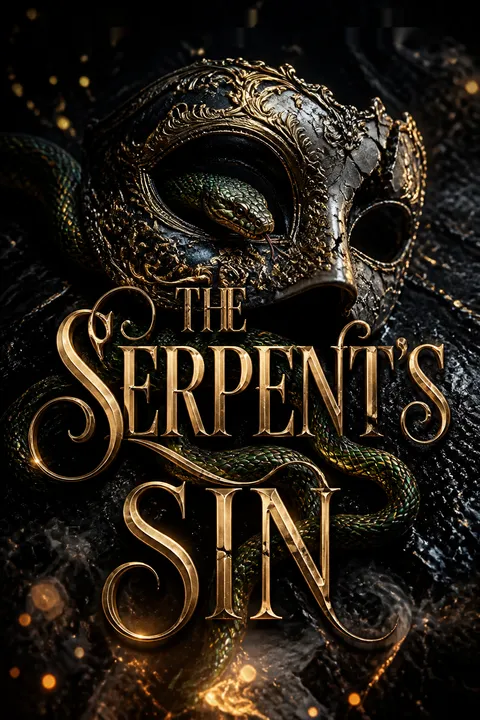

Plot Summary
Blood and Betrayal
Nadi, a fae shapeshifter bent on vengeance, finds herself at a macabre dinner with Raziel Nostrom, the vampire who slaughtered her family. Posing as Monica, his human bride, Nadi is forced to confront Raziel's chilling ambition: he wants her help to murder his entire family and seize control of the metropolis. The corpse of the real Monica sits at the table, a grim reminder of the stakes. Raziel's vision is grand and ruthless, but Nadi's laughter masks her terror and hatred. The power dynamic is fraught—she is both prisoner and potential accomplice, her every move shadowed by Raziel's predatory gaze. The night's violence and twisted intimacy set the tone for a story where love, hate, and survival are hopelessly entangled.
The Serpent's Proposal
Raziel reveals his true endgame: to throw the city into chaos, destroy his own family, and rule over vampires, humans, and fae alike. He sees himself as a new Lilivra, the legendary vampire matriarch. Nadi, still in disguise, is both repulsed and fascinated by his vision. Their conversation is a dance of threats and seduction, with Raziel holding a gun to her head and Nadi shifting forms to survive. The crypt beneath the chapel becomes a stage for their power struggle, as Raziel forces Nadi to confront the lies and rituals that bind their world. The tension between them is electric—hatred and desire war within Nadi, while Raziel's obsession with her deepens. The proposal is not just political, but personal: he wants her heart as much as her skills.
Masks and Motives
Nadi's ability to shapeshift is both her weapon and her curse. She navigates the treacherous Nostrom estate, constantly switching faces to survive Raziel's scrutiny and the suspicions of his family. Their relationship is a battlefield of manipulation and longing—each encounter blurs the line between enemy and lover. Raziel's cruelty is matched by moments of unexpected tenderness, leaving Nadi reeling. The past haunts them both: Nadi's murdered family, Raziel's abusive upbringing, and the lies that sustain the Nostrom dynasty. Every mask Nadi wears is a reminder of her mission, but also of the self she is losing in the process. The emotional stakes rise as their mutual obsession threatens to consume them both.
The Matriarch's Game
The Nostrom matriarch, Volencia, rules with an iron fist and a taste for humiliation. At a formal dinner, she forces Raziel to eat like a dog on the floor, asserting her dominance and punishing his defiance. Nadi, still playing Monica, witnesses the family's toxic dynamics: Lana's scheming, Mael's conflicted loyalty, and the ever-present threat of violence. Volencia's approval is a weapon, and her disapproval is deadly. The family's power struggles are mirrored in the city's shifting alliances, with rival vampire clans circling for weakness. Nadi's position is precarious—she is both asset and liability, her true nature a secret that could destroy her. The matriarch's game is one of survival, and Nadi must decide how far she is willing to go to win.
Fangs and Forgiveness
In a rare moment of vulnerability, Raziel reveals the horrors of his childhood: torture, starvation, and drowning at the hands of his mother. His cruelty is not innate, but learned—a survival mechanism in a world that rewards monsters. Nadi, haunted by her own losses, finds herself empathizing with the man she swore to kill. Their shared pain becomes a bridge, but also a trap. Forgiveness is impossible, but understanding is seductive. The emotional intimacy between them deepens, blurring the boundaries of vengeance and desire. Both are shaped by violence, and both are searching for something beyond it—even as they remain trapped in its cycle.
The Ledger's Secret
Nadi is sent to infiltrate Braen Rosov's club, The Poisoned Serpent, to uncover his secrets. Disguised as staff, she witnesses the depravity of the vampire elite: drug deals, sex trafficking, and the enslavement of fae. The discovery of a hidden ledger—detailing the sale of fae captives—becomes the key to blackmailing Braen and shifting the balance of power. But the mission is a moral crucible for Nadi, forcing her to confront the suffering of her own people and the compromises she has made. The truth is a weapon, but it comes at a price: her sense of self, her alliances, and her hope for redemption.
Fae in the Shadows
The city is a web of spies and double agents. Nadi's true identity is increasingly at risk, as both Mael and Lana begin to suspect her. The fae are not just victims—they are infiltrators, with their own agendas and secrets. Nadi encounters a fae woman working undercover, a reminder that she is not alone in her struggle. The lines between friend and foe blur, as offers of alliance and threats of betrayal come from every side. Nadi must decide whom to trust, knowing that any choice could be fatal. The shadows are full of eyes, and every secret is a potential death sentence.
The Wedding Pact
Lana's wedding to Zabriel Rosov is more than a union—it is a political gambit to unite two vampire dynasties and crush their enemies. The ceremony is a spectacle of beauty and menace, with every guest a potential conspirator. Nadi and Raziel plot to assassinate Mael during the festivities, using the chaos as cover. But the wedding is also a stage for shifting loyalties: Mael offers Nadi a place at his side, promising a new order for vampires and fae. Lana's ambitions are equally dangerous, and the threat of exposure hangs over Nadi like a blade. The pact is fragile, and the cost of failure is death.
Chaos at the Altar
The wedding descends into chaos as fae infiltrators attack, explosions rock the estate, and the carefully laid plans unravel. Nadi is torn between her mission and her feelings for Raziel, while Mael and Lana reveal their own deadly agendas. The matriarch Lilivra's cryptic presence looms over the carnage, her words echoing with prophecy and doom. In the confusion, Nadi seizes the chance to confront Volencia, the architect of her family's destruction. The altar becomes a battlefield, and every choice is a matter of life and death. The old order is dying, and the new one is born in blood.
The Price of Revenge
Nadi finally faces Volencia in a private study, dropping all disguises to reveal her true self. The confrontation is electric—decades of hatred and pain distilled into a single, brutal moment. Volencia's arrogance and cruelty are met with Nadi's righteous fury. The murder is intimate and savage, a reckoning for every life lost. But revenge is not a clean victory—it leaves Nadi hollow, her purpose fulfilled but her future uncertain. The price of justice is the loss of innocence, and the realization that violence begets only more violence.
Coffin and Chains
Mael and Lana seize control, revealing their alliance and their plan to eliminate Raziel. He is chained in a silver coffin and cast into the sea, condemned to an eternity of drowning and madness. Nadi is given a choice: join the new order as Mael's consort, or disappear into the Wild. The betrayal is devastating—Raziel's love for Nadi is unspoken, and her loyalty is tested to the breaking point. The siblings' victory is total, but the cost is the destruction of everything that once bound the family together. The Serpent's reign ends not with a bang, but with a slow, suffocating descent into darkness.
Drowning in Memory
Trapped in the coffin, Raziel is forced to relive the traumas of his childhood: his father's violence, his mother's cruelty, and the endless cycle of abuse that made him a monster. Memories of Nadi haunt him—her touch, her forgiveness, her refusal to abandon him. The line between reality and nightmare blurs as he sinks deeper into madness. The only anchor is the memory of love, unspoken and unfulfilled. Drowning becomes a metaphor for the inescapable weight of guilt and regret. The past is a prison, and Raziel is its most faithful inmate.
The Wild's Embrace
Against all odds, Nadi returns to save Raziel, dragging his coffin from the depths and reviving him in the heart of the Wild. The underground world is a place of magic and danger, a stark contrast to the city's corruption. Here, Nadi is truly herself—no masks, no lies, only the raw truth of survival. Raziel's resurrection is both a miracle and a curse, as he must confront the consequences of his actions and the possibility of redemption. The Wild offers a new beginning, but also new threats. Together, they must decide what kind of future they are willing to fight for.
Choices in the Dark
Nadi and Raziel are forced to confront the reality of their relationship: enemies, lovers, or something more? The choices they make will determine not only their own fates, but the fate of the city and the Wild. Mael's offer of alliance is tempting, but fraught with danger. The cost of survival is the loss of certainty—every path is shadowed by betrayal and regret. In the darkness, love becomes both a weapon and a shield. The only way forward is together, but trust is the hardest thing to give.
The Enemy's Heart
The emotional climax of the story is a reckoning between Nadi and Raziel. Their passion is inseparable from their pain—every touch is a reminder of what they have lost and what they might still gain. The enemy's heart is a battlefield, and victory is measured in scars. Forgiveness is not a gift, but a struggle. The future is uncertain, but the bond between them is undeniable. In the end, love is not a cure, but a choice—a choice to fight, to survive, and to hope.
Siblings and Sacrifice
The Nostrom siblings—Mael, Lana, and Raziel—are each shaped by the legacy of violence and betrayal. Their ambitions collide in a final reckoning, with the city's future hanging in the balance. Sacrifice is inevitable: old loyalties must be broken, and new alliances forged. The cost of power is the loss of innocence, and the realization that family is both a blessing and a curse. The siblings' choices will echo for generations, shaping the world they leave behind.
The Matriarch Falls
Volencia's death marks the end of the old regime, but the new order is no less dangerous. Mael and Lana seize control, promising a future of integration and peace—but at what cost? The city is poised on the edge of transformation, and the Wild is rising. Nadi's victory is bittersweet—her revenge is complete, but her place in the world is uncertain. The matriarch's fall is both a triumph and a warning: power corrupts, and every victory sows the seeds of future conflict.
The Lovers' Dilemma
In the aftermath of violence and betrayal, Nadi and Raziel must decide what kind of life they want to build—together or apart. The Wild offers freedom, but also danger. The city is a place of memory and pain, but also possibility. Their love is a fragile thing, born of hatred and nurtured in suffering. The future is unwritten, and every choice is a leap into the unknown. The story ends not with certainty, but with hope—a hope that love can survive even the darkest of nights.
Analysis
Kathryn Ann Kingsley's The Serpent's Sin is a masterclass in dark fantasy romance, blending the visceral pleasures of gothic horror with the psychological depth of literary fiction. At its core, the novel is an exploration of trauma—how it shapes identity, distorts love, and perpetuates cycles of violence. The relationship between Nadi and Raziel is both the heart and the engine of the story: their mutual obsession is a crucible in which vengeance and forgiveness are forged, tested, and ultimately left unresolved. The book interrogates the nature of power—who wields it, who suffers under it, and what it costs to seize or surrender it. The use of shapeshifting as a plot device is particularly effective, serving as a metaphor for the masks we all wear to survive in hostile worlds. Kingsley refuses to offer easy answers: revenge is never clean, love is never pure, and survival is always a compromise. The novel's ending is both hopeful and unsettling, suggesting that the only way forward is through the darkness—together, if not unscathed. In a world where every victory is tainted and every alliance is suspect, The Serpent's Sin asks what it means to choose love over hate, and whether such a choice is ever truly possible.
Review Summary
The Serpent's Sin receives overwhelming praise as an exceptional sequel that intensifies the enemies-to-lovers dynamic between Nadi and Raziel. Readers applaud the maintained tension, morally gray characters, and dangerous chemistry despite their alliance. The book expands world-building with mafia-style vampire families, political intrigue, and deeper character development, particularly exploring Raziel's traumatic past. Reviewers highlight the fast pacing, unexpected twists, toxic family dynamics, and steamy spice that never loses its edge. The cliffhanger ending leaves readers desperate for book three, with many calling this Kathryn Ann Kingsley's best series yet.
People Also Read

Characters
Nadi Iltani
Nadi is a fae assassin whose life is defined by the massacre of her family at the hands of Raziel Nostrom. Gifted with the ability to shapeshift, she uses her power to infiltrate the vampire elite, posing as Monica, Raziel's human bride. Nadi is driven by a burning need for revenge, but her journey is one of transformation as much as deception. Her relationship with Raziel is a crucible—hatred and desire war within her, forcing her to confront the darkness in herself as well as in her enemy. Psychologically, Nadi is both predator and prey, her identity fractured by trauma and the masks she wears. Her arc is one of painful growth: from vengeance to understanding, from isolation to the possibility of love. Her choices are never simple, and her greatest enemy is often herself.
Raziel Nostrom
Raziel is the second son of the Nostrom dynasty, a vampire forged in cruelty and abuse. Raised by a sadistic mother and a family that values power above all, Raziel becomes the Serpent—a killer, torturer, and enforcer. His ambition is to destroy his own family and rule the city, but beneath the violence is a wounded child desperate for connection. His relationship with Nadi is both his salvation and his undoing: she is the only one who sees the man beneath the monster, and her forgiveness is a gift he cannot accept. Raziel's psychological complexity is rooted in trauma—he is both victim and perpetrator, shaped by forces beyond his control. His arc is a struggle for agency, for love, and for a future not defined by blood. In the end, he is both the architect of his own downfall and the hope for something better.
Volencia Nostrom
Volencia is the iron-fisted ruler of the Nostrom family, a vampire matriarch whose cruelty is legendary. She manipulates her children with humiliation, violence, and psychological warfare, shaping them into weapons for her own ambitions. Volencia's worldview is one of absolute control—she believes in the supremacy of vampires and the necessity of sacrifice. Her relationship with Raziel is particularly toxic, as she both fears and despises his potential. Volencia's death is the climax of Nadi's quest for revenge, but her legacy lingers in the scars she leaves behind. Psychologically, she is a study in narcissism and sadism, her power maintained through fear and manipulation. Her fall marks the end of an era, but also the beginning of new dangers.
Mael Nostrom
Mael is the eldest Nostrom sibling, a vampire who values stability and the preservation of the family above all. He is both rival and protector to Raziel, his loyalty complicated by jealousy and guilt. Mael's offer of alliance to Nadi is both genuine and self-serving—he sees in her the possibility of a new order, one that integrates vampires and fae. Psychologically, Mael is a pragmatist, willing to sacrifice individuals for the greater good. His relationship with Nadi is marked by respect and desire, but also by the shadow of his family's crimes. Mael's arc is one of compromise: he is willing to do whatever it takes to survive, even if it means betraying his own blood.
Lana Nostrom
Lana is the youngest Nostrom sibling, a vampire whose beauty masks a ruthless ambition. She delights in cruelty, both physical and psychological, and is a master of political intrigue. Lana's marriage to Zabriel Rosov is a calculated move to unite two dynasties, but her true loyalty is to herself. She is both ally and adversary to Nadi, her offers of partnership laced with threats. Psychologically, Lana is a narcissist, her need for control matched only by her capacity for deception. Her arc is one of ascent—she is always climbing, always scheming, always dangerous.
Zabriel Rosov
Zabriel is the second son of the Rosov vampire family, a man of quiet intelligence and hidden depths. His marriage to Lana is both a love match and a political alliance, designed to shift the balance of power in the city. Zabriel is less overtly cruel than his siblings, but his calm exterior hides a capacity for ruthlessness. He is a stabilizing force in the chaos of the wedding, but his true ambitions remain unclear. Psychologically, Zabriel is a survivor, willing to do whatever is necessary to protect his interests.
Braen Rosov
Braen is the eldest Rosov sibling, a vampire whose brutality is matched only by his paranoia. He is a trafficker, a sadist, and a man haunted by his own demons. His relationship with Raziel is complex—once lovers, now enemies, their history is a tangle of betrayal and longing. Braen's death is both a victory and a tragedy, a reminder that even monsters can be broken. Psychologically, Braen is a study in self-destruction, his violence a shield against his own vulnerability.
Ivan
Ivan is Raziel's bodyguard, a vampire of immense strength and quiet loyalty. He is the only person Raziel truly trusts, and his presence is a constant reminder of the cost of survival. Ivan is pragmatic, unflinching, and willing to do whatever is necessary to protect his charge. Psychologically, he is a survivor, shaped by violence but not defined by it. His relationship with Nadi is one of wary respect, and his role is often that of mediator and protector.
Lilivra
Lilivra is the original vampire, a figure of myth and power whose presence looms over the entire story. Her prophecies and manipulations shape the destinies of her descendants, and her approval is both a blessing and a curse. Lilivra is a symbol of the old order, her wisdom matched only by her ruthlessness. Psychologically, she is inscrutable, her motives hidden behind centuries of experience. Her appearance at the wedding is both a warning and a benediction.
Monica Valan
Monica is the human bride whose identity Nadi assumes. Her death is the spark that ignites the story's central conflict, and her absence is a constant reminder of the cost of survival. Monica is a symbol of innocence lost, her fate a warning to all who become entangled in the Nostroms' web. Psychologically, she is a blank slate, her role defined by the masks others wear in her name.
Plot Devices
Shapeshifting and Identity
The central plot device is Nadi's ability to shapeshift, which allows her to infiltrate the vampire elite and survive in a world that would otherwise destroy her. This device is both literal and metaphorical: every mask Nadi wears is a reflection of the fractured self she has become. The shifting of identities is mirrored in the story's structure, with constant reversals, betrayals, and revelations. The question of who Nadi truly is—assassin, lover, victim, or monster—is never fully answered, and the ambiguity is the source of both tension and growth.
Power Struggles and Political Intrigue
The story is structured around the shifting alliances and betrayals of the Nostrom family and their rivals. Every character is both hunter and hunted, their motives hidden behind layers of manipulation. The wedding is a classic set piece for political drama, with every guest a potential conspirator. The use of blackmail, assassination, and seduction as tools of power is central to the narrative. The plot is driven by the constant threat of exposure—every secret is a weapon, and every alliance is temporary.
Trauma and Memory
Both Nadi and Raziel are haunted by the traumas of their childhoods: the massacre of Nadi's family, the abuse Raziel suffered at the hands of his mother. These memories are not just backstory—they are active forces shaping every decision, every relationship, every act of violence. The use of flashbacks and confessions deepens the psychological realism of the story, making every act of forgiveness or betrayal feel earned. The past is never dead—it is always present, always demanding reckoning.
Love as Weapon and Salvation
The romance between Nadi and Raziel is both the engine of the plot and its greatest complication. Love is never simple—it is inseparable from hatred, guilt, and the need for survival. The story uses their relationship to explore the possibility of redemption, but never offers easy answers. Every act of intimacy is fraught with danger, and every moment of tenderness is shadowed by the threat of betrayal. Love is both a weapon and a shield, and its power is both destructive and transformative.
Foreshadowing and Prophecy
The story is laced with prophecies and warnings, from Lilivra's cryptic pronouncements to the constant reminders of past violence. Foreshadowing is used to build tension and to suggest that the characters are trapped in cycles they cannot escape. The question of destiny versus free will is central: are Nadi and Raziel doomed to repeat the sins of their ancestors, or can they forge a new path? The answer is left deliberately ambiguous, inviting the reader to decide.
Download PDF
Download EPUB
.epub digital book format is ideal for reading ebooks on phones, tablets, and e-readers.








































