
Plot Summary
Day of Darkness
Zilan, a girl marked by a mysterious childhood trauma, remembers a day of darkness that no one else recalls—a day when her world changed forever. Orphaned and left in the care of her aunt and uncle, she grows up in the shadow of secrets, haunted by the sense that something in her past is missing. Her parents are gone, her name is a remnant of a foreign father, and she is left with only questions and the wary love of her new family. This memory, vivid and surreal, becomes the silent engine of her ambition and her fear, setting the tone for a life spent searching for belonging and power in a world that seems determined to keep her on the margins.
Blood and Clay
In the bustling city of Guangzhou, Zilan's family runs a shop selling míngqì—clay funerary figurines for the dead. But their true survival depends on Zilan's forbidden skill: resurrection alchemy. She secretly revives corpses for desperate clients, risking execution for the sake of her family's future. The business of death is both practical and perilous, and Zilan's talent is both a blessing and a curse. Her cousins, Wenshu and Yufei, are her partners in both commerce and crime, and together they dream of escaping poverty by passing the imperial exams and moving to the capital. Yet, every transaction is a reminder that in this world, even miracles have a price.
The Price of Gold
In this alternate Tang dynasty, the discovery of life gold—an alchemical substance that halts aging—has transformed society. The rich gorge themselves on gold, their bodies ageless but still vulnerable to violence and disease. The poor, meanwhile, are left to barter for scraps and bury their dead with clay substitutes. Zilan's family is caught in this widening chasm, forced to navigate the shifting value of gold and the ever-increasing demands of corrupt officials. The city's underbelly is a place of blood, bargains, and quiet rebellion, where every act of alchemy is both a defiance and a survival tactic.
Resurrection's Cost
Zilan's ability to resurrect the dead is not without consequence. Each act requires blood, ritual, and the cooperation of her cousins, and the process is as harrowing as it is miraculous. The revived return changed, and the true cost of such power is uncertain. Zilan is haunted by the suspicion that every act of creation brings evil in its wake, and that the universe always demands payment. Her family's hopes for a better life rest on her dangerous gift, but the shadow of punishment—and the mystery of what resurrection truly takes—hangs over them all.
The Prince's Bargain
When a stranger from the capital arrives, Zilan is drawn into a web of intrigue. The man is revealed to be Li Hong, the Crown Prince, who seeks her forbidden skill for reasons he cannot fully explain. He offers her a fortune to travel to Chang'an and be ready to resurrect him, claiming his life is in danger. Zilan refuses to abandon her own ambitions for his sake, but the encounter plants the seed of a fateful alliance. The prince's vulnerability and the promise of unimaginable wealth force Zilan to confront what she is willing to risk for her family—and for herself.
Dreams and Disappointments
As the imperial exams approach, Zilan and her cousins pour themselves into study, hoping to win a place in the capital. The journey is grueling, and the odds are stacked against them as outsiders and southerners. When Zilan finally faces the alchemy exam, she is sabotaged and humiliated by her rivals and the system itself. Yet, through ingenuity and sheer will, she claws her way to victory, earning a place in Chang'an. The triumph is bittersweet, as the cost of success becomes clear: the world she enters is even more treacherous than the one she left behind.
Caged and Uncaged
In Chang'an, Zilan faces new trials—both literal and figurative. The capital is a city of dazzling wealth and hidden rot, where the rules are written to keep people like her in their place. She is forced to fight for every scrap of respect, outwitting rivals and enduring humiliation. Yet, her defiance and brilliance catch the eye of the powerful, including the enigmatic Moon Alchemist and the Empress herself. Zilan's reputation grows, but so do the dangers, as she learns that the palace is a cage of its own, and that every act of rebellion is watched.
Journey Northward
The journey to Chang'an is a test of endurance and loyalty. Zilan, Wenshu, and Yufei face dangers both mundane and magical, from predatory officials to monstrous alchemical creations. Their bond is tested by hardship, violence, and the ever-present threat of exposure. Along the way, Zilan's secret—her ability to bring back the dead—becomes both a weapon and a burden. The road north is littered with reminders that the world is not made for people like them, and that survival often means choosing between love and ambition.
Chang'an's Gilded Gates
Arriving in Chang'an, the trio is confronted by the city's splendor and its cruelty. The capital is a place where the poor are invisible and the powerful are untouchable. Zilan is both awed and appalled by the palace, the Empress, and the rituals of the court. She quickly learns that the rules are different here, and that every kindness is a calculation. The city's beauty is a mask for its violence, and Zilan must navigate a world where every step is watched and every word is a potential weapon.
The Alchemist's Trial
The imperial alchemy exams are brutal, designed to weed out the weak and the unwanted. Zilan faces sabotage, prejudice, and impossible challenges, but her resourcefulness and defiance set her apart. She forges unlikely alliances and earns the grudging respect of her peers and superiors. Yet, every victory comes at a cost, and the palace's interest in her is as dangerous as it is flattering. The trials reveal not only her strength, but also the depths of the court's corruption and the true nature of power in Chang'an.
Rivalries and Reputations
As Zilan rises in the ranks, she attracts both admirers and enemies. Rival alchemists, jealous courtiers, and suspicious officials conspire against her, while the prince's attention brings both protection and peril. The Moon Alchemist becomes a mentor and a mirror, challenging Zilan to confront the limits of her power and the meaning of her ambition. The palace is a battlefield of wits and wills, and Zilan must decide who to trust—and how much of herself she is willing to reveal.
The Prince's Secret
Zilan's relationship with the prince deepens, revealing his vulnerability and the deadly politics of succession. The Empress's machinations threaten not only the prince's life, but the future of the entire empire. Zilan is drawn into a conspiracy that forces her to choose between her own safety and the fate of those she loves. Secrets are revealed, alliances are tested, and the line between friend and foe blurs. The prince's trust in Zilan becomes both a lifeline and a liability, as the palace closes in around them.
Monsters in the Shadows
The palace is plagued by monstrous creations—pearl-skinned abominations born of forbidden alchemy. These creatures are both weapons and warnings, reminders that the pursuit of immortality has unleashed horrors beyond control. Zilan discovers that the Empress's experiments have turned the palace into a haunted house, where the dead do not rest and the living are never safe. The monsters are both literal and metaphorical, embodiments of the costs of power and the dangers of unchecked ambition.
The Empress's Feast
Invited to dine with the Empress, Zilan is thrust into a deadly game of etiquette and intimidation. The meal is a spectacle of excess and cruelty, designed to remind everyone of the Empress's absolute power. Zilan is forced to confront the reality that in this world, even food is a weapon, and that survival depends on knowing when to bow and when to bite. The feast becomes a turning point, as Zilan realizes that the only way to change the world is to risk everything.
Fire and Betrayal
The fragile alliances in the palace begin to fracture as betrayal and violence spread. Zilan's efforts to protect her family and the prince are met with treachery, and the cost of rebellion becomes painfully clear. Friends become enemies, and the line between justice and vengeance blurs. The palace is set ablaze—literally and figuratively—as Zilan and her allies make their move against the Empress. The price of power is paid in blood, and the true nature of sacrifice is revealed.
The Rebellion Ignites
The secret society of royal alchemists, long cowed by fear, finally rises up against the Empress. Zilan becomes both a leader and a weapon, using her unique skills to turn the tide. The rebellion is chaotic and costly, with monsters and men alike falling in the struggle. The palace becomes a battlefield, and Zilan must confront the reality that victory may mean losing everything she loves. The rebellion is both a reckoning and a release, a chance to remake the world—or to be destroyed by it.
The Cost of Power
In the aftermath of the rebellion, Zilan is forced to confront the true cost of her power. The deaths of friends and family weigh heavily, and the line between savior and monster blurs. The Empress's downfall is both a triumph and a tragedy, as Zilan realizes that every act of creation demands a sacrifice. The world she has fought to change is remade in blood and tears, and the future is uncertain. Yet, in the ashes of the old order, the possibility of something new begins to emerge.
Death and Resurrection
With the Empress defeated and the old order shattered, Zilan faces the final test: can she bring back those she has lost, and at what cost? The boundaries between life and death, self and other, are blurred as she uses her alchemy one last time. The story ends with hope and uncertainty, as Zilan and her chosen family set out to build a new world—one where the price of power is known, and where the possibility of redemption remains. The journey is not over, but the cycle of death and resurrection offers a chance for something better.
Analysis
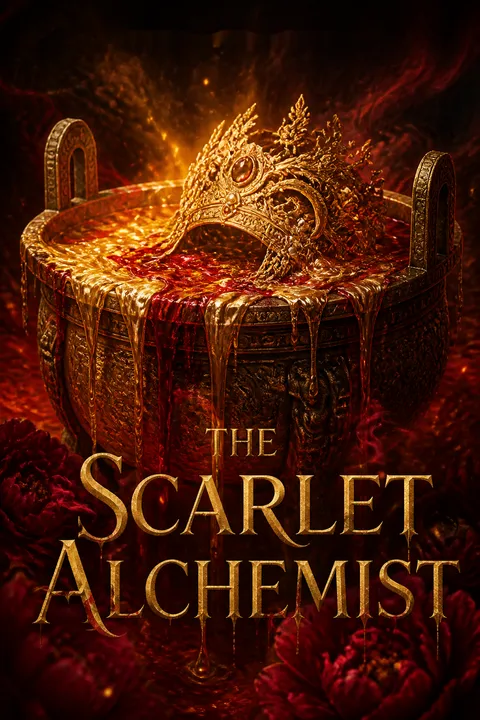
A modern fable of power, identity, and sacrificeThe Scarlet Alchemist is a dazzling reimagining of imperial China, blending historical fantasy with sharp social commentary. At its core, the novel is a meditation on the costs of power—personal, political, and spiritual. Through Zilan's journey, the story interrogates the myth of meritocracy, the dangers of unchecked ambition, and the corrosive effects of privilege. The alchemy at the heart of the narrative is both a metaphor for transformation and a literal engine of change, forcing characters to confront the price of every miracle. The novel's greatest strength lies in its refusal to offer easy answers: every act of creation demands a sacrifice, and every victory is tinged with loss. Yet, in the ashes of the old order, the possibility of something new—something better—remains. The Scarlet Alchemist is ultimately a story about agency: the power to choose, to rebel, and to remake the world, even when the cost is everything you have.
Review Summary
Reviews for The Scarlet Alchemist are largely positive, averaging 4.01/5. Readers praise the immersive Tang dynasty alternate-history setting, the unique blood/death alchemy magic system, and the compelling protagonist Zilan, whose fierce determination and family loyalty resonate despite her flaws. The fast-paced political intrigue and dark, gory atmosphere earn consistent acclaim. Common criticisms include underdeveloped side characters, a rushed romance, and a divisive ending that some found forced. Many readers eagerly anticipate the sequel.
People Also Read



Characters
Zilan (Fan Zilan / Su Zilan)
Zilan is the heart of the story—a half-Chinese, half-foreign girl marked by loss, otherness, and a forbidden gift for resurrection alchemy. Orphaned young and raised by relatives who never fully accept her, she is driven by a hunger for belonging and power. Her psychological complexity is rooted in trauma, ambition, and a deep sense of responsibility for those she loves. Zilan's journey is one of self-discovery and sacrifice, as she navigates prejudice, betrayal, and the moral costs of her abilities. Her relationships—with her cousins, the prince, and her mentors—are fraught with longing and fear, and her greatest enemy is often her own doubt. Zilan's arc is a relentless pursuit of agency in a world that would rather see her silent or dead.
Li Hong (The Crown Prince)
The prince is both a symbol of privilege and a victim of its burdens. Marked for death by his own mother, he seeks Zilan's help not out of arrogance, but desperation. His relationship with Zilan is built on mutual recognition of loneliness and the desire to be seen for who they truly are. Hong is gentle, self-effacing, and often underestimated, but his loyalty and willingness to sacrifice himself reveal a core of quiet strength. His arc is one of awakening—from passive heir to active participant in his own fate, and ultimately, a partner in rebellion.
Wenshu (Fan Wenshu)
Zilan's cousin and surrogate brother, Wenshu is the scholar of the family, torn between duty and jealousy. He is both a caretaker and a critic, often frustrated by Zilan's recklessness and her closeness to the prince. His psychological complexity lies in his fear of being left behind and his struggle to reconcile love with resentment. Wenshu's arc is one of reluctant acceptance—of Zilan's power, of his own limitations, and of the need to let go.
Yufei (Fan Yufei)
Zilan's cousin and closest confidante, Yufei is a force of nature—unapologetically herself, resistant to marriage, and unafraid to break rules. She is Zilan's anchor and her mirror, embodying both the strength and the vulnerability of those who refuse to be tamed. Yufei's arc is one of transformation, as she is forced to confront the costs of rebellion and the meaning of family. Her relationship with Zilan is both a source of comfort and conflict, and her loyalty is tested by the demands of survival.
The Empress (Wu Zetian, Empress Consort)
The Empress is both antagonist and cautionary tale—a woman who has clawed her way to power and will do anything to keep it. She is a master manipulator, using fear, alchemy, and spectacle to maintain control. Her psychological complexity lies in her recognition of Zilan as both a threat and a kindred spirit. The Empress's arc is a study in the costs of immortality and the loneliness of absolute power. Her downfall is both a victory and a warning.
The Moon Alchemist
As Zilan's mentor and the head of the royal alchemists, the Moon Alchemist is both guide and gatekeeper. She is a survivor, shaped by loss and compromise, and her relationship with Zilan is fraught with both affection and frustration. Her psychological depth comes from her awareness of the limits of power and the inevitability of sacrifice. The Moon Alchemist's arc is one of reluctant rebellion, as she is forced to choose between safety and justice.
The Paper Alchemist
A member of the secret society of alchemists, the Paper Alchemist is both ally and skeptic. She is quick-witted and resourceful, but her cynicism masks a deep fear of hope. Her relationship with Zilan is marked by rivalry and reluctant respect. The Paper Alchemist's fate is a reminder of the costs of rebellion and the dangers of trusting too easily.
The River Alchemist
Another member of the alchemist rebellion, the River Alchemist is a stabilizing presence—practical, compassionate, and skilled in both healing and combat. She is a bridge between worlds, embodying the possibility of change and the necessity of compromise. Her arc is one of quiet heroism, and her loss is deeply felt.
Zheng Sili
Zilan's chief rival among the alchemists, Zheng Sili is a product of privilege and resentment. He is both a foil and a warning—a reminder of what happens when ambition is untempered by empathy. His psychological complexity lies in his need for validation and his inability to accept defeat. Zheng Sili's arc is one of downfall and humiliation, as he is forced to confront the limits of his power.
Auntie So and Uncle Fan
Zilan's adoptive parents are both a source of comfort and a reminder of her outsider status. They are practical, weary, and shaped by hardship, but their love—however imperfect—is a lifeline for Zilan and her cousins. Their psychological depth comes from their struggle to balance survival with compassion, and their arc is one of quiet endurance.
Plot Devices
Resurrection Alchemy
The central device of the novel is Zilan's ability to resurrect the dead through alchemy—a process that requires blood, ritual, and the cooperation of others. This power is both miracle and curse, offering hope to the desperate and danger to the practitioner. The true cost of resurrection is slowly revealed: every act of creation demands a sacrifice, and the revived may drain the life from those they love. This device is used to explore themes of agency, guilt, and the limits of power, and it drives both the plot and Zilan's psychological journey.
Life Gold and Immortality
The discovery of life gold transforms society, creating a stark divide between the ageless rich and the suffering poor. Gold becomes both literal and symbolic currency, a marker of privilege and a source of corruption. The pursuit of immortality unleashes both wonders and horrors, from monstrous creations to the erosion of empathy. This device is used to critique systems of power and to question the true value of eternal life.
The Imperial Exams
The exams are both a path to power and a tool of exclusion, designed to keep outsiders in their place. Zilan's journey through the exams is a test of skill, will, and identity, and the trials are structured to reveal both her brilliance and the prejudice of the system. The exams serve as a microcosm of the larger world, where every victory is hard-won and every failure is a lesson in survival.
Monsters and Alchemical Abominations
The palace is haunted by monsters—creatures born of forbidden alchemy and the pursuit of immortality. These abominations are both weapons and warnings, reminders that the quest for power can unleash horrors beyond control. The monsters serve as both literal threats and metaphors for the costs of ambition, and their presence drives the plot toward rebellion and reckoning.
Secret Societies and Rebellion
The secret society of royal alchemists is both a source of hope and a reminder of the dangers of dissent. Their rebellion against the Empress is a catalyst for the climax, forcing Zilan to choose between safety and justice. The device of secret societies is used to explore themes of loyalty, betrayal, and the necessity of collective action in the face of tyranny.
Narrative Structure and Foreshadowing
The novel is structured around cycles of death and resurrection, with Zilan's memories and visions foreshadowing key events. The use of dreams, flashbacks, and recurring symbols (such as the five gates and the river) creates a sense of inevitability and fate, while also allowing for moments of surprise and revelation. The narrative structure reinforces the themes of sacrifice, agency, and the possibility of redemption.
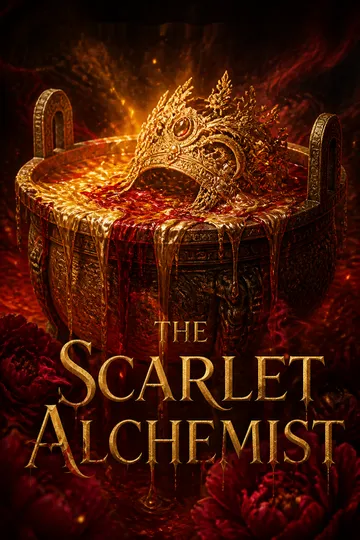
The Scarlet Alchemist Series
Download PDF
Download EPUB
.epub digital book format is ideal for reading ebooks on phones, tablets, and e-readers.








































