
Plot Summary
The Door to Freedom
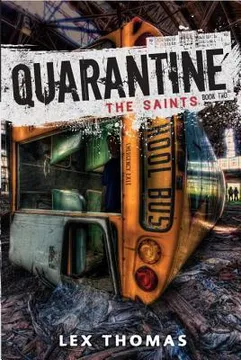
The story opens with Will and Lucy, along with the Loners, racing toward what they believe is their long-awaited freedom as the doors to the outside are thrown open. The hope is palpable, the air electric with the possibility of escape. But just as they near the threshold, a school bus crashes through the entrance, sealing the exit with rubble and dashing their hopes. The chaos leaves Lucy unconscious and Will devastated, but she awakens, and together they face the grim reality: they are still trapped, and the outside world is more dangerous than they ever imagined. The emotional whiplash from hope to despair sets the tone for the struggle to come.
Outsiders and Lost Hope
The survivors confront the outsiders—infected teens from St. Patrick's Academy, led by the charismatic Gates. Gates shares the horrors of the world beyond the school: military squads hunting infected teens, families torn apart, and the myth of safety shattered. The McKinley kids realize their suffering is not unique, and the outside is no sanctuary. The outsiders, dubbed the Saints, are both a symbol of hope and a reminder of the world's cruelty. The revelation that the government has abandoned them, and that their parents may be dead, deepens the sense of isolation and loss.
Parents on the Roof
The gray canopy is ripped away, exposing the students to sunlight and the sight of adults—masked parents—on the roof. These parents, claiming to act out of love, announce they will keep the kids locked inside for their own safety, as the government has given up on saving the infected. The parents promise food and protection, but their presence is both a comfort and a new form of imprisonment. The first food drop, meant to be orderly, devolves into chaos and tragedy, reinforcing the sense that even well-intentioned adults cannot save them from suffering.
The First Food Drop
The food drop becomes a deadly scramble as starving kids fight for survival. The block of supplies crushes several students, and the gangs' fragile alliances are tested. The Loners, now the smallest gang, struggle to secure enough food. Will tries to keep hope alive, but the group is fracturing. The arrival of the Saints further destabilizes the social order, and the violence of the drop foreshadows the brutal competition that will define life under the parents' regime.
David's Death Confirmed
Will discovers proof that his brother David is dead, a revelation that shatters him and the Loners. The group returns to their home base, the Stairs, but it no longer feels like home. Grief hangs over them, and Will is haunted by memories of better times. The loss of David, the gang's founder and moral center, leaves a void that Will struggles to fill. The Loners' unity is threatened as members consider joining other gangs, and Will's sense of purpose falters.
Grief and New Beginnings
Lucy, mourning David, finds solace in his belongings and the memories they evoke. The return of electricity and a successful trade for food offer a glimmer of hope. Will and Lucy share a rare moment of laughter, hinting at the possibility of healing. The school's social order continues to shift, with the Nerds restarting graduation and the gangs adapting to new realities. The emotional landscape is one of tentative optimism, shadowed by the ever-present threat of violence and betrayal.
Varsity Overthrown
Varsity, once the dominant gang, turns on its tyrannical leader, Sam. Terry, a more compassionate and inclusive figure, takes over, signaling a shift in the school's power dynamics. Sam's humiliation is public and complete, and he is left isolated and powerless. The Pretty Ones, led by Hilary, also face internal rebellion as their members demand autonomy. The overthrow of Sam marks the end of an era of fear and the beginning of a more collaborative, if still volatile, social order.
The Loners' Last Stand
The Loners, now reduced to a handful, make a final attempt to reclaim their place in the school during a food drop. Will's impassioned speech rallies the group, but their efforts are met with violence and humiliation, especially at the hands of Sam. The defeat is public and devastating, leading to further defections. Will's epilepsy and vulnerability are exposed, deepening his sense of shame and isolation. The Loners' identity as a gang is all but destroyed.
The Market and Betrayal
The school's market becomes the new center of social life, but the Loners are marginalized and unable to compete. One by one, Will's friends leave for other gangs, seeking safety and belonging. Lucy is left with only a few companions, and the sense of betrayal is acute. The market, once a place of hope, now represents the harsh reality of survival and the end of old loyalties. Will's isolation is complete, and Lucy faces the prospect of starting over.
Alone in the Stairs
Will, now alone, retreats to the darkness of the Stairs, trading away even the lightbulbs for food. Lucy visits, but their conversation is fraught with pain and misunderstanding. Will pushes her away, convinced he is unworthy of love or friendship. The emotional distance between them grows, and Lucy, desperate for belonging, decides to join the Sluts. The chapter is a meditation on loneliness, pride, and the difficulty of accepting help.
Naked Week Initiation
Lucy's initiation into the Sluts is brutal: Naked Week, a gauntlet of humiliation and abuse. She is stripped of her dignity and forced to prove herself through pain and submission. The experience is both dehumanizing and empowering, as Lucy discovers reserves of strength she didn't know she had. The Sluts' harshness is revealed to be a form of tough love, and Lucy emerges from the ordeal with a new sense of identity and belonging.
Shifting Alliances
As the school's social order continues to evolve, alliances shift and new friendships form. Lucy finds acceptance among the Sluts, while Will is invited to join the Saints. The Saints, led by Gates, offer Will a chance at redemption and a fresh start. The school's culture becomes more fluid, with old rivalries giving way to new collaborations and conflicts. The emotional tone is one of cautious hope, tempered by the knowledge that danger is never far away.
Will's Descent
Will, now a Saint, struggles with hunger and the shame of his public defeat. He scavenges for food, trades away his last possessions, and contemplates selling his shoes. A chance encounter with the Saints leads to a night of partying and camaraderie, but the sense of belonging is fleeting. Will's vulnerability is both his greatest weakness and his only hope for connection. The chapter explores the limits of pride and the necessity of accepting help.
Saints' Party and Vodka
The Saints' vodka-fueled party is a moment of joy and release, but also a time for mourning lost friends and family. Will finds acceptance among the Saints, and Gates becomes both a mentor and a cautionary figure. The party is a microcosm of the school's new reality: fleeting pleasures, deep losses, and the constant search for meaning. Will's grief for David is acknowledged and honored, and the bonds of friendship are strengthened.
Surviving Naked Week
Lucy survives Naked Week, earning the respect of the Sluts and a place in their family. The experience leaves her scarred but stronger, and she begins to thrive in her new role. The Sluts' camaraderie and mutual support contrast with the brutality of their initiation rituals. Lucy's transformation is both physical and emotional, as she learns to navigate the complexities of loyalty, trust, and self-respect.
Becoming a Saint
Will's integration into the Saints is complete, and he finds a sense of purpose and belonging. The Saints' approach to life—embracing joy in the face of adversity—inspires Will to let go of his shame and embrace the present. The school's power dynamics continue to shift, with the Saints emerging as a force to be reckoned with. Will's journey from outcast to insider is both a personal victory and a commentary on the importance of community.
Sam's Humiliation
Sam, once the school's most feared leader, is publicly humiliated and used as a bargaining chip in Gates' negotiations with the parents. The spectacle of Sam's downfall is both cathartic and unsettling, as the line between justice and cruelty blurs. Gates' charisma and ruthlessness are on full display, and Will is forced to confront the darker side of his new allegiance. The chapter explores the complexities of power, revenge, and forgiveness.
Lucy's New Family
Lucy finds a sense of family among the Sluts, forging new friendships and embracing her identity as a survivor. The camaraderie of the gang is a source of strength, but also a reminder of the sacrifices required to belong. Lucy's relationship with Will remains unresolved, but she is determined to define herself on her own terms. The chapter is a celebration of resilience, friendship, and the search for meaning in a broken world.
The Ransom Drop
Gates leverages Sam's captivity to extract concessions from the parents, securing luxuries and comforts for the school. The food drops become extravagant, and the mood in McKinley shifts from desperation to celebration. But the peace is fragile, and the underlying tensions remain unresolved. Gates' leadership is both admired and feared, and the question of what comes next looms large.
The Sluts' Marketplace
The Sluts capitalize on the influx of goods, dominating the school's marketplace and asserting their power. Lucy and Lips, once adversaries, learn to work together, and Lucy's confidence grows. The marketplace becomes a symbol of the new order: competitive, chaotic, and full of possibility. Old grudges resurface, but the focus is on survival and self-assertion.
Gates' Downward Spiral
Gates, haunted by the death of his brother Colton, begins to unravel. His leadership becomes erratic, and his relationships with the Saints and Will grow strained. The pressure of maintaining control and the weight of past trauma push Gates to the brink. The chapter is a study in the corrosive effects of guilt and the fragility of power.
Sam's Imprisonment
Sam, held captive by the Saints, refuses to break, convinced that his father will rescue him. His physical and mental decline is stark, but his pride remains unbroken. The chapter explores the limits of endurance and the dangers of self-delusion. Sam's story is a cautionary tale about the costs of power and the difficulty of letting go.
The Flower and the Party
Lucy encounters Maxine, a pregnant girl who has kept a single flower alive as a symbol of hope. The flower becomes a metaphor for resilience and the possibility of new life. The school's bonfire party is a moment of collective joy, with Will making a dramatic entrance on a motorcycle. The celebration is a brief respite from the hardships of survival, and the flower's survival is a testament to the enduring human spirit.
Bonfire and Motorcycle
The bonfire party brings Will and Lucy face-to-face, reigniting old feelings and unresolved tensions. Their conversation is fraught with pain and longing, but also hope for reconciliation. The party is a turning point, marking the beginning of a new chapter in their relationship and the school's social order.
Failed Love and Regret
Lucy's attempt at a relationship with Bart ends in disappointment, as she realizes she cannot separate physical intimacy from emotional connection. The experience leaves her questioning her choices and longing for something deeper. The chapter is a meditation on love, loss, and the difficulty of moving on.
Gates Unravels
Gates' mental state deteriorates, leading to violence against his closest friends. The revelation that he accidentally killed his brother shatters him, and his grip on reality slips. Will becomes the target of Gates' obsession, and the school is plunged into chaos. The chapter is a harrowing exploration of guilt, madness, and the consequences of unchecked power.
Lucy's Choice
Lucy, now fully transformed by her experiences, confronts Gates in a final, brutal showdown. She draws on all the strength and resilience she has gained to fight for her life. The battle is both physical and psychological, a test of will and identity. Lucy's victory is hard-won, and the cost is high.
Will and Lucy Reunite
Will and Lucy, finally reunited, face the prospect of separation as Will is selected for graduation. Their time together is bittersweet, filled with longing and regret for what might have been. The promise of a future together is uncertain, but their love endures. The chapter is a poignant meditation on the pain of parting and the hope of reunion.
The Final Exchange
Will and Lucy attempt to trick the adults by presenting Sam's corpse as a living prisoner, hoping to secure Will's release. The plan is desperate and risky, but it is their only chance. The tension is high as they navigate the dangers of exposure and betrayal. The outcome is uncertain, and the stakes are life and death.
The End of Sam
Sam's story ends in violence and ignominy, his body mutilated and discarded. The once-feared leader is reduced to a cautionary tale, a symbol of the dangers of pride and the futility of revenge. The chapter is a grim reminder of the costs of power and the inevitability of change.
The Last Battle
The survivors face the aftermath of violence and loss, but also the possibility of healing and renewal. Will and Lucy's love, the resilience of the Saints, and the enduring hope symbolized by Maxine's flower point toward a future that, while uncertain, is not without promise. The story ends on a note of cautious optimism, with the characters forever changed by their ordeal.
Analysis
A brutal allegory of adolescence and survival"The Saints" transforms the high school experience into a harrowing allegory of survival, power, and identity. The quarantined school is both a literal prison and a metaphor for the isolating, often violent process of growing up. The story interrogates the nature of leadership, the costs of loyalty, and the difficulty of forging authentic connections in a world defined by scarcity and fear. Through its shifting alliances, brutal rituals, and moments of unexpected tenderness, the novel explores the resilience of the human spirit and the necessity of hope, even in the darkest circumstances. The characters' journeys—from Will's reluctant heroism to Lucy's hard-won self-acceptance and Gates' tragic unraveling—offer a nuanced portrait of trauma, healing, and the search for meaning. Ultimately, "The Saints" is a meditation on the ways we are shaped by loss and the choices we make in the face of adversity, reminding us that even in a world gone mad, love, friendship, and hope can endure.
Review Summary
The Saints received mixed reviews, with many praising its fast-paced action and character development but criticizing its increased violence and gore compared to the first book. Readers found the new characters and plot twists engaging, though some felt the tension between gangs was reduced. The book's exploration of teen dynamics in a quarantined high school setting continued to intrigue readers, with some comparing it favorably to other dystopian series. Overall, fans of the first book generally enjoyed this sequel despite its darker tone.
People Also Read

Characters
Will Thorpe
Will is the emotional core of the story, a boy marked by vulnerability—his epilepsy, his grief for his brother David, and his struggle to lead the Loners after David's death. Will's journey is one of self-doubt, shame, and gradual acceptance of his limitations. His relationships with Lucy and Gates are central: Lucy is his anchor and source of hope, while Gates becomes both a friend and a threat. Will's arc is defined by his search for belonging, his willingness to sacrifice for others, and his ultimate acceptance of love and help. He is a survivor, shaped by trauma but not defined by it.
Lucy
Lucy's arc is one of transformation—from victim to warrior, from outsider to integral member of the Sluts. Her experiences with abuse, loss, and humiliation forge her into a fierce, self-reliant young woman. Lucy's relationships are complex: her love for David and Will, her rivalry and eventual camaraderie with the Sluts, and her struggle to define herself outside of others' expectations. She is both nurturing and fierce, capable of deep empathy and ruthless action. Lucy's journey is about reclaiming agency and finding family in unexpected places.
Gates
Gates is the enigmatic leader of the Saints, a survivor of the outside world whose charm masks deep trauma. His leadership is marked by boldness, creativity, and a reckless pursuit of pleasure, but also by a growing instability rooted in guilt over his brother's death. Gates' relationships with Will and the Saints are both inspiring and destructive. His need for love and validation drives him to extremes, and his eventual breakdown is both tragic and terrifying. Gates embodies the dangers of unchecked charisma and the corrosive power of unresolved grief.
Sam Howard
Sam is the former leader of Varsity, a figure of fear and control whose downfall is as dramatic as his rise. His relationship with his father is central, shaping his obsession with dominance and perfection. Sam's inability to adapt or accept vulnerability leads to his isolation, humiliation, and eventual death. He is both a cautionary figure and a victim of his upbringing, a symbol of the costs of toxic masculinity and the futility of clinging to lost power.
Violent
Violent is the leader of the Sluts, a gang defined by toughness and loyalty. She is both feared and respected, and her relationship with Lucy is pivotal—first as an adversary, then as a mentor and friend. Violent's own history of pain and regret informs her leadership style, and she serves as a model of resilience and self-reliance. Her guidance helps Lucy survive and thrive, and her presence is a stabilizing force in the chaos of McKinley.
Hilary
Hilary leads the Pretty Ones with a mix of cruelty and vulnerability. Her beauty is both her weapon and her curse, and her relationship with her mother and Sam shapes her need for control. Hilary's arc is one of decline, as she loses power and resorts to increasingly desperate measures to maintain her status. She is both a villain and a tragic figure, driven by fear of irrelevance and a desperate need for validation.
Terry
Terry's rise to leadership in Varsity marks a shift from fear to collaboration. He is inclusive, empathetic, and determined to undo the damage caused by Sam. Terry's sexuality and openness challenge the school's norms, and his leadership style fosters a more equitable and supportive environment. He represents the possibility of positive change and the importance of empathy in leadership.
Pruitt
Pruitt is Gates' closest confidant, a stabilizing presence in the Saints. His loyalty is unwavering, but he is not afraid to challenge Gates when necessary. Pruitt's confrontation with Gates over Colton's death is a turning point, exposing the dangers of denial and the necessity of facing painful truths. Pruitt embodies the virtues of honesty, loyalty, and quiet strength.
Lips
Lips is Lucy's primary tormentor during Naked Week, embodying the harsh initiation rituals of the Sluts. Over time, she becomes a grudging ally, respecting Lucy's resilience and strength. Lips represents the duality of the Sluts: their capacity for cruelty and their deep loyalty to those who prove themselves. Her relationship with Lucy evolves from antagonism to mutual respect.
Maxine
Maxine, the pregnant girl who keeps a flower alive, is a symbol of resilience and the possibility of new life. Her determination to protect her unborn child and her willingness to share her flower with Lucy highlight the importance of hope and connection in the face of despair. Maxine's graduation is a moment of collective joy and a reminder that survival is possible, even in the harshest conditions.
Plot Devices
Survival as Social Experiment
The story uses the quarantined high school as a crucible, forcing its characters to confront the extremes of human behavior—violence, loyalty, betrayal, and love. The gangs represent different survival strategies, and the constant threat of starvation, violence, and abandonment strips away social niceties, revealing the raw dynamics of power and vulnerability. The arrival of the Saints and the intervention of the parents introduce new variables, keeping the social order in flux and forcing characters to adapt or perish.
Shifting Power Dynamics
The narrative is driven by the rise and fall of leaders—David, Sam, Gates, Terry—and the shifting allegiances of the gangs. Power is never static, and the struggle for dominance is both physical and psychological. The overthrow of Sam, the rise of the Saints, and the fragmentation of the Loners illustrate the instability of social structures under extreme pressure.
Foreshadowing and Symbolism
The recurring motif of the flower—kept alive by Maxine—serves as a symbol of hope and the possibility of renewal. Food drops and rituals like Naked Week are both literal and symbolic, representing the struggle for survival and the rites of passage that define identity. The use of violence and humiliation as tests of loyalty and strength foreshadows the ultimate confrontations that determine the characters' fates.
Psychological Realism
The narrative delves into the psychological impact of trauma, loss, and isolation. Characters are shaped by their pasts—Will's epilepsy and grief, Gates' guilt, Lucy's abuse—and their journeys are marked by moments of breakdown and breakthrough. The story's emotional arc is as important as its physical action, and the characters' inner lives drive the plot as much as external events.
Cyclical Structure and Repetition
The story is structured around cycles of hope and disappointment: the promise of escape, the arrival of the parents, the rise of new leaders, and the constant threat of betrayal. Each cycle brings new challenges and opportunities for growth, but also new dangers. The repetition of rituals—food drops, initiations, parties—reinforces the sense of being trapped, both physically and emotionally.


Download PDF
Download EPUB
.epub digital book format is ideal for reading ebooks on phones, tablets, and e-readers.








































