
Plot Summary
Storms and Prophecies Unleashed
A violent storm shatters the kingdom of Valterre, echoing the ancient prophecy of Saint Oriel. Lightning strikes topple towers, and Prince Andreas, obsessed with the saints' return, climbs the clock tower, seeking to claim fate's power. The storm's magic marks him, and across the land, others feel its call. The prophecy warns of new saints, betrayal, and a kingdom remade. The storm is not just weather—it is the spark that ignites the story, setting destinies in motion and awakening magic that will change everything.
Saints, Daggers, and Flames
Valterre is ruled by three secretive Orders: the Daggers, wielders of deadly Shade magic; the Cloaks, masters of secrets; and the newly formed Flames, who seek to break the darkness. Seraphine Marchant, haunted by visions and new magic, leads the Flames, while Ransom Hale, reluctant Head of the Daggers, struggles with loss and the burden of leadership. Their paths are entwined by fate, rivalry, and a dangerous attraction. The Orders' alliances and betrayals shape the city's underworld and the fate of the kingdom.
Magic's Price and Power
Seraphine's magic, born in the storm, is unpredictable and dangerous. She struggles to control it, fearing it will hurt those she loves. Ransom, marked by Shade, is haunted by guilt and nightmares. Both are shaped by their powers—Seraphine's is a gift she cannot master, Ransom's a curse he cannot escape. Their magic is both weapon and wound, binding them to the prophecy and to each other, as they search for meaning and control in a world unraveling.
Rebellion Ignites Fantome
The fall of the Aurore Tower and the rise of monsters plunge Fantome into chaos. The people rebel against King Bertrand, blaming him for their suffering. The Daggers are busier than ever, enforcing the king's will with violence, while the Flames work to arm the people with Lightfire, a new magic that can counter Shade. The city teeters on the edge of war, as old powers falter and new ones rise, and the lines between friend and enemy blur.
Enemies, Lovers, and Loss
Seraphine and Ransom, once enemies, are drawn together by shared pain and forbidden desire. Their relationship is fraught with mistrust, guilt, and longing. Each has lost friends and family to the war—Seraphine's mother, Ransom's best friend Lark. Their love is a fragile hope in a world of violence, but it is also a source of strength. Together, they must decide whether to trust each other, and whether love can survive betrayal and bloodshed.
The King's Deadly Bargain
King Bertrand summons Seraphine, Ransom, and their allies to the Summer Palace, forcing them into an uneasy alliance. He orders them to hunt down his rebellious nephew, Prince Andreas—the People's Saint—and a dangerous acolyte, threatening their friends' lives if they fail. The king's bargain binds the Daggers and Flames together, setting them on a perilous quest across Valterre. Their mission is a test of loyalty, morality, and the true cost of power.
Shadows, Lightfire, and Betrayal
As the quest unfolds, Lightfire spreads through the kingdom, weakening Shade's hold. Smugglers and assassins switch sides, and old alliances fracture. Seraphine's magic grows stronger, but so does her fear of what she might become. Ransom is torn between duty and love, haunted by the deaths he's caused. Betrayals come from within and without, as friends become foes and the true nature of the prophecy is revealed. The journey tests every bond and belief.
The People's Saint Rises
Prince Andreas, transformed by the storm, gathers rebels and prisoners, styling himself as the People's Saint. His charisma and new magic enthrall the masses, but his vision is ruthless. He seeks to overthrow the king and remake Valterre, using compulsion and violence. Seraphine and Ransom must confront the reality that Andreas is not the savior he claims to be, but a new kind of tyrant. The rise of the People's Saint is both hope and horror for the kingdom.
Graveyards and Graverobbers
Graves across Valterre are disturbed, corpses stolen or rising on their own. The necromancer's identity is revealed as Lark Delano, Ransom's lost friend, resurrected by Seraphine's accidental magic. Lark's new power is terrifying, and his loyalty uncertain. The dead walk, and the boundaries between life and death blur. The prophecy's warning of saints and ruin grows ever more urgent, as the cost of magic becomes clear.
The Making of Saints
Seraphine learns she is not just a saint, but a maker of saints—her magic can create or unmake them. Pressured by Andreas, she attempts to make new saints, but the process is fraught with danger and failure. The attempt to empower Talisa ends in tragedy, revealing the peril of unchecked ambition. The making of saints is a test of worth, will, and the true meaning of destiny. Seraphine must choose who is worthy, and what kind of world she wants to create.
The Silver-Tongue's Court
Andreas's court is a place of glamour and horror, where free will is stripped away by his compulsion. Nobles and rebels alike are enthralled, forced to dance and obey. Seraphine, immune to his power, becomes both target and prize. The court is a microcosm of the kingdom's future—a world where one man's will dominates all. The cost of resistance is high, but the cost of surrender is higher. The battle for souls is as fierce as the battle for the throne.
The King's Day Massacre
On King's Day, Andreas stages a coup, forcing the king to abdicate and then kill himself. The royal family is slaughtered, and the Daggers, now under Lisette's command, massacre the nobility. Seraphine's attempt to unmake Andreas nearly succeeds, but comes at a terrible price—her friend Bibi is killed, and the kingdom is plunged into chaos. The massacre marks the end of the old order and the birth of a new, darker age.
Death, Resurrection, and Nightmares
Ransom is killed saving Seraphine, but her magic brings him back—remaking him as a saint of nightmares, able to command shadows and monsters. Their love, tested by death and destiny, becomes a source of new power. Lark, too, is remade by Seraphine's magic, but his loyalty is to Andreas. The boundaries between life and death, love and hate, are shattered. The saints' return is both miracle and curse.
The Saint-Maker's Choice
Seraphine must choose how to use her power—who to make, who to save, and who to destroy. The wrong choice can doom the kingdom; the right one may require unbearable sacrifice. Allies and enemies gather, each with their own vision for Valterre. The cost of magic is clearer than ever, and the burden of destiny falls on Seraphine's shoulders. Her choices will shape the future of saints, kings, and all who live in the shadow of prophecy.
The Battle for Valterre
The final battle erupts as Andreas, Lark, and their armies of the living and dead march on Fantome. Ransom and Seraphine, now united in love and power, rally their allies—Daggers, Flames, and new saints. The fight is brutal, with magic and monsters unleashed. The fate of Valterre hangs in the balance, as prophecy, ambition, and love collide. The age of kings ends, and the age of saints begins in fire and blood.
Love, Sacrifice, and Survival
In the aftermath of battle, love and grief entwine. Friends are lost, families remade, and the survivors must reckon with what they have done—and what they have become. Seraphine and Ransom, changed by magic and sacrifice, find hope in each other. The cost of survival is high, but the promise of a new world endures. The story ends not with victory, but with the possibility of healing, forgiveness, and a future shaped by those who dare to love.
The Age of Saints Dawns
With the old order destroyed, Valterre stands at the threshold of a new age. Saints, not kings, will shape its destiny—if they can resist the temptations of power and the shadows of the past. The survivors gather, forging new alliances and preparing for the challenges ahead. The prophecy is fulfilled, but its meaning is still unfolding. The age of saints has dawned, and the story of Valterre is only beginning.
Analysis
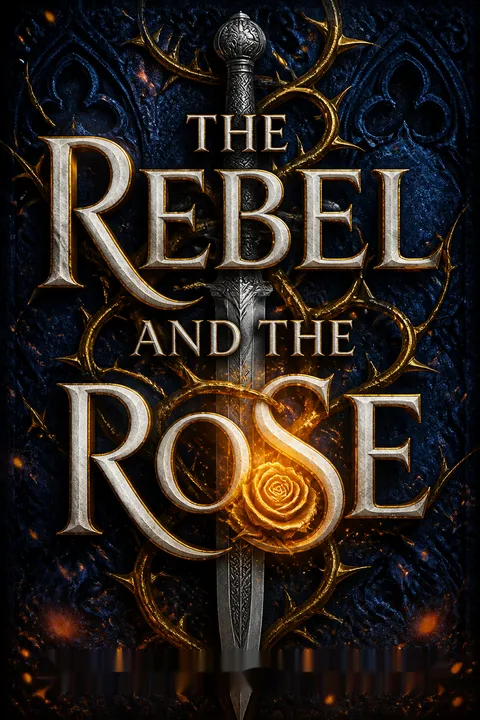
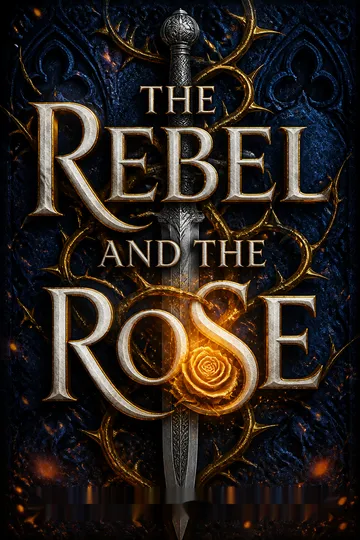
Catherine Doyle's The Rebel and the Rose is a sweeping, emotionally charged fantasy that interrogates the nature of power, destiny, and the cost of change. At its heart, the novel is about the making—and unmaking—of saints, and the ways in which ordinary people are transformed by extraordinary circumstances. The story's central romance, built on the enemies-to-lovers trope, is both a source of hope and a crucible for growth, forcing Seraphine and Ransom to confront their own darkness and the possibility of forgiveness. The novel's world is lushly imagined, with magic that is as dangerous as it is alluring, and a political landscape that mirrors the complexities of real-world revolution and reform. Doyle explores the tension between fate and free will, asking whether prophecy is a guide or a trap, and whether true change can be achieved without sacrifice. The book's greatest strength lies in its willingness to embrace ambiguity—saints are not always good, and power is never simple. In the end, The Rebel and the Rose is a story about the courage to choose, the pain of loss, and the hope that even in the darkest times, love and light can prevail.
Review Summary
People Also Read

Characters
Seraphine Marchant
Seraphine is the heart of the story—a young woman marked by the storm's magic and haunted by visions not her own. She is both powerful and vulnerable, struggling to control a gift that can create or destroy saints. Her journey is one of self-discovery, guilt, and hope. She is fiercely loyal to her friends, especially Bibi and Val, and her love for Ransom is both her strength and her greatest risk. As the Saint-maker, she must decide who is worthy of power, and what kind of world she wants to build. Her arc is one of learning to trust herself, to wield her magic with wisdom, and to accept the cost of leadership and love.
Ransom Hale
Ransom is the Head of the Daggers, a role he never wanted, marked by Shade and guilt. He is tormented by nightmares, the deaths he's caused, and the loss of his best friend Lark. His love for Seraphine is a source of both agony and redemption. When he is killed and remade as a saint of nightmares, he gains new power but also new burdens. Ransom's arc is about learning to forgive himself, to choose love over violence, and to fight for a future beyond the darkness that has defined him. His loyalty, once to the king and the Daggers, is ultimately to Seraphine and the hope she represents.
Prince Andreas Mondragon Rayere
Andreas is the People's Saint—a prince transformed by the storm, driven by prophecy and ambition. His magic is compulsion, his vision a kingdom remade in his image. He is both savior and tyrant, using charm and violence to seize power. Andreas's arc is a cautionary tale of how the pursuit of destiny can become obsession, and how power, even when divinely granted, can corrupt absolutely. He is both antagonist and tragic figure, embodying the dangers of unchecked ambition.
Lark Delano
Lark is Ransom's lost friend, killed by Seraphine and remade as a saint of death. His resurrection is both miracle and horror—he is loyal to Andreas, but haunted by his past. Lark's power over the dead makes him a formidable foe, and his bitterness drives him to betray his old friends. His arc explores the cost of resurrection, the pain of being remade, and the thin line between loyalty and vengeance.
Theo Versini
Theo is Seraphine's closest confidant, a clever and ambitious Shadowsmith with a hunger for knowledge and change. He is both supportive and envious, eager to be more than he is. Theo's arc is about the dangers and possibilities of ambition, the longing for power, and the importance of friendship and trust. He is a bridge between the old world and the new, and his choices shape the fate of the Flames and the kingdom.
Val (Valerie)
Val is Seraphine's steadfast friend, quick-witted and unafraid to speak her mind. She is a survivor, shaped by hardship and loss, but never broken. Val's loyalty is unwavering, and her humor is a balm in dark times. She is the voice of reason and courage, urging action when others falter. Her arc is one of resilience, grief, and the enduring power of friendship.
Bibi
Bibi is the heart of the Flames, a source of warmth and joy. Her death at the King's Day massacre is a devastating loss, fueling Seraphine's resolve and symbolizing the cost of rebellion. Bibi's memory haunts the survivors, reminding them of what is at stake and what must never be forgotten.
Nadia Raine
Nadia is Ransom's second-in-command, haunted by the death of her lover Lark and torn between old loyalties and new realities. Her grief makes her fierce and unpredictable, and her choices reflect the pain of loss and the difficulty of change. Nadia's arc is about letting go, finding new purpose, and choosing sides in a world where the old rules no longer apply.
Anouk
Anouk is Ransom's long-lost sister, remade as a saint of creation and repair. Her power is both destructive and healing, and her reunion with Ransom is a moment of hope and redemption. Anouk's arc is about survival, forgiveness, and the possibility of new beginnings. She is a symbol of the future the saints might build—if they can survive the war.
Caruso
Caruso is a force of chaos—violent, loyal, and often comic. He is both a danger and a protector, his loyalty to the Daggers tested by the changing world. Caruso's arc is about finding purpose beyond violence, and the possibility of redemption even for those most marked by darkness.
Plot Devices
Prophecy and Destiny
The story is driven by the prophecy of Saint Oriel, which foretells the return of the saints, the fall of kings, and the remaking of the kingdom. Characters are haunted by destiny, struggling to fulfill or escape it. Prophecy is both guide and trap, shaping choices and justifying ambition. The tension between fate and free will is central—are the saints chosen, or do they choose themselves? The prophecy's ambiguity allows for both hope and horror, as characters interpret it to suit their desires.
Duality and Transformation
Magic in Valterre is both blessing and curse, and those who wield it are transformed—sometimes against their will. Saints are made, not born, and the process is fraught with danger. Resurrection, as with Lark and Ransom, blurs the line between life and death, friend and foe. Characters are constantly remade by love, loss, and power, and the story explores how transformation can lead to both salvation and ruin.
Enemies to Lovers
The central romance between Seraphine and Ransom is built on enmity, guilt, and longing. Their relationship is a crucible for change, forcing them to confront their own darkness and the possibility of forgiveness. Love is both weapon and shield, a source of strength and vulnerability. The romance is not just personal—it shapes the fate of the kingdom, as their choices ripple outward.
Power and Corruption
The story interrogates the nature of power—who deserves it, how it is used, and what it costs. Andreas's rise shows how even divinely granted power can corrupt, while Seraphine's struggle reveals the burden of responsibility. The making of saints is a metaphor for leadership—who is worthy, and who decides? The story warns that power without wisdom or compassion leads to ruin.
Narrative Structure and Foreshadowing
The narrative alternates between Seraphine and Ransom, with interludes from other key characters. Dreams, visions, and prophecies foreshadow coming events, building tension and deepening the sense of fate. The structure allows for both intimacy and epic scope, as personal choices shape the destiny of the kingdom.
The City of Fantome Series
About the Author


Download PDF
Download EPUB
.epub digital book format is ideal for reading ebooks on phones, tablets, and e-readers.








































