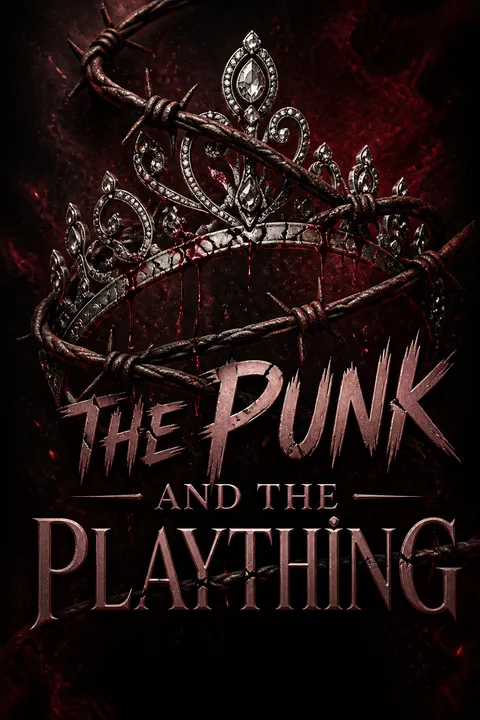

Plot Summary
Queen Without a Crown
Barbette Montgomery, the school's untouchable queen, walks the halls of Brynwood Academy with a mask of confidence, hiding the bruises of her home life and the loneliness of her social exile. Feared and hated, she's a symbol of privilege and perfection, but inside, she's counting the days to her freedom. Her only solace is her friendship with Ever, her "fiancé" in a charade designed to save her family from ruin. The world sees a cold, calculating girl, but Barbette's inner world is a storm of anxiety, regret, and longing for the girl she used to be. The stage is set for a final year where every step is a performance, and every glance is a threat.
The Return of Jamie
Jamie Buchanan, once the sweet boy next door, returns from Ireland transformed—tattooed, dangerous, and carrying the weight of old wounds. His presence is electric, reigniting memories and unresolved feelings in Barbette. Their first encounter is a collision of anger, attraction, and unfinished business. Jamie's bitterness is palpable, and his intent is clear: he's back to settle scores, not just with Barbette, but with the entire social order of Brynwood. The chemistry between them is undeniable, but so is the pain. Their history is a minefield, and every word is a step closer to detonation.
Brunch and Betrayal
A forced gathering at Vaughn's house brings together the tangled web of friends and rivals. The brunch is a powder keg of secrets: fake relationships, hidden desires, and old resentments. Jamie's return throws everyone off balance, especially Barbette, who is forced to confront the reality of her engagement to Ever and the lies that sustain it. The group's intervention exposes the cracks in their facades, and alliances shift as truths are dragged into the light. The brunch ends with more questions than answers, and the sense that nothing will ever be the same.
Childhood Schemes and Scars
The narrative slips back to the summers of childhood, where Barbette, Ever, Jamie, and their friends ruled the playground with pranks and glue bombs. These memories are bittersweet, showing the origins of their bonds and betrayals. Barbette's first period, her struggle to fit in, and her early crushes are juxtaposed with Jamie's arrival and the seismic shift he brings. The innocence of their games is shadowed by the first hints of pain—family dysfunction, jealousy, and the seeds of future heartbreak.
The Engagement Lie
The engagement between Barbette and Ever is revealed as a desperate ploy to save the Montgomery family from financial collapse. Barbette is a pawn in her father's schemes, her future bartered for money and status. The charade strains her friendship with Ever, who is in love with someone else, and isolates her from the few people she trusts. The pressure mounts as graduation approaches, and the cost of maintaining the lie becomes unbearable. Barbette's sense of self erodes under the weight of expectation and manipulation.
Promises and Poison
The relationship between Jamie and Barbette is a storm of passion and pain. Their encounters are charged with unresolved desire and mutual destruction. Jamie's anger at Barbette's betrayal is matched only by his inability to stay away from her. They hurt each other with words and actions, each seeking control in a game neither can win. The past is ever-present, and every touch is laced with memory. Their love is both a refuge and a weapon, and the line between pleasure and punishment blurs.
The Intervention
The group stages an intervention, demanding honesty from Barbette, Ever, and Jamie. The confrontation is raw, exposing the lies that have kept them all trapped. Barbette is forced to admit the truth about her engagement, her feelings for Jamie, and the abuse she endures at home. The friends' support is a lifeline, but it also brings new complications. Loyalties are tested, and the fragile peace between them is shattered. The intervention marks a turning point, setting the stage for the final battles to come.
Summer's First Kiss
A return to the past reveals the sweetness of Barbette and Jamie's first kiss, stolen under a tree in the golden light of summer. Their connection is immediate and profound, a promise of something lasting. But even in these tender moments, the shadows of family expectations and personal insecurities loom. The innocence of their love is a stark contrast to the bitterness of the present, and the memory becomes both a comfort and a curse.
The Price of Survival
As her father's financial schemes unravel, Barbette is forced to make impossible choices. She endures abuse, isolation, and the threat of being sold off in marriage. Her survival depends on her ability to play the roles demanded of her—dutiful daughter, perfect fiancée, unfeeling queen. But the cost is her own happiness and sense of self. The chapter is a meditation on the ways women are commodified and the resilience required to endure.
The Truth About Fathers
The tangled web of parentage is revealed: Ever is not a McNamara, but the son of a criminal father, Sean Kelly. The truth shatters Ever's identity and exposes the lies at the heart of the families' power. Jamie's own family history is marked by loss and longing, and the sins of the fathers are visited upon the children. The revelation forces the characters to confront who they are and who they want to become, independent of the legacies they inherit.
Graduation and Reckoning
Graduation is both an ending and a beginning. The ceremony is marred by violence as Barbette's father strikes her in public, prompting Jamie to intervene. The act is a catalyst, breaking the last chains that bind Barbette to her family. The friends rally around her, and the truth of her suffering is finally acknowledged. The moment is both traumatic and liberating, marking the start of Barbette's journey toward agency.
The Last Stand
In a final confrontation, Barbette faces her father armed with evidence of his crimes and a gun for protection. The power dynamic is reversed, and for the first time, she holds the upper hand. The standoff is tense, but Barbette's resolve is unbreakable. She chooses her own freedom over her father's threats, and with the help of her friends and Jamie, she escapes the prison of her past. The victory is hard-won, and the scars remain, but Barbette is finally free.
Freedom's Cost
Barbette's liberation comes at a price. She is estranged from her mother, hunted by her father's enemies, and haunted by the trauma of her upbringing. The transition to independence is fraught with uncertainty, but she is buoyed by the support of Jamie and her friends. The chapter explores the complexities of healing and the challenges of building a new life from the ashes of the old.
Reunion and Redemption
In the safety of Jamie's arms, Barbette begins to heal. Their relationship is still marked by pain, but there is a new honesty between them. They confront their past mistakes, forgive each other, and make new promises. The process is messy and imperfect, but it is real. Together, they create a home filled with laughter, love, and the freedom to be themselves. The ghosts of the past are not banished, but they are no longer in control.
After the Storm
The wider circle of friends faces their own reckonings. Four pursues her racing dreams, Ever grapples with his true parentage, and Vaughn and Tyra navigate the fallout of betrayal. The bonds between them are tested but ultimately endure. The group's journey is a testament to the power of chosen family and the resilience of the human spirit. Each character finds a measure of peace, even as they carry the scars of their battles.
Love, Finally Spoken
After years of longing, hurt, and misunderstanding, Barbette and Jamie finally say the words that have always been true: I love you. The confession is both a release and a renewal, allowing them to move forward without the weight of unspoken feelings. Their love is hard-won, forged in the fires of adversity, and all the more precious for it. The future is uncertain, but they face it together, stronger than before.
New Beginnings
The story ends with Barbette and Jamie building a life together, free from the chains of their past. They create a home filled with music, laughter, and the promise of new dreams. The journey has been long and painful, but they have emerged whole. The final note is one of hope: that love, when chosen and fought for, can heal even the deepest wounds.
Analysis
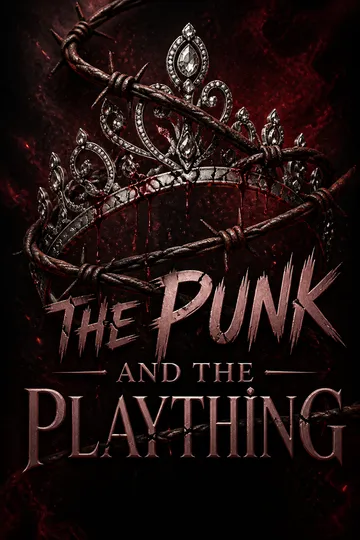
A raw, modern gothic of privilege, trauma, and redemptionThe Punk and the Plaything is a searing exploration of the ways love and pain are intertwined, especially for those born into worlds of power and expectation. B.B. Reid crafts a narrative that is both a dark romance and a coming-of-age survival story, using the tropes of enemies-to-lovers, found family, and social intrigue to probe deeper questions about agency, forgiveness, and the cost of freedom. The novel's dual timelines and shifting perspectives allow for a nuanced portrayal of trauma—showing not just the wounds inflicted, but the ways in which survivors learn to live, love, and fight back. At its heart, the book is about reclaiming one's story: Barbette's journey from pawn to queen is both literal and metaphorical, and her relationship with Jamie is a testament to the possibility of healing, even after the deepest betrayals. The supporting cast—each with their own scars and secrets—enriches the world, making the story not just about one couple, but about the messy, beautiful work of growing up and choosing one's own path. In the end, The Punk and the Plaything is a fierce, hopeful anthem for anyone who has ever been told they are too much, too broken, or too late.
Review Summary
The Punk and the Plaything receives polarized reviews averaging 4.23 stars. Many readers praise the intense chemistry between Jamie and Bee, calling their second-chance romance "angsty" and "steamy" with excellent character development. Bee's transformation from ice queen to beloved heroine particularly resonates. However, critical reviewers cite problematic content including non-consensual scenes, toxic behavior, an unnecessary group sex scene that feels out of character, and Jamie's treatment of Bee. Fans appreciate the friend group dynamics and eagerly anticipate the final book, while detractors find the story disappointing compared to earlier series installments.
People Also Read



Characters
Barbette Montgomery
Barbette is the story's emotional core—a girl forced to be a queen in a world that wants her to be a pawn. Raised in privilege but battered by her father's abuse and her mother's complicity, she learns early to hide her pain behind icy perfection. Her engagement to Ever is a desperate act of survival, a way to save her family from ruin, but it costs her her sense of self. Barbette's journey is one of reclaiming agency: she endures humiliation, betrayal, and violence, but ultimately finds the strength to fight for her own freedom. Her love for Jamie is both her greatest vulnerability and her salvation, and her arc is a testament to the power of resilience and the necessity of self-acceptance.
Jamie Buchanan
Jamie is the prodigal son, returning from exile with scars both visible and hidden. Once gentle and open-hearted, he is hardened by betrayal—especially Barbette's—and the loss of his father. His transformation into a tattooed, dangerous punk is both armor and punishment. Jamie's love for Barbette is obsessive, oscillating between tenderness and cruelty, forgiveness and vengeance. He is driven by a need to reclaim what was lost, but also to punish those who hurt him. Over the course of the story, Jamie learns to let go of the past, forgive himself and Barbette, and embrace vulnerability as a source of strength. His journey is one of redemption, proving that even the most broken can be made whole.
Ever McNamara
Ever is Barbette's best friend and fake fiancé, a golden boy with a shadowed heart. His own family is a web of lies—he is not the heir he thought he was, and his true father is a criminal. Ever's loyalty to Barbette is unwavering, but it comes at the cost of his own happiness and identity. He is torn between duty and desire, especially as he falls for Four. Ever's arc is about breaking free from the expectations of others and forging his own path, even when it means confronting painful truths about his origins.
Four Archer
Four is the wild card, a girl who refuses to play by anyone's rules. Her arrival in Blackwood Keep upends the social order and challenges Barbette's reign. Four's relationship with Ever is passionate and complicated, and her friendship with Barbette is a source of both tension and healing. She is a survivor in her own right, dealing with family trauma and the pursuit of her racing dreams. Four's presence forces the other characters to confront their own limitations and inspires them to fight for what they want.
Vaughn Rees
Vaughn is the group's joker, always ready with a quip or a scheme. Beneath the bravado, he is deeply wounded by family dysfunction and the impossibility of his love for Tyra. Vaughn's loyalty to his friends is fierce, but he struggles with feelings of inadequacy and the fear of being left behind. His arc is about learning to be vulnerable and to accept love, even when it seems out of reach.
Tyra
Tyra is the group's conscience, a steady presence amid the chaos. Her relationship with Vaughn is fraught with obstacles—race, class, and family expectations—but she refuses to be defined by them. Tyra's strength is quiet but unyielding, and she is often the voice of reason when others are lost in their own drama. She represents the possibility of hope and healing, even in the darkest circumstances.
Lou
Lou is a master manipulator, always ready to stir the pot or pull off a heist. Her relationship with Wren is a source of both comedy and depth, and her friendship with Barbette is unexpectedly genuine. Lou's bravado masks her own insecurities, but she is fiercely loyal to those she loves. She is a reminder that family can be chosen, and that even the most mischievous can be heroes.
Wren
Wren is an outsider with a criminal past, seeking a fresh start in Blackwood Keep. His love for Lou is redemptive, and his willingness to risk everything for his friends is a testament to his character. Wren's journey is about learning to forgive himself and to believe that he is worthy of love and happiness.
Elliot Montgomery
Elliot is the story's primary antagonist, a man who sees his daughter as a commodity to be sold for his own gain. His abuse and manipulation are the forces Barbette must overcome to claim her freedom. Elliot is a cautionary figure, representing the dangers of unchecked power and the ways in which patriarchy destroys both its victims and its perpetrators.
Mrs. Buchanan
Jamie's mother is a rare source of unconditional love and support. Her presence is grounding, offering both Jamie and Barbette a glimpse of what family can be. She is not without her own flaws and regrets, but her wisdom and warmth are a beacon in the storm.
Plot Devices
Dual Timelines and Flashbacks
The novel's structure alternates between the present-day drama of senior year and flashbacks to the characters' childhoods. This device deepens the emotional resonance, showing how past traumas and choices shape the present. The innocence of summer days is contrasted with the bitterness of the present, making the characters' pain and growth more poignant.
Enemies-to-Lovers and Second Chances
The central romance is built on the enemies-to-lovers trope, with Jamie and Barbette's relationship oscillating between passion and vengeance. Their history is a series of missed chances, betrayals, and reconciliations. The story explores whether love can survive the wounds of the past and whether forgiveness is possible after deep hurt.
Social Hierarchy and Power Dynamics
The world of Brynwood is one of privilege and cruelty, where social standing is both armor and prison. Barbette's reign as queen is a performance, masking her vulnerability. The engagement plot is a commentary on the ways women are commodified, and the struggle for agency is central to the narrative.
Found Family and Loyalty
The group of friends is both a source of support and conflict. Their interventions, betrayals, and reconciliations drive the plot and force the characters to confront their own flaws. The story suggests that family is not just blood, but the people who choose to stand by you.
Abuse, Survival, and Agency
Barbette's journey is shaped by her father's abuse and the ways she is forced to survive. The narrative does not shy away from the realities of trauma, but it also offers hope: survival is possible, and agency can be reclaimed. The final confrontation with her father is both literal and symbolic, marking the end of his power over her.
Symbolism: The Harmonica and Journal
Jamie's harmonica and Barbette's journal are recurring symbols of their connection and the promises they make to each other. The harmonica represents lost innocence and the hope of return, while the journal is a record of pain and healing. Their exchange of these objects marks key turning points in their relationship.
When Rivals Play Series
About the Author
Other books by B.B. Reid







Download PDF
Download EPUB
.epub digital book format is ideal for reading ebooks on phones, tablets, and e-readers.








































