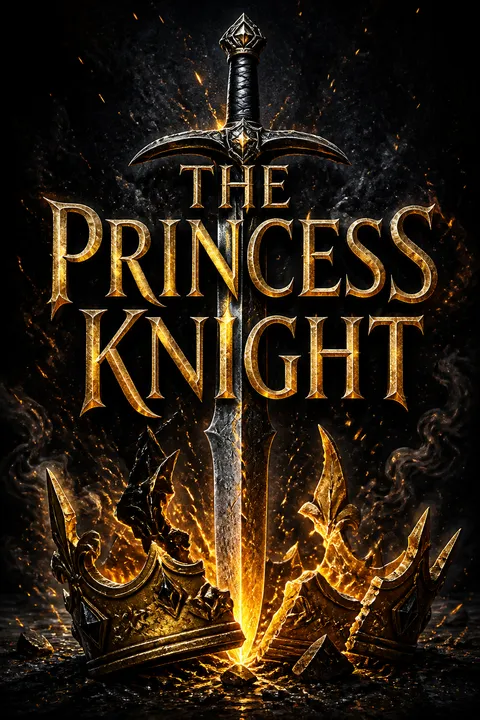

Plot Summary
War Monk's Warning
Gemma Smythe, a fierce war monk, returns to her order only to be warned by her mentor, Joshua, of a prophecy: her sister Beatrix is destined to become queen, but may lack a soul. The brotherhood, fearing Beatrix's rule, plots her assassination. Joshua secretly sends Gemma home to protect her family, setting in motion a chain of events that will fracture kingdoms and test loyalties. Gemma's sense of duty and her complicated relationship with her sisters—Keeley, the blacksmith queen, and Beatrix, the ambitious youngest—form the emotional core of the coming conflict. The stage is set for a battle not just for crowns, but for the soul of the land itself.
Sisters Divided, Kingdoms Split
Two years later, the land is split: Keeley rules the west, Beatrix the east, each with their own armies and ambitions. Gemma, now a general, fights to protect Keeley from Beatrix's machinations. The sisters' bond is strained by betrayal—Beatrix's hunger for power led her to stab Keeley, shattering their family. The world is on the brink of war, with old alliances broken and new ones forged in blood. Gemma's loyalty is torn between her duty as a war monk and her love for her family, while Beatrix's cold ambition threatens to consume them all.
Blood, Battle, and Betrayal
Amidst brutal battles, Gemma's prowess is unmatched, but her heart is heavy with suspicion and grief. Keeley's refusal to stay safe frustrates Gemma, while Beatrix's manipulations grow ever more dangerous. The sisters' interactions are laced with old wounds and new resentments. The battlefield becomes a place not just of physical combat, but of emotional reckoning, as Gemma struggles to reconcile her violent calling with the pain of familial betrayal. The cost of leadership and the scars of war are etched into every decision.
The Soulless Queen Rises
In the east, Beatrix consolidates power alongside her husband, King Marius. Her reputation as soulless is not just rumor—her actions are calculated, her empathy absent. She orchestrates the destruction of religious orders, seeking artifacts of power and eliminating threats. Her marriage is a cold alliance, and even her husband fears her. Beatrix's rise is marked by cunning, manipulation, and a willingness to sacrifice anyone, even family, for the crown. Her rule casts a shadow over the land, and her plans threaten to unleash chaos.
Sanctuary Defiled
The pacifist monasteries, once places of healing, are found massacred—bodies piled high, artifacts stolen. Gemma, Keeley, and their allies investigate, realizing the attacks are not random but part of a larger scheme. The desecration of holy places signals a new kind of war, one that targets the soul of the land. The sisters must navigate not only external threats but the internal rot of their world. The loss of sanctuary is both literal and symbolic, as nowhere is safe from the ambitions of those who would rule at any cost.
The Gathering Storm
As the threat grows, Keeley gathers a council of warriors, centaurs, and outcasts. Old rivalries flare, but necessity forges new bonds. Gemma's drinking and anger are symptoms of deeper wounds, while Keeley's optimism is tested by the realities of leadership. The group investigates the theft of religious artifacts, suspecting Beatrix's involvement. The storm of war gathers, with each character forced to confront their own demons and the shifting loyalties of those around them. The fate of the land hangs in the balance.
Wolves, Centaurs, and Family
The Smythe family's eccentricities—demon wolves, centaur allies, and a blacksmith mother—are both strength and vulnerability. Gemma's training is interrupted by attacks from Keeley's wolves, symbolizing the unpredictable nature of their world. The family's dynamic is a blend of love, rivalry, and chaos. The presence of magical creatures blurs the line between the mundane and the supernatural, reflecting the complexity of the sisters' relationships and the challenges they face as war looms.
The Monastery's Fall
Gemma returns to her order, only to find it divided and under new, corrupt leadership. Her mentor Joshua is dead, replaced by the predatory Sprenger. The monastery, once a place of honor, is now a battleground of politics and old grudges. Gemma's past trauma resurfaces as she confronts Sprenger, who once tried to assault her. The brotherhood's fall mirrors the collapse of old certainties, forcing Gemma to choose between loyalty to her order and her own moral code.
The Challenge of Power
Sprenger seeks to expel Gemma, but she invokes the ancient right of Challenge—a duel to determine leadership. The fight is brutal, fueled by years of hatred and betrayal. Gemma's victory is both personal and political, as she exposes Sprenger's crimes and claims her place as a leader. The battle is not just for rank, but for the future of the brotherhood and the values it represents. The cost is high, and the scars—physical and emotional—will linger.
Allies and Enemies Alike
With the brotherhood fractured, Gemma must unite former enemies—war monks, witches, priests, and assassins—against the greater threat of Cyrus, a religious fanatic waging a holy war. Old grudges are set aside as survival becomes paramount. The group's journey is fraught with tension, humor, and unexpected camaraderie. The blending of diverse faiths and skills is both a source of strength and a challenge, as trust must be earned anew. The lines between ally and enemy are never clear.
The Undead Horse Returns
Gemma's beloved warhorse, Kriegszorn, is resurrected through forbidden magic, but the spell goes awry—Kriegszorn becomes an undead abomination, both loyal and monstrous. The horse's unnatural existence is a symbol of the costs of war and the dangers of tampering with life and death. Gemma's guilt and love for Kriegszorn mirror her struggles with her own choices and the burdens of leadership. The undead horse becomes both weapon and warning as the final battles approach.
The Price of Loyalty
As Cyrus's armies close in, the brotherhood makes a last stand, sacrificing themselves to buy time for Gemma and the next generation to escape. The cost of loyalty is measured in blood and loss. Gemma is forced to leave her mentors and friends behind, carrying the weight of their hopes and the future of the order. The escape through secret tunnels is both literal and metaphorical—a passage from the old world to the new, marked by grief and determination.
The Queen's Hammer
Keeley seeks the aid of dwarves to forge a new hammer, a weapon both mundane and magical. The process is a testament to her blacksmith's skill and her unique place between worlds. The hammer becomes a symbol of hope and resistance, its creation blessed by the war god Morthwyl himself. Keeley's encounter with the divine is both awe-inspiring and grounding, reminding her—and the reader—that true power is forged in humility, craftsmanship, and the willingness to fight for others.
The Tunnel of Slaves
Gemma infiltrates Beatrix's castle and discovers a tunnel built with child slave labor, stolen from conquered tribes. The revelation is shattering—Beatrix's ambition has crossed every moral line. The rescue of the children becomes a race against time, as Gemma and her allies use magic and cunning to free them and destroy the tunnel. The horror of slavery and the abuse of power are confronted head-on, forcing Gemma to reckon with the true nature of her sister's rule.
The Siege of Faith
Cyrus's armies, protected by stolen artifacts, lay siege to Keeley's forces. The battle is fought on multiple fronts—physical, magical, and spiritual. Old enemies arrive as unexpected allies, and the gods themselves intervene. Keeley's hammer, the centaurs, and the war monks all play crucial roles. The siege is a crucible, burning away illusions and forging new bonds. The cost is immense, but the victory is hard-won and transformative.
Gods Among Mortals
As the battle reaches its climax, the war god Morthwyl appears, dragging Cyrus's soul to hell and praising Keeley's craftsmanship. The presence of the divine is both terrifying and validating, affirming the worth of mortal struggle and sacrifice. The gods' favor is unpredictable, but Keeley's humility and skill earn her a place in their stories. The aftermath is a time of reckoning, as survivors must rebuild and redefine their world.
The End of Cyrus
With Cyrus defeated and Beatrix's crimes exposed, the land begins to heal. The religious sects, once enemies, find common cause in rebuilding. Gemma is urged to become grand master of her order, a role she accepts with humility and resolve. Keeley's queendom becomes a haven for the displaced and the faithful. The sisters' relationship, though scarred, endures. The story ends with the promise of new challenges—dragons on the horizon, and the eternal struggle between power and compassion.
Aftermath and Reckoning
In the aftermath, old wounds are tended and new alliances forged. The sisters confront the cost of their choices, and the land prepares for the next threat—dragons and foreign queens. The cycle of conflict and healing continues, but hope endures. The story closes on a note of hard-won peace, tempered by the knowledge that vigilance and courage will always be needed in a world where power, love, and faith are forever entwined.
Analysis
A modern epic of power, trauma, and sisterhoodThe Princess Knight is a subversive fantasy that interrogates the nature of power, the scars of trauma, and the complexities of family. At its heart is the question: what does it mean to lead, and at what cost? Through the intertwined journeys of Gemma, Keeley, and Beatrix, the novel explores the dangers of unchecked ambition, the necessity of compassion, and the enduring strength of chosen family. The story refuses easy answers—heroes are flawed, villains are human, and victory is always bittersweet. The use of magical realism and dark humor grounds the epic stakes in deeply personal struggles, making the fantastical both relatable and resonant. The lessons are clear: true leadership requires sacrifice, empathy, and the courage to face one's own darkness. In a world where gods walk among mortals and the past is never truly dead, hope is found not in perfection, but in the willingness to fight for others, to forgive, and to rebuild. The novel's ultimate message is one of resilience—the world is broken, but it can be remade, one act of courage at a time.
Review Summary
The Princess Knight is the second book in The Scarred Earth Saga, focusing on war monk Gemma Smythe rather than her sister Queen Keeley. Reviewers consistently praise the book's humor, strong female characters, action-packed battles, and entertaining banter. Most note the romance between Gemma and Quinn takes a backseat to fantasy elements and world-building. While some found Gemma less immediately lovable than Keeley, many warmed to her throughout the story. The epilogue received particular excitement from fans of the connected Dragon Kin series.
People Also Read





Characters
Gemma Smythe
Gemma is the middle Smythe sister, a war monk torn between her violent calling and her deep loyalty to family. Trained for battle and scarred by trauma, she is both fierce and vulnerable. Her psychoanalysis reveals a woman struggling with guilt, anger, and the burden of leadership. Her relationship with Keeley is protective but fraught, while her hatred for Beatrix is rooted in betrayal and fear. Gemma's development is marked by her willingness to sacrifice for others, her struggle with addiction and self-doubt, and her eventual acceptance of her role as a leader and symbol of hope.
Keeley Smythe
Keeley, the eldest sister, is a blacksmith turned queen, known for her strength, optimism, and deep empathy. She is both a nurturer and a warrior, forging alliances and weapons with equal skill. Her psychoanalysis reveals a woman who carries the weight of her family's survival, often at the expense of her own happiness. Her relationship with Gemma is central—supportive yet challenging. Keeley's journey is one of learning to balance compassion with the harsh realities of power, and her encounters with the divine affirm her unique place in the world.
Beatrix Smythe
Beatrix, the youngest sister, is a study in ambition without empathy. Her psychoanalysis reveals a void where love and loyalty should be, replaced by cunning, calculation, and a hunger for power. Her relationships are transactional, even with her husband and siblings. Beatrix's development is a descent into moral darkness, her actions driving much of the conflict. She is both a villain and a tragic figure, her emptiness a warning about the cost of unchecked ambition.
Quinn of the Scarred Earth Clan
Quinn is a centaur warrior, known for his humor, loyalty, and skill in battle. His psychoanalysis reveals a being comfortable with both his animal and human sides, serving as a bridge between worlds. His relationship with Gemma evolves from antagonism to deep partnership, providing her with both challenge and comfort. Quinn's development is marked by his willingness to embrace vulnerability and his role as both protector and equal.
Ragna
Ragna is the war monks' master general, feared and respected for her tactical brilliance and emotional detachment. Her psychoanalysis reveals a woman shaped by discipline, trauma, and a relentless drive for order. Her relationship with Gemma is adversarial but complex, marked by grudging respect. Ragna's development is a study in the dangers and necessities of authority, and her eventual willingness to yield power is both a loss and a liberation.
Joshua
Joshua is Gemma's mentor and the former grand master of the order. His psychoanalysis reveals a man of deep conviction, haunted by the failures of the past but determined to protect the future. His relationship with Gemma is paternal and formative, shaping her values and choices. Joshua's death is a catalyst for much of the story's conflict, and his legacy endures in Gemma's actions and the brotherhood's rebirth.
Sprenger
Sprenger is the antagonist within the brotherhood, a man whose ambition and predatory nature poison the order. His psychoanalysis reveals a narcissist, driven by entitlement and a need to dominate. His relationship with Gemma is one of victim and abuser, and his rise to power is a microcosm of the story's larger themes of corruption and resistance. Sprenger's defeat is both personal and symbolic, marking a turning point for the order.
Ainsley Smythe
Ainsley is the youngest Smythe sister, often ignored but possessing remarkable skill as an archer and observer. Her psychoanalysis reveals a longing for recognition and a quiet resilience. Her relationship with her sisters is marked by both frustration and loyalty. Ainsley's development is a journey from invisibility to agency, her actions often pivotal in moments of crisis.
Kriegszorn
Kriegszorn is Gemma's beloved horse, resurrected through necromancy and transformed into an undead creature. The horse's existence is both a weapon and a warning, embodying the costs of war and the dangers of tampering with life and death. Kriegszorn's loyalty and monstrosity mirror Gemma's own struggles, and the horse's fate is intertwined with the story's themes of love, loss, and redemption.
Agathon
Agathon is Beatrix's Follower of Her Word, a man shattered by fear and guilt. His psychoanalysis reveals a survivor, traumatized by his proximity to power and desperate for escape. His relationship with Gemma is one of dependency and gratitude, and his eventual role as an informant is both redemptive and tragic. Agathon's development is a testament to the collateral damage of tyranny.
Plot Devices
Dual Narrative Structure
The novel employs a dual narrative structure, alternating between Gemma's journey and Beatrix's rise, with Keeley as the emotional fulcrum. This structure allows for deep exploration of contrasting values—compassion versus ambition, loyalty versus betrayal. The parallel arcs heighten tension and underscore the stakes, as each sister's choices reverberate across the land.
Foreshadowing and Prophecy
The story is driven by prophecy and visions—Joshua's warning about Beatrix, the seer's predictions, and Gemma's nightmares. These elements foreshadow key events and create a sense of inevitability, while also challenging characters to defy or fulfill their fates. The tension between destiny and agency is a recurring theme.
Found Family and Chosen Allies
The assembly of a diverse group—war monks, witches, priests, assassins, centaurs—reflects the theme of found family and chosen allies. Old grudges are set aside as survival demands cooperation, and the blending of skills and perspectives becomes a source of strength.
Magical Realism and Necromancy
The use of magic—necromancy, divine intervention, enchanted artifacts—serves as both weapon and warning. The resurrection of Kriegszorn, the forging of Keeley's hammer, and the intervention of gods blur the line between the mundane and the supernatural. Magic is never without cost, and its misuse is a central danger.
Symbolism of Weapons and Animals
Weapons and animals are not just tools but extensions of the characters' identities. Keeley's hammer, Gemma's undead horse, and the demon wolves all symbolize aspects of their owners—strength, sacrifice, loyalty, and the dangers of unchecked power. These symbols deepen the emotional resonance of the story.
Cycles of Betrayal and Redemption
The story is structured around cycles—betrayal, loss, and the struggle for redemption. The fall and rebirth of the brotherhood, the shifting alliances, and the sisters' evolving relationships all reflect the possibility of change and the enduring hope for a better future.
About the Author

Download PDF
Download EPUB
.epub digital book format is ideal for reading ebooks on phones, tablets, and e-readers.








































