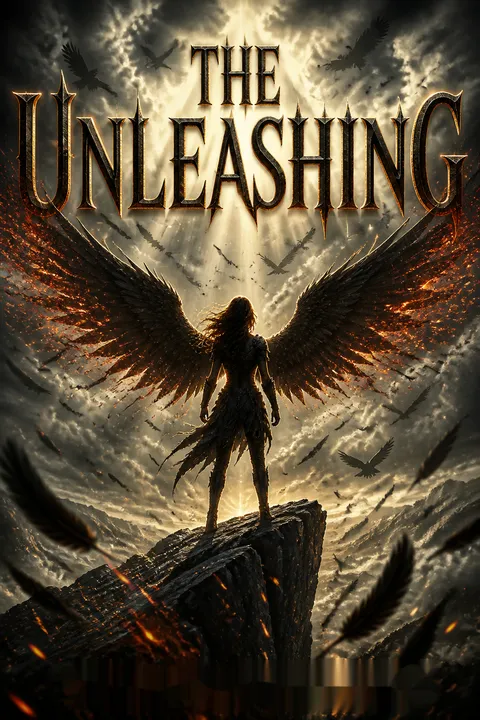

Plot Summary
Death and Second Chances
Kera, a former Marine, is murdered while intervening in an alleyway assault. As she slips away, she's approached by Skuld, a veiled Norse goddess, who offers her a second life as a Crow—one of Skuld's chosen warriors. Kera's only condition is that her loyal pit bull, Brodie, comes with her. Skuld agrees, and Kera awakens in a strange mansion, alive but changed, with Brodie at her side—now transformed and powerful. The shock of death, the confusion of rebirth, and the overwhelming sense of being out of place set the emotional tone, as Kera is thrust into a world of myth, violence, and sisterhood, where her old life is gone and a new, uncertain destiny awaits.
The Crows' Chaotic Welcome
Kera's introduction to the Crows is anything but orderly. The mansion, known as the Bird House, is filled with women from all backgrounds, each with their own quirks and powers. The Crows are irreverent, disorganized, and fiercely loyal to each other, but they're also quick to bicker and fight. Kera's military discipline clashes with their freewheeling ways, and her attempts to bring order are met with resistance and mockery. She learns that the Crows are not just a fighting force but a found family, bound by rage and loyalty rather than rules. The emotional undercurrent is one of alienation and the longing for belonging, as Kera struggles to find her place among these wild sisters.
New Powers, Old Wounds
As Kera acclimates, she realizes she's been gifted with supernatural strength—a manifestation of her dying wish to be able to protect herself and others. The Crows each have unique powers, often tied to their final moments or deepest desires. Kera's trauma from her violent death and her military past resurfaces, especially as she's forced to confront the reality that her new role involves sanctioned killing. The tension between her moral compass and the Crows' brutal purpose is palpable. Meanwhile, her bond with Brodie deepens, as the dog becomes both a comfort and a symbol of her new life. The chapter explores the pain of transformation and the struggle to reconcile past and present selves.
The Raven Connection
Kera's only familiar face is Vig Rundstöm, a quiet, imposing Raven who frequented her old coffee shop. Vig, who helped petition Skuld for Kera's second chance, becomes her anchor in this new world. Their connection grows from awkward gratitude to mutual attraction, complicated by the ancient rivalry and uneasy alliance between Crows and Ravens. Vig introduces Kera to the broader world of the Clans—Ravens, Valkyries, Giant Killers, and more—each serving different gods and purposes. Through Vig, Kera glimpses the possibility of love and acceptance, but also the dangers of divided loyalties and the ever-present threat of violence that defines their existence.
Learning the Crow Code
The Crows' motto—"let rage be your guide"—is both a blessing and a curse. Kera is taught that their power comes from embracing their anger and channeling it into battle. She struggles with the expectation to kill without hesitation, especially when the targets are not always clear-cut villains. Training is haphazard, and Kera's attempts to instill discipline are met with resistance. She's forced to confront the darker aspects of herself, questioning whether she can—or should—become the kind of killer the Crows demand. The emotional arc is one of internal conflict, as Kera grapples with the meaning of justice, vengeance, and sisterhood.
Struggling to Belong
Despite her growing skills and the grudging respect of some Crows, Kera remains an outsider. Her military background makes her rigid, and her moral qualms set her apart from the more ruthless sisters. She clashes with Erin, her assigned mentor, in a series of escalating confrontations that culminate in a brutal, cathartic fight. The Crows' tough love is both alienating and transformative, forcing Kera to confront her own limits and the cost of belonging. The emotional stakes rise as Kera realizes that acceptance comes not from conformity, but from embracing her own strength and flaws within the chaotic Crow family.
The First Hunt
Kera is thrown into her first real hunt—a mission to retrieve a stolen magical artifact from a group of witches. The job is supposed to be simple, but Kera's reluctance to kill and her insistence on non-lethal solutions put her at odds with her team. When violence erupts, Kera hesitates, unable to deliver the killing blow, and the target escapes. Her failure is met with disappointment and scorn from some Crows, while others see potential in her compassion. The experience is a crucible, testing her resolve and forcing her to confront the reality of her new life: sometimes, survival means embracing the darkness within.
Unleashing the Wings
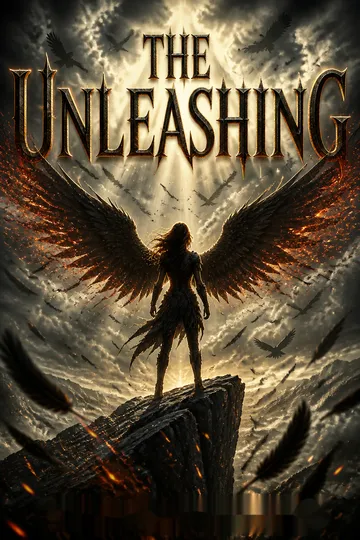
After a series of emotional and physical trials, Kera's wings finally emerge—painfully and spectacularly—marking her full transformation into a Crow. The event is both traumatic and liberating, symbolizing her acceptance of her new identity. The Crows celebrate her initiation in their own rough way, and Kera begins to feel a sense of belonging. However, the awakening of her powers also brings new responsibilities and dangers, as she's now expected to fight—and kill—without hesitation. The emotional arc is one of rebirth, as Kera sheds her old self and embraces the power and rage that define the Crows.
Clashing Loyalties
As Kera grows closer to Vig, she's caught between her loyalty to the Crows and her feelings for a Raven. The ancient enmity between the Clans complicates their relationship, and both face suspicion and hostility from their respective families. Meanwhile, the thefts of magical artifacts and the rise of dark forces threaten to ignite old rivalries and plunge the Clans into chaos. Kera must navigate the treacherous politics of the supernatural world, balancing her personal desires with her duty to her sisters and the gods. The emotional tension is heightened by the fear of betrayal and the longing for connection.
The Cost of Power
The Crows and Ravens discover that the recent surge in violence and theft is part of a larger plot to summon an ancient, destructive goddess—Gullveig. Human sacrifices, stolen artifacts, and the involvement of the Mara (nightmare demons) point to a conspiracy that threatens the balance of the world. Kera learns that every gift from the gods comes with a price, and that her own resurrection—and Brodie's—required a sacrifice she never intended. The emotional weight of unintended consequences and the burden of power drive Kera to question her place in the grand scheme, even as she prepares to face the coming storm.
The Mara's Nightmares
The Mara, ancient beings who feed on fear and nightmares, launch a devastating assault on the Clans. Their ability to induce paralyzing terror and manipulate dreams pushes the Crows and Ravens to their limits. Kera, haunted by her own traumatic memories, must find the strength to resist the Mara's influence and rally her sisters. The battle is brutal and costly, but it forges new bonds between the Clans and reveals hidden strengths in Kera and her allies. The emotional climax is one of catharsis, as Kera confronts her deepest fears and emerges stronger, ready to face the ultimate threat.
The Gods' Hidden Games
As the Clans regroup, it becomes clear that the gods are playing a dangerous game, using their human champions as pawns in a cosmic struggle. Freyja, Skuld, and other deities intervene, each with their own agendas and secrets. Kera is tasked by Freyja to recover the lost necklace Brísingamen, a quest that promises answers but also greater peril. The lines between friend and foe blur, and Kera must navigate the shifting alliances and hidden motives of gods and mortals alike. The emotional tone is one of awe and frustration, as Kera realizes the limits of her agency in a world ruled by capricious powers.
Facing the Past
To truly become a Crow, Kera must face her own history—her troubled relationship with her mother, the trauma of her death, and the fear that she's not cut out for this life. A vision from the Crow Seer reveals the origins of the Crows: women who, in death, chose rage and vengeance over submission, becoming Skuld's first warriors. Kera sees herself reflected in their struggle and finds the courage to embrace her own rage—not as a curse, but as a source of strength and justice. The emotional resolution is one of acceptance and empowerment.
The Crow's True Purpose
With new understanding, Kera returns to her sisters, ready to fight not just for survival, but for the ideals that define the Crows: loyalty, justice, and the refusal to be victims. She reconciles with Erin and the others, forging bonds of trust and respect. The Crows, once a chaotic and fractious group, begin to function as a true team, united by shared purpose and hard-won camaraderie. Kera's journey from outsider to leader is complete, as she claims her place among the harbingers of death—and life.
The Hammer and the Necklace
Armed with Freyja's hammer and a renewed sense of purpose, Kera leads her sisters on a quest to recover the stolen necklace. The journey is fraught with danger, as rival Clans, cultists, and supernatural enemies converge. The stakes are raised when it's revealed that the Mara and their human allies are close to summoning Gullveig, whose return would spell disaster for gods and mortals alike. Kera's leadership and the unity of the Crows are put to the ultimate test, as they race against time to prevent catastrophe.
The Mara's Assault
The Mara launch a full-scale assault, using nightmares and violence to break the Clans' resistance. The Crows and Ravens, joined by unlikely allies, fight a desperate battle to protect the world from Gullveig's return. Kera faces her greatest challenge yet, confronting both external enemies and the darkness within herself. The fight is brutal, with heavy losses and moments of despair, but the Crows' rage and loyalty carry them through. In the end, it is Kera's compassion and determination that turn the tide, as she refuses to let the cycle of vengeance consume her or her sisters.
The Battle for Balance
With Gullveig defeated (for now) and the Mara driven back, the Clans must reckon with the aftermath. Old grudges are set aside as new alliances are forged, and the gods' games continue in the background. Kera, now fully a Crow in spirit and deed, helps establish a new sense of order and purpose among her sisters. She also finds a new calling—helping veterans and the lost find their own second chances, just as she was given. The emotional resolution is one of hope and renewal, as the Crows look to the future, ready to face whatever comes next.
Becoming a Crow
In the aftermath, Kera finds peace with her new life, her sisters, and her love for Vig. She understands that being a Crow is not about blind rage or mindless violence, but about choosing to fight for those who cannot fight for themselves, and refusing to be defined by past trauma. The Crows, once outcasts and harbingers of death, become a force for balance and justice in a world teetering on the edge. Kera's journey—from death to rebirth, from outsider to leader—ends with her fully embracing her destiny as a Crow, ready to face the next battle with wings unfurled.
Analysis
Shelly Laurenston's The Unleashing is a bold, irreverent reimagining of Norse mythology, urban fantasy, and the found family narrative. At its core, the novel is about transformation—how trauma, rage, and the refusal to be a victim can become sources of power and connection. Through Kera's journey from death to rebirth, outsider to leader, the story explores the complexities of identity, belonging, and the cost of agency in a world shaped by both divine and human forces. The Crows, as a sisterhood forged in violence and loyalty, challenge traditional notions of heroism and femininity, embracing rage not as a flaw but as a tool for justice and survival. The novel's humor, diversity, and subversion of genre expectations make it both entertaining and thought-provoking, while its psychological depth invites readers to consider the ways in which we all seek second chances, community, and the courage to face our own darkness. Ultimately, The Unleashing is a celebration of resilience, the power of chosen family, and the enduring human (and inhuman) capacity for transformation.
Review Summary
The Unleashing receives mixed reviews, averaging 3.91 stars. Many readers praise its humor, Norse mythology world-building, and entertaining characters, particularly the Viking hero Vig and Kera's pit bull Brodie. Fans enjoy the action-packed, comedic tone despite the dark premise. Common criticisms include an overwhelming number of characters and POVs in the opening chapters, causing confusion. Some readers DNF'd early, while others pushed through and found the story rewarding. The romance is described as light, with the focus more on female bonding and action.
People Also Read
Characters
Kera Watson
Kera is a former Marine whose sense of duty and justice leads to her murder and subsequent resurrection as a Crow. Her journey is defined by the struggle to reconcile her disciplined, compassionate nature with the Crows' chaotic, violent ethos. Haunted by trauma and a difficult family history, Kera's psychological arc is one of transformation: from outsider and skeptic to empowered leader and sister. Her relationship with Vig provides both grounding and tension, as she navigates love across Clan lines. Kera's development is marked by her refusal to abandon her moral compass, ultimately redefining what it means to be a Crow—not just a harbinger of death, but a champion of second chances and justice.
Vig Rundstöm
Vig is a Swedish Raven, a blacksmith, and Kera's unlikely savior and love interest. Quiet, intense, and deeply loyal, Vig is both an outsider and a pillar within his Clan. His own trauma and sense of displacement mirror Kera's, and their bond is forged through mutual respect and shared struggle. Vig's role as a bridge between Crows and Ravens is crucial, as he helps Kera navigate the complexities of the supernatural world and her own powers. Psychologically, Vig is marked by a deep sense of responsibility and a longing for connection, which he finds in Kera and his chosen family.
Erin Amsel
Erin is Kera's assigned mentor—a brash, sarcastic, and fiercely independent Crow with the power to wield fire. Her abrasive exterior masks deep loyalty and a complex relationship with vulnerability. Erin's dynamic with Kera is antagonistic but ultimately transformative, as both women challenge and change each other. Erin's psychological arc involves learning to temper her cynicism with empathy, and to accept the responsibilities of mentorship and sisterhood. Her journey is one of reluctant growth, as she moves from self-sabotage to genuine connection.
Brodie Hawaii
Brodie is more than a pet—she is Kera's anchor, companion, and, after resurrection, a supernatural force in her own right. Brodie's transformation from abused stray to powerful Crow-dog mirrors Kera's own journey. Her unwavering loyalty and protective instincts provide emotional grounding for Kera, while her new abilities symbolize the possibilities and costs of second chances. Brodie's presence also serves as a catalyst for Kera's integration into the Crow family, embodying the themes of loyalty, transformation, and the enduring bonds of love.
Chloe Wong
Chloe is the formidable, often abrasive leader of the L.A. Crows. Her authority is unquestioned, but her personal life—especially her tumultuous relationship with her ex-husband, Josef—reveals vulnerability beneath the surface. Chloe's psychological complexity lies in her struggle to balance leadership, personal pain, and the demands of the gods. She is both a source of strength and a cautionary example for Kera, embodying the costs of power and the necessity of loyalty. Chloe's development is marked by moments of surprising empathy and the burden of keeping her Clan together in the face of existential threats.
Tessa Kelly
Tessa is Chloe's right hand and the team's emotional anchor. A nurse by profession, Tessa manages both the practical and emotional needs of the Crows, often mediating conflicts and providing care. Her psychological profile is defined by a deep sense of responsibility and a talent for managing chaos. Tessa's calm, nurturing presence contrasts with the volatility of her sisters, making her indispensable in both battle and daily life. Her development is subtle but significant, as she learns to balance her own needs with those of the Clan.
Annalisa Dinapoli
Annalisa's journey from diagnosed sociopath to emotionally awakened Crow is one of the most striking psychological arcs in the story. Gifted with new feelings by Skuld, she struggles to adapt to empathy and connection, often using her forensic skills to analyze both enemies and sisters. Annalisa's outsider perspective provides insight into the Crows' dynamics and the nature of transformation. Her development is marked by the tension between her old self and her new, as she learns to value loyalty, vulnerability, and the messy realities of sisterhood.
Jace (Jacinda Berisha)
Jace is a quiet, introverted Crow whose gift is pure, uncontrollable rage—a berserker state that makes her both a weapon and a liability. Her psychological struggle centers on control, trauma, and the fear of her own power. Jace's journey is one of gradual integration, as she learns to trust her sisters and channel her rage for the good of the Clan. Her bond with Kera and the other Crows is hard-won, symbolizing the possibility of healing and acceptance even for the most damaged souls.
Frieda
Frieda leads the Giant Killers, Thor's Clan, and serves as both antagonist and uneasy ally to the Crows. Her old-school Viking mentality and disdain for the Crows' methods create tension and conflict, but shared threats force cooperation. Frieda's psychological profile is defined by pride, tradition, and a grudging respect for strength—qualities that both clash with and complement Kera's journey. Her development is tied to the broader theme of forging alliances in the face of greater dangers.
Skuld
Skuld is the enigmatic Norse goddess who resurrects Kera and the other Crows. Her motivations are inscrutable, and her interventions are both a blessing and a curse. Skuld's psychological presence is felt throughout the story as a force of balance, change, and sometimes cruelty. She embodies the capriciousness of the divine and the costs of power, serving as both guide and obstacle for Kera and her sisters. Her development is less personal and more thematic, representing the larger forces at play in the world.
Plot Devices
Death and Resurrection as Transformation
The central device is the resurrection of women who died violently, granting them supernatural powers tied to their final moments or deepest desires. This mechanism explores themes of trauma, agency, and rebirth, allowing characters to confront and transcend their pasts. The process is both empowering and fraught, as each resurrection comes with a price—personal, moral, or cosmic. The device also serves as a metaphor for second chances and the possibility of rewriting one's destiny.
Found Family and Chosen Sisterhood
The Crows are not a traditional family but a chosen one, bound by shared trauma, rage, and the need for belonging. The narrative structure emphasizes the formation and testing of these bonds through conflict, humor, and mutual support. The device of found family allows for deep exploration of identity, acceptance, and the complexities of female relationships, contrasting with the often patriarchal structures of the other Clans.
Mythological World-Building and Clan Politics
The story weaves Norse myth into contemporary Los Angeles, creating a rich tapestry of Clans, gods, and supernatural politics. The use of multiple Clans—each with distinct cultures, powers, and rivalries—provides a dynamic backdrop for personal and collective struggles. Foreshadowing is employed through prophecies, visions, and the machinations of the gods, building tension and anticipation for larger conflicts.
The Cost of Power and Moral Ambiguity
The narrative repeatedly underscores that power—whether magical, physical, or emotional—comes at a cost. Characters must grapple with the moral ambiguity of their actions, the unintended consequences of their choices, and the demands of the gods. This device deepens the psychological realism of the story, forcing characters to confront the limits of agency and the burden of responsibility.
Humor and Subversion of Genre Tropes
The story employs earthy humor, screwball banter, and subversion of urban fantasy and romance tropes to both entertain and disarm. This device allows for moments of levity amid darkness, while also critiquing the expectations placed on women, warriors, and heroes. The humor is both a survival mechanism and a means of building intimacy among characters.
Call of Crows Series
About the Author
Other books by Shelly Laurenston


Download PDF
Download EPUB
.epub digital book format is ideal for reading ebooks on phones, tablets, and e-readers.








































