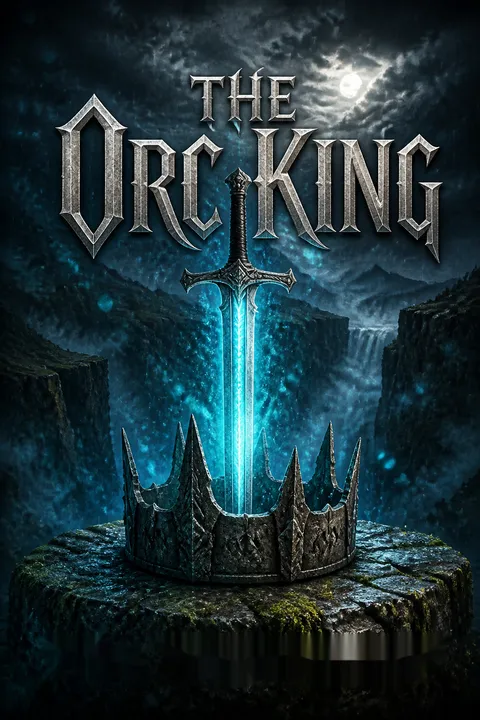

Plot Summary
Vigilantes in the Twilight
Drizzt Do'Urden, the famed drow ranger, observes a group of self-righteous vigilantes—Casin Cu Calas—who take pride in slaughtering orcs. Disgusted by their hypocrisy and violence, Drizzt intervenes, using his skill and the aid of his magical panther Guenhwyvar to subdue them. The encounter is a microcosm of the region's tensions: old hatreds, cycles of violence, and the struggle to see orcs as more than monsters. Drizzt's actions reflect his commitment to justice over vengeance, but also his weariness with a world that refuses to change. The scene sets the tone for the book's exploration of prejudice, the cost of peace, and the difficulty of breaking from the past.
Orc King's Dilemma
King Obould VI, ruler of the orc Kingdom of Many-Arrows, faces a crossroads. He dreams of a future where orcs are not hunted, where they can build, trade, and even intermarry with other races. Yet, he is beset by rivals who cling to the old ways of conquest and bloodshed. Obould's vision is radical, and even his own people question his strength. The king's internal struggle is mirrored by external threats: shamans and warlords who see his diplomacy as weakness, and neighbors who cannot let go of ancient enmity. Obould's efforts to forge a new identity for his people are fraught with peril, and his every move is watched by those eager for war.
Wounds and Winter
As winter deepens, the heroes of Mithral Hall—Bruenor, Catti-brie, Wulfgar, Regis, and Drizzt—grapple with personal wounds and the aftermath of war. Catti-brie's injury leaves her limping, Wulfgar mourns his lost wife Delly and searches for his adopted daughter Colson, and Bruenor obsesses over the legendary lost city of Gauntlgrym as a possible salvation. The cold, both literal and emotional, isolates them, but also forces moments of reflection and honesty. Their bonds are tested by grief, guilt, and the uncertainty of what the future holds as orc armies gather outside their doors.
The Gathering Storm
Beneath the surface, rival orc clans and ambitious shamans plot to unseat Obould and return to the old ways of war. The monstrous Clan Karuck, bred for battle, emerges from the Underdark, their arrival orchestrated by conspirators who see Obould's peace as betrayal. Meanwhile, elves and dwarves prepare for renewed conflict, and rumors of unrest spread. The fragile peace is threatened from within and without, as old wounds fester and new provocations arise. The region teeters on the edge of chaos, with every side convinced of its own righteousness.
The Will of Gruumsh
The cult of Gruumsh, orc god of war, finds new champions in the ambitious Grguch and his war priest Hakuun. Their rise is marked by brutal displays of strength and the manipulation of tradition to justify bloodshed. The conspirators—Toogwik Tuk, Dnark, and Ung-thol—use religious fervor to rally support for a new war, even as Obould's vision is undermined. The tension between progress and fanaticism becomes a central conflict, with the fate of the orc nation and the wider Silver Marches hanging in the balance.
Fractures and Farewells
Wulfgar's journey to recover Colson leads him through grief and self-discovery, culminating in a painful decision to return the child to her birth mother. Catti-brie and Drizzt's relationship deepens, but is shadowed by the knowledge that time and mortality will eventually separate them. Bruenor, driven by duty and legend, prepares for a desperate quest. The companions must each confront what they are willing to sacrifice for love, loyalty, and the hope of a better world. Their choices echo the larger themes of the book: the cost of change, and the pain of letting go.
The Road to Gauntlgrym
Bruenor leads a small band—including Drizzt, Regis, and trusted dwarves—on a perilous journey to the supposed site of Gauntlgrym. Their descent into the ancient ruins is fraught with danger, including extraplanar monsters and the haunting sense of lost glory. The city they find is not what legend promised: it is a place where dwarves and orcs once lived side by side, a forgotten experiment in coexistence. The revelation shakes Bruenor's faith and forces the group to question the narratives they have inherited. The past, it seems, is more complicated than anyone wished to believe.
The Language of Enemies
Nanfoodle and Regis labor to decipher the writings of the lost city, discovering a hybrid language that blends Dwarvish and Orcish. The evidence points to centuries of cooperation, not just conflict, between the two peoples. This challenges the foundational myths of both races and raises questions about the possibility of peace. Bruenor is forced to confront his own prejudices, and the group debates whether the lessons of the past can guide the present. The discovery becomes a metaphor for the book's central dilemma: can enemies become neighbors, or are cycles of hatred inevitable?
The Moonwood Ambush
The Moonwood becomes a battleground as orc raiders, led by Grguch and aided by cunning drow, ambush the elves. The attack is devastating, claiming the lives of beloved characters like Innovindil and her pegasus, Sunset. The elves, reeling from the loss, suspect drow treachery and vow revenge. The brutality of the ambush reignites old hatreds and threatens to unravel the fragile alliances that have kept the region from all-out war. The cost of peace is measured in blood, and the desire for vengeance grows.
The Surbrin Bridge Falls
As spring arrives, the orc horde—swelled by Clan Karuck and their allies—launches a surprise attack on the dwarven wall and the nearly completed bridge over the Surbrin. Despite the magical might of Lady Alustriel and her wizards, the defenders are overwhelmed. The bridge is destroyed, the wall breached, and the dwarves are forced into a desperate retreat. The loss is both strategic and symbolic, severing Mithral Hall from its allies and emboldening the warlike factions among the orcs. The dream of lasting peace seems further away than ever.
Betrayal and Redemption
The drow Tos'un Armgo, once an enemy, becomes a wild card. Haunted by his past and manipulated by the sentient sword Khazid'hea, Tos'un is torn between self-preservation and the possibility of redemption. Drizzt, recognizing a kindred spirit, gambles on Tos'un's potential for change, even as others demand his death. Tos'un's actions—saving allies, betraying conspirators—blur the line between villain and hero. His journey mirrors the book's larger questions about trust, forgiveness, and the capacity for transformation.
The Duel of Kings
The internal struggle for the soul of the orc nation comes to a head as Obould and Grguch face off in single combat, each embodying a different vision for their people. The duel is brutal and decisive, with Obould ultimately victorious—thanks in part to the intervention of Bruenor and the chaos of battle. The outcome determines the future of Many-Arrows: will it be a kingdom of endless war, or one that dares to seek peace? The cost is high, and the scars will linger, but a new path is forged in blood and fire.
The Treaty of Garumn's Gorge
In the aftermath of the battle, Bruenor and Obould meet on the bridge over Garumn's Gorge to sign a historic treaty. The agreement recognizes the Kingdom of Many-Arrows and establishes a fragile peace between dwarves and orcs. The ceremony is both triumphant and bittersweet, as old enemies struggle to trust one another and the wounds of war remain fresh. The moment is a turning point, not just for the region, but for the characters themselves, who must now live with the consequences of their choices.
The Weight of Change
As the dust settles, the characters reflect on what has been gained and lost. Wulfgar, having returned Colson to her mother, finds peace in the wilds of Icewind Dale. Catti-brie and Drizzt contemplate the future, knowing that time and mortality will eventually separate them. Bruenor, haunted by the revelations of the lost city and the compromises of peace, wonders if he has done the right thing. The world has changed, but not without cost. The struggle between tradition and progress, vengeance and forgiveness, continues.
Wulfgar's Last Goodbye
Wulfgar's journey comes full circle as he leaves behind the halls of Mithral Hall and the Companions of the Hall. His decision to return Colson to her mother and seek a new life in Icewind Dale is both an act of love and a recognition of his own needs. The farewell is painful for all involved, but also liberating. Wulfgar's story is a meditation on grief, redemption, and the courage to walk away from the past. His absence leaves a void, but also a legacy of hope.
The Price of Peace
The peace between dwarves and orcs is hard-won and fragile. Both sides have made sacrifices, and not everyone is satisfied. The memory of the lost city, where dwarves and orcs once lived together, haunts Bruenor and challenges the assumptions of all. The treaty is a beginning, not an end, and the threat of renewed violence lingers. The characters must learn to live with ambiguity, to accept that peace is never perfect, and that the work of reconciliation is ongoing.
The Sword's Temptation
The sentient sword Khazid'hea, passed from hand to hand, becomes a symbol of the seductive power of violence and the difficulty of breaking free from old patterns. Its whispers drive characters to betrayal, but also force them to confront their own desires and fears. Drizzt's decision to entrust the sword to the elves, rather than claim it for himself or return it to Catti-brie, is an act of wisdom and humility. The sword's journey is a cautionary tale about the dangers of unchecked ambition and the importance of self-mastery.
The New Order
The book ends with a sense of cautious optimism. The Treaty of Garumn's Gorge holds, at least for now, and the region enjoys a peace unknown in living memory. The characters, changed by their experiences, look to the future with hope and humility. The lessons of the past—both the failures and the moments of grace—inform their choices. The struggle for a better world continues, but the possibility of change, however fragile, endures.
Analysis
The Orc King is a meditation on the possibility and cost of change, set against a backdrop of war, prejudice, and the struggle for identity. R.A. Salvatore uses the familiar tropes of fantasy—heroic quests, epic battles, sentient swords—to explore deeper questions about forgiveness, leadership, and the nature of progress. The novel refuses easy answers: every act of violence is mirrored by a plea for understanding, and every step toward peace is shadowed by the threat of betrayal. The characters are forced to confront their own limitations and prejudices, and the world they inhabit is revealed to be more complex than the stories they have inherited. The Treaty of Garumn's Gorge is both a triumph and a compromise, a recognition that true peace requires sacrifice, humility, and the willingness to see one's enemies as potential neighbors. In a modern context, the book's lessons are clear: cycles of hatred can only be broken by courage, empathy, and the hard work of building trust. The Orc King is ultimately a hopeful book, but it earns that hope through honesty about the pain and difficulty of change.
Review Summary
The Orc King receives an overall rating of 4.15/5 stars, with readers praising Salvatore's detailed battle scenes and character development, particularly the complex portrayal of antagonist Obould Many-Arrows. Common criticisms include predictable plotting, excessive fight descriptions, and confusion for readers unfamiliar with the extensive backstory. Many appreciated the mature exploration of peace negotiations between traditional enemies and moral ambiguity. The prologue set 100 years in the future divided readers—some found it innovative while others felt it diminished suspense. Reviewers noted this book wraps up the four-book orc war arc while setting up future storylines, though some found the pacing slow and certain subplots tedious.
People Also Read
Characters
Drizzt Do'Urden
Drizzt is the moral and emotional center of the story, a drow who has rejected the cruelty of his people to become a champion of justice. His empathy and willingness to see the good in others set him apart, but also leave him vulnerable to doubt and pain. Drizzt's relationships—with Catti-brie, Bruenor, and even his enemies—are marked by a deep longing for understanding and peace. He is tormented by the cycles of violence he cannot break, yet refuses to give in to despair. Drizzt's journey is one of continual self-examination, as he struggles to reconcile his ideals with the harsh realities of the world.
King Obould VI
Obould is a complex figure, striving to lead his people out of barbarism and into a new era of civilization. His intelligence and charisma are matched by a ruthless pragmatism, and he is constantly challenged by rivals who see his diplomacy as weakness. Obould's internal conflict—between the will of Gruumsh and his own vision—mirrors the larger struggle of the orc nation. He is both a symbol of hope and a reminder of the dangers of unchecked power. Obould's willingness to make peace with his enemies is both his greatest strength and his greatest vulnerability.
Bruenor Battlehammer
Bruenor is a leader shaped by tradition, pride, and a fierce love for his people. His quest for Gauntlgrym is as much about finding answers as it is about preserving the past. Bruenor's journey forces him to confront uncomfortable truths about his own prejudices and the possibility of change. He is both a warrior and a statesman, willing to make hard choices for the greater good. Bruenor's relationship with Drizzt and his willingness to sign the treaty with Obould mark his growth, but also leave him haunted by doubt.
Catti-brie
Catti-brie is the emotional heart of the group, her compassion and intelligence grounding those around her. Her injury is both a physical and symbolic wound, forcing her to adapt and find new ways to contribute. Catti-brie's relationship with Drizzt is marked by deep love and mutual respect, but also by the awareness of mortality and the inevitability of loss. Her willingness to embrace change, to learn magic, and to support those she loves, makes her a model of resilience and grace.
Wulfgar
Wulfgar's arc is one of grief, redemption, and self-discovery. Haunted by the loss of Delly and the burden of fatherhood, he is forced to confront his own limitations and desires. Wulfgar's decision to return Colson to her mother and seek a new life in Icewind Dale is both an act of courage and a recognition of his own needs. His farewell to the Companions of the Hall is bittersweet, marking the end of an era and the beginning of a new journey.
Tos'un Armgo
Tos'un is a study in ambiguity, a former enemy who becomes an uneasy ally. Manipulated by the sentient sword Khazid'hea and haunted by his past, he is constantly at war with himself. Tos'un's actions—saving allies, betraying conspirators—reflect his struggle to find a place in a world that distrusts him. His relationship with Drizzt is one of wary respect, and his ultimate fate is left open, a symbol of the possibility (and limits) of redemption.
Grguch
Grguch is the embodiment of orcish violence and fanaticism, a leader bred for war and revered by those who reject Obould's vision. His rise is marked by brutality and cunning, and his challenge to Obould is both a personal and ideological battle. Grguch's defeat is necessary for peace, but his legacy lingers as a warning of what can happen when hatred is allowed to fester.
Lady Alustriel
Alustriel is the leader of Silverymoon, a powerful wizard and diplomat. Her commitment to peace and her reluctance to rush to war make her both a valuable ally and a source of frustration for Bruenor. Alustriel's pragmatism and wisdom are balanced by a deep empathy, and her support is crucial in the forging of the treaty. She represents the challenges of leadership in a world where every choice has consequences.
Khazid'hea (The Cutter)
Khazid'hea is more than a weapon; it is a character in its own right, whispering to its wielders and driving them to violence. The sword's journey—from Catti-brie to Tos'un to Drizzt and finally to the elves—mirrors the book's themes of power, corruption, and the struggle for self-mastery. Khazid'hea's influence is both seductive and destructive, a cautionary presence throughout the story.
Regis
Regis is the everyman of the group, often underestimated but always present when needed. His courage is quiet, his loyalty unwavering, and his perspective often brings balance to the more headstrong members of the party. Regis's role as translator and mediator in the deciphering of the lost city's texts is crucial, and his survival in the face of overwhelming odds is a testament to the power of friendship and perseverance.
Plot Devices
Parallel Narratives and Moral Ambiguity
The novel employs parallel narratives—Drizzt's philosophical musings, Obould's political struggles, Bruenor's quest for Gauntlgrym, and Wulfgar's personal journey—to explore the complexity of change and the ambiguity of right and wrong. The use of shifting perspectives allows the reader to see events from multiple angles, undermining easy judgments and forcing characters (and readers) to confront their own biases. Foreshadowing is used to build tension, particularly in the lead-up to the battle between Obould and Grguch, and the ultimate signing of the treaty. The recurring motif of ancient texts and lost cities serves as a metaphor for the possibility of reconciliation and the dangers of forgetting the past.
Sentient Weapon as Corrupting Influence
The sentient sword Khazid'hea is a classic plot device, tempting its wielders to betray their values and succumb to bloodlust. Its passage from hand to hand mirrors the shifting allegiances and moral struggles of the characters. The sword's telepathic whispers and ability to influence its bearer add an element of psychological suspense, and its ultimate fate—entrusted to the elves for safekeeping—serves as a resolution to the theme of self-mastery over destructive impulses.
The Treaty as Climax and Turning Point
The signing of the Treaty of Garumn's Gorge is the narrative climax, representing the possibility of change and the cost of peace. The ceremony is fraught with tension, as old enemies must trust one another and accept the compromises necessary for coexistence. The treaty is both an ending and a beginning, setting the stage for a new order while acknowledging the fragility of the peace achieved.
The Lost City as Mirror and Warning
The discovery of a city where dwarves and orcs once lived together challenges the characters' assumptions and serves as a warning against repeating the mistakes of the past. The hybrid language and shared culture uncovered in the ruins force the characters to reconsider the inevitability of conflict and the potential for reconciliation. The city's fate—destroyed by forces unknown—serves as a reminder that peace is always precarious.
Download PDF
Download EPUB
.epub digital book format is ideal for reading ebooks on phones, tablets, and e-readers.








































