
Key Takeaways
1. True courage is not the absence of fear, but acting in spite of it
Seems to me there are lots of ways to be brave, Bob.
Defining true bravery. Bob struggles with his self-image, viewing himself as a coward because of his instinct to run and hide when danger strikes. He compares himself to the idealized "hero dogs" on television who fearlessly charge into burning buildings. However, his journey through the devastating tornado proves that real bravery is not about being fearless, but about taking action even when your heart is pounding with terror.
Overcoming internal doubts. Throughout the storm, Bob repeatedly faces situations that terrify him, yet he pushes forward to help those in need. His actions demonstrate that courage is a choice made in the moment of crisis:
- Rescuing a helpless baby sloth stranded in the debris
- Standing his ground when facing Kimu, a dangerous escaped wolf
- Jumping into a raging creek to save a drowning puppy
Acknowledging personal growth. By the end of his ordeal, Bob realizes that his cynical "tough-guy" persona was merely a shield to hide his vulnerability. True courage allowed him to drop his defenses and risk his life for others, proving that even the smallest, most anxious creature can achieve monumental acts of heroism.
2. Forgiveness is a gift you give yourself to heal from past trauma
When you forgive, you lose your anger, and when you lose your anger, you get weak.
The burden of anger. Bob harbors deep-seated resentment toward the humans who abandoned him and his siblings in a box on a freezing highway. He clings to his anger as a protective armor, believing that forgiving his abusers would make him weak and vulnerable to being hurt again. This emotional barrier prevents him from fully accepting the warmth and security offered by his new human family.
A sister's wisdom. When Bob reunites with his sister Boss in the flooding animal shelter, he is forced to confront his long-held beliefs about resentment. Boss, despite suffering far greater hardships as a stray, offers a contrasting perspective on survival:
- Holding onto anger wastes precious energy needed for daily survival
- Forgiveness is not about condoning bad behavior, but about releasing its hold on you
- Cutting others slack is a prerequisite for finding inner peace
Releasing the past. Through his conversations with Boss, Bob learns that his refusal to forgive was actually keeping him chained to his childhood trauma. By choosing to let go of his bitterness, he frees himself from the emotional prison of his past, allowing him to move forward with a lighter heart.
3. Family is defined by love and shared history, not just biology
For small creatures such as we the vastness is bearable only through love.
Unconventional family bonds. Bob’s closest relationships are not with other dogs, but with a silverback gorilla named Ivan and a baby elephant named Ruby. Having survived the bleak environment of the Exit 8 Big Top Mall together, this mismatched trio forms an unbreakable familial bond. Their connection proves that family is not determined by species or genetics, but by mutual support and shared experiences.
The strength of community. The zoological park serves as a sanctuary where diverse animals form unique, supportive communities that mirror human families. These relationships provide emotional stability and safety:
- Ivan acting as a protective, paternal figure to the young gorillas and Ruby
- The elephant aunts adopting and fiercely protecting the orphaned Ruby
- Julia's family opening their home and hearts to a cynical stray dog
Belonging and acceptance. Bob initially resists the idea of belonging to a family, fearing the pain of inevitable loss. However, the crisis forces him to realize that his love for Ivan, Ruby, and Julia is what truly anchors him to the world, transforming his isolation into a sense of belonging.
4. The instinct for self-preservation must sometimes yield to the needs of others
Way I’ve always figured it, end of the day, you gotta be your own best friend. Look out for numero uno.
The selfish survivor. Having lived as a homeless puppy, Bob’s primary rule of survival has always been to look out for "numero uno." He prides himself on his street-smart selfishness, viewing altruism as a luxury that wild animals cannot afford. This cynical worldview is put to the ultimate test when a natural disaster threatens the lives of his friends.
Shifting priorities. As the tornado ravages the park, Bob's deeply ingrained self-preservation instincts clash with his love for his companions. He repeatedly chooses to put himself in harm's way to ensure the safety of others:
- Navigating a dangerous, ruined landscape to locate Ivan and Ruby
- Helping the elephant herd rescue baby Kudzoo from the muddy moat
- Refusing to abandon the animals trapped in the flooding shelter
The joy of selflessness. By risking his life to save his nephew Rowdy, Bob discovers that true satisfaction comes from protecting those who cannot protect themselves. He learns that while looking out for oneself keeps you alive, looking out for others is what makes life worth living.
5. Animals and humans share a deep, unspoken bond of mutual rescue
Humans love it when we get silly. I think they’re so weighed down by people problems that sometimes they need to be reminded what happy looks like.
The power of connection. The relationship between Bob and his human girl, Julia, highlights the profound emotional connection between dogs and humans. While humans provide shelter, food, and medical care, animals offer unconditional love, emotional healing, and a sense of purpose. This reciprocal relationship is a form of mutual rescue where both parties are saved from their respective loneliness.
Understanding human emotion. Dogs possess an extraordinary ability to read human body language, scents, and emotions, allowing them to provide comfort when it is needed most. Bob observes this dynamic daily:
- Smelling the sharp, sweet scent of sadness in humans
- Offering silly, energetic displays to distract his family from their worries
- Sharing quiet, comforting moments with George during late-night insomnia
A shared survival. During the hurricane, the boundaries between humans and animals blur as they work together to survive. The rescue efforts at the park and the shelter demonstrate that in times of crisis, the bond between species becomes a vital lifeline of hope and cooperation.
6. Nature's unpredictable power can shatter physical walls but strengthen emotional bonds
Walls keep the animals in. But they also keep the bad guys out.
The illusion of security. The tornado that strikes the zoological park instantly demolishes the sturdy stone walls and iron fences designed to keep the animals separated and secure. This sudden destruction reveals the fragility of physical barriers and the unpredictability of the natural world. However, as the physical structures crumble, the emotional connections between the animals are laid bare.
Unity in chaos. In the absence of cages and boundaries, the animals do not descend into conflict; instead, they cooperate to survive the disaster. The crisis fosters unprecedented alliances across species lines:
- The elephant herd working together to rescue a baby gorilla from drowning
- A giraffe providing shelter to a terrified dog beneath his massive legs
- Predators and prey standing side-by-side in shared shock and survival
Rebuilding on trust. The aftermath of the storm proves that true security does not come from concrete walls, but from the trust and love shared within a community. The physical destruction of the park ultimately strengthens the bonds of friendship, showing that emotional connections are far more resilient than any man-made structure.
7. We must learn to forgive ourselves before we can fully accept love
You have to forgive yourself, too.
The weight of guilt. Bob carries a crushing burden of survivor's guilt, believing he abandoned his sister Boss on the highway to save himself. This unresolved guilt convinces him that he is fundamentally a "bad dog" who is unworthy of the comfortable, loving life he now enjoys with Julia. He sabotages his own happiness because he cannot reconcile his past actions with his current comfort.
Confronting the truth. The reunion with Boss in the flooding shelter forces Bob to voice the secret shame he has carried for years. Boss helps him realize that his guilt is irrational and self-destructive:
- They were helpless, tiny puppies incapable of rescuing one another
- Surviving a tragedy does not make you a coward or a criminal
- Holding onto self-blame prevents you from being fully present for those who love you now
Embracing redemption. Once Bob accepts his sister's forgiveness and extends it to himself, his emotional wounds begin to heal. He is finally able to let go of his defensive cynicism and fully embrace the love of his human family and his new nephew, Rowdy.
8. True friendship transcends species, size, and circumstances
When you’ve been through the worst with someone, you appreciate the best.
An unlikely alliance. The friendship between Bob, a tiny Chihuahua mutt, and Ivan, a four-hundred-pound silverback gorilla, is the emotional core of the narrative. Despite their massive difference in size and temperament, they share a deep, intuitive understanding born of shared suffering. Their bond defies the natural order, proving that true friendship is built on empathy rather than outward similarities.
Mutual support systems. Throughout their lives, Bob and Ivan have served as each other's emotional anchors during their darkest moments. Their friendship is characterized by quiet loyalty and active rescue:
- Bob sleeping on Ivan's belly to comfort him during his years of confinement
- Ivan using his immense strength to dig through rubble and rescue trapped animals
- Ruby using her trunk to bridge the physical gap between their separate domains
A lasting legacy. The storm tests their friendship but ultimately confirms its durability. By risking everything to find and save one another, Bob, Ivan, and Ruby demonstrate that a bond forged in adversity can withstand even the most violent storms of life.
9. Survival requires resilience, but thriving requires vulnerability
Look, nobody’s ever accused me of being a good dog.
The armor of cynicism. Bob’s street-dog past taught him to be tough, independent, and deeply suspicious of emotional attachments. He uses humor, sarcasm, and a feigned indifference to keep others at a distance, believing that vulnerability is a dangerous weakness. While this defensive strategy kept him alive on the streets, it also kept him isolated and emotionally stunted.
The cost of isolation. Living solely for survival prevents Bob from experiencing the true depth of the relationships around him. The catastrophic storm forces him to shed his protective armor and expose his true feelings:
- Admitting his terror and crying out for help when he is overwhelmed
- Expressing his deep love and worry for Ivan, Ruby, and Julia
- Opening his heart to care for a helpless, demanding puppy
Learning to thrive. By allowing himself to be vulnerable, Bob transitions from a mere survivor to a dog who is truly thriving. He learns that opening oneself up to the possibility of pain is the only way to experience the profound joy of loving and being loved in return.
Review Summary
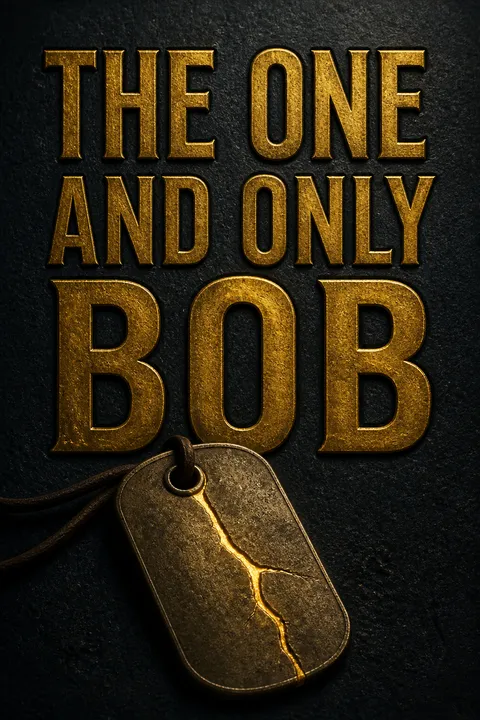
The One and Only Bob receives an overall rating of 4.23/5. Many readers praise its humor, heart, and themes of friendship, forgiveness, and courage. Danny DeVito's audiobook narration is frequently highlighted as a standout feature. Most fans of the first book enjoy returning to familiar characters, though some feel it lacks the emotional depth of The One and Only Ivan. Common criticisms include a slow start, a preachy tone, and difficulty standing alone without the first book.
People Also Read

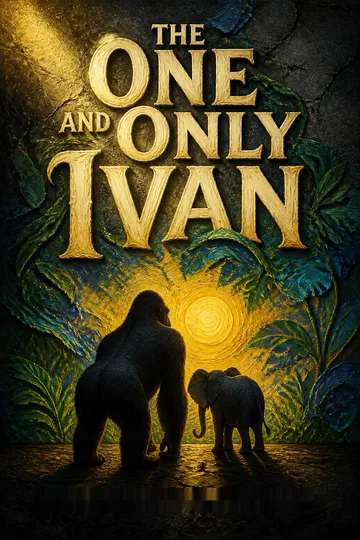
The One and Only Series
Download PDF
Download EPUB
.epub digital book format is ideal for reading ebooks on phones, tablets, and e-readers.








































