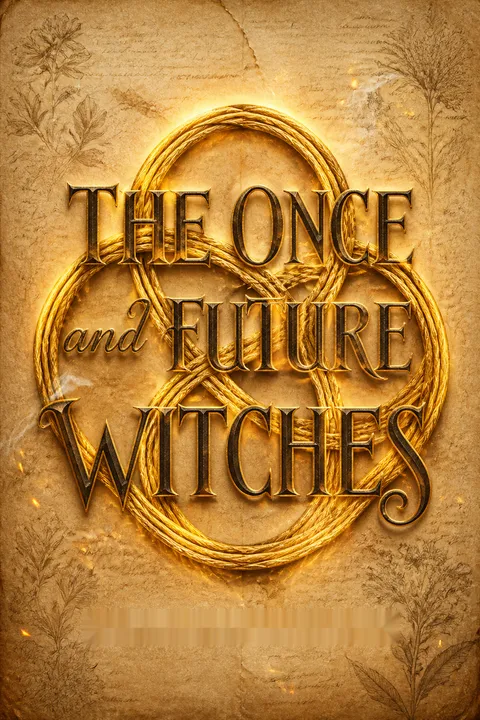

Plot Summary
Three Sisters, Three Fates
In 1893, New Salem is a city where witchcraft is outlawed and women's power is suppressed. Three estranged sisters—James Juniper, Agnes Amaranth, and Beatrice Belladonna Eastwood—are drawn together by fate and old magic. Each carries scars from their violent childhood and the loss of their mother, and each has learned to survive in her own way: Juniper is wild and vengeful, Agnes is strong and guarded, and Bella is wise and yearning. Their reunion is fraught with old wounds and new dangers, but the city's unrest and the promise of something lost and powerful begin to pull them together, setting the stage for a story of sisterhood, rebellion, and the return of witching.
The Tower in the Square
On the spring equinox, a spell is cast—accidentally and collectively—by the three sisters, summoning a black tower into the heart of New Salem. The event is witnessed by the city and stirs panic, hope, and fear. The tower, a symbol of lost witching, is a beacon for women hungry for power and change. The sisters, each drawn to the tower by a mysterious force, realize that their reunion is no accident. The city's authorities and zealots see the event as a threat, and the sisters become targets. The tower's appearance marks the beginning of a new age, one where the old stories and powers might return, if the sisters can find the words, the will, and the way.
Witch-Blood and Will
The sisters discover that witching is not just a matter of blood, but of will and words. Juniper, wanted for murder and suspected witchcraft, is the most reckless, wielding her power with little restraint. Agnes, pregnant and alone, is torn between survival and the hope of something better for her child. Bella, a librarian, seeks knowledge and the truth behind the old stories. Together, they begin to piece together the lost spells and rhymes passed down by their grandmother, Mama Mags. The city's suffragists, led by Miss Stone, are fighting for women's rights, but fear the association with witchcraft. The sisters realize that the fight for power—magical or political—will require sacrifice and unity.
Lost and Found
The sisters' reunion is shadowed by old betrayals and the trauma of their childhood. Each blames the others for leaving, for surviving, for not coming back. Through confessions and shared memories, they begin to understand the choices that broke them apart. Agnes reveals her pregnancy and the pain of her own choices; Bella admits her role in their separation; Juniper confesses to killing their father. Their shared pain becomes a source of strength, and they begin to trust each other again. The city's unrest grows, and the sisters realize that their bond is the key to unlocking the lost power of witches.
The Binding Spell
The sisters discover that the old rhymes and spells their grandmother taught them are more than superstition—they are the remnants of true witching. By speaking the words together, they create a binding between them, a magical connection that allows them to share strength and will. This binding is both a blessing and a curse, tying their fates together. As they experiment with their power, they attract the attention of the city's authorities and the mysterious, shadowy figure of Gideon Hill. The sisters must decide whether to hide or to fight, knowing that their unity is both their greatest weapon and their greatest vulnerability.
The Suffragists' Secret
Juniper joins the New Salem Women's Association, hoping to find allies, but discovers that the suffragists are afraid of being associated with witchcraft. Miss Stone, the leader, is determined to win the vote through respectability, not rebellion. Juniper's impatience and the sisters' growing power lead them to form their own secret society: the Sisters of Avalon. They begin to recruit other women, sharing spells and stories, and planning acts of magical resistance. The suffragists' caution and the sisters' defiance create tension, but also a growing movement that threatens the city's patriarchal order.
Shadows in New Salem
Gideon Hill, a city councilman and secret witch, manipulates the city's fears to gain power. His shadow magic infects the city, turning crowds into mobs and neighbors into informants. The sisters and their allies are hunted, and the city's new ordinances make witchcraft punishable by death. The fever that sweeps through the city is both a literal plague and a metaphor for the fear and hatred that Hill spreads. The sisters' magic is not enough to protect everyone, and sacrifices must be made. The cost of power becomes clear, and the sisters are forced to confront the darkness within themselves and their enemies.
The Sisters Reunited
The sisters' bond is tested as they face betrayal, loss, and the threat of death. Agnes gives birth to her daughter, Eve, with the help of her sisters and their magic. The birth is both a miracle and a turning point, symbolizing hope and the future of witching. The sisters' love for each other and for Eve becomes their greatest strength. They are hunted, imprisoned, and tortured, but refuse to break. Their unity inspires others, and the movement grows. The sisters realize that their story is not just about survival, but about changing the world for all women.
The Lost Way of Avalon
The sisters learn that the tower is the Lost Way of Avalon, a magical library and sanctuary created by the Last Three Witches of the West. The tower exists outside of time and space, accessible only through the right words and will. The Last Three—Maiden, Mother, and Crone—bound their souls to the tower, preserving the knowledge and power of witches for future generations. The sisters seek their guidance and learn the truth about Gideon Hill: he is Saint George, the witch-hunter, who has stolen bodies and shadows for centuries. The only way to defeat him is to break his binding and banish his soul.
The Witch's Rebellion
The sisters and their allies plan a final act of rebellion: a public burning that will expose Hill's true nature and rally the city's women. They are captured and sentenced to burn, but use their magic to turn the execution into a spectacle of power. The women of New Salem, inspired by the sisters, reveal themselves as witches, donning black hats and cloaks. The city's shadows are banished by a spell of sunlight, and Hill is exposed as a soul-stealing monster. The sisters' sacrifice becomes a rallying cry, and the movement for women's power and witching cannot be stopped.
The Price of Power
The final confrontation with Hill requires the ultimate sacrifice. Juniper binds Hill's soul to herself, knowing it will kill her, but it is the only way to end his reign. The sisters and their allies work the spell to banish his soul, and Juniper dies in the flames, her spirit joining the Last Three in Avalon. The cost of victory is high: the sisters are broken, and the city is forever changed. But the power of witching is not lost—it lives on in the stories, spells, and the next generation.
The Burning and the Binding
Juniper's death is both an ending and a beginning. Her sacrifice breaks Hill's curse and frees the city from his shadow. Agnes and Bella escape, flying on rowan branches with their familiars, carrying Eve and the hope of a new age. The sisters' story becomes legend, inspiring women across the country to rise up, claim their power, and remember the old ways. The Library of Avalon is rebuilt, not as a place, but as a living tradition of words, ways, and will, passed from woman to woman.
The Last Three Witches
In Avalon, Juniper joins the Last Three, her soul bound to the library and the legacy of witches. The sisters' story is woven into the fabric of witching, a new chapter in an old tale. The Last Three reveal that witching is not about blood or birthright, but about need, courage, and the willingness to change the world. The cycle of burning and rising will continue, but each time, the story grows stronger. The sisters' love and sacrifice ensure that the power of witches will never be lost again.
The End of Saint George
Gideon Hill's death is the end of an era. Exposed as Saint George, the eternal witch-hunter, his soul is finally sundered and banished. The city is freed from his shadow, but the scars remain. The women of New Salem, and the world, are left to rebuild, to mourn, and to hope. The sisters' victory is not complete, but it is enough to begin again. The story of the witches is no longer one of defeat, but of resilience and transformation.
Ashes and New Stories
In the aftermath, Agnes, Bella, and their allies scatter across the country, spreading the words and ways of witching. The Library of Avalon is rebuilt, not as a place, but as a living tradition. Women gather in secret and in the open, sharing spells, stories, and strength. The world is still dangerous, but the witches are no longer alone. The sisters' story becomes a legend, a guide for those who come after. The cycle of burning and rising continues, but each time, the fire burns brighter.
Once and Future Witches
Juniper, now a spirit bound to Avalon, watches over her sisters and the new generation of witches. The world changes, slowly and painfully, but the power of women and witching endures. The sisters' story is told and retold, a reminder that what is lost can always be found, and that the will, the words, and the way are never truly gone. The once and future witches rise, again and again, until the world is remade.
Analysis
The Once and Future Witches is a powerful reimagining of history, myth, and the struggle for women's power. At its heart, the novel is about the ways women have been silenced, broken, and burned—and the ways they have survived, resisted, and risen again. Through the story of the Eastwood sisters, Alix E. Harrow explores the intersection of witchcraft and suffrage, showing that the fight for power is both magical and mundane, personal and collective. The novel's use of fairy tales and nursery rhymes as both spells and stories is a brilliant device, highlighting the hidden strength in women's words and traditions. The binding of the sisters, the sacrifice required for change, and the cyclical nature of loss and renewal are all deeply resonant themes. The book is a call to remember what has been lost, to reclaim the will, the words, and the way, and to believe that what is burned can always rise again. In a modern context, it is a reminder that the fight for justice and equality is ongoing, that stories matter, and that the future belongs to those who dare to imagine—and make—something better.
Review Summary
People Also Read
Characters
James Juniper Eastwood
Juniper is the youngest Eastwood sister, marked by her fierce independence, impulsive anger, and deep wounds from a violent childhood. She is wanted for murder and suspected witchcraft, having killed their abusive father. Juniper's magic is raw and instinctive, fueled by rage and a desperate need for belonging. Her relationship with her sisters is fraught with betrayal and longing, but she is ultimately willing to sacrifice everything for them. Juniper's journey is one of transformation—from a girl defined by hate and survival to a woman who chooses love and self-sacrifice, binding Hill's soul to herself and dying to save her family and the future of witching.
Agnes Amaranth Eastwood
Agnes is the middle sister, shaped by the need to protect herself and others. She is practical, resilient, and often emotionally distant, having learned that survival sometimes means drawing a circle around her heart. Agnes's pregnancy and the birth of her daughter, Eve, become central to her arc, symbolizing hope and the future. Her relationship with her sisters is complicated by guilt and old wounds, but she ultimately chooses to fight for them and for all women. Agnes's strength is both physical and emotional, and her willingness to risk everything for her child and her sisters is the heart of the story.
Beatrice Belladonna Eastwood
Bella is the eldest sister, a librarian and scholar who seeks knowledge and understanding. She is haunted by the past and her own perceived failures, but her curiosity and compassion drive her to uncover the truth behind the old stories and the Lost Way of Avalon. Bella's journey is one of self-acceptance and courage, as she learns to trust herself, her sisters, and her love for Cleopatra Quinn. Her role as the keeper of stories and spells is crucial to the sisters' success, and her willingness to risk everything for the future of witching marks her as a true leader.
Gideon Hill / Saint George
Hill is the antagonist, a city councilman who manipulates fear to gain power. Secretly, he is Saint George, the legendary witch-hunter, who has stolen bodies and shadows for centuries. His magic is rooted in domination and sacrifice, and he is terrified of being exposed and destroyed. Hill's relationship with the sisters is one of predator and prey, but he is ultimately undone by their unity and sacrifice. His death marks the end of an era and the beginning of a new one.
Cleopatra Quinn
Cleo is a journalist, a member of the Daughters of Tituba, and Bella's lover. She is resourceful, brave, and deeply committed to the cause of women's power, especially for women of color. Cleo's relationship with Bella is a source of strength and healing for both, and her knowledge of secret networks and magic is vital to the sisters' survival. Cleo represents the intersection of race, gender, and power, and her presence broadens the scope of the sisters' rebellion.
Eve Everlasting Eastwood
Eve is Agnes's daughter, born in the midst of chaos and danger. She represents the next generation of witches and the possibility of a world remade. Her birth is a miracle, and her survival is the driving force behind the sisters' final rebellion. Eve's presence inspires courage and sacrifice, and her future is the promise that the story of witches will never end.
Mama Mags (Magdalena Cole)
Mama Mags is the sisters' grandmother, the source of their knowledge of witching. Her rhymes and spells are the foundation of their power, and her memory guides them through their darkest moments. Mags's teachings about the will, the words, and the way are the key to unlocking the Lost Way of Avalon. Her spirit lingers, a reminder that the power of women and witches is never truly lost.
Miss Cady Stone
Miss Stone is the head of the New Salem Women's Association, determined to win the vote through respectability and caution. She is wary of witchcraft and the sisters' rebellion, but her leadership and dedication inspire loyalty. Miss Stone represents the tension between respectability politics and radical change, and her eventual support for the sisters marks a turning point in the movement.
Grace Wiggin
Grace is the head of the Women's Christian Union and Hill's adopted daughter. She is initially an antagonist, leading the charge against witches, but is revealed to be a victim of Hill's shadow magic. Her final act—strangling Hill with her sash—redeems her and avenges the women he has destroyed. Grace's journey is one of awakening and agency, breaking free from the chains of patriarchy and control.
August Lee
August is Agnes's lover, a workingman and union organizer. He is brave, resourceful, and willing to risk everything for Agnes and Eve. August's support and love help Agnes find the strength to fight, and his role in the final rebellion is crucial. He represents the possibility of partnership and equality, and his presence is a reminder that not all men are enemies in the fight for women's power.
Plot Devices
The Will, the Words, and the Way
The central device of the novel is the idea that witching requires three things: the will to act, the words to speak, and the way to make it real. This trinity is echoed in the structure of the story (three sisters, three witches, three acts) and in the spells and rhymes that drive the plot. The will, words, and way are not just magical mechanics, but metaphors for agency, language, and action—what is required for any real change. The sisters' journey is about finding and uniting these elements, both within themselves and in the world.
Binding and Sacrifice
The binding spell that connects the sisters is both literal and symbolic, representing the strength and vulnerability of their bond. Sacrifice is a recurring motif: the sisters must give up safety, pride, and even life for each other and for the greater good. The ultimate sacrifice—Juniper binding Hill's soul to herself and dying in the flames—demonstrates that true power comes not from domination, but from love and selflessness. The story uses sacrifice to explore the costs of change and the meaning of heroism.
The Lost Way of Avalon
The tower and the Lost Way of Avalon are central plot devices, representing the lost knowledge and power of witches. The library is both a literal place and a metaphor for the stories, spells, and wisdom passed down through generations. The Last Three Witches of the West, who bound their souls to the tower, are both guides and warnings. The search for Avalon drives the plot, and its destruction and rebirth symbolize the cycle of loss and renewal in the struggle for power.
Foreshadowing and Fairy Tales
The novel is structured around fairy tales, nursery rhymes, and witch-tales, which serve as both foreshadowing and instruction. The sisters' lives echo the stories they were told as children, and the spells they use are hidden in the rhymes and songs of their grandmother. The use of familiar tales—Sleeping Beauty, Hansel and Gretel, Rapunzel—creates a sense of inevitability and resonance, while also subverting expectations. The stories are both warnings and promises: what is lost can be found, and witches always rise again.
Narrative Structure and Perspective
The novel is told from the perspectives of all three sisters, allowing for deep psychological exploration and the weaving of multiple storylines. The structure is cyclical, with events and motifs repeating and evolving. The use of letters, stories within stories, and shifting timelines creates a sense of depth and complexity. The narrative is both intimate and epic, personal and political, blending the sisters' emotional journeys with the larger movement for women's power.
About the Author

Download PDF
Download EPUB
.epub digital book format is ideal for reading ebooks on phones, tablets, and e-readers.








































