
Plot Summary
Train to Destiny
Roy Hobbs, a gifted but naive baseball player, travels by train with his mentor, Sam Simpson, toward a tryout with the Chicago Cubs. The journey is filled with omens and chance encounters: a mysterious woman named Harriet Bird, the legendary slugger Whammer, and sportswriter Max Mercy. Roy's innocence and ambition are palpable as he dreams of greatness, but the world he enters is unpredictable and dangerous. The train ride is both literal and symbolic—a passage from youthful hope to the harsh realities of adult ambition. The chapter's mood is charged with anticipation, foreshadowing the mythic rise and fall that will define Roy's life. The landscape outside the window is vast and unknown, mirroring Roy's own uncertain future.
The Golden Boy's Fall
At a carnival stop, Roy's prodigious talent is revealed when he strikes out the Whammer, stunning onlookers and igniting his own dreams. Yet, that night, Harriet Bird lures Roy to her hotel room and shoots him, ending his career before it begins. The act is senseless and surreal, a mythic wound that transforms Roy from a rising star to a forgotten casualty. The shooting is both literal and symbolic—a punishment for hubris, a curse that will haunt Roy's life. The golden boy's fall is swift and brutal, leaving him physically and emotionally scarred. The world moves on, indifferent to his pain, and Roy disappears into obscurity, his destiny derailed by violence and fate.
Knights in the Cellar
Fifteen years later, Roy resurfaces, older and hardened, joining the New York Knights, a struggling team managed by the embittered Pop Fisher. The Knights are mired in failure, their clubhouse a microcosm of disappointment and lost dreams. Roy's arrival is met with skepticism—he is a rookie at thirty-four, carrying the weight of his past and the mysterious bat Wonderboy. The team's dysfunction mirrors Roy's own inner turmoil. Pop's bitterness, Bump Baily's arrogance, and the players' superstitions create a toxic environment. Roy's presence is a gamble, a last chance for both himself and the team. The chapter is steeped in melancholy, as hope flickers amid the ruins of ambition.
Wonderboy Unleashed
Roy's talent cannot be denied. When Bump Baily's recklessness leads to his own demise, Roy steps into the spotlight, wielding Wonderboy with supernatural skill. His hitting electrifies the team and the fans, transforming the Knights from cellar-dwellers to contenders. The bat, carved from a lightning-struck tree, becomes a symbol of Roy's mythic potential and the magic of baseball itself. Yet, success brings new pressures—expectations, media scrutiny, and the burden of living up to his own legend. Roy's resurgence is exhilarating but fragile, as old wounds and new temptations threaten to undo him. The stadium becomes a stage for redemption and the possibility of greatness.
Bump's Shadow
Bump Baily's death casts a long shadow over the team and Roy's ascent. Memo Paris, Pop's alluring niece and Bump's former lover, becomes the object of Roy's obsession. The fans and media draw constant comparisons between Roy and Bump, blurring the lines between hero and replacement. Roy's identity is in flux—he is both himself and the ghost of the man he replaced. Memo's grief and ambivalence mirror Roy's own uncertainty. The chapter explores the complexities of legacy, desire, and the ways in which the past refuses to stay buried. Roy's pursuit of Memo is both romantic and self-destructive, a quest for validation that may cost him everything.
Memo's Spell
Memo Paris is both muse and siren, drawing Roy into a web of longing and distraction. Their relationship is fraught with tension—Memo is haunted by Bump, wary of Roy's intensity, and entangled with the sinister bookie Gus Sands. Roy's pursuit of Memo becomes an obsession, fueling his ambition but also undermining his focus. The allure of fame, money, and love becomes inseparable from the dangers of temptation and corruption. Memo's spell is intoxicating but poisonous, blurring Roy's sense of purpose and leading him toward moral compromise. The emotional stakes rise as Roy's personal and professional lives become increasingly intertwined and unstable.
The Price of Fame
As Roy's star rises, so do the pressures of celebrity. He seeks a raise from the miserly Judge Banner, the team's owner, but is rebuffed. The media, led by Max Mercy, hounds him for details of his mysterious past. Roy's hunger for recognition and financial security grows, but so does his vulnerability to manipulation. The world of baseball is revealed as a marketplace of egos, deals, and betrayals. Roy's integrity is tested by offers from gamblers and the lure of easy money. The cost of fame becomes clear—not just in dollars, but in the erosion of self and the risk of losing what truly matters.
The Slump and the Stand
Roy falls into a devastating slump, his confidence shattered and his relationship with Memo strained. The team's fortunes wane, and the fans turn on their hero. Superstition, desperation, and self-doubt infect the clubhouse. Roy's attempts to break the jinx—consulting fortunetellers, changing routines—only deepen his sense of helplessness. The emotional toll is immense, as Roy confronts the possibility that his best days are behind him. Yet, in the depths of despair, a new figure emerges: Iris Lemon, a mysterious woman in the stands whose faith in Roy rekindles his spirit. The chapter is a study in resilience, the struggle to reclaim one's power in the face of adversity.
Iris in the Stands
Iris Lemon's quiet support becomes a turning point for Roy. Her presence in the stands, standing for him when all others have lost faith, inspires Roy to break his slump and deliver a heroic performance. Their subsequent encounter is tender and redemptive—unlike Memo, Iris offers acceptance and understanding. She reveals her own struggles and vulnerabilities, and their night together is both healing and transformative. Yet, Iris carries her own secret: she is a grandmother, a fact that unsettles Roy but also challenges his assumptions about love and worth. The chapter explores the possibility of renewal, the power of genuine connection, and the costs of honesty.
The Pennant Chase
With Roy restored to form, the Knights surge toward the pennant. The city is swept up in baseball fever, and Roy is celebrated as a savior. Yet, the pressures mount—Memo returns, rekindling Roy's old desires and insecurities. The team's success is fragile, threatened by internal divisions, the machinations of Judge Banner and Gus Sands, and Roy's own insatiable hunger for more. The pursuit of victory becomes a crucible, testing loyalties and exposing the fault lines in Roy's character. The chapter is a whirlwind of excitement, anxiety, and the intoxicating allure of being on the cusp of immortality.
The Party and the Poison
On the eve of the decisive game, Memo throws a party for the team. The atmosphere is charged with anticipation and excess—food, drink, and flirtation abound. Roy, distracted and overeating, is struck by a sudden, violent illness. The party's aftermath is chaos: Roy is hospitalized, the team falters, and rumors of sabotage and betrayal swirl. The episode is both literal and symbolic—a poisoning of the body and the spirit, a warning about the dangers of indulgence and misplaced trust. Roy's vulnerability is laid bare, and the stakes for the final game are raised to their highest pitch.
The Fix Is In
As Roy recovers, he is approached by Judge Banner and Gus Sands with a proposition: throw the playoff game in exchange for a life-changing sum of money. Memo, desperate for security, urges him to accept. Roy is torn between loyalty to his team, his love for Memo, and his fear of a future without baseball. The offer is both a temptation and a trap, forcing Roy to confront the limits of his integrity and the true meaning of success. The chapter is a meditation on choice, consequence, and the seductive power of rationalization. Roy's decision will determine not only his fate, but the fate of everyone who believes in him.
The Final Game
The playoff game is a crucible of tension, hope, and dread. Roy, weakened and conflicted, faces the greatest challenge of his life. The stadium is a cauldron of expectation, the crowd oscillating between adulation and scorn. Roy's every move is scrutinized—by Pop, the Judge, Memo, the fans, and his own conscience. The game unfolds as a battle of wills, with Roy caught between the promise he made to throw the game and the call to heroism. The arrival of Iris, injured by a foul ball, and her revelation that she is carrying Roy's child, adds a final, poignant twist. The moment of truth arrives, and Roy's choice seals his destiny.
Wonderboy's Grave
In the aftermath of the game, Roy's bat Wonderboy is shattered, symbolizing the loss of his power and the end of his mythic quest. He buries the broken bat in the outfield, a ritual of mourning for lost dreams and squandered potential. The world moves on—Memo, the Judge, and Gus Sands count their winnings, indifferent to Roy's ruin. The fans turn away, and Roy is left alone with his regrets. The chapter is elegiac, a meditation on the cost of compromise and the fragility of greatness. The burial of Wonderboy is both an ending and a warning—a reminder that even the most gifted are not immune to failure.
The Fall of a Hero
Roy's betrayal is exposed—Max Mercy's headline accuses him of selling out, and the baseball commissioner promises to erase his records. Roy confronts Memo, the Judge, and Gus in a final, violent reckoning, but it is too late to undo the damage. He is cast out, disgraced, and forgotten. The novel ends with Roy weeping in the street, a broken man haunted by the knowledge that he could have been a king. The emotional arc is complete: from hope to hubris, from triumph to tragedy, from myth to mortality. The story lingers as a cautionary tale about the dangers of ambition, the seductions of fame, and the irreparable cost of moral failure.
Analysis
Bernard Malamud's The Natural is a profound meditation on the nature of talent, ambition, and the American obsession with success. Through the tragic arc of Roy Hobbs, Malamud explores the seductive allure of greatness and the perils of hubris, temptation, and moral compromise. The novel's mythic structure elevates baseball from mere sport to a stage for existential drama, where personal choices reverberate with universal significance. Roy's journey is both inspiring and cautionary: his gifts are undeniable, but his inability to learn from the past, his hunger for validation, and his susceptibility to corruption lead to his undoing. The women in his life—Memo and Iris—embody competing visions of love, desire, and redemption, while the supporting cast reflects the spectrum of human frailty and resilience. The destruction of Wonderboy and Roy's final exile are not just personal defeats, but indictments of a culture that prizes winning above integrity. Malamud's lesson is clear: true greatness lies not in records or fame, but in the courage to choose rightly, to accept suffering, and to remain true to oneself. The novel endures as a timeless parable about the costs of ambition and the possibility of redemption, even in the face of failure.
Review Summary
The Natural receives mixed reviews averaging 3.61 stars. Many readers note the stark contrast between the dark, pessimistic novel and the uplifting 1984 Robert Redford film. The book follows Roy Hobbs, a talented baseball player whose career is derailed at 19, returning as a 35-year-old rookie. Reviewers praise Malamud's writing and complex characterization but criticize the protagonist's poor choices and the bleak ending. Some appreciate the deeper themes about failure and the American Dream, while others find it disappointing compared to the movie's inspirational finale.
People Also Read
Characters
Roy Hobbs
Roy is the archetypal "natural"—a prodigiously talented baseball player whose life is shaped by both extraordinary gifts and deep psychological wounds. His journey is a mythic quest for greatness, haunted by early trauma (Harriet Bird's shooting), the loss of innocence, and the relentless pursuit of validation. Roy's relationships—with Sam, Pop, Memo, Iris, and Wonderboy—reflect his longing for love, approval, and immortality. Yet, his weaknesses—pride, naivete, hunger for fame, and susceptibility to temptation—lead him to repeated self-sabotage. Roy's arc is one of rise, fall, and failed redemption; he is both a victim of fate and the architect of his own downfall. His tragedy is universal: the inability to learn from the past, the cost of compromised ideals, and the pain of realizing too late what truly matters.
Pop Fisher
Pop is the aging manager of the Knights, a man whose life has been defined by disappointment and the elusive pursuit of a championship. His "Fisher's Flop" in the World Series haunts him, fueling his obsession with breaking the jinx and achieving redemption through the team. Pop is both father figure and cautionary tale for Roy—offering wisdom, tough love, and a mirror of what happens when hope curdles into bitterness. His relationship with Roy is complex: admiration, frustration, and a desperate hope that Roy will succeed where he failed. Pop's arc is one of resignation and quiet dignity, a reminder of the costs of ambition and the necessity of letting go.
Memo Paris
Memo is Pop's niece, Bump Baily's former lover, and the central female figure in Roy's life. She is beautiful, enigmatic, and emotionally wounded—her allure is both genuine and destructive. Memo represents the dangers of desire unmoored from love, the seductive power of glamour, and the emptiness of chasing security at any cost. Her relationships—with Bump, Roy, Gus Sands, and the Judge—are transactional, shaped by her fear of poverty and her inability to find lasting happiness. Memo's spell over Roy is both a source of inspiration and his undoing. She is a tragic figure in her own right, trapped by her own choices and the expectations of others.
Iris Lemon
Iris is the antithesis of Memo—nurturing, honest, and resilient. Her faith in Roy, expressed by standing in the stands during his slump, is a catalyst for his brief resurgence. Iris's own story is marked by hardship and perseverance; she is a single mother and grandmother who has learned to find meaning in suffering. Her relationship with Roy is healing and authentic, offering him a glimpse of what true love and acceptance could be. Iris's pregnancy with Roy's child represents the possibility of renewal, even as Roy's choices threaten to squander it. She embodies the novel's theme of redemption through connection and the importance of choosing the right values.
Sam Simpson
Sam is Roy's first coach and father figure, a washed-up scout whose belief in Roy is both touching and tragic. His own career was marked by disappointment, and he projects his hopes onto Roy. Sam's death early in the novel is a formative loss for Roy, severing his last link to innocence and guidance. Sam's ghost lingers throughout the story, a reminder of the costs of failure and the importance of loyalty. His presence in Roy's dreams underscores the psychological depth of Roy's struggles and the enduring impact of early relationships.
Bump Baily
Bump is the Knights' star player before Roy's arrival—a talented but reckless showman whose arrogance and lack of discipline lead to his downfall. His death on the field is both a literal and symbolic passing of the torch to Roy, but also a warning about the dangers of hubris and wasted potential. Bump's legacy haunts Roy, shaping the expectations of fans and the dynamics of the team. His relationship with Memo and Pop adds layers of complexity to the story's emotional landscape.
Judge Goodwill Banner
The Judge is the Knights' majority owner, a manipulative and miserly figure who represents the dark side of the business of baseball. His machinations—undermining Pop, exploiting Roy, and orchestrating the fix—are driven by greed and a lack of moral compass. The Judge's philosophical justifications for his actions are a parody of ethical reasoning, highlighting the dangers of rationalization and the corrosive effects of power. He is both antagonist and symbol of the system's corruption.
Gus Sands
Gus is a powerful gambler with a glass eye, a figure of menace and seduction. He preys on players' weaknesses, orchestrates the fix, and exerts a malign influence over Memo and Roy. Gus's presence in the novel is a constant reminder of the dangers of compromise and the pervasiveness of corruption in sports and life. His relationship with Memo and the Judge forms a triangle of exploitation and moral decay.
Max Mercy
Max is a sportswriter obsessed with uncovering Roy's past and exposing scandal. His pursuit is both invasive and necessary—he is the novel's conscience, forcing Roy to confront the consequences of his actions. Max's role as chronicler and accuser adds a layer of meta-commentary on the nature of fame, the power of narrative, and the public's hunger for heroes and villains. His final exposé seals Roy's fate, underscoring the inescapability of truth.
Wonderboy
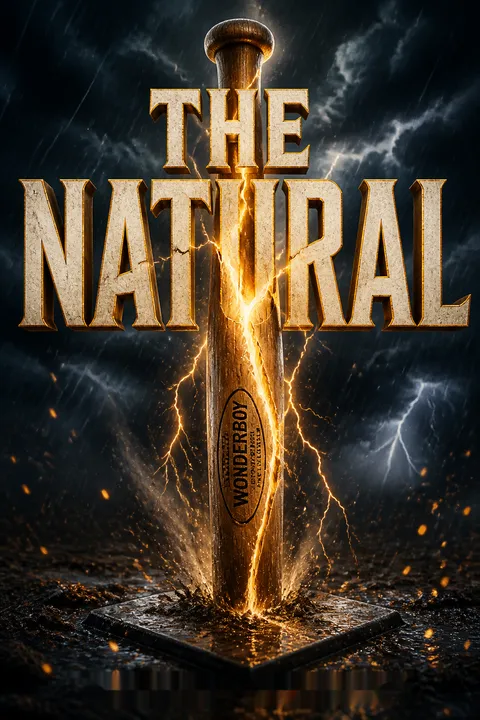
Wonderboy, Roy's self-made bat, is more than a tool—it is a talisman, a symbol of Roy's talent, ambition, and the magic of baseball. Its origins in a lightning-struck tree imbue it with mythic significance, and its destruction marks the end of Roy's innocence and power. Wonderboy's journey parallels Roy's own, from creation to triumph to shattering defeat. Its burial is a ritual of mourning, a recognition that even the greatest gifts are fragile and finite.
Plot Devices
Mythic Structure and Baseball as Allegory
Malamud structures the novel as a modern myth, drawing on Arthurian legend, Greek tragedy, and the American dream. Roy's journey mirrors that of the classic hero—gifted, tested, tempted, and ultimately undone by his own flaws. Baseball serves as both setting and allegory, representing the possibilities and perils of American life: the pursuit of greatness, the seductions of fame, and the inevitability of failure. The use of symbols—Wonderboy, lightning, the train, the carnival, the poisoned feast—creates a sense of inevitability and resonance. Foreshadowing is woven throughout: the early shooting, the recurring dreams, the warnings from mentors and lovers. The narrative's cyclical structure—rise, fall, and the possibility of renewal—underscores the themes of fate, choice, and the costs of ambition. The blending of realism and fantasy, the interplay of personal and collective myth, and the use of baseball as a metaphor for life's trials and triumphs make the novel both timeless and uniquely American.
Download PDF
Download EPUB
.epub digital book format is ideal for reading ebooks on phones, tablets, and e-readers.








































