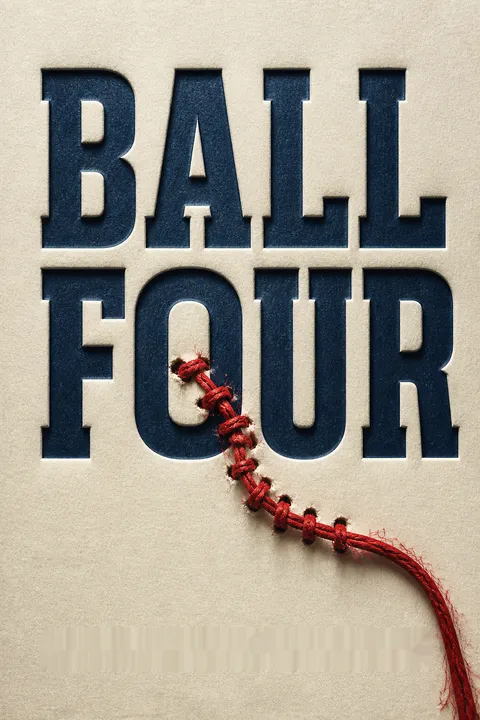

Key Takeaways
1. Sports heroes are deeply human, flawed, and vulnerable
There are no great men. If you have a hero, look again: you have diminished yourself in some way.
Demystifying the legends. Bouton's diary shattered the pristine, sanitized image of baseball icons like Mickey Mantle, showing them as real people who got drunk, stayed out late, and struggled with their own insecurities. By revealing their flaws, Bouton didn't destroy these heroes; instead, he made them relatable to ordinary fans who faced their own daily battles.
Humanity over perfection. The book illustrates that athletes are not cardboard cutouts of clean living, but complex individuals dealing with immense pressure. They use crude humor, practical jokes, and sometimes self-destructive behaviors to cope with the fear of failure.
Relatable struggles. Readers found comfort in learning that even the greatest players faced the same vulnerabilities as everyone else. This realization helped fans feel less lonely in their own lives:
- Mickey Mantle pushing kids aside for autographs but also showing boyish warmth in the clubhouse.
- Players suffering from intense anxiety before big games.
- The realization that sports stars are next-door neighbors with extraordinary physical talents.
2. The baseball establishment operates on arbitrary, anti-intellectual conformity
when I’ve refused to conform to some of the more Neanderthal aspects of baseball thinking I’ve been an outcast.
The cost of curiosity. Bouton highlights how baseball management deeply distrusts intelligence, independent thinking, and non-conformity. Players who read books, ask questions, or express political views are instantly labeled as "weirdos" or "clubhouse lawyers" who threaten team harmony.
Arbitrary rules. Managers and coaches like Joe Schultz and Sal Maglie focused heavily on superficial details rather than actual performance. They enforced strict, often absurd rules to maintain an illusion of control over things they couldn't actually influence.
Enforcing the status quo. The system was designed to keep players quiet, obedient, and uniform. Some examples of this rigid anti-intellectualism include:
- Steve Hovley being ridiculed for reading Dostoyevsky and letting his hair grow naturally.
- Mike Marshall being labeled a "weirdo" for using physics and mathematics to explain pitching.
- Coaches prioritizing the color of a player's sweatshirt or the length of his sideburns over his earned-run average.
3. The reserve clause historically stripped players of financial leverage and dignity
It showed, for the first time, exactly how owners abused and manipulated players by taking advantage of their one-way contract.
One-sided negotiations. Before free agency, the reserve clause bound a player to his team indefinitely, allowing owners to dictate salaries with zero competition. General managers used intimidation, false promises, and outright lies to keep payrolls low, leaving players with no leverage other than holding out.
Exploitation of talent. Bouton exposes the cold, corporate nature of the front office, where players were treated as mere depreciating assets. The owners preached that the reserve clause was necessary for "competitive balance," but it was actually a tool to maximize profits at the players' expense.
The fight for fair pay. The book played a pivotal role in changing public opinion, ultimately helping players win free agency in the mid-1970s. Key financial realities exposed by Bouton include:
- General managers lying about what other players were making to keep salaries depressed.
- The threat of salary cuts even after a player had a stellar, injury-plagued season.
- The vast disparity between the highly publicized superstar salaries and the poverty-level wages of marginal players.
4. The locker room is a sanctuary of crude humor, coping mechanisms, and camaraderie
A lot of it is foolishness too, grown men being serious about a boy’s game.
Locker room culture. The baseball clubhouse is a unique, insular world where grown men revert to adolescent behavior to survive the grueling 162-game season. Crude jokes, sexual banter, and elaborate pranks serve as essential pressure-release valves for the constant stress of professional competition.
Coping with pressure. Players developed a shared language and set of rituals to mask their fear of failure and injury. This environment fostered a unique, albeit rough, camaraderie where players bonded over shared hardships and mutual mockery.
Absurd rituals. The book details the hilarious and bizarre ways players passed the time and dealt with the monotony of the season:
- "Beaver-shooting" (peeping) as a highly respected, competitive team sport.
- The "Dozens," a game of brutal, highly personal insults aimed at teammates' wives and families.
- Practical jokes, like nailing a teammate's expensive new shoes to the clubhouse floor.
5. The media historically protected a sanitized, false image of professional sports
The sportswriters are not judging the accuracy of the book, but Bouton’s right to tell (that is, your right to read)...
The sanitized myth. For decades, sportswriters acted as gatekeepers, protecting the "milk and cookies" image of baseball to maintain their access to the teams. They chose to ignore the drinking, drug use, and contract disputes, presenting athletes as flawless role models to the public.
The backlash to truth. When Bouton broke this unwritten code of silence, the sports journalism establishment reacted with fury, calling him a "traitor" and a "social leper." They were angry because Bouton had bypassed them, exposing their own failure to report the reality of the game.
Changing sports reporting. Ball Four permanently altered the landscape of sports journalism, making it impossible to sell the sanitized myth ever again. The media's protective role was exposed, revealing:
- Writers drinking and carousing with the very players they painted as saints.
- The blacklisting of reporters who dared to write about the real, human side of the game.
- The shift toward modern, investigative sports reporting that treats athletes as complex human beings.
6. Aging and injury force athletes into a desperate psychological struggle for survival
You live in terror that you’re going to wake up in the morning and not be able to pitch anymore.
The fragile physical asset. A pitcher's entire career hangs on the health of a single, easily damaged limb. The constant fear of injury creates a state of chronic paranoia, forcing players to hide their pain from coaches, teammates, and even themselves to avoid being discarded.
The pain of obsolescence. As athletes age and lose their physical dominance, they must adapt or face immediate retirement. The transition from a hard-throwing young phenom to a crafty, aging veteran is a painful psychological journey filled with denial and desperation.
Clinging to the dream. Bouton's own struggle to survive on an expansion team highlights the lengths to which players will go to stay in the game:
- Constantly testing the arm in private, making throwing motions in restaurants or in bed.
- Taking dangerous horse anti-inflammatories (butazolidin) or unapproved chemicals (D.M.S.O.) to numb the pain.
- The realization that once your physical tools are gone, you are instantly forgotten by the organization.
7. The knuckleball represents the ultimate triumph of touch and persistence over raw power
I’m 30 years old and I have these dreams... I dream my knuckleball is jumping around like a Ping-Pong ball in the wind...
The ultimate equalizer. When Bouton lost his blazing fastball to a sore arm, the knuckleball became his only hope for survival in the major leagues. Unlike conventional pitches that rely on raw power and spin, the knuckleball is a delicate, unpredictable pitch that relies entirely on touch, wind currents, and atmospheric conditions.
A lonely art. The knuckleball is widely misunderstood and disliked by the baseball establishment, including coaches, managers, and catchers. It requires immense mental discipline to throw a slow, erratic pitch on a full count when everyone in the stadium is screaming for a fastball.
The physics of chaos. Bouton's dedication to mastering this freakish pitch allowed him to extend his career and baffle some of the game's greatest hitters:
- Throwing the ball with the fingertips, not the knuckles, to eliminate all spin.
- The frustration of catchers who developed bone bruises and broken fingers trying to catch it.
- The pitch's ability to bypass a hitter's strengths, making scouting reports completely irrelevant.
8. Being a marginal player means living on a constant emotional roller coaster
As soon as he gets it he’s a different person, not a part of the team anymore. Not even a person. He almost ceases to exist.
The anxiety of the bubble. For a marginal player, every single appearance is a life-or-death struggle for survival on the roster. The constant threat of being cut, traded, or sent to the minor leagues creates an atmosphere of chronic insecurity and emotional exhaustion.
The cold reality of cuts. When a player is released, the transition is brutal and immediate. The invisible wall of the clubhouse instantly shuts him out, turning him from a teammate into a stranger who must pack his bags in silence.
The transient life. The book vividly depicts the chaotic, disruptive lifestyle of players who are constantly shuffled between cities:
- The financial burden of lost rent deposits and short-term leases.
- The emotional toll on wives and children who must move at a moment's notice.
- The realization that roster decisions are often based on a player's contract cost rather than his actual ability.
9. A true passion for the game transcends the business and politics of sports
You see, you spend a good piece of your life gripping a baseball and in the end it turns out that it was the other way around all the time.
The grip of the game. Despite the greed of the owners, the pettiness of the coaches, and the brutality of the cuts, Bouton's love for baseball remains undiminished. The joy of playing, the thrill of competition, and the simple pleasure of throwing a ball keep him holding on with his fingertips.
The enduring dream. The book is ultimately a love letter to a boy's game played by grown men. It is this deep, irrational passion that drives athletes to endure physical pain and public humiliation just for one more chance to stand on the mound.
A lifetime connection. Decades after his retirement, Bouton returned to the game in amateur leagues and even made a miraculous major-league comeback at age 39. His journey proves that:
- The sensory pleasures of the game—the smell of the grass, the crack of the bat—never lose their magic.
- The bonds formed in the bullpen and the back of the bus are some of life's most enduring treasures.
- The game of baseball, with all its flaws, has a grip on the human soul that is impossible to break.
Review Summary
Ball Four is widely regarded as a groundbreaking sports memoir that revolutionized baseball writing by exposing the reality behind professional baseball's carefully maintained image. Most reviewers rate it highly, praising Bouton's humor, honesty, and sharp observations about player behavior, management dysfunction, and the grueling life of a journeyman pitcher. While some feel its shocking revelations have lost impact over time, and a few criticize its diary-style prose or ethical questions around privacy, the majority consider it an enduring classic that transcends sports writing entirely.
People Also Read
Download PDF
Download EPUB
.epub digital book format is ideal for reading ebooks on phones, tablets, and e-readers.








































