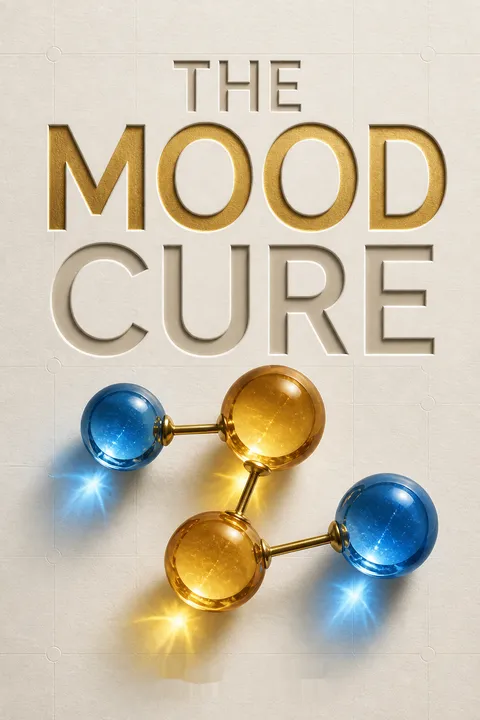

Key Takeaways
1. Many Negative Emotions Are "False Moods" Driven by Biochemistry
More important, I am proposing a complete yet easy-to-implement nutritional repair plan that can actually start to eliminate what I call our “false moods” in twenty-four hours.
Emotional impostors. The book introduces the revolutionary concept that much of our increasing emotional distress isn't "true emotion"—a genuine response to life's difficulties—but rather "false moods." These are meaningless biochemical errors in the brain and body, primarily stemming from unmet nutritional needs. Unlike true emotions that pass or can be resolved through counseling, false moods persist without justifiable reason, interfering with our natural capacity to enjoy life.
Brain's tune-up. When the brain's emotional equipment needs a tune-up, it sends clues like poor sleep, excessive worry, feeling overwhelmed, or loss of enthusiasm. These symptoms, often mistaken for inherent personality traits, are actually signals of underlying chemical imbalances. The author, Julia Ross, a pioneer in nutritional psychology, asserts that these malfunctions are easily correctable, offering hope for those who have long accepted their emotional struggles as unchangeable.
Rapid repair. The core message is that these "false moods" can be eliminated rapidly, often within 24 hours, using specific nutritional repair tools. These tools are not foreign substances but specific foods and nutrient supplements that precisely address the brain's needs. This approach offers a fast, effective, and natural path to rebalancing emotional chemistry and rediscovering one's true emotional nature.
2. Your Brain's Four Mood Engines Dictate Emotional States
If it has plenty of all four, it keeps you as happy as you can possibly be, given your particular life circumstances.
Neurotransmitter quartet. The brain transmits feelings through four highly specialized mood molecules, or neurotransmitters: serotonin, catecholamines (dopamine, norepinephrine, adrenaline), GABA, and endorphin. Each plays a distinct role in emotional regulation. When these "mood engines" are well-fueled, they promote positive feelings, confidence, energy, relaxation, and comfort, allowing for a balanced emotional experience.
Deficiency's impact. A shortage in any of these key neurotransmitters, whether due to genetics, stress, or poor diet, prevents the brain from producing normal emotions consistently. Instead, it hits "false emotional notes," leading to specific sets of defective moods. Understanding which neurotransmitter is deficient is the first step in targeted nutritional repair, akin to diagnosing which engine needs fuel in a car.
Targeted fueling. The good news is that just five or six specific amino acids, taken as supplements, can effectively reverse these four brain deficiencies. These amino acids act as direct fuels, jump-starting genetically misprogrammed brain chemistry and radically improving moods. This targeted approach allows for precise correction of imbalances, leading to a rapid return to emotional well-being.
3. Serotonin Deficiency: Lifting the Dark Cloud of Anxiety and Depression
If you’re sinking in serotonin—you’ll tend to become negative, obsessive, worried, irritable, and sleepless.
The primary defense. Serotonin is the brain's crucial defense against depression and anxiety, with over 80% of adults potentially suffering from its deficiency. When serotonin levels are low, individuals experience a "dark cloud" of symptoms:
- Negativity, pessimism, low self-esteem, guilt
- Worry, anxiety, panic attacks, phobias
- Obsessive thoughts or behaviors, inflexibility, perfectionism
- Irritability, impatience, anger
- Sleeplessness, restless sleep, waking too early
- PMS or menopausal moodiness
- Fibromyalgia, TMJ, migraines
- Cravings for sweets, starches, wine, or marijuana in the afternoon/evening
Fueling serotonin. Serotonin is synthesized from tryptophan, an amino acid found in high-protein foods. However, modern diets often lack sufficient tryptophan, and the blood-brain barrier can limit its entry. Factors like stress, genetics, lack of sunlight (Seasonal Affective Disorder or SAD), and insufficient exercise also deplete serotonin. Even low healthy fat intake can reduce tryptophan availability in the brain.
The 5-HTP solution. The most direct and rapid solution is 5-HTP, a supplement that converts directly to serotonin. Studies show 5-HTP is as effective as, or even outperforms, antidepressant drugs like Prozac, with fewer side effects. Tryptophan supplements are an equally effective alternative for those who don't respond to 5-HTP. These nutrients, combined with good-mood foods and lifestyle changes, can lift the dark cloud in as little as 24 hours.
4. Catecholamine Imbalance: Blasting the Blahs of Low Energy and Focus
If your catecholamines have crashed—you can sink into a flat, lethargic funk.
Sparkle and drive. Catecholamines—dopamine, norepinephrine, and adrenaline (the "cats")—are responsible for energy, motivation, alertness, and focus. When these are low, individuals experience "the blahs":
- Flat, bored, apathetic depression
- Low physical and mental energy, constant tiredness
- Lack of drive, enthusiasm, and motivation
- Difficulty focusing or concentrating
- Excessive sleep, slow to wake up
- Feeling easily chilled, cold hands/feet
- Easy weight gain
- Cravings for stimulants like caffeine, chocolate, diet pills, or cocaine
Tyrosine to the rescue. The amino acid tyrosine, abundant in high-protein foods, is the raw material for all three catecholamines. Tyrosine supplements can dramatically increase catecholamine levels, leading to impressive anti-stress, antidepressant, and pro-concentration effects, often within 10-15 minutes. This natural energizer helps overcome apathy and attention deficits, even in cases of genetic predisposition or stimulant drug addiction.
Beyond tyrosine. While tyrosine is key, other nutrients support catecholamine function. Omega-3 fish oil can raise "cats" by 40% by correcting fatty-acid imbalances in the brain. Vitamin D directs tyrosine conversion, and Pycnogenol/OPCs can aid focus. SAM-e is another powerful pro-cat antidepressant, especially for those over 40 or with a history of stimulant use. Addressing underlying thyroid issues is also crucial, as a sluggish thyroid can prevent tyrosine from converting effectively into catecholamines.
5. GABA Depletion: Conquering Overwhelm and Stress
If there’s a gap in your GABA—you’ll be wired, stressed, and overwhelmed.
Nature's tranquilizer. GABA (gamma-aminobutyric acid) is the brain's natural Valium, an inhibitory neurotransmitter that calms the nervous system by neutralizing overstimulating chemicals like adrenaline. Chronic stress, poor diet, and genetic factors can deplete GABA, leading to feelings of being "wired, stressed, and overwhelmed." Symptoms include:
- Feeling overworked, pressured, or deadlined
- Difficulty relaxing, stiff/tense body
- Easily upset, frustrated, or snappy under stress
- Feeling weak or shaky
- Sensitivity to bright light, noise, or chemical fumes
- Worsening symptoms if meals are skipped
- Using tobacco, alcohol, food, or drugs to relax
GABA supplements. GABA supplements can restore biochemical calm in minutes, often taken sublingually for rapid effect. Starting with low doses (100mg) is recommended to avoid excessive relaxation or agitation. Other calming aminos like taurine (an anti-seizure nutrient) and glycine (a muscle relaxant) can be combined with GABA for enhanced effects. Homeopathic remedies like Calmes Forte and inositol also offer soothing benefits.
Beyond GABA. Serotonin-boosting supplements (5-HTP, tryptophan) can also alleviate inner mental stress, anxiety, and sleep problems that compound external stressors. For persistent issues, addressing adrenal function (cortisol levels) is crucial, as chronic stress can exhaust the adrenals. Supplements like phosphorylated serine (Seriphos) can help regulate high cortisol, while a balanced diet with adequate protein and healthy fats prevents blood sugar drops that trigger stress responses.
6. Endorphin Insufficiency: Soothing Life's Pain and Boosting Pleasure
If you’re near the end of your endorphins—you may be crying during commercials and overly sensitive to hurt.
The pleasure buffer. Endorphins are the brain's natural painkillers and pleasure-transmitters, many times more powerful than morphine. A deficiency leaves individuals "too sensitive to life's pain," leading to:
- Extreme emotional or physical sensitivity, crying easily
- Difficulty getting over losses or grieving
- Avoidance of painful issues
- Cravings for pleasure, comfort, or numbness from treats like chocolate, bread, wine, marijuana, or tobacco
DLPA: The twin formula. The amino acid combination DLPA (D- and L-phenylalanine) is a powerful endorphin booster. L-phenylalanine helps form endorphins and stimulating brain chemicals like PEA (phenylethylamine), associated with euphoria. D-phenylalanine neutralizes enzymes that destroy endorphins, allowing natural levels to build up. This combination can alleviate both emotional and physical pain, often within minutes, and reduce cravings for comfort substances.
Holistic support. While DLPA is central, a comprehensive approach includes a high-protein diet (20-30 grams per meal) to supply the 15+ amino acids needed for endorphin synthesis, along with plenty of vegetables and healthy fats. Basic vitamin and mineral supplements (B vitamins, magnesium, vitamin D, omega-3s, vitamin C) also act as painkillers and support neurotransmitter function. Addressing hormonal imbalances (especially low estrogen in women) can further amplify endorphin levels.
7. Unmasking the Root Causes of Your Mood Imbalances
Although we used to think that genetic traits were intractable, when it comes to moods, even genetic programming can be reprogrammed remarkably easily by amino acids and other nutrients.
Multifactorial origins. Mood imbalances are rarely due to a single cause but rather a complex interplay of genetic, dietary, lifestyle, and hormonal factors. Understanding these roots is crucial for effective, personalized treatment. The author emphasizes that while genetics can predispose individuals to certain mood types, nutritional interventions can effectively "reprogram" these tendencies.
Key contributing factors:
- Genetics: Inherited predispositions to underproduce specific neurotransmitters (e.g., dopamine, serotonin).
- Diet: Low-calorie, low-protein, high-sugar/refined carb diets deplete essential nutrients.
- Stress: Chronic physical or emotional stress exhausts neurotransmitter and hormone reserves.
- Lifestyle: Lack of exercise, insufficient sleep, and inadequate light exposure disrupt biochemical rhythms.
- Hormones: Imbalances in thyroid, adrenal, and sex hormones profoundly impact mood.
Personalized approach. The book advocates for a personalized "Mood Cure" that identifies an individual's specific mood type(s) through questionnaires and, if necessary, lab testing. This allows for targeted nutritional and lifestyle interventions, moving beyond a one-size-fits-all approach to mental health. The author's clinic has consistently seen significant mood improvements in a short timeframe by addressing these underlying causes.
8. The Top Bad-Mood Foods: Hidden Saboteurs of Emotional Well-being
This is the law of malnutrition: When your food quality or quantity deteriorates, your mood is the first casualty, even before your physical health begins to deteriorate.
The gruesome twosome. Sweets and refined white-flour starches are tied for the top spot as mood-toxic foods. These highly processed "non-foods" act like drugs, causing rapid blood sugar spikes and crashes that trigger stress hormones and deplete mood-stabilizing neurotransmitters. This cycle leads to addiction, mood swings, and increased risk of diabetes, which itself doubles the incidence of depression.
Wheat's hidden impact. Wheat, rye, oats, and barley contain gluten, a protein that can irritate the digestive tract, impair nutrient absorption, and act as a "brain allergen." Gluten intolerance is linked to depression, anxiety, low energy, and even manic-depression, often due to its opiate-like effect that stimulates "exorphins." Eliminating these grains can resolve chronic fatigue, mood agitation, and digestive issues for many.
Dangerous fats and soy. Processed vegetable oils (corn, soy, canola, etc.) and hydrogenated "trans" fats are highly unstable, rancid, and inflammatory, damaging brain cells and disrupting neurotransmitter function. They contribute to depression and heart disease. Soy, often promoted as healthy, can suppress thyroid function, disrupt sex hormones, impair digestion, and has been linked to premature brain aging. Avoiding these hidden saboteurs is crucial for emotional stability.
9. Good-Mood Foods: The Foundational Fuel for Lasting Emotional Health
The more protein, the better you’re able to feel.
Protein: Primary importance. Protein is the cornerstone of good mood, providing the amino acids essential for synthesizing all four mood-regulating neurotransmitters. A minimum of 20-30 grams of high-quality protein per meal (e.g., fish, poultry, eggs, red meat, dairy) is crucial. Fish, especially wild salmon and sardines, also provides vital omega-3 fats. Eggs are a "perfect food," rich in protein, vitamins, minerals, and lecithin, and have been exonerated from past cholesterol fears.
Healthy fats: Rich and satisfying. Contrary to popular belief, healthy fats are essential for brain function and mood. Omega-3 fats (from fish) are paramount, directly boosting dopamine and protecting brain cells. Saturated fats (butter, coconut oil, chicken skin) are stable, provide steady energy, support omega-3 function, and are crucial for absorbing fat-soluble vitamins. Extra-virgin olive oil, rich in omega-9s, also supports serotonin activity. These fats promote satiety, preventing mood-destabilizing blood sugar crashes.
Vibrant vegetables: Nutrient powerhouses. Vegetables are indispensable partners, packed with vitamins, minerals, and fiber that enable neurotransmitter synthesis and maintain overall health. Aim for 4-5 cups daily, including dark leafy greens (spinach, kale) for magnesium and B vitamins (especially folic acid, crucial for depression). Vegetables are alkaline-forming, balancing the body's pH, and provide slow-release carbohydrates without blood sugar shocks. Fruits offer quick energy, B6, antioxidants, and fiber.
10. Hormonal Harmony: The Critical Role of Thyroid and Adrenal Glands
If your adrenals test low, start revving them up even before you start your thyroid medication, if possible.
Thyroid's metabolic maestro. The thyroid gland, located at the base of the throat, directs the metabolism of every cell, including brain cells. Low thyroid function (hypothyroidism) is a common cause of "the blahs," leading to depression, low energy, poor concentration, and weight gain. It impairs the conversion of tyrosine into catecholamines and affects serotonin production. Symptoms like cold hands/feet, fatigue, and easy weight gain warrant thorough investigation, including basal temperature and comprehensive blood tests (TSH, free T3, free T4, and thyroid antibodies).
Adrenals: The stress warriors. The adrenal glands produce stress-coping hormones like cortisol and DHEA. Chronic stress, poor diet, and infections can exhaust the adrenals, leading to "adrenal burnout." This manifests as feeling overwhelmed, irritable, exhausted, and unable to cope with even minor stressors. Saliva testing, which measures cortisol and DHEA levels throughout the day, is crucial for diagnosing adrenal fatigue and guiding treatment.
Interconnected systems. Thyroid and adrenal functions are intimately linked; stress can suppress thyroid activity, and low thyroid can further strain the adrenals. Rebalancing often requires a combined approach:
- Thyroid: Medication (natural glandular or synthetic T3/T4) guided by symptoms and comprehensive testing.
- Adrenals: Stress reduction, targeted supplements (adrenal cortex glandulars, licorice, pregnenolone, DHEA), and addressing underlying stressors like food allergies or infections.
- Sex Hormones: Adrenals also produce sex hormones; their depletion can cause PMS, menopausal/andropausal symptoms, and sleep issues. Saliva testing for estrogen, progesterone, and testosterone is recommended.
11. Natural Alternatives: A Safer Path Beyond Antidepressant Drugs
Although SSRIs can be helpful, I only rarely see them completely eliminate the depression and other mood problems caused by serotonin deficiency.
SSRIs: Partial relief, significant drawbacks. Antidepressant drugs (SSRIs) are widely used but often provide only partial relief for depression and anxiety, and come with numerous side effects: nausea, emotional flatness, sexual dysfunction (50-70% of users), weight gain, fatigue, and even suicidal/homicidal thoughts. The FDA acknowledges their addictive potential and serious withdrawal symptoms. These drugs artificially prevent serotonin reuptake, but can deplete other crucial brain chemicals like 5-HIAA, which protects against violent moods and addiction.
Nutrients: A superior approach. Natural serotonin boosters like 5-HTP and tryptophan offer a safer and often more effective alternative. They directly supply the brain with the building blocks for serotonin, allowing for natural production and conversion into melatonin (for sleep) and 5-HIAA. Studies show 5-HTP can raise serotonin levels significantly more than SSRIs and has fewer side effects. St. John's Wort is another well-researched herbal antidepressant.
Safe transition. For those on SSRIs, a gradual, medically supervised taper is essential, often aided by 5-HTP or tryptophan to mitigate withdrawal symptoms. Tyrosine can counteract the low energy and apathy often caused by SSRIs. The author's clinic has seen hundreds of clients successfully transition off medication, achieving complete mood resolution without the side effects or dependency.
12. Nutritional Rehab: The Missing Key to Lasting Addiction Recovery
Unless a program treats the biological core of addiction, it becomes a setup for relapse, shame, and despair.
Beyond willpower. Addiction is fundamentally a biochemical problem, not merely a psychological or spiritual failing. Most addicts are born with subnormal moods due to genetic deficiencies in neurotransmitter production (serotonin, catecholamines, endorphins, GABA). Drugs and alcohol temporarily "fix" these underlying deficits, leading to a powerful, often irresistible, craving for relief. Standard psychological and spiritual approaches, while valuable, often fail to address this biological core, resulting in high relapse rates (90% or more).
Targeted amino acid therapy. Nutritional rehabilitation, particularly with targeted amino acid supplements, is the missing key. By identifying which mood-enhancing brain chemicals are deficient (e.g., using the Mood-Type Questionnaire), specific amino acids can be used to restore balance:
- Downer addiction (alcohol, tranquilizers, marijuana for relaxation): GABA, taurine, glycine, 5-HTP/tryptophan.
- Stimulant addiction (cocaine, speed, caffeine, marijuana for energy): Tyrosine, L-phenylalanine, omega-3 fish oil, SAM-e.
- Painkiller addiction (opiates, alcohol, chocolate for comfort): DLPA/DPA, 5-HTP/tryptophan, high-dose Vitamin C, amino acid blends.
Holistic recovery. A comprehensive recovery program integrates nutritional rehab with psychological and spiritual support (counseling, 12-step programs). A recovery diet emphasizing protein, healthy fats, and vegetables, while eliminating mood-toxic foods (sugar, refined starches, unhealthy fats, allergens), is crucial. Addressing underlying issues like hypoglycemia (with glutamine, chromium), thyroid/adrenal dysfunction, or pyroluria (a genetic condition affecting nutrient absorption) further strengthens recovery, eliminating cravings and restoring natural well-being.
Review Summary
Reviews of The Mood Cure are polarized. Many readers report transformative results using amino acid supplements like 5-HTP and L-Tyrosine, praising the book's accessible writing and scientific citations. Positive reviewers highlight rapid mood improvements and appreciate the dietary guidance around reducing sugar and increasing protein. However, critics challenge the book's reliance on the outdated monoamine hypothesis, take issue with its dismissiveness toward vegetarians, and some abandoned it upon finding homeopathy recommendations. Overall, readers value it as a useful starting point, though most suggest consulting healthcare professionals alongside following its guidance.
People Also Read







Download PDF
Download EPUB
.epub digital book format is ideal for reading ebooks on phones, tablets, and e-readers.








































