
Plot Summary
Mountain Shadows and Loss
Nazafareen's world is shaped by tragedy in the unforgiving Khusk mountains. When her younger sister Ashraf is possessed by a wight—a type of Druj, or demon—Nazafareen is forced to witness her transformation and ultimate death. The event is traumatic, searing guilt and vengeance into Nazafareen's heart. This loss becomes the driving force behind her choices, shaping her into someone who seeks justice and meaning in a world where evil is real and often wears a familiar face. The cold, perilous landscape mirrors her internal desolation, and the memory of Ashraf's haunting eyes and final moments will follow Nazafareen, fueling her need to fight the darkness that took her sister.
The Water Dogs' Call
When Water Dogs—elite demon hunters—arrive in Nazafareen's nomadic clan, they offer a rare opportunity: to join their ranks and fight the Druj. The Water Dogs are both feared and revered, known for their power and their use of daēvas, magical beings bound to serve humans. Nazafareen, still raw from her sister's death, volunteers for the test, driven by a need for purpose and revenge. She discovers she has the rare gift to bond with a daēva, setting her on a path that will take her far from her family and everything she knows. The call is both a promise and a threat, and Nazafareen's decision marks the first step in her transformation from grieving sister to warrior.
Chosen and Bound
Nazafareen departs her clan, carrying the weight of her family's expectations and her own unresolved grief. She travels to Tel Khalujah, a city of palaces and temples, where she is introduced to the magus and the world of the Water Dogs. Here, she learns the history of the Druj wars, the creation of the cuffs that bind daēvas, and the uneasy peace that holds the empire together. The process is overwhelming, and Nazafareen struggles to adapt to a new life of discipline, ritual, and suspicion. Her outsider status marks her, but her determination to serve and her rare gift set her apart. The journey is both physical and spiritual, as she begins to understand the cost of the path she has chosen.
Training in the Light
Nazafareen's days become a cycle of grueling training, chores, and lessons in faith and history. She faces prejudice from other recruits and servants, but finds allies in Ilyas, her stern captain, and Tommas, a kind daēva with a club foot. She also befriends Tijah, a spirited girl from the southern deserts, and learns the complexities of the bond between Water Dogs and their daēvas. The training is not just about weapons and magic, but about learning to control herself and the power she will one day wield. The bonds of friendship and rivalry, trust and suspicion, begin to shape her, and she starts to see the daēvas not as monsters, but as individuals with their own burdens and pain.
New Bonds, New Fears
On her seventeenth birthday, Nazafareen is finally bonded to her daēva, Darius—a powerful, enigmatic young man with a withered arm. The ceremony is overwhelming, flooding her mind with Darius's emotions and power. The bond is both intimate and terrifying, blurring the boundaries between self and other. Nazafareen struggles to maintain her identity and control, even as she is drawn into Darius's sorrow and strength. Their partnership is uneasy, marked by mutual suspicion and flashes of understanding. The bond is a source of power, but also a potential weakness, and Nazafareen must learn to navigate its dangers if she is to survive as a Water Dog.
The Bonding Ceremony
The formal bonding of Nazafareen and Darius is a moment of both triumph and terror. The ritual, overseen by the magus and the satrap, is designed to ensure obedience and loyalty, but it also exposes the raw vulnerability of both human and daēva. The experience is physically and emotionally shattering, as Nazafareen is flooded with Darius's memories and pain. The aftermath leaves her shaken, struggling to separate her own feelings from his. The ceremony is a microcosm of the empire's uneasy relationship with the daēvas—one of dependence, fear, and control. It marks the beginning of a partnership that will be tested by both external threats and internal demons.
Lessons in Power
Nazafareen and Darius begin training together, learning to fight as a unit. The process is fraught with frustration and missteps, as they struggle to coordinate their movements and share power through the bond. Darius teaches Nazafareen how to access his strength, while she learns to manage the flow of magic without losing herself. Their partnership is tested in the training yard and on patrol, where they face both mundane dangers and the ever-present threat of the Druj. The lessons are not just about combat, but about trust, vulnerability, and the limits of control. As they grow closer, the line between master and servant, human and daēva, begins to blur.
First Blood on the Border
Nazafareen's unit is sent to investigate a vanished village on the empire's northern border. The mission is her first real test as a Water Dog, and it quickly turns deadly. The team discovers the aftermath of a Druj attack—wights, liches, and a Revenant, one of the Greater Druj. The battle is brutal, forcing Nazafareen to confront the reality of the enemy she has sworn to fight. She is nearly killed, saved only by Darius's power and the teamwork of her unit. The experience is both a victory and a trauma, deepening the bond between Nazafareen and Darius, but also exposing the cost of their power and the fragility of their control.
Secrets and Confessions
In the aftermath of battle, secrets come to light. Tijah reveals the abuse she suffered in her past, forging a deeper bond with Nazafareen. Darius and Nazafareen's relationship grows more complicated, as they struggle with forbidden attraction and the pain of their shared bond. Ilyas's harshness toward Tommas is revealed to be rooted in love and self-loathing, while the magus's history hints at the dangers of the bond. The lines between loyalty and love, duty and desire, become increasingly blurred. The Water Dogs are not just fighting external enemies, but the darkness within themselves and each other.
The Prison Break
A catastrophic prison break at Gorgon-e Gaz unleashes six ancient daēvas and their human guards. The Water Dogs are sent in pursuit, racing against time to prevent the escapees from reaching freedom or causing chaos. The escape is both a symptom and a cause of growing unrest in the empire, as old grievances and new alliances threaten to unravel the fragile peace. The pursuit takes Nazafareen and her unit across treacherous mountains and into the heart of the empire's secrets. The old daēvas are powerful and unpredictable, and their escape forces Nazafareen to question everything she has been taught about good and evil.
Pursuit Across the Mountains
The chase leads Nazafareen's unit through deadly mountain passes, haunted by memories and hunted by both Druj and human enemies. The journey is a crucible, testing their endurance, loyalty, and trust. Tensions rise as the truth about the daēvas' past and the nature of the bond comes to light. Betrayals and sacrifices mark the way, and Nazafareen is forced to confront her own prejudices and fears. The pursuit is not just a physical journey, but a descent into the heart of darkness—both in the world and within themselves.
The Barbican's Secret
At the Barbican, the fortress where the daēva cuffs are forged, Nazafareen and her companions uncover a devastating secret: the cuffs can be broken, and the daēvas' infirmities are not divine curses, but inflicted wounds. The revelation shatters the foundation of the Water Dogs' faith and loyalty. The empire's control over the daēvas is revealed as a lie, and the possibility of freedom—and vengeance—becomes real. The knowledge is both liberating and terrifying, forcing Nazafareen and Darius to choose where their true loyalties lie.
The Sandstorm and Betrayal
A desperate battle erupts on the plain, as the Water Dogs confront both the escaped daēvas and a group of necromancers. The fight is chaotic and deadly, culminating in the death of Tommas, Ilyas's daēva and secret love. The loss devastates the unit, pushing Ilyas over the edge and exposing the deep wounds at the heart of the Water Dogs. The sandstorm is both literal and metaphorical, a maelstrom of violence, grief, and betrayal. In the aftermath, the survivors are left to pick up the pieces and face the consequences of their choices.
The King's Judgment
Nazafareen and Darius are summoned to the capital, where they face The King's judgment. Ilyas, broken by grief and guilt, betrays Darius, accusing him of treason and collusion with the escaped daēvas. The trial is a farce, and both Nazafareen and Darius are condemned. The court is a place of masks and lies, where loyalty is a weapon and truth is dangerous. The betrayal is both personal and political, and Nazafareen is forced to confront the limits of justice in a corrupt empire.
Dungeons and Despair
Imprisoned and tortured, Nazafareen and Darius are pushed to the brink. Ilyas, consumed by his own pain, becomes their tormentor, using the bond to inflict suffering. In a final act of cruelty, he severs Nazafareen's hand, breaking her bond with Darius and leaving her physically and emotionally shattered. The dungeons are a place of despair, where hope seems impossible and the past returns to haunt them. Yet even in the darkness, the seeds of resistance and escape begin to grow.
Escape and Reunion
Delilah, Darius's mother and The King's bonded daēva, risks everything to help Nazafareen and Darius escape. The reunion is fraught with pain and longing, as old wounds are reopened and new alliances are forged. The escape is a frantic race through secret passages and sewers, pursued by the empire's forces. The price of freedom is high, and the scars—physical and emotional—will not easily heal. Yet in their flight, Nazafareen and Darius find each other again, and the possibility of a new beginning.
The Price of Freedom
On the run, Nazafareen and Darius are joined by Victor, Darius's father and a legendary daēva. The three are forced into a new, unstable bond, as Nazafareen becomes the link between father and son. The power is overwhelming, and Nazafareen discovers she can touch the nexus—the source of all magic—herself. The revelation is both a gift and a curse, as she struggles to control her abilities and the conflicting loyalties within her. The price of freedom is steep, and the future is uncertain.
The Sea and the Future
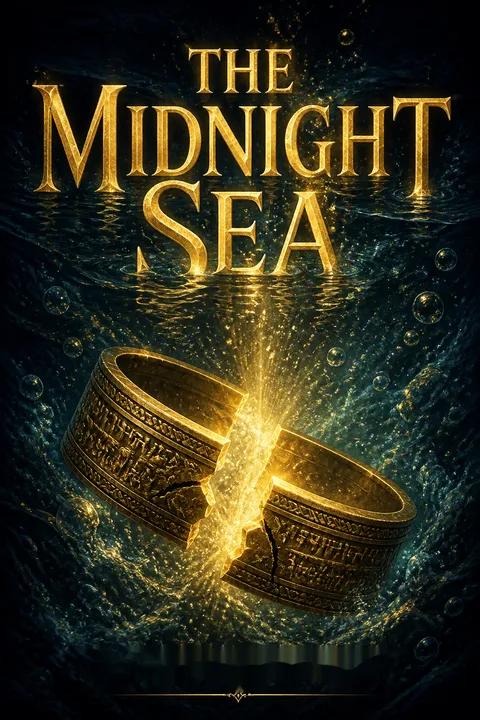
Nazafareen, Darius, Victor, and their companions escape across the sea, leaving the empire behind. They find refuge with allies who oppose The King and seek to free the daēvas. The journey is both an ending and a beginning, as they set their sights on new battles and new possibilities. The world is on the brink of war, and the choices they make will shape the fate of empires and the future of magic itself. The sea is both a barrier and a promise—a midnight expanse where hope and danger are inseparable.
Analysis
Kat Ross's The Midnight Sea is a sweeping tale of trauma, power, and the search for identity in a world built on lies. At its core, the novel interrogates the nature of good and evil, challenging the binaries that underpin both personal and political systems. Through the device of the bond, Ross explores the radical potential of empathy—its ability to heal, but also to wound. The story is a meditation on the costs of control, the dangers of dehumanization, and the possibility of redemption. In a world where the oppressed are made into monsters and the powerful justify their cruelty as necessity, the characters' journeys become acts of resistance—against both external enemies and the darkness within. The novel's relevance to modern readers lies in its exploration of systemic injustice, the legacy of trauma, and the transformative power of love and understanding. Ultimately, The Midnight Sea is a call to question the stories we are told, to seek the truth beneath the surface, and to find hope even in the shadow of despair.
Review Summary
Characters
Nazafareen
Nazafareen is the heart of the story—a young woman forged by loss and driven by vengeance. Her sister's death at the hands of a Druj shapes her every choice, fueling her determination to fight evil and protect the innocent. She is impulsive, stubborn, and often reckless, but her courage and compassion set her apart. Nazafareen's journey is one of self-discovery, as she learns to question the truths she has been taught and to see the humanity in those she once called monsters. Her bond with Darius is both a source of strength and vulnerability, forcing her to confront her own darkness and the limits of control. Over time, she grows from a grieving girl into a leader, willing to sacrifice everything for those she loves.
Darius
Darius is a daēva marked by both physical and emotional scars. His withered arm is a symbol of the pain inflicted by the empire, but his true wounds are deeper—shame, loss, and a longing for acceptance. Raised by the magi and trained to serve, Darius is both proud and deeply conflicted about his role. His bond with Nazafareen is transformative, forcing him to confront his own capacity for love, anger, and forgiveness. Darius's journey is one of reclaiming agency and identity, as he moves from obedient servant to a man willing to fight for his own freedom and the freedom of his people. His relationship with his parents, Victor and Delilah, adds layers of complexity, as he grapples with legacy, loyalty, and the meaning of family.
Ilyas
Ilyas is the stern captain of the Water Dogs, a man defined by duty and haunted by his own demons. His mixed heritage and outsider status fuel a need to prove himself, and his relationship with his daēva, Tommas, is fraught with unspoken love and self-loathing. Ilyas's rigidity masks deep wounds, and the loss of Tommas pushes him over the edge. His descent into cruelty and betrayal is both tragic and inevitable, a cautionary tale about the dangers of denying one's own humanity. Ilyas is both a mentor and an antagonist, embodying the contradictions and costs of the empire's system.
Tommas
Tommas is a daēva whose kindness and resilience stand in stark contrast to the violence of his world. His club foot is a visible mark of his bondage, but it does not define him. Tommas's relationship with Ilyas is one of deep, unspoken love, and his friendship with Nazafareen offers her a model of compassion and strength. His death is a turning point, exposing the fragility of hope and the cost of loyalty. Tommas's legacy endures in the memories and choices of those he touched.
Tijah
Tijah is a survivor, shaped by abuse and determined never to be a victim again. Her bond with her daēva, Myrri, is one of sisterhood and mutual support. Tijah's sharp wit and courage make her both a friend and a formidable ally. Her past gives her a unique perspective on power and freedom, and she is unafraid to challenge authority or tradition. Tijah's loyalty to Nazafareen is unwavering, and her willingness to risk everything for her friends is a testament to her strength.
Myrri
Myrri is a daēva whose silence hides a well of strength and wisdom. Her bond with Tijah is unbreakable, and she communicates through gestures and presence rather than words. Myrri's magic is powerful, and her actions often speak louder than any speech. She is a survivor of trauma, but she refuses to be defined by it. Myrri's quiet courage and empathy make her an anchor for those around her.
Victor
Victor is Darius's father and one of the oldest daēvas, infamous for his role in the war and the creation of the cuffs. He is both a symbol of resistance and a reminder of the costs of survival. Victor's pride and strength are matched by his capacity for love and regret, especially regarding Delilah and Darius. His relationship with his son is fraught with pain and misunderstanding, but also the possibility of redemption. Victor's knowledge and power make him a key player in the struggle for freedom, but his past haunts him at every turn.
Delilah
Delilah is Darius's mother and The King's bonded daēva. Her beauty and grace mask a fierce will and a deep sorrow. Delilah's love for her son and Victor drives her to risk everything, even as she remains a prisoner of the empire. Her actions are often subtle, working within the constraints of her bondage to protect those she loves. Delilah's story is one of endurance and sacrifice, a testament to the quiet forms of resistance that can change the course of history.
The Magus
The magus is both a mentor and a gatekeeper, guiding Nazafareen through her training while concealing the darker truths of the empire. His own history as a bonded magus gives him insight and empathy, but also a tendency toward caution and secrecy. The magus represents the complexities of faith and power, and his choices shape the destinies of his students. He is a figure of both comfort and frustration, embodying the contradictions of a system built on both light and shadow.
The King (Artaxeros II)
The King is the embodiment of imperial power—charismatic, cunning, and deeply insecure. His rule is marked by both grandeur and paranoia, and his relationships are defined by control and suspicion. The King's treatment of the daēvas, his manipulation of the Water Dogs, and his willingness to sacrifice even those closest to him reveal the rot at the heart of the empire. He is both a product and a perpetuator of a system built on fear and domination.
Plot Devices
The Bond and the Cuffs
The central device of the story is the magical bond between Water Dogs and daēvas, enforced by golden cuffs. This bond is both a source of power—allowing humans to access daēva magic—and a tool of control, inflicting pain and ensuring obedience. The cuffs also create a deep, often overwhelming empathy between bonded pairs, blurring the lines between self and other. The revelation that the cuffs can be broken, and that the daēvas' infirmities are inflicted rather than innate, is a turning point, exposing the lies at the heart of the empire. The bond is both a metaphor for love and oppression, and its evolution drives the characters' growth and the story's central conflicts.
Duality and Empathy
The narrative structure is built on dualities—human and daēva, master and servant, light and darkness. Through the bond, characters are forced to confront the reality of the other, experiencing their pain, fear, and hope. This enforced empathy challenges the prejudices and certainties of both sides, revealing the complexity of identity and the possibility of change. The story uses foreshadowing and parallelism to explore the ways in which love and hate, freedom and bondage, are intertwined.
Betrayal and Redemption
Betrayal is a recurring motif, from Ilyas's fall to the magus's secrets and the empire's lies. These betrayals are both personal and systemic, forcing characters to question their loyalties and beliefs. Redemption is possible, but never easy, and often comes at great cost. The narrative uses reversals and revelations to keep the reader off balance, mirroring the characters' own journeys from certainty to doubt and back again.
The Nexus and Magic
The nexus is the source of all magic, a place of unity and potential. Only daēvas—and, eventually, Nazafareen—can access it, and only by letting go of control and embracing vulnerability. The nexus is both a literal and symbolic space, representing the possibility of transformation and the dangers of unchecked power. Its mysteries drive the plot and the characters' development, offering both hope and peril.
Foreshadowing and Parallelism
The story is rich in foreshadowing, with early events—such as Ashraf's possession and death—echoing in later betrayals and sacrifices. The parallel journeys of Nazafareen and Darius, Ilyas and Tommas, Victor and Delilah, create a tapestry of interconnected fates. The narrative structure uses these echoes to build tension and deepen the emotional impact, inviting the reader to see the patterns that shape both individuals and empires.
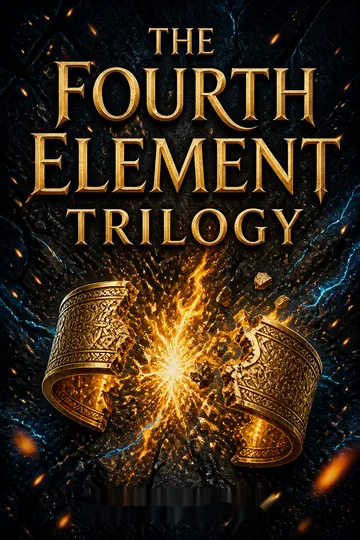
The Fourth Element Series

Download PDF
Download EPUB
.epub digital book format is ideal for reading ebooks on phones, tablets, and e-readers.








































